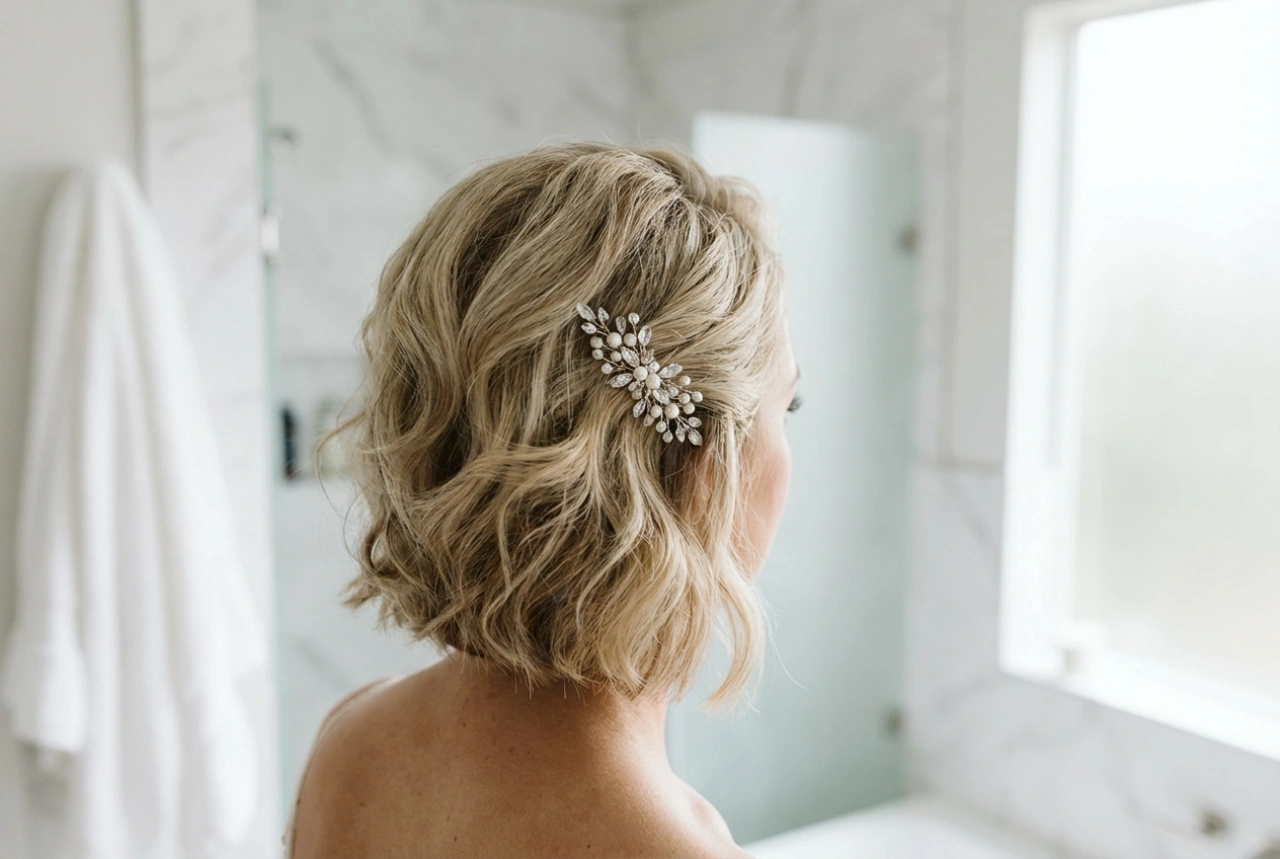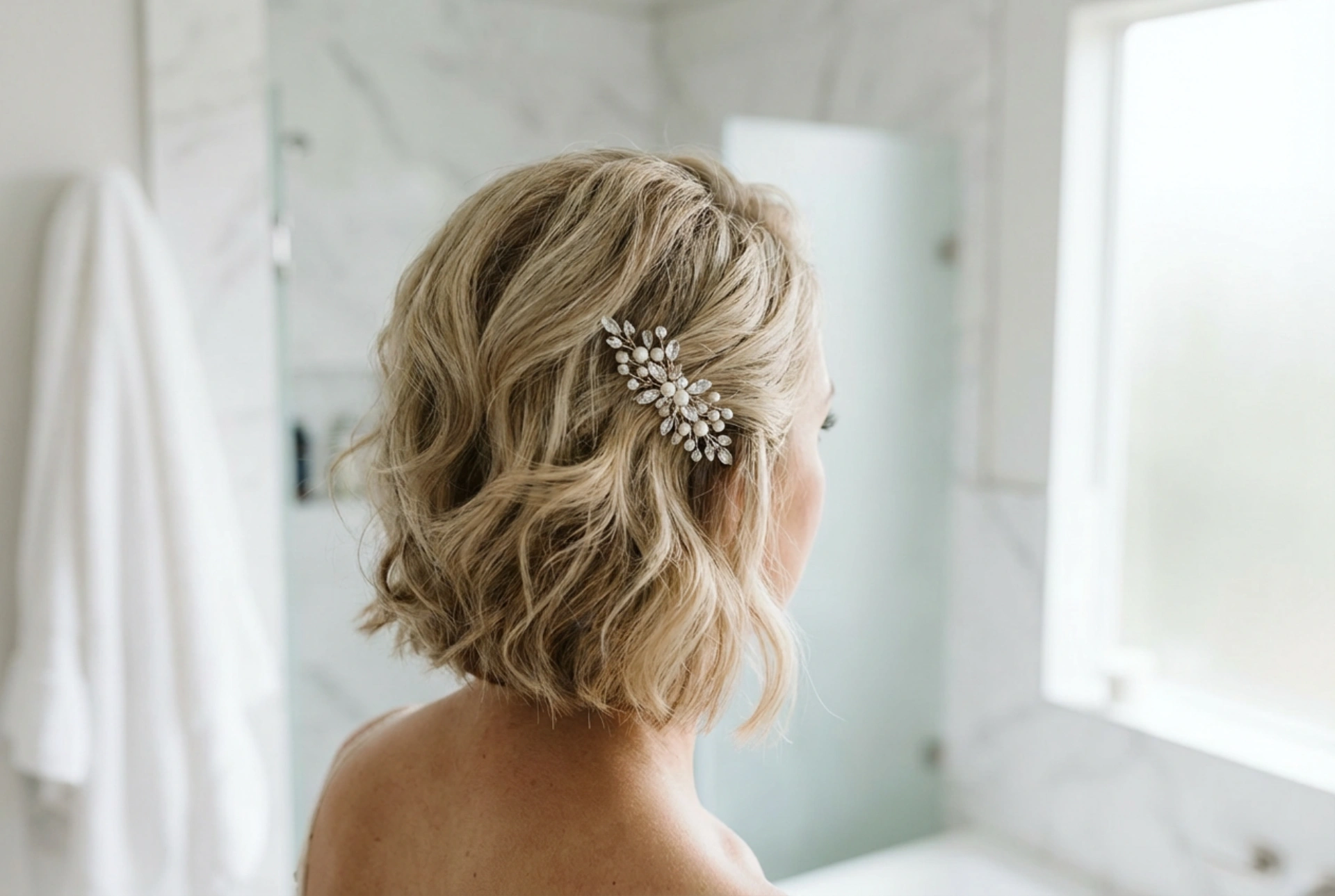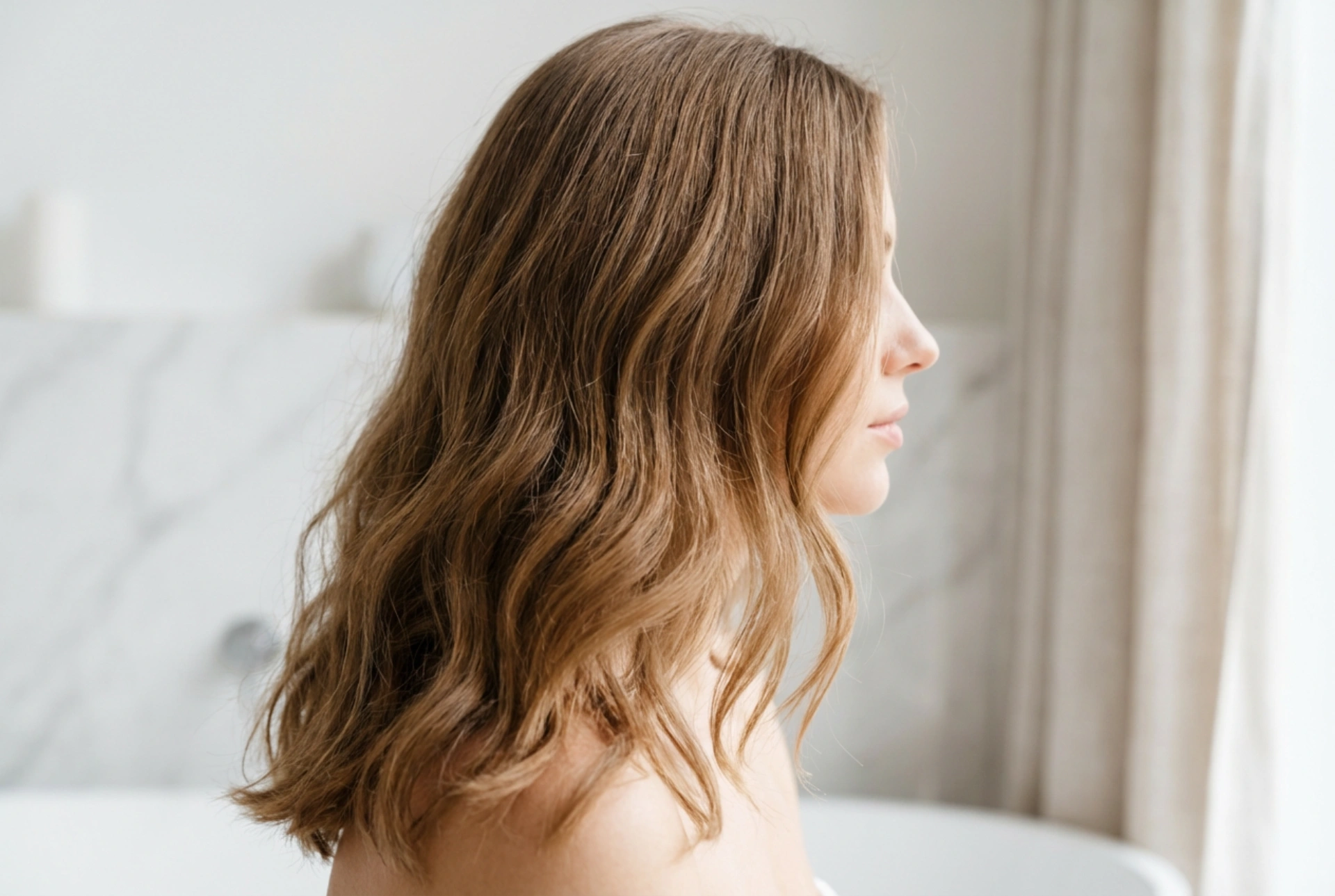


Natural waves possess an inherent elegance, catching the light beautifully and moving with a graceful, airy bounce. However, achieving that perfect balance of definition, volume, and smoothness can often feel like a delicate challenge. Medium-length wavy hair is particularly prone to frizz when exposed to moisture in the air, yet it can easily become flat and weighed down if treated with heavy styling products. Understanding how to care for this unique hair type is the key to unlocking soft, defined waves that retain their natural movement throughout the day.
The Unique Structure of Wavy Hair
Wavy hair, generally categorised as type 2 hair, exists in the beautiful space between straight and curly strands. Because of its shape, natural oils from the scalp do not travel down the hair shaft as easily as they do with straight hair, leading to drier ends. At the same time, the wave pattern is more fragile than tight curls, meaning heavy creams and rich butter-based products can easily stretch the waves out, leaving them looking limp and greasy. To maintain healthy waves, your routine must focus on infusing lightweight hydration while protecting the hair cuticle from environmental factors that cause frizz.
A Gentle Cleansing and Conditioning Routine
The journey to frizz-free, bouncy waves begins under the shower. The products and techniques you use during the washing phase set the stage for how your hair behaves once dry.
Selecting a Lightweight Wash
Wavy hair benefits greatly from mild, hydrating cleansers that remove build-up without stripping away natural oils. Look for gentle formulas that focus on lightweight moisture, such as those containing herbal extracts, aloe vera, or light proteins. Cleanse the scalp thoroughly with gentle fingertip pressure, allowing the lather to rinse down the lengths of your hair without roughing up the cuticles.
Conditioning for Maximum Slip
Conditioner is vital for smoothing the outer layer of the hair, but application is everything. Focus the product on the mid-lengths and ends of your hair, avoiding the roots to prevent loss of volume. Whilst the conditioner is on, use your fingers or a wide-tooth comb to gently detangle your hair. This minimises breakage and helps the wave clumps form naturally. Rinse thoroughly with cool water to help seal the hair cuticles, boosting natural shine and reducing the risk of frizz.
Styling Techniques for Definition and Bounce
How you handle your hair after washing determines the structure of your waves. Applying products to soaking wet hair is one of the most effective ways to lock in moisture and prevent frizz from forming as the hair dries.
The Art of Scrunching
Once you have finished washing, gently press excess water from your hair. Apply a lightweight styling product, such as a styling foam, a light-hold gel, or a wave spray, to your palms. Tilt your head to the side or forward, cup your hair in your hands, and squeeze gently upwards towards the scalp. This action, known as scrunching, encourages the natural wave pattern to form without disrupting the hair strands.
The Benefits of Plopping
Plopping is a popular, heat-free technique that helps dry waves while preserving their natural shape. Place a soft microfibre towel or a clean cotton t-shirt on a flat surface. Bend forward, lowering your wet, styled hair onto the centre of the fabric, and wrap the towel securely around your head. Leaving your hair plopped for ten to twenty minutes allows the fabric to absorb excess moisture gently, lifting the roots and enhancing wave definition without causing the friction that leads to frizz.
Drying with Care
If you prefer to air dry, try to touch your hair as little as possible while it dries, as friction from fingers can break up the wave clumps and create frizz. If you prefer to speed up the process, use a hair dryer fitted with a diffuser attachment. Set the dryer to a low heat and low speed. Gently cup sections of your hair in the diffuser bowl, lifting them towards your scalp. The diffuser disperses the airflow evenly, protecting your waves from intense direct heat and keeping them beautifully defined and voluminous.
Maintaining and Protecting Your Waves
Keeping waves looking fresh between washes requires a few simple protective measures, particularly during sleep when friction against bedding can disrupt the hair pattern.
- Sleep on Silk or Satin: Standard cotton pillowcases can create friction, leading to tangles and frizz. Switching to a silk or satin pillowcase allows your waves to glide smoothly as you move during the night.
- The Loose High Bun: Gather your hair loosely at the top of your head and secure it with a soft fabric scrunchie. This protects the lengths of your hair from being crushed while you sleep, preserving volume at the roots.
- A Simple Morning Refresh: If your waves look a little flat or frizzy the next morning, avoid brushing them out with a standard hairbrush. Instead, mist your hair lightly with water mixed with a tiny drop of lightweight conditioner, then gently scrunch to revive the wave pattern.