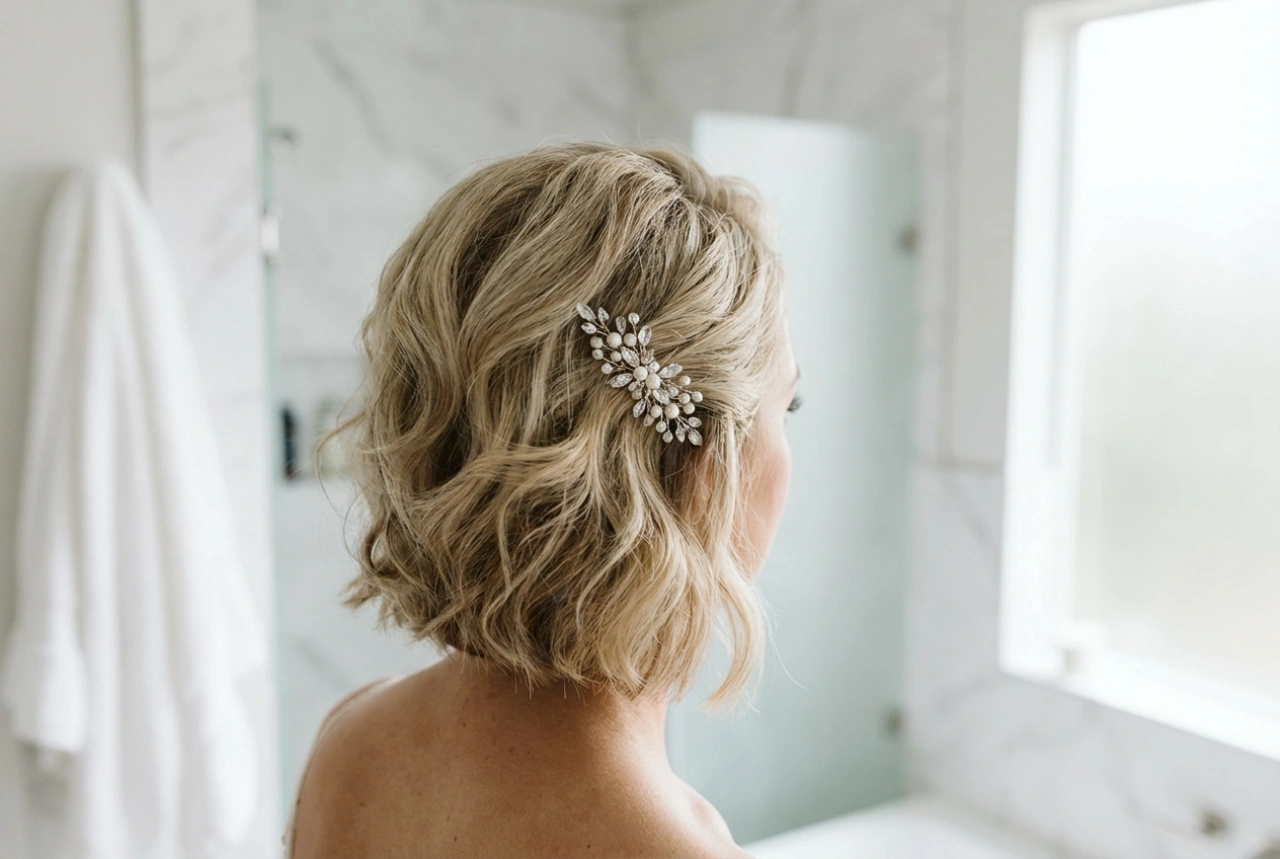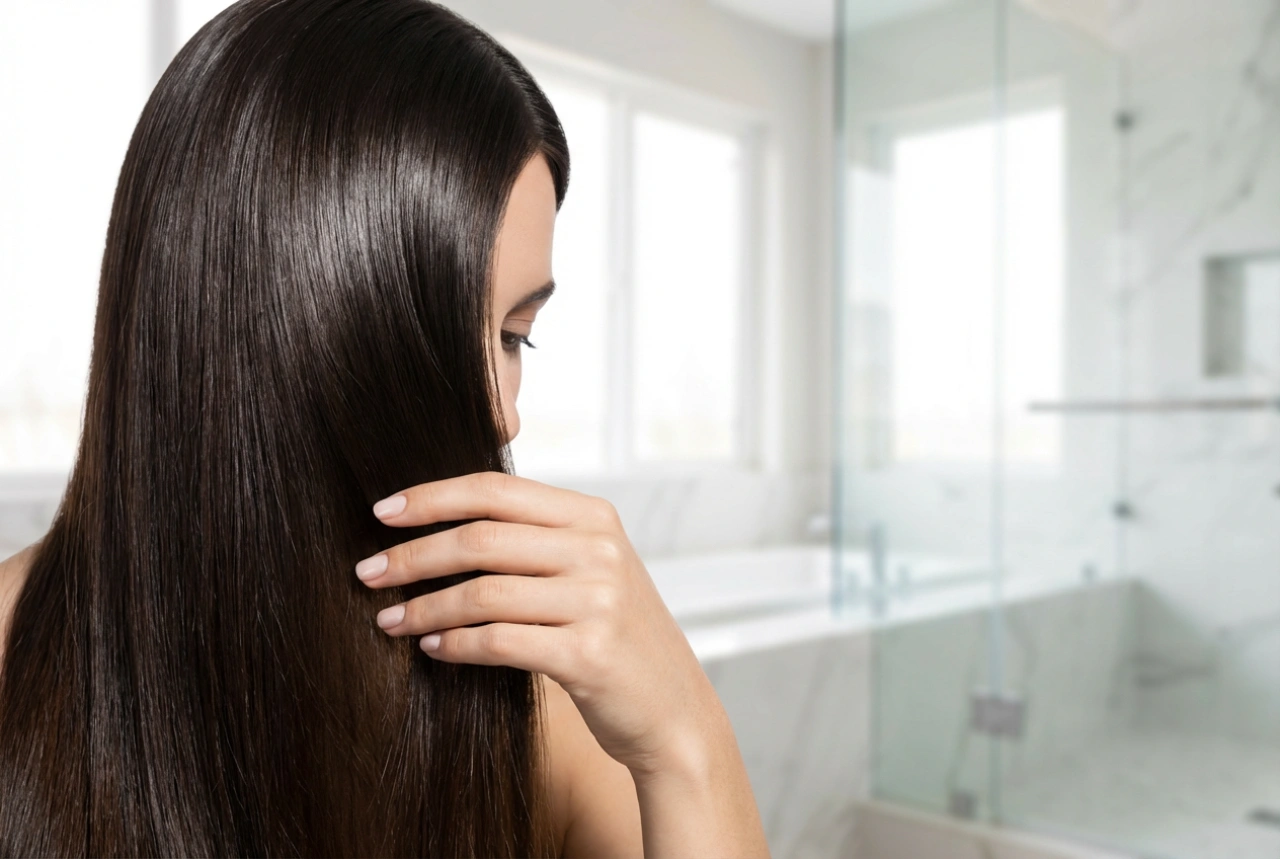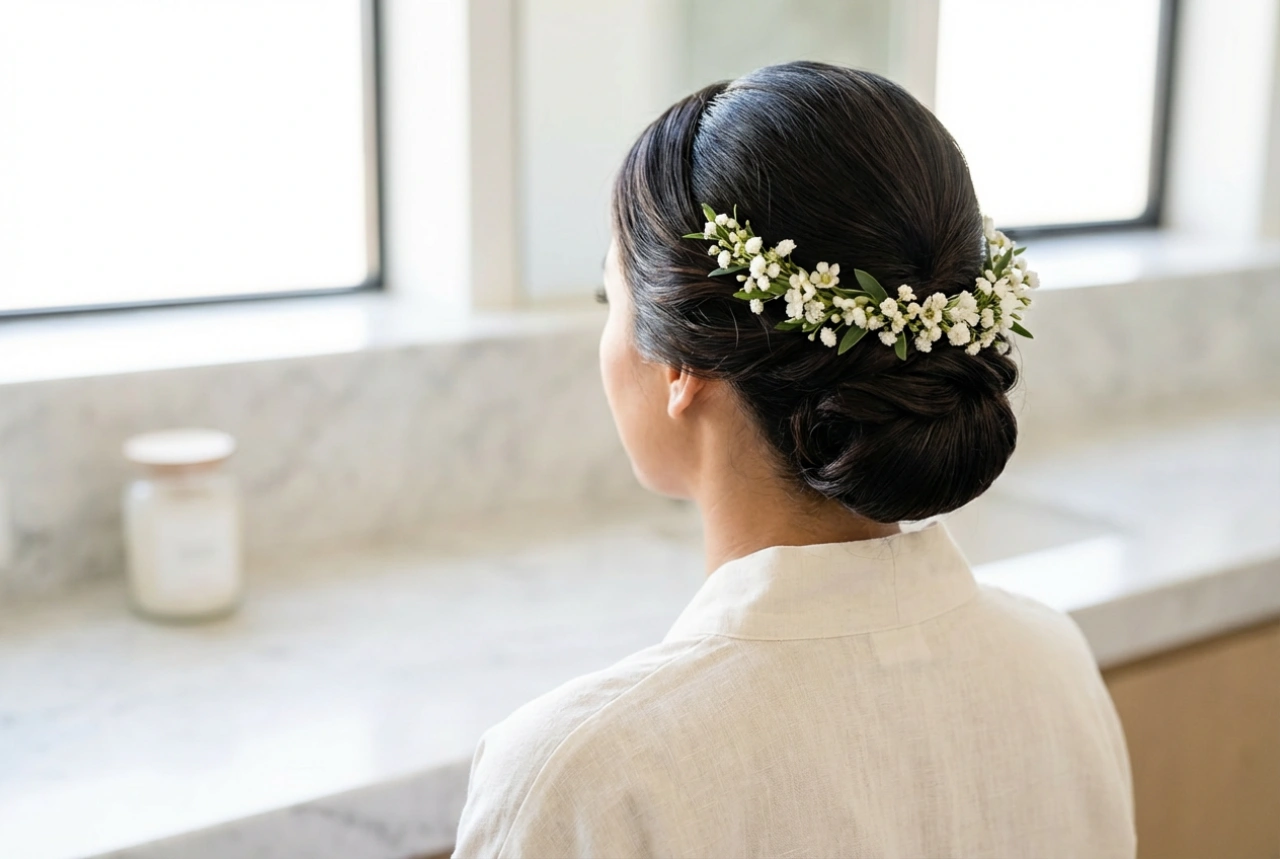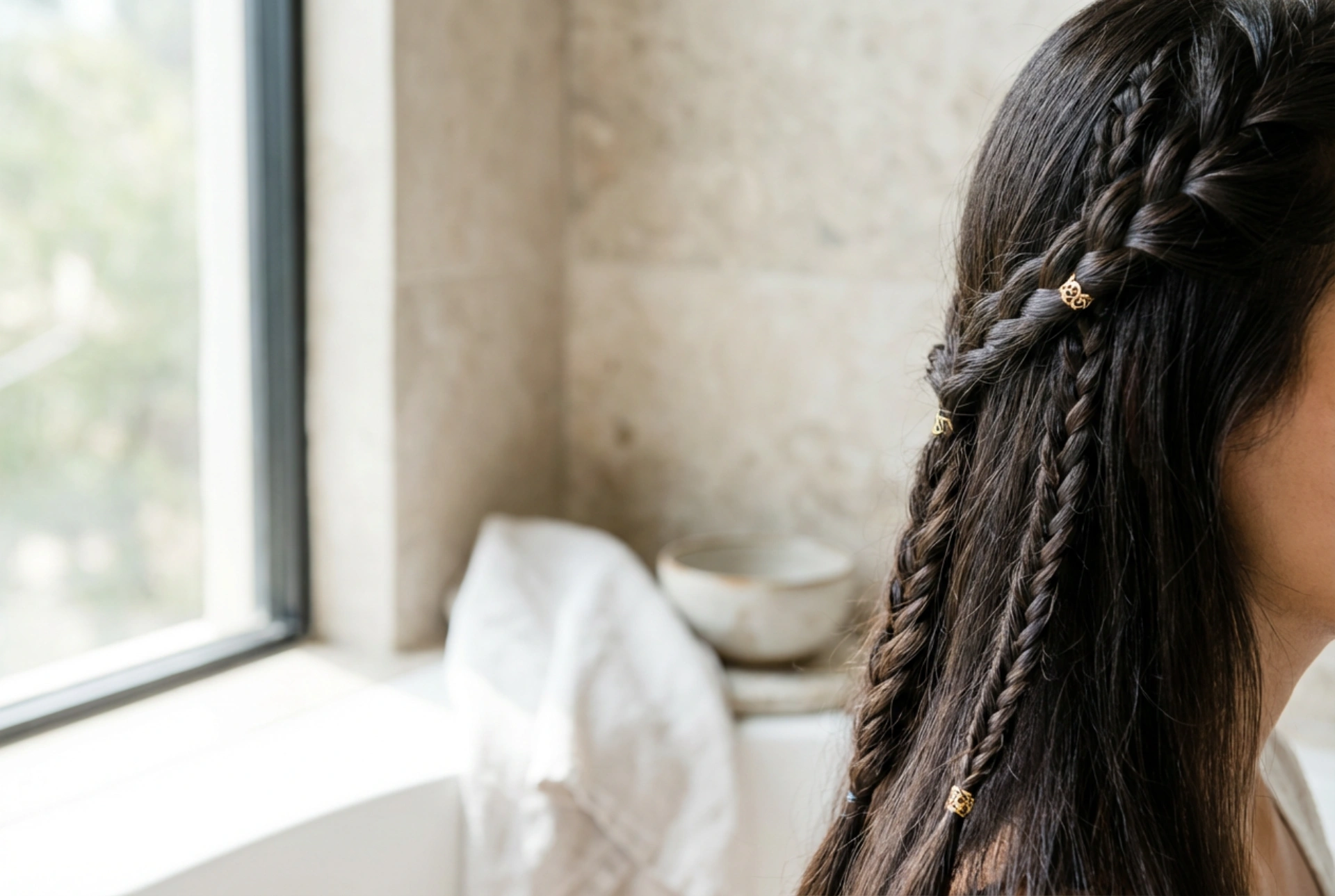


Beautifully styled hair has always been a symbol of elegance and self-care. Among the most versatile and timeless styling techniques, braids stand out as a classic choice that combines practicality with artistic flair. Whether you are aiming for a casual daytime look or a sophisticated evening style, mastering different braiding techniques allows you to transform your hair into a work of art. The intricate textures of woven strands not only showcase the healthy sheen of your locks but also offer a protective way to keep your hair neat and secure throughout the day.
Preparing Your Hair for Braiding
Before diving into the steps of weaving, proper preparation is essential to achieve a smooth, neat finish. Working with tangled or dry hair can make the process difficult and may lead to unnecessary breakage. To start, gently brush through your hair from the ends up to the roots using a wide-tooth comb or a soft-bristle brush. This minimises tension on the hair follicles and ensures that each strand is free from knots.
If your hair is particularly fine or freshly washed, it may lack the grip needed to hold a braid securely. In such cases, applying a small amount of lightweight styling cream or a tiny drop of natural hair oil to the lengths can provide the necessary texture. For those with naturally wavy or curly hair, preparing the hair whilst it is slightly damp can make the strands more pliable, though braiding dry hair generally offers a softer, more voluminous appearance. Ensure you have your tools ready before you begin: a few hair-friendly elastic bands, some sectioning clips, and a mirror to help you monitor your progress.
The Classic Three-Strand Braid
The classic braid is the foundation of all weaving techniques. It is simple, elegant, and serves as the perfect starting point for beginners. Once you master the rhythm of the three-strand method, you can easily progress to more complex patterns.
Step-by-Step Instructions:
- Divide the hair: Gather the section of hair you wish to braid and divide it into three equal strands: left, middle, and right. Hold the left strand in your left hand and the right strand in your right hand, leaving the middle strand free or held securely with your fingers.
- The first cross: Take the right strand and cross it over the middle strand. The right strand now becomes the new middle strand.
- The second cross: Take the left strand and cross it over the new middle strand. The left strand now becomes the centre of the braid.
- Repeat the pattern: Continue this alternating pattern, crossing the outer strands over the middle one. Ensure you maintain a consistent, gentle tension to keep the braid even without pulling too tightly on the scalp.
- Secure the end: Once you reach the ends of your hair, secure the braid with a soft elastic band. Gently tug at the outer edges of the loops to add a touch of volume if desired.
The Elegant French Braid
Known for its sophisticated and secure design, the French braid incorporates additional hair from the sides as you weave down the scalp. This style is perfect for active days, keeping the hair neatly away from the face while creating a beautiful, textured pattern along the head.
Step-by-Step Instructions:
- Section the crown: Begin at the top of your head. Gather a section of hair from the crown or forehead area and split it into three equal strands.
- Start with a classic stitch: Perform one complete stitch of a classic three-strand braid by crossing the right strand over the middle, and then the left strand over the middle.
- Incorporate new hair: Before crossing the next strand over, gather a small, thin section of loose hair from the side of your head and merge it with the active strand. Cross this combined strand over the middle.
- Repeat on the opposite side: Gather another small section of loose hair from the left side, merge it with the left strand, and cross it over the middle.
- Weave to the nape: Continue this process, adding hair from the sides with every single stitch. Once you reach the nape of your neck and all loose hair has been incorporated, transition into a standard three-strand braid to finish the lengths, then secure with a band.
The Intricate Fishtail Braid
The fishtail braid offers a stunning, herringbone-like texture that looks highly intricate but is surprisingly straightforward to create once you understand the pattern. Unlike the previous styles, this braid relies on only two main sections of hair, utilising very thin outer strands to build the dense weave.
Step-by-Step Instructions:
- Create two main sections: Divide the hair you want to braid into two equal parts. Keep one section in your left hand and the other in your right hand.
- Cross the first outer strand: Take a thin sliver of hair from the outer edge of the left section. Bring it over the top of the left section and merge it into the inside of the right section.
- Cross the second outer strand: Take a thin sliver of hair from the outer edge of the right section. Bring it over the right section and merge it into the inside of the left section.
- Maintain tension and repeat: Continue this alternating pattern, taking thin pieces from the outside of one section and adding them to the opposite section. Using smaller strands will result in a more detailed, delicate herringbone texture.
- Finish and relax the braid: Secure the end with an elastic. For a softer, bohemian appearance, gently pull apart the sides of the braid starting from the bottom and working your way up to loosen the weave slightly.
Gentle Care and Styling Tips for Braids
While braided hairstyles are practical and stylish, caring for your hair during and after styling is key to maintaining healthy strands. Avoid pulling too tightly, especially around the hairline, as excessive tension can lead to discomfort or strain on the roots. When securing your braids, opt for soft, fabric-covered hair ties or seamless silicone bands rather than harsh elastics with metal joins, which can snag and break the hair fibres.
To keep your braids looking fresh throughout the day, you can lightly mist them with water or a gentle leave-in conditioner to tame any flyaway hairs. When it is time to undo your hairstyle, patience is essential. Avoid pulling or ripping the braid apart; instead, gently unweave the strands starting from the bottom, using your fingers to detangle as you go. This gentle approach ensures that your hair remains strong, smooth, and ready for your next elegant creation.