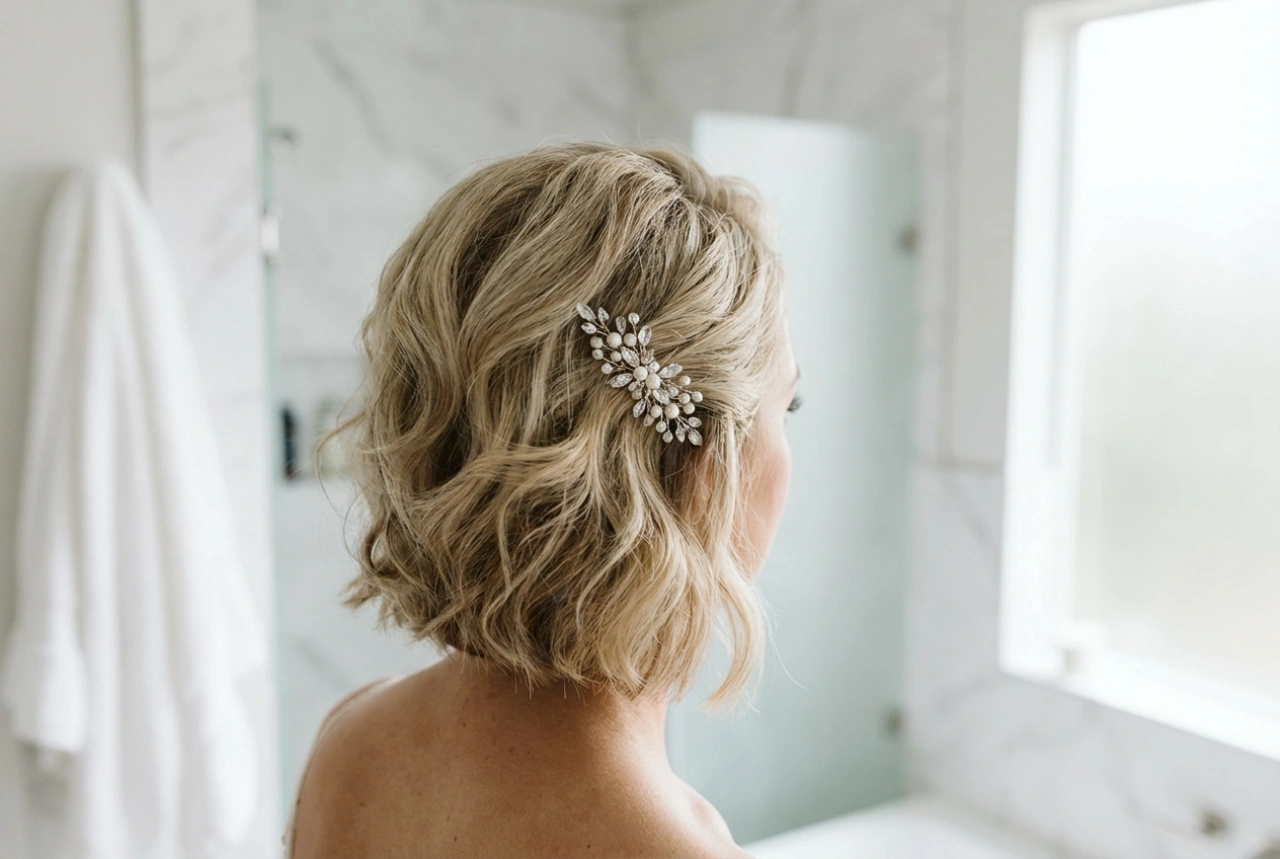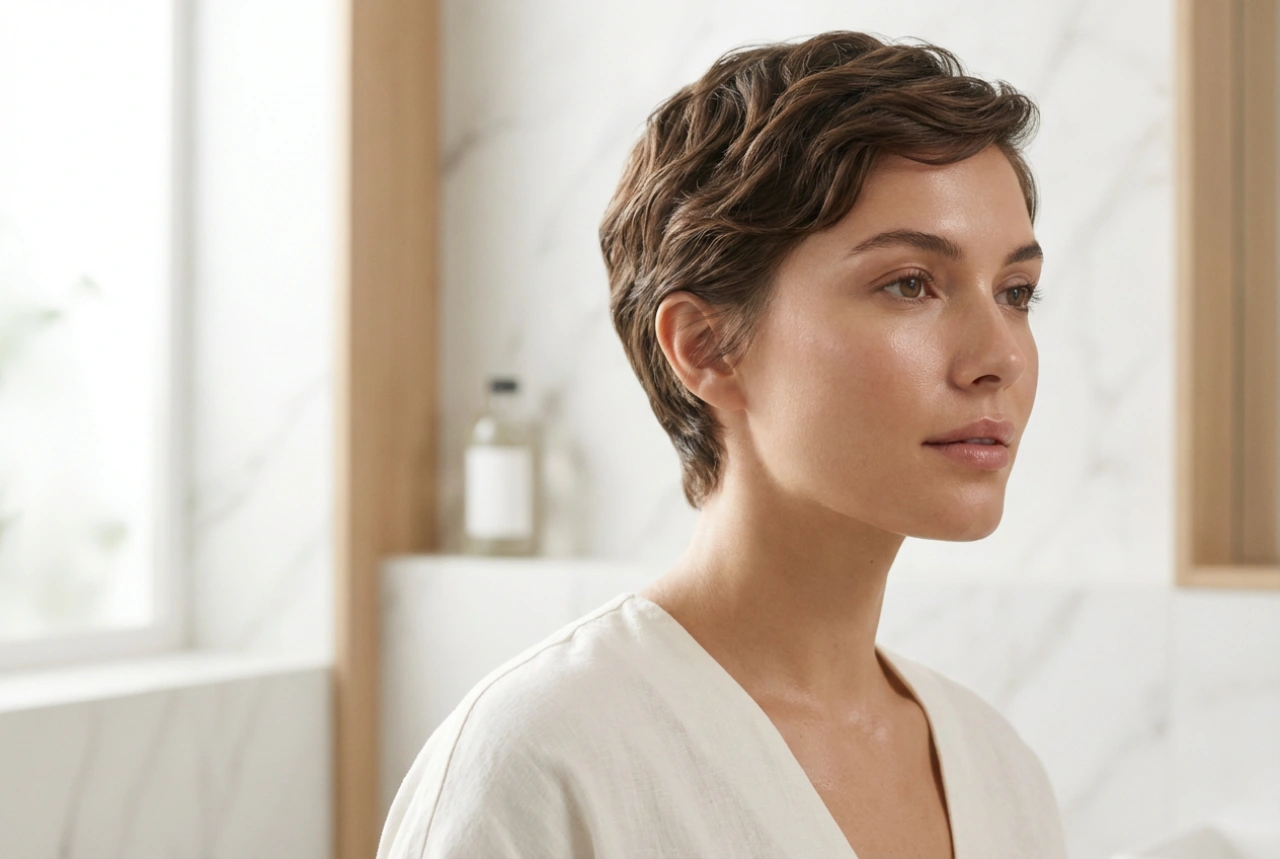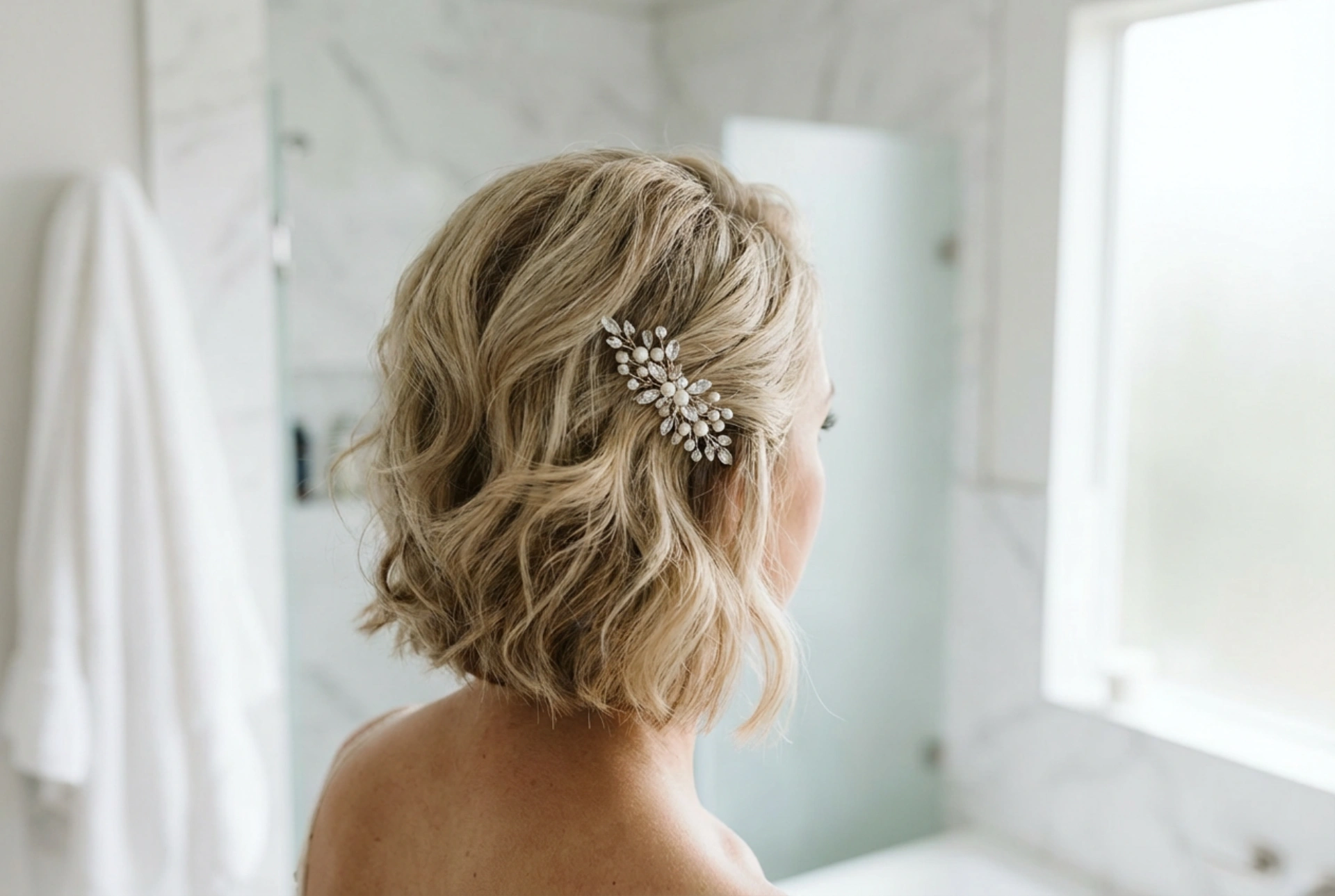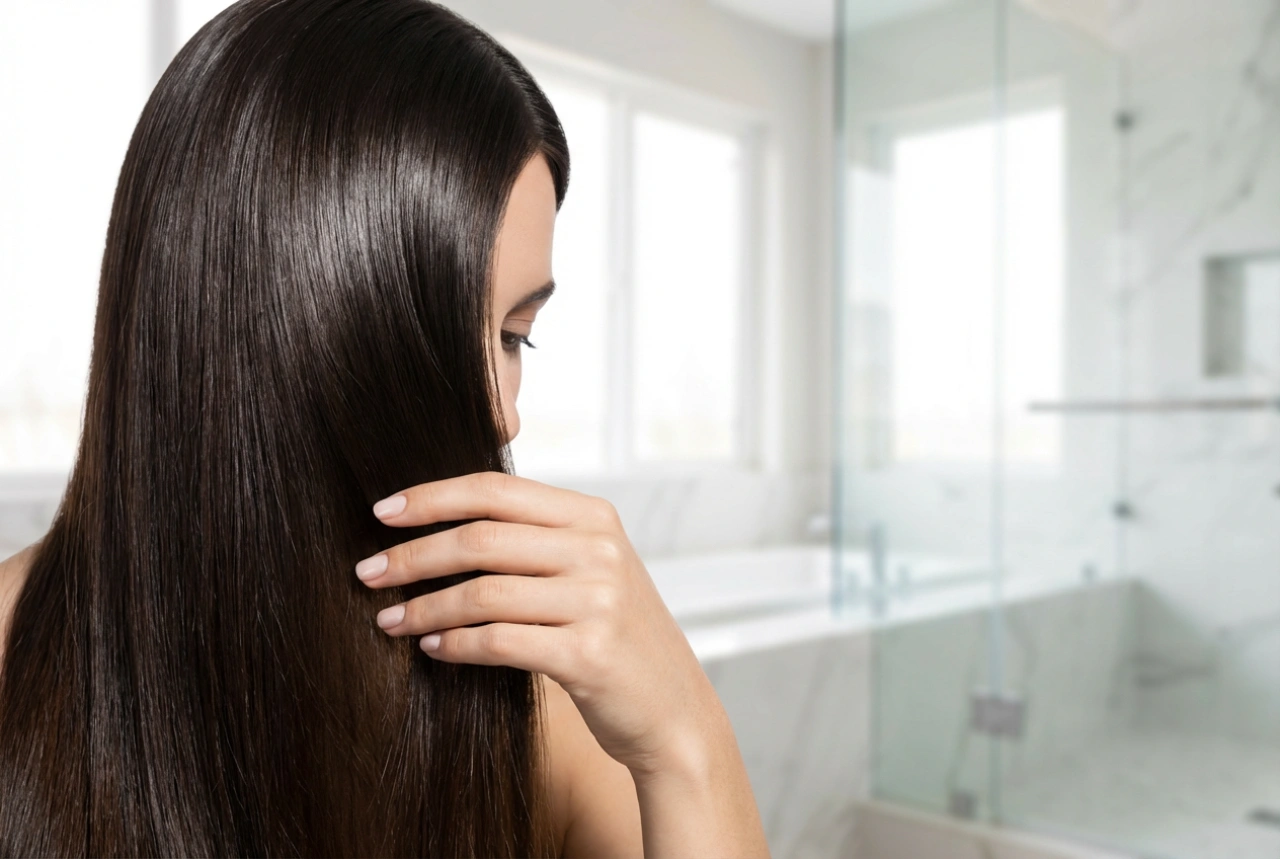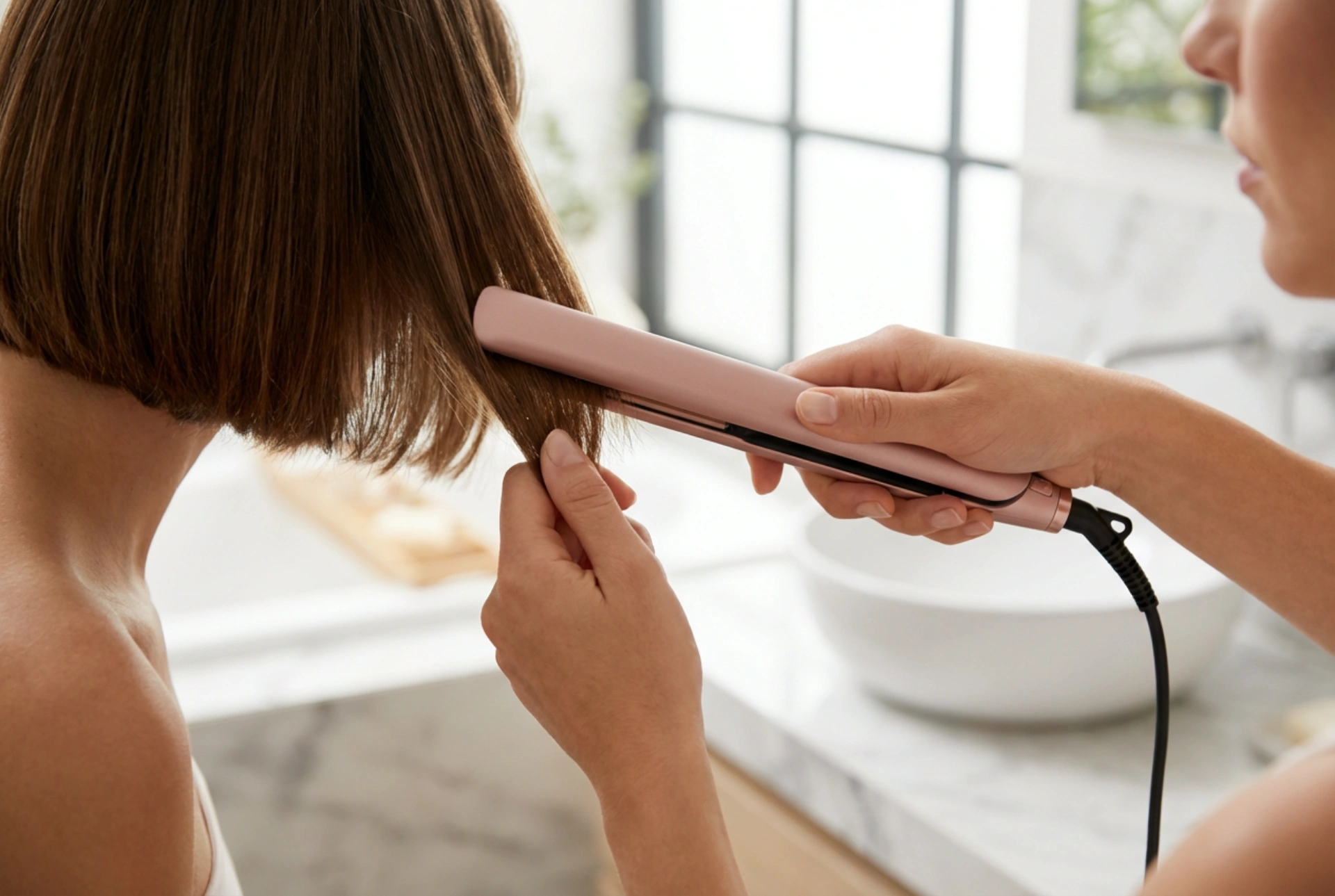


Styling short hair requires precision, patience, and the right tools. While standard-sized straighteners are excellent for long, thick tresses, they can often feel clunky and difficult to manoeuvre when working with short bobs, pixie cuts, or fringes. A narrow straightener, with its slim design and lightweight handling, offers the perfect solution for detailed styling. It allows you to get close to the roots safely, creating a variety of looks from ultra-sleek, polished finishes to soft, natural waves. By choosing a tool designed for shorter lengths, you gain full control over every section, turning daily styling into an effortless routine.
The Advantages of Slim Plates for Short Haircuts
The primary benefit of a narrow hair straightener lies in the width of its plates, which typically measure less than an inch. This compact design is highly advantageous for several reasons. Firstly, it provides exceptional precision. When dealing with short layers, especially around the nape of the neck or the ears, larger plates can easily touch the skin, causing discomfort. A slim tool allows you to isolate and style these small sections with ease.
Secondly, narrow plates offer superior control when creating texture. Short hair thrives on movement, and a simpler device makes it much easier to bend, flip, or curl individual strands. Whether you want to flick the ends of a modern bob outwards or add subtle piecey texture to a pixie cut, the manoeuvrability of a narrow straightener is unmatched. It also ensures that heat is distributed evenly across smaller sections of hair, reducing the need to pass over the same strand multiple times.
How to Achieve a Sleek, Polished Look
For those who love a clean, minimalist aesthetic, a perfectly straight bob or crop is timeless. Achieving this look with a narrow straightener is straightforward when you follow a structured approach:
- Preparation is key: Always start with completely dry hair. Applying a lightweight heat-protecting spray beforehand is essential to shield the cuticle from heat damage.
- Sectioning: Even with short hair, sectioning makes a significant difference. Divide your hair into horizontal layers, starting from the nape of the neck and clipping the top sections away.
- Root contact: Gently place the narrow plates close to the roots. Because the tool is slim, you can get near the scalp without direct contact. Glide the straightener slowly and smoothly down to the ends in a single, continuous motion.
- Finishing touch: Once all sections are styled, let the hair cool down before applying a tiny drop of nourishing hair oil or shine serum to smooth down any flyaways.
Adding Volume and Soft Waves
A common misconception is that straighteners are only meant for flattening hair. In reality, a narrow straightener is one of the most versatile tools for adding volume and bounce to shorter hairstyles. To create root lift, simply place the plates at the base of a section, clamp gently, and rotate the tool upwards and outwards in an arc-like motion as you glide it down. This technique lifts the hair from the scalp, creating natural-looking volume that lasts.
To create soft waves or curls, select a small section of hair and clamp the straightener near the root. Rotate the tool 180 degrees away from your face, then slide it gently towards the ends. Because the plates are narrow, the resulting curl will be tighter and more defined than what a wider straightener could produce. You can then run your fingers through the curls to break them up into soft, lived-in waves that add texture and dimension to your cut.
Choosing the Right Settings and Protecting Hair Health
While styling short hair with a narrow tool is highly effective, maintaining hair health should always be a priority. Short hair is just as susceptible to heat damage as long hair, and because it is styled frequently, protective measures are vital. Always look for a device with adjustable temperature settings rather than a single high-heat option. Fine or delicate hair requires much lower temperatures to style effectively, whereas thicker, coarser textures may need a slightly higher setting.
Additionally, the material of the plates plays a crucial role in heat distribution. Smooth ceramic or tourmaline plates allow the hair to glide effortlessly without snagging, which minimises mechanical damage and breakage. Regular deep conditioning treatments and minimising daily heat exposure will ensure your short haircut remains vibrant, shiny, and healthy-looking day after day.