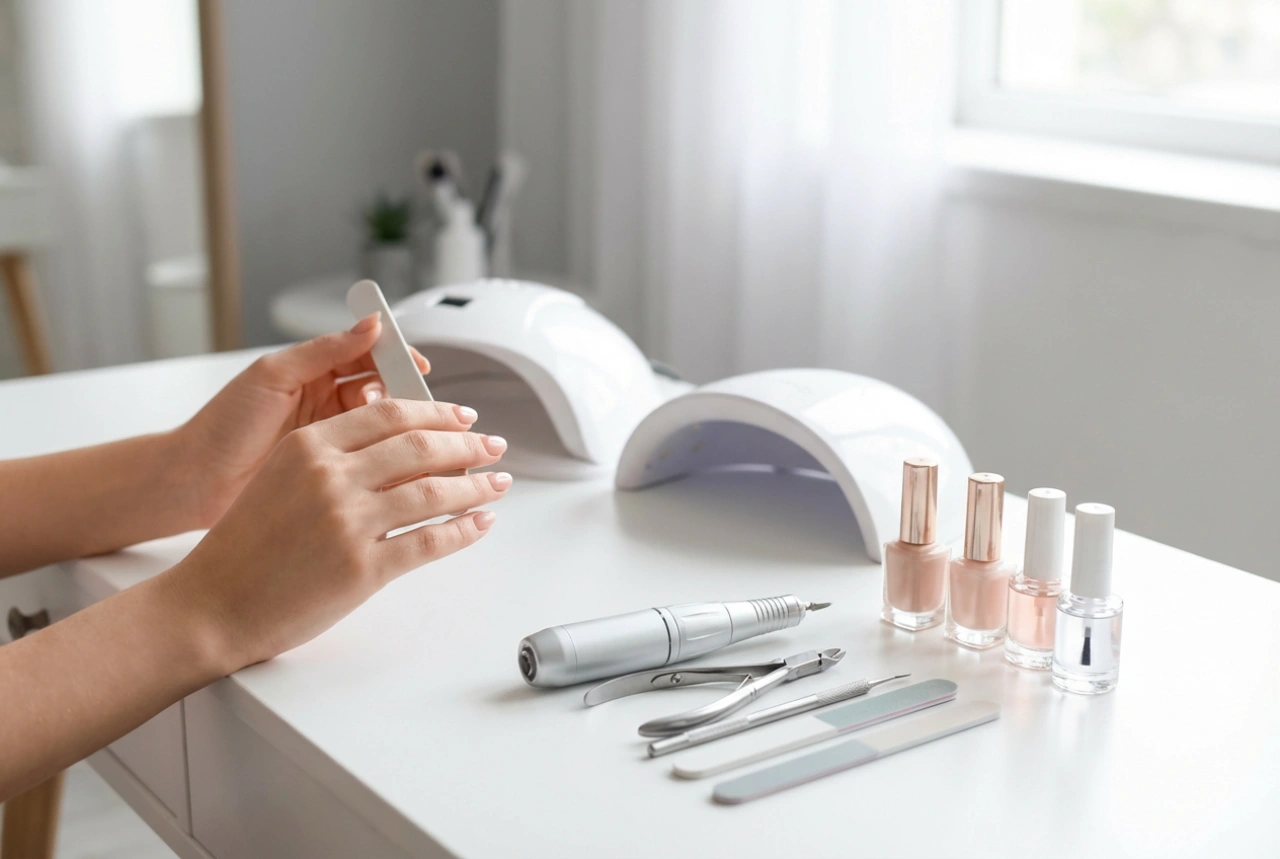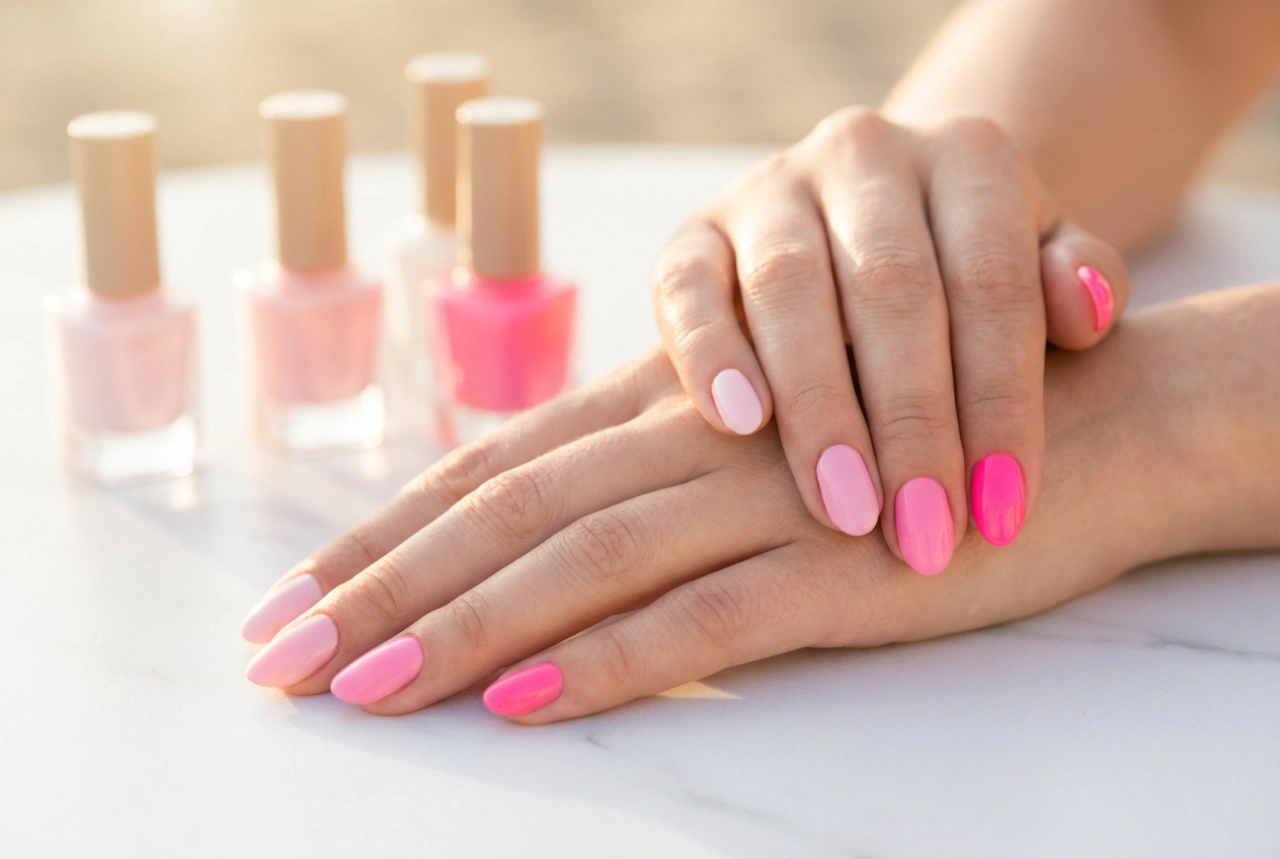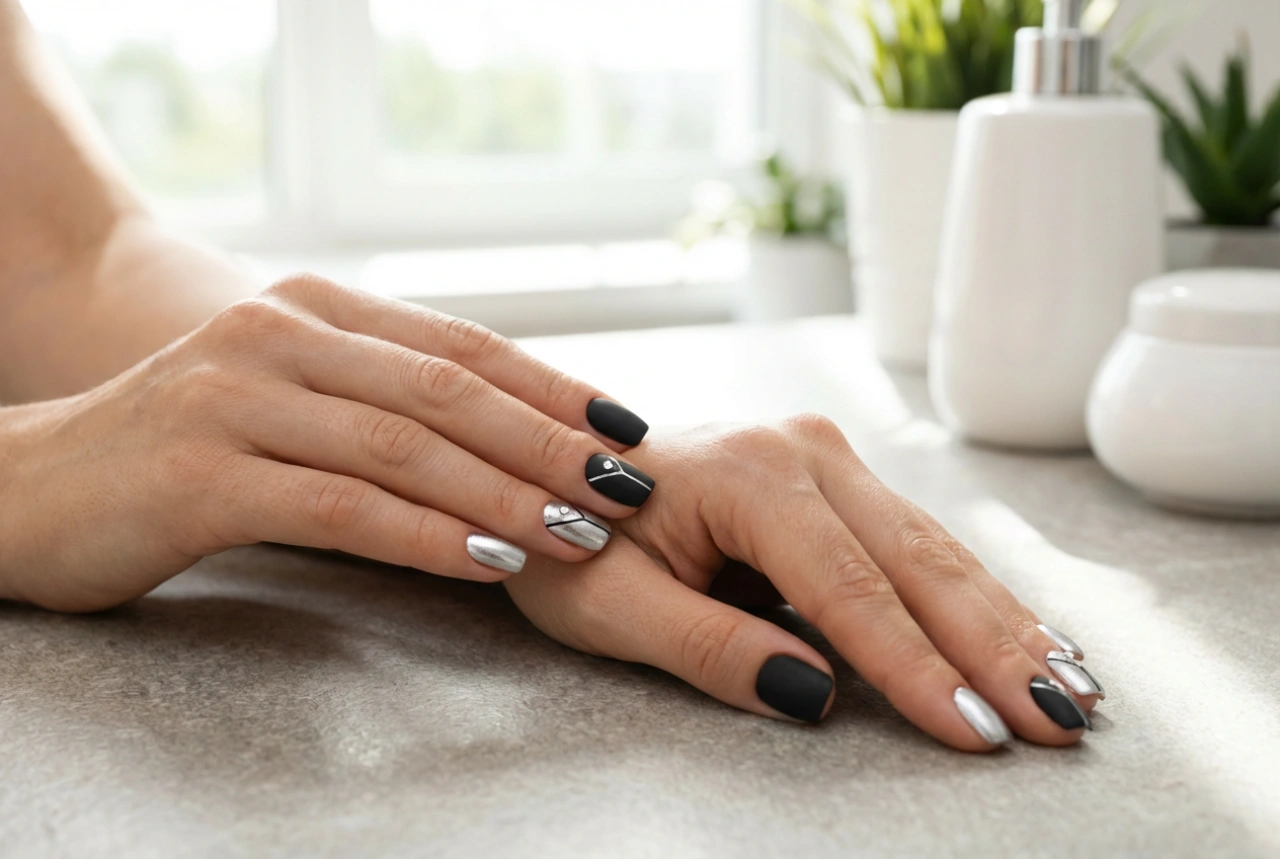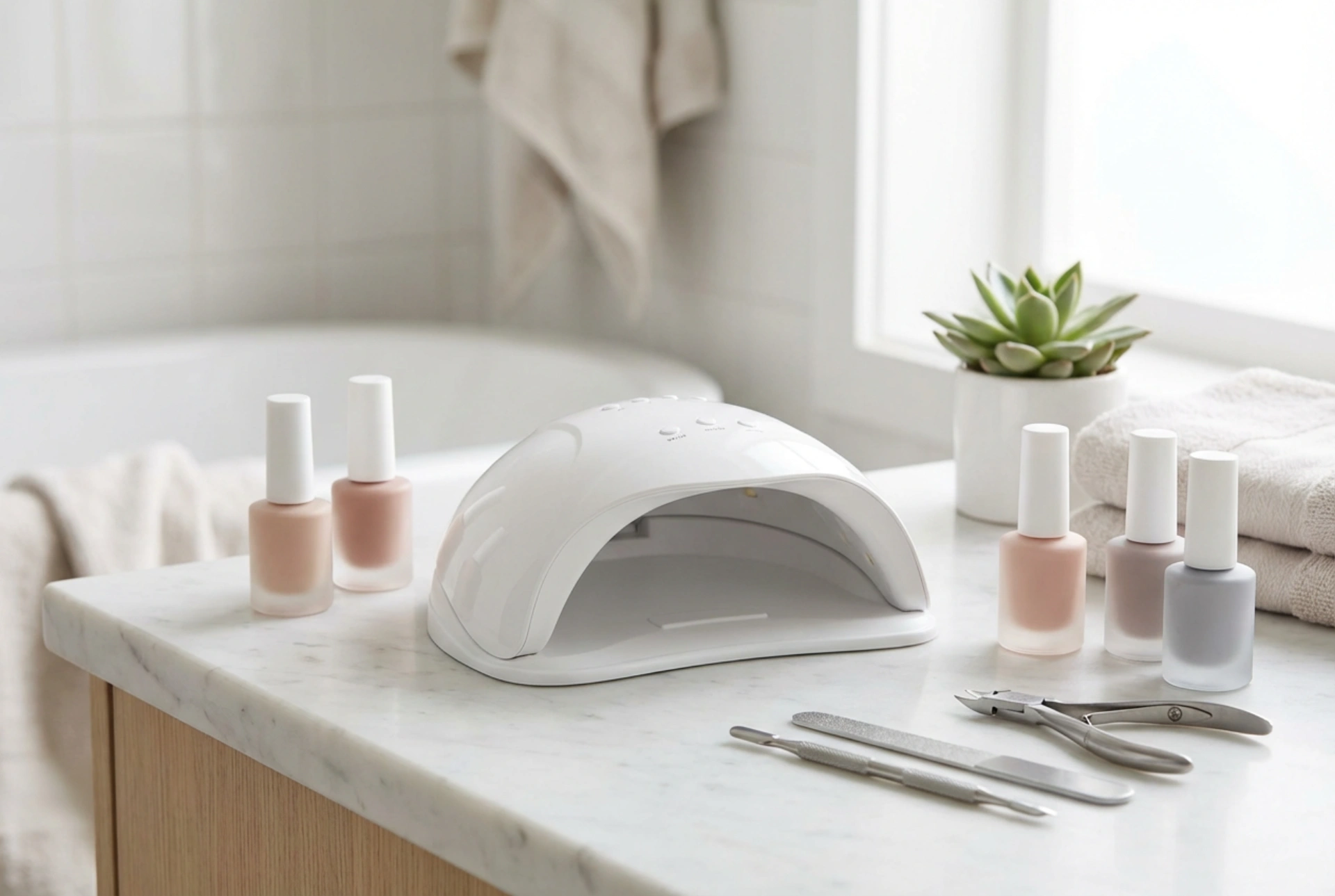


Creating a professional-looking manicure at home has never been more accessible, with sleek, modern drying devices now taking pride of place on minimalist vanity tables. Accompanied by elegant, unbranded bottles of gel polish and neat manicure tools, a high-quality curing lamp is the cornerstone of a safe, long-lasting nail routine. Understanding how these devices work, how to choose the correct wattage, and how to practice safe curing is essential for achieving a flawless, glossy finish without compromising the health of your hands and nails.
Decoding Curing Technology: UV, LED, and Dual Sources
When entering the world of home manicures, the first choice often involves selecting the right type of light source. Traditional UV lamps use fluorescent bulbs that emit a broad spectrum of ultraviolet light. While highly versatile and capable of curing almost any gel formulation, they require longer curing times and their bulbs need periodic replacement to maintain efficacy. LED lamps, on the other hand, utilise light-emitting diodes that target a narrower band of wavelengths, curing compatible gel polishes significantly faster—often in just thirty seconds.
The modern standard, however, is the dual UV/LED lamp. These devices combine both light spectrums, allowing you to cure any type of gel product, from soft soak-off polishes to thicker builder gels, with maximum efficiency. Opting for a dual-source lamp provides the ultimate flexibility, ensuring that you do not have to worry about product compatibility when expanding your collection of colours and finishes.
Selecting the Optimum Wattage for Safe and Effective Curing
The power of a lamp, measured in watts (W), plays a critical role in how thoroughly and quickly your gel polish cures. While very low-wattage devices (such as 6W or 9W travel lamps) are highly portable, they are often insufficient for thorough polymerisation. Under-cured gel can lead to peeling, lifting, and unexpected skin sensitivities due to prolonged contact with uncured monomers. For reliable, consistent results at home, a lamp with a power rating of at least 36 watts, ideally up to 48 watts, is recommended.
Higher wattage lamps cure products faster, but they can sometimes generate a sudden sensation of heat, commonly referred to as a "heat spike." This happens because the chemical reaction of polymerisation is exothermic, releasing heat as the liquid turns to solid. To combat this, many modern lamps feature a "low heat mode," which gradually increases the power output over ninety seconds, allowing the gel to set gently without causing discomfort.
Standard Curing Times and Best Practices
Achieving a durable manicure depends heavily on adhering to correct curing times. Each layer of gel—from the base coat and colour layers to the final top coat—must be cured according to the specific instructions of the gel system you are using. As a general rule of thumb, dual UV/LED lamps require thirty to sixty seconds per layer of standard colour gel. Traditional UV lamps typically require a full two minutes per layer.
- Apply thin layers: Thick coats of gel block the light from reaching the lower layers, leaving them wet and uncured underneath a cured surface shell.
- Position your hand correctly: Ensure your fingers lie flat and are centred directly under the light sources inside the lamp chamber. Be particularly mindful of your thumb, which can easily tilt and receive insufficient light.
- Respect the timer: Never shorten the curing time to speed up the process, as this compromises the structural integrity and safety of the manicure.
Essential Safety Guidelines for Nail Curing
Maintaining the health of your skin and nails should always be the priority when using any beauty device. While the exposure to light during a bi-weekly manicure is minimal, taking simple precautions can offer peace of mind and protect your hands from premature ageing. Applying a broad-spectrum sunscreen to your hands twenty minutes before your manicure, or wearing fingerless UV-protection gloves, effectively shields the skin from unnecessary light exposure.
Furthermore, ensure that you always wipe away any gel polish that accidentally touches your cuticles or surrounding skin before placing your hand under the lamp. Curing gel while it is in contact with the skin can cause irritation and lead to sensitivities over time. Keeping your lamp clean by wiping the interior reflective surfaces regularly ensures that the light is distributed evenly, giving you consistent, safe, and beautiful results every time.
Maintaining Your Curing Equipment for Longevity
Like any electronic beauty tool, a gel lamp requires basic maintenance to perform at its best. Over time, dust from filing and accidental drops of gel polish can accumulate on the bulbs or reflective interior lining, blocking the light and reducing the curing efficiency. After every few uses, unplug the device and gently wipe the interior with a soft microfibre cloth lightly dampened with isopropyl alcohol. Ensure the device is completely dry before using it again. If your lamp uses traditional UV bulbs, remember to replace them every six months of regular use to prevent under-curing, whereas LED bulbs are designed to last for the lifetime of the device without needing replacement.