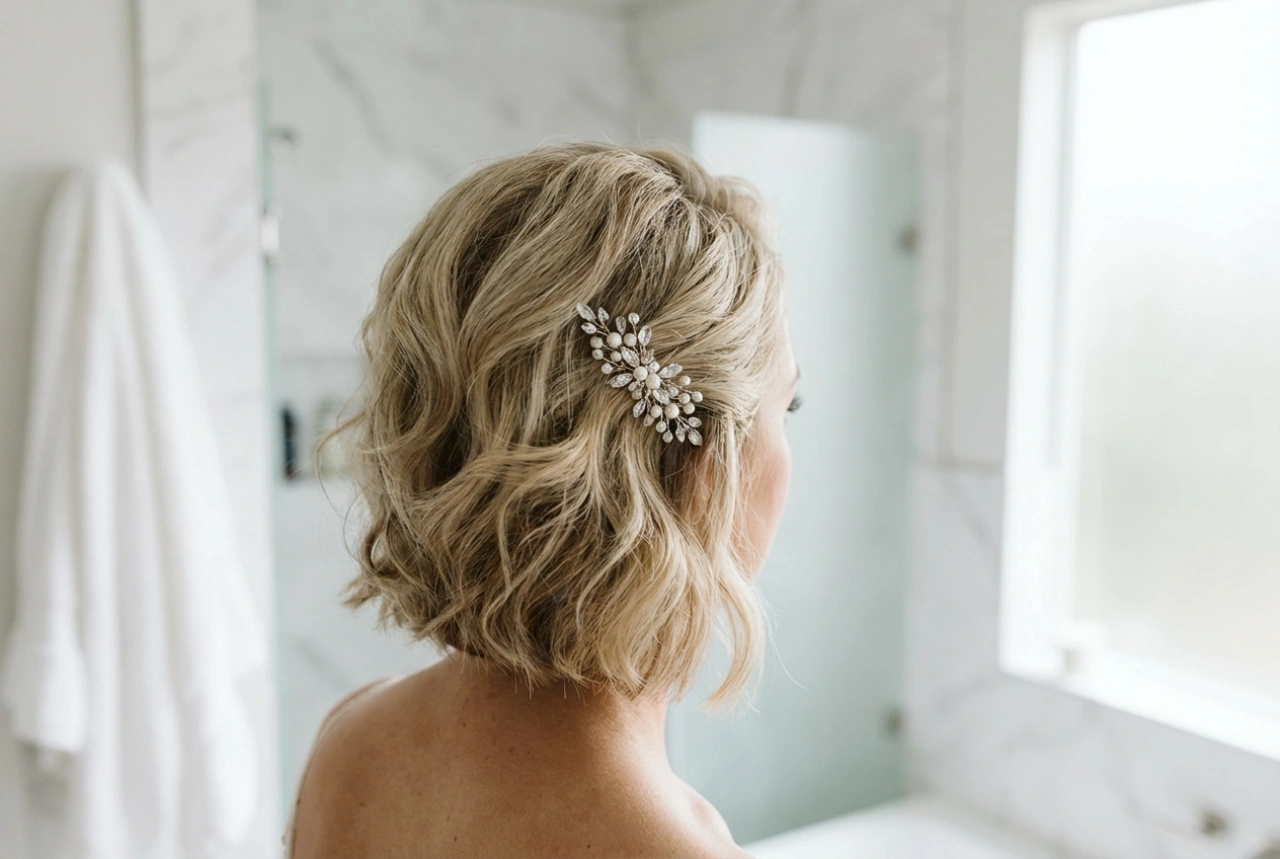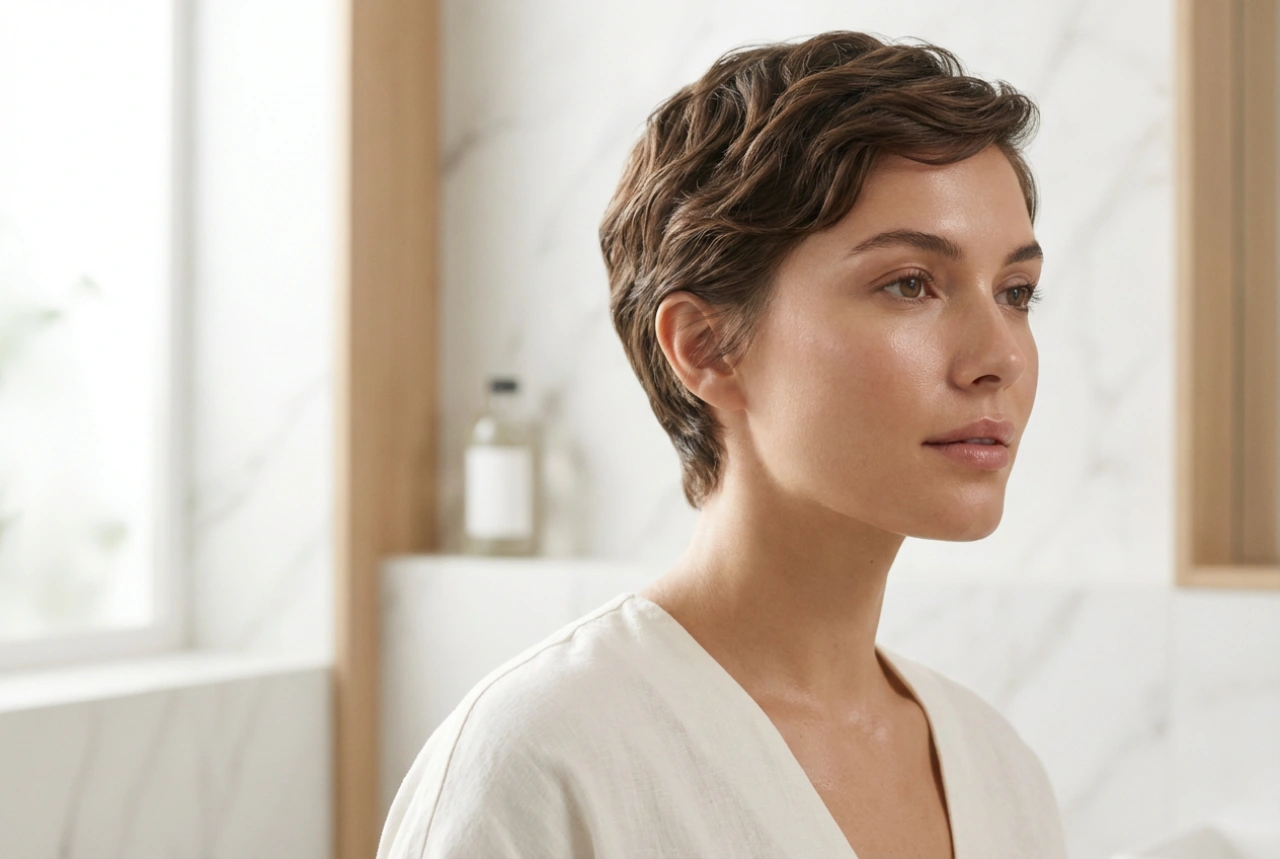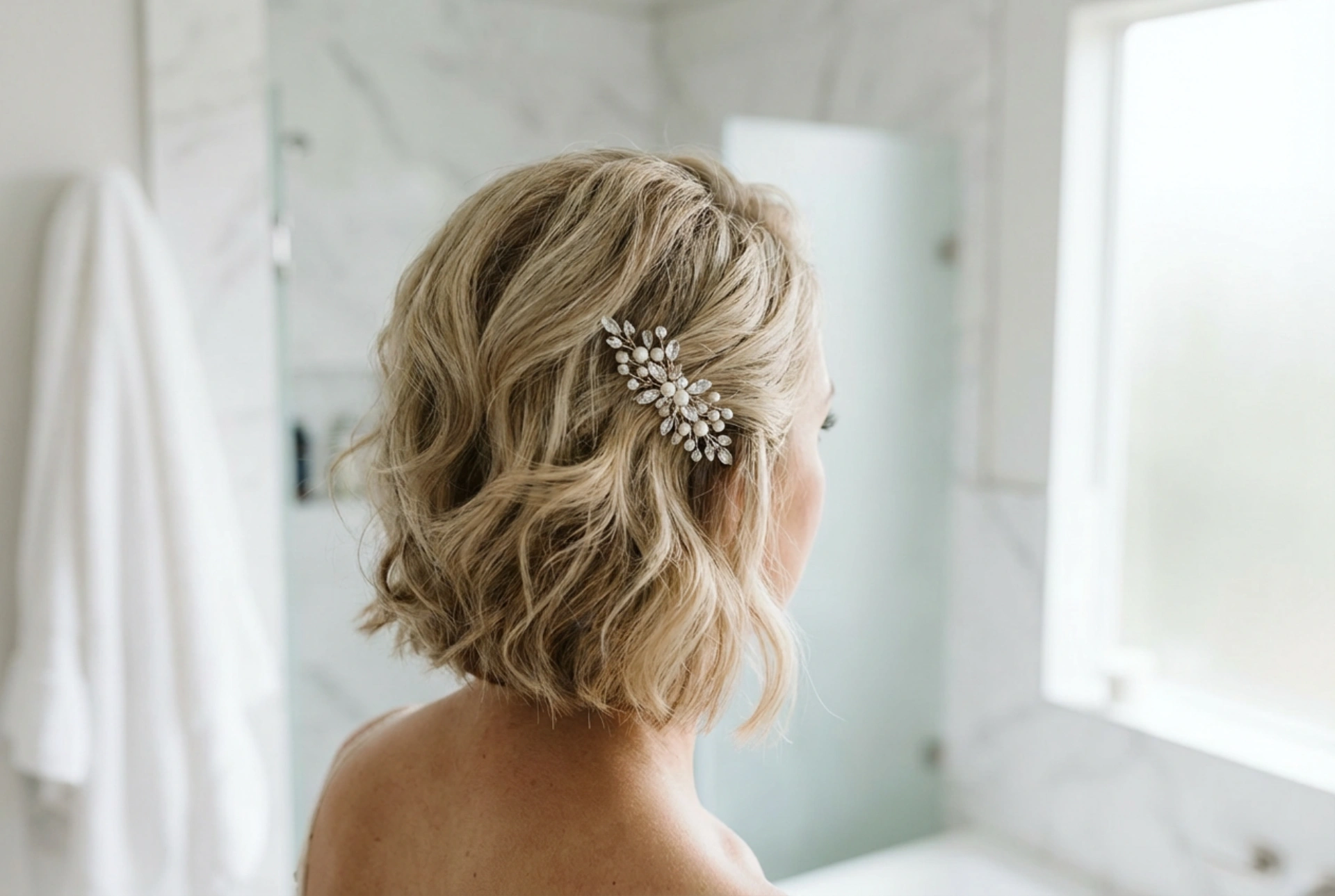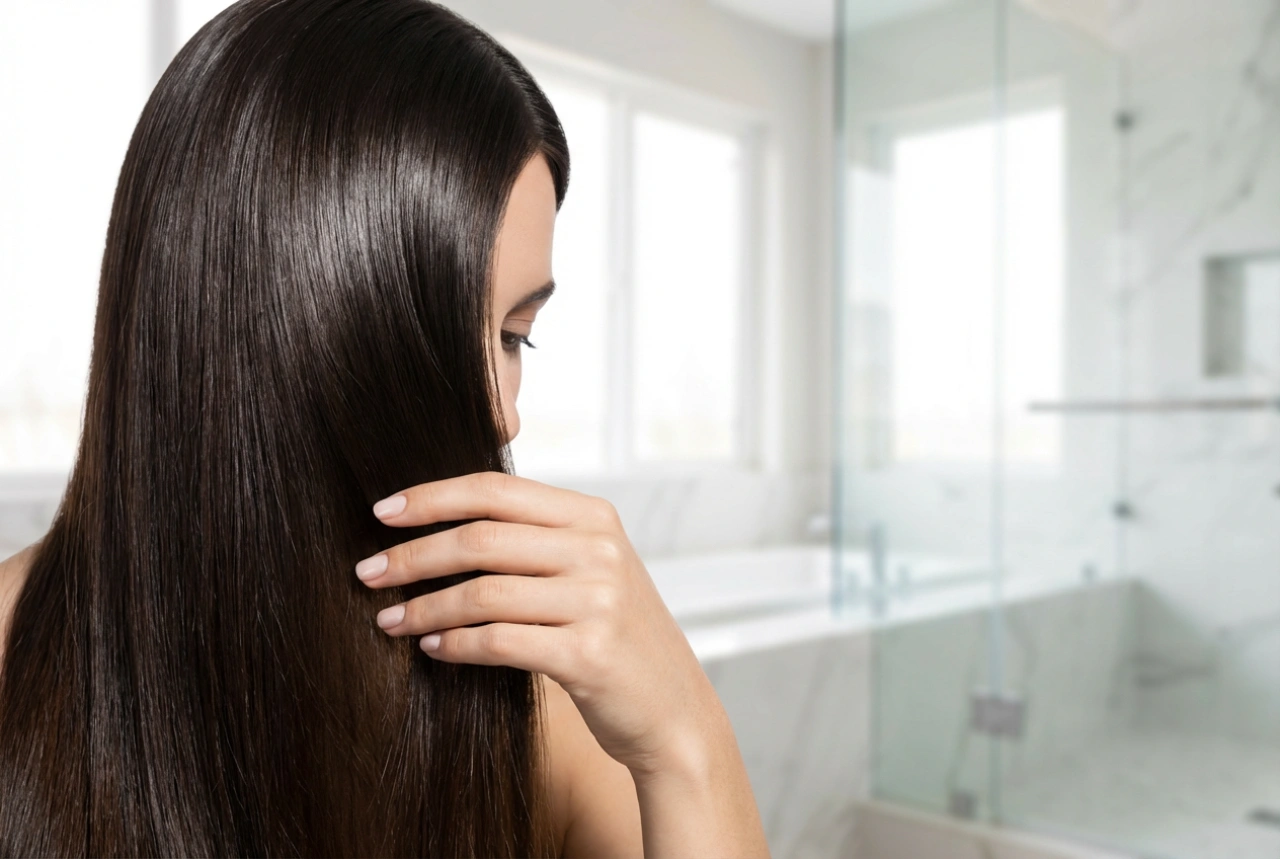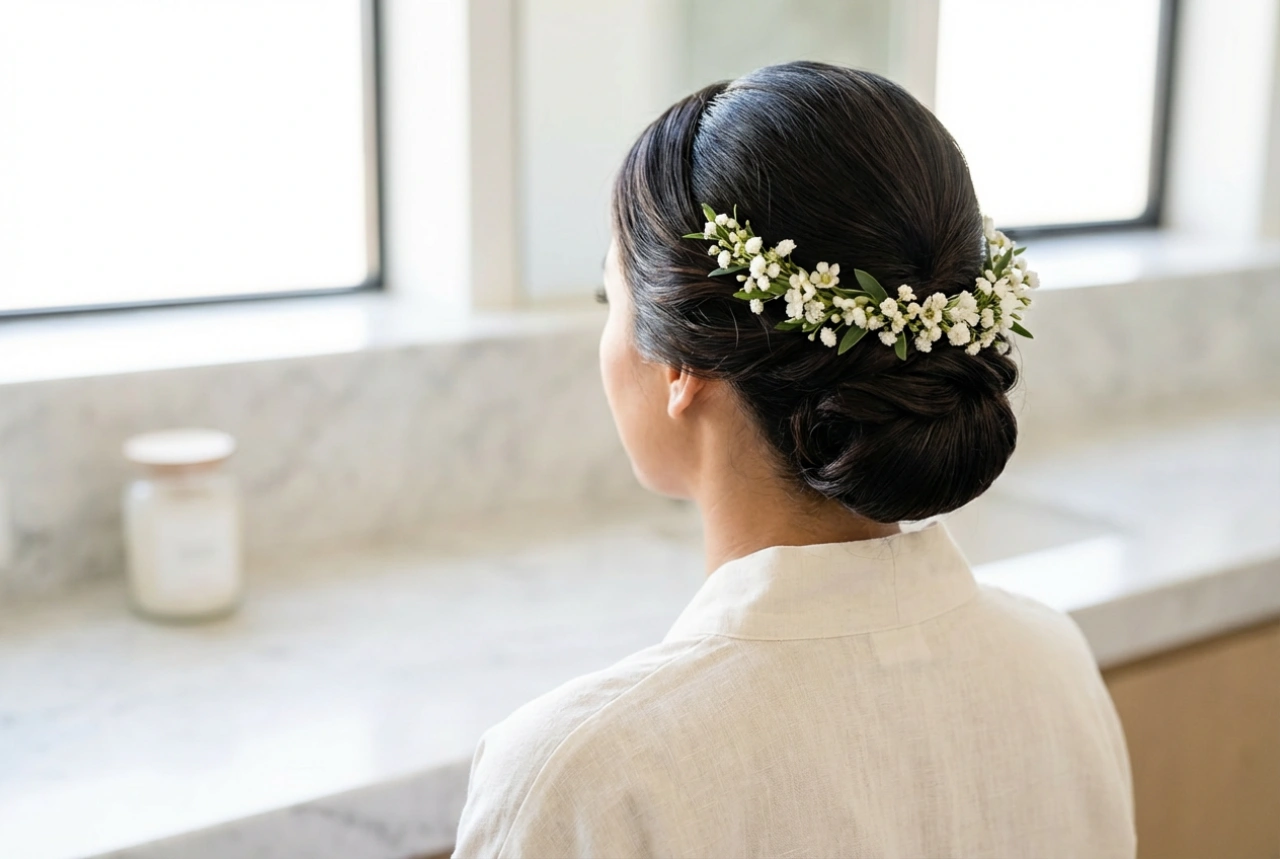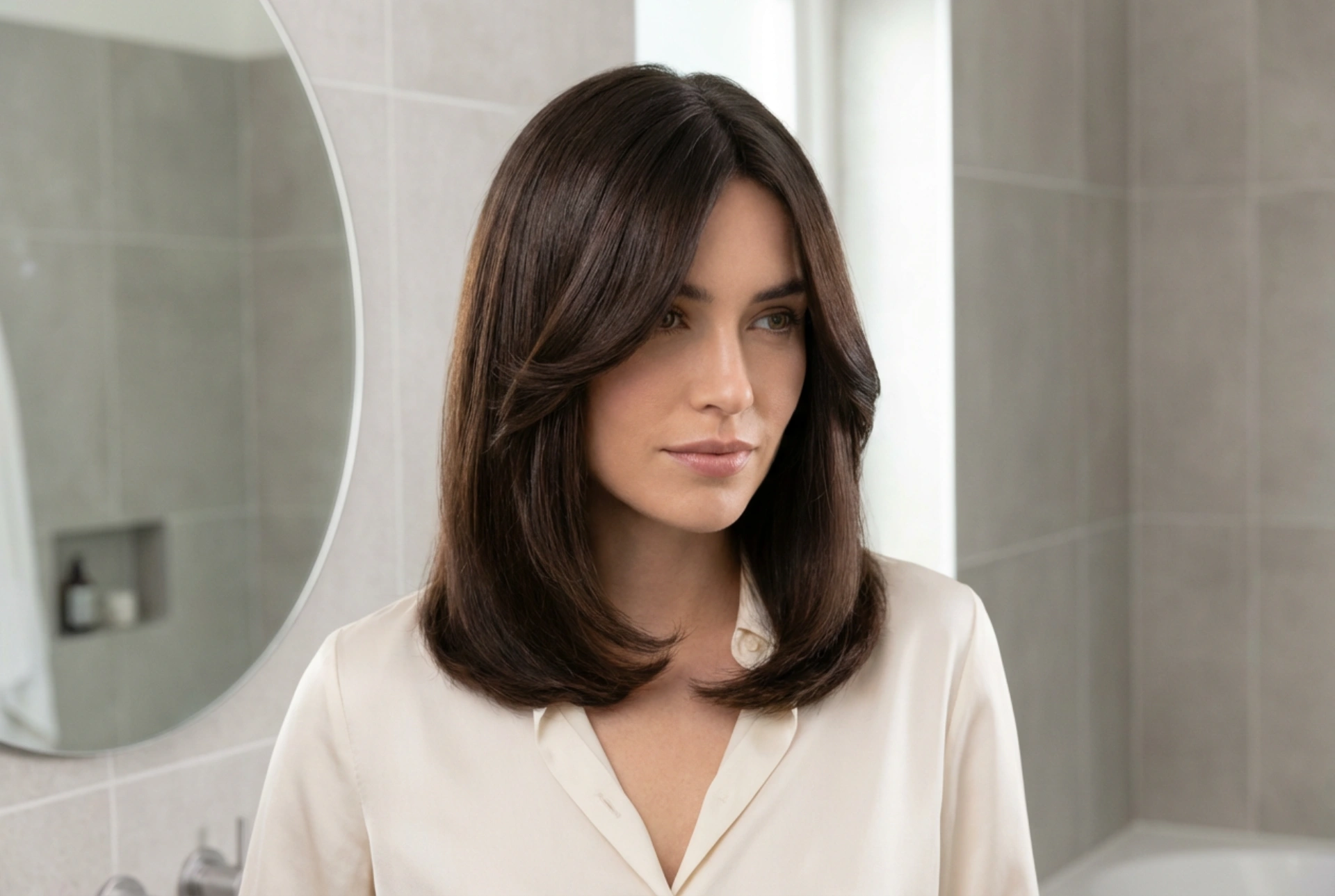


The contemporary pageboy haircut is making a remarkable comeback in modern beauty, offering a sophisticated blend of retro charm and sleek, minimalist elegance. Characterised by its smooth, voluminous flip and clean, geometric lines, this classic cut beautifully frames the face, making it a versatile option for anyone seeking a structured yet soft look. When expertly styled, the hair displays a healthy, glossy sheen that accentuates the refined texture of the cut. Whether you are transitioning from a classic bob or looking for a complete hair transformation, understanding the nuances of the modern pageboy can help you achieve a polished, salon-like finish right at home.
The Evolution of the Classic Pageboy
Originally inspired by historical portraits, the pageboy haircut gained mainstream popularity in the mid-20th century. Over the decades, it has evolved from a rigid, highly structured style into a much more fluid, wearable look. Today's pageboy retains the signature rounded silhouette and inward-facing ends but incorporates modern texturising techniques to prevent the hair from looking too heavy or dated. This contemporary adaptation focuses on movement, natural volume, and a healthy texture, allowing the style to complement a wide range of face shapes and personal aesthetics.
Key Features of the Contemporary Pageboy
What sets the modern pageboy apart from other short-to-medium hairstyles is its unique balance of structure and softness. Key characteristics of this timeless cut include:
- The Smooth Flip: Unlike a traditional bob which may fall completely straight, the pageboy features ends that are gently curled inwards towards the jawline or neck, creating a soft, framing effect.
- Crown Volume: Achieving natural lift at the roots is essential to keep the shape balanced and dynamic, avoiding a flat or lifeless appearance.
- Precision Bangs: Frequently paired with a neat fringe—ranging from soft, wispy bangs to blunt, straight-across cuts—to further define the facial structure.
- High-Shine Finish: Because the cut relies on clean, continuous lines, healthy hair with a natural, reflective shine is paramount to highlighting the precision of the style.
Suitability for Different Hair Types
The pageboy works exceptionally well on fine to medium hair, as these hair types easily hold the rounded shape and respond well to blow-drying. For those with thicker hair, subtle interior layering can be introduced to remove excess weight, ensuring the flip remains bouncy rather than bulky. Even naturally wavy hair can adopt a relaxed version of this cut, offering a softer, more textured interpretation of the classic silhouette.
Adapting the Pageboy to Your Face Shape
One of the reasons the contemporary pageboy is so highly regarded is its adaptability. A professional stylist can easily customise the length and weight of the cut to flatter your unique facial features. For instance, if you have a round face, opting for a slightly longer pageboy that ends just below the chin can create a lengthening effect. For oval or heart-shaped faces, a classic jaw-length cut with a soft, face-framing fringe works beautifully to highlight the cheekbones and eyes.
Square jawlines can also benefit from this style; by ensuring the inward flip is soft and starting the curve slightly higher or lower than the jaw, the cut can beautifully soften stronger angles. The key lies in discussing your natural hair texture and face shape with your stylist to find the perfect length and degree of graduation for your personal look.
How to Style the Modern Pageboy at Home
Achieving a smooth, voluminous pageboy does not require daily professional styling. With the right tools and a gentle technique, you can easily replicate this elegant look at home. Follow these simple steps to style your pageboy:
First, start with clean, damp hair. Apply a lightweight volumising mousse or a heat-protecting spray evenly through the lengths to protect your strands and build a supportive foundation for the style.
Next, section your hair. Working in small, manageable sections allows for greater control. Using a medium-sized ceramic round brush and a hairdryer fitted with a concentrator nozzle, begin drying from the bottom sections up. Place the brush underneath the hair at the roots, pulling upwards to create lift, and then glide down to the ends, rolling the brush inwards to create that signature smooth flip.
Finally, once the hair is completely dry, use a minimal amount of lightweight hair oil or smoothing serum on the palms of your hands. Gently smooth over the surface of the hair to tame any flyaways and boost overall shine. A light mist of flexible-hold hairspray will ensure the shape remains intact throughout the day without making the hair stiff.
Selecting the Right Styling Tools
To achieve that perfectly smooth, voluminous flip, the tools you use are just as important as your technique. A high-quality round brush with natural boar bristles is ideal, as it helps distribute the hair's natural oils from root to tip, enhancing shine while providing excellent tension for smoothing. If you prefer using a heated styling tool, a round hot brush or a straightener with curved edges can also be used to gently turn the ends under, provided a heat-protecting formula has been thoroughly applied beforehand to prevent thermal damage.
Essential Care for a Polished Look
Because the beauty of the pageboy lies in its sleek lines and reflective texture, maintaining the overall health of your hair is crucial. Incorporating weekly nourishing hair masks can help replenish moisture, keeping the hair cuticles flat and smooth. Regularly trimming your hair every six to eight weeks is also recommended to preserve the precise shape of the cut and prevent split ends from disrupting the clean, flipped outline. Minimising high-heat styling and always using a heat protectant will further safeguard your hair's natural vitality, ensuring your contemporary pageboy remains a stunning, glossy statement of effortless style.