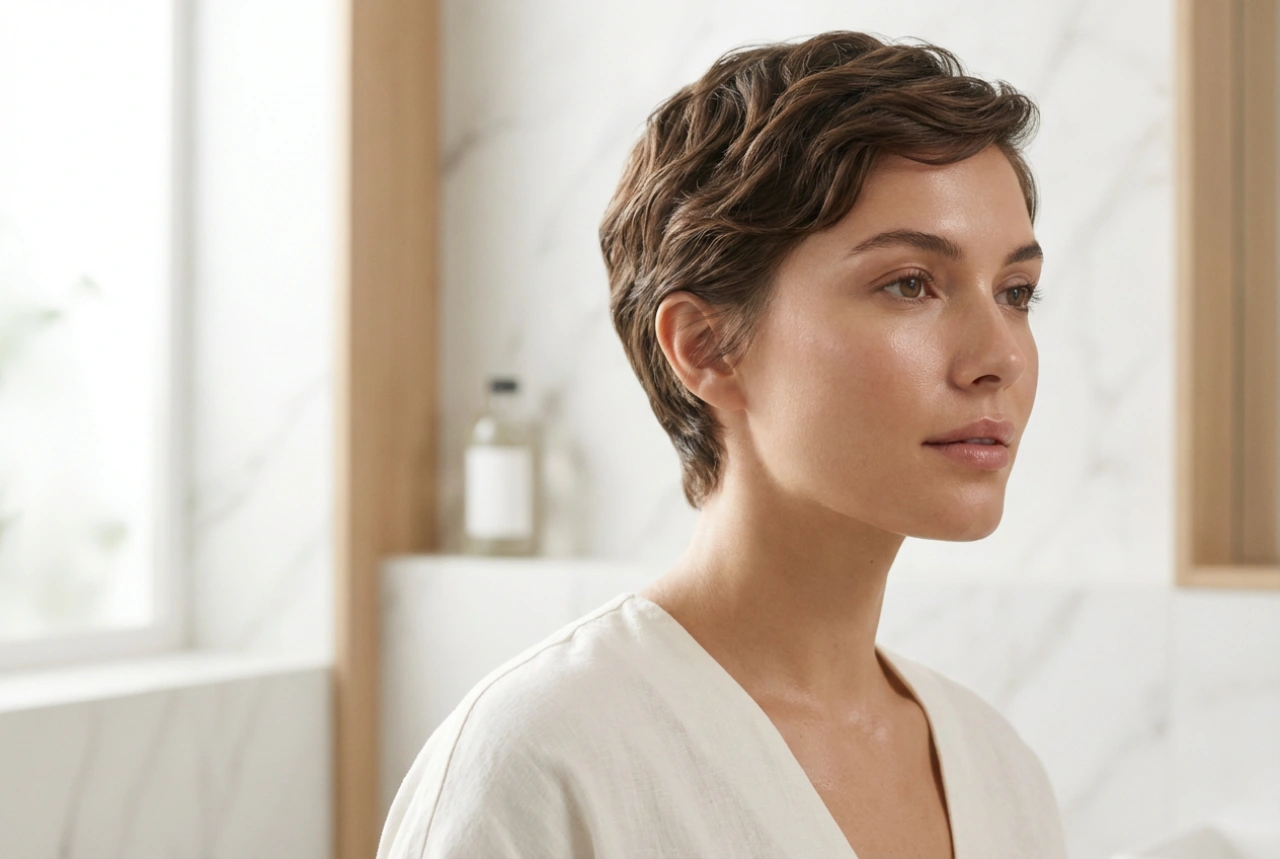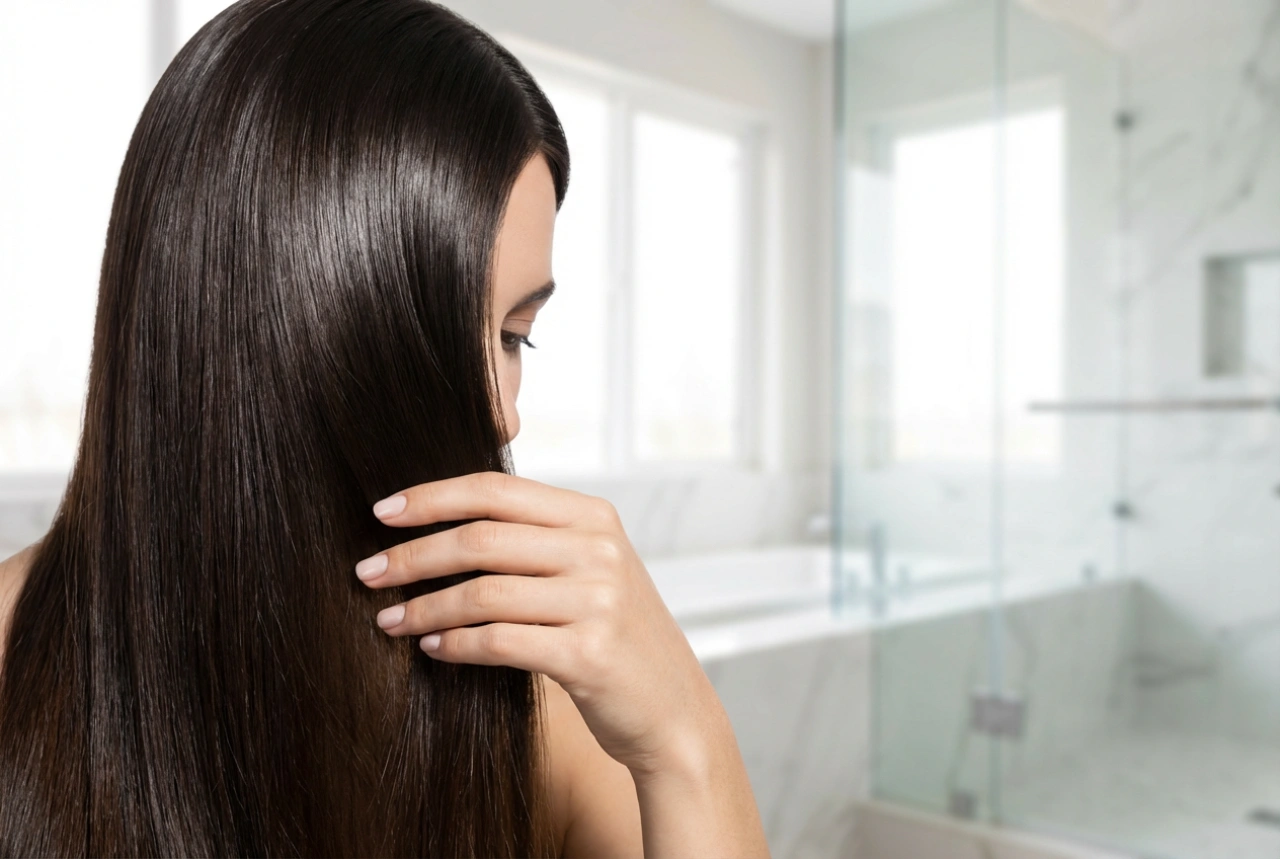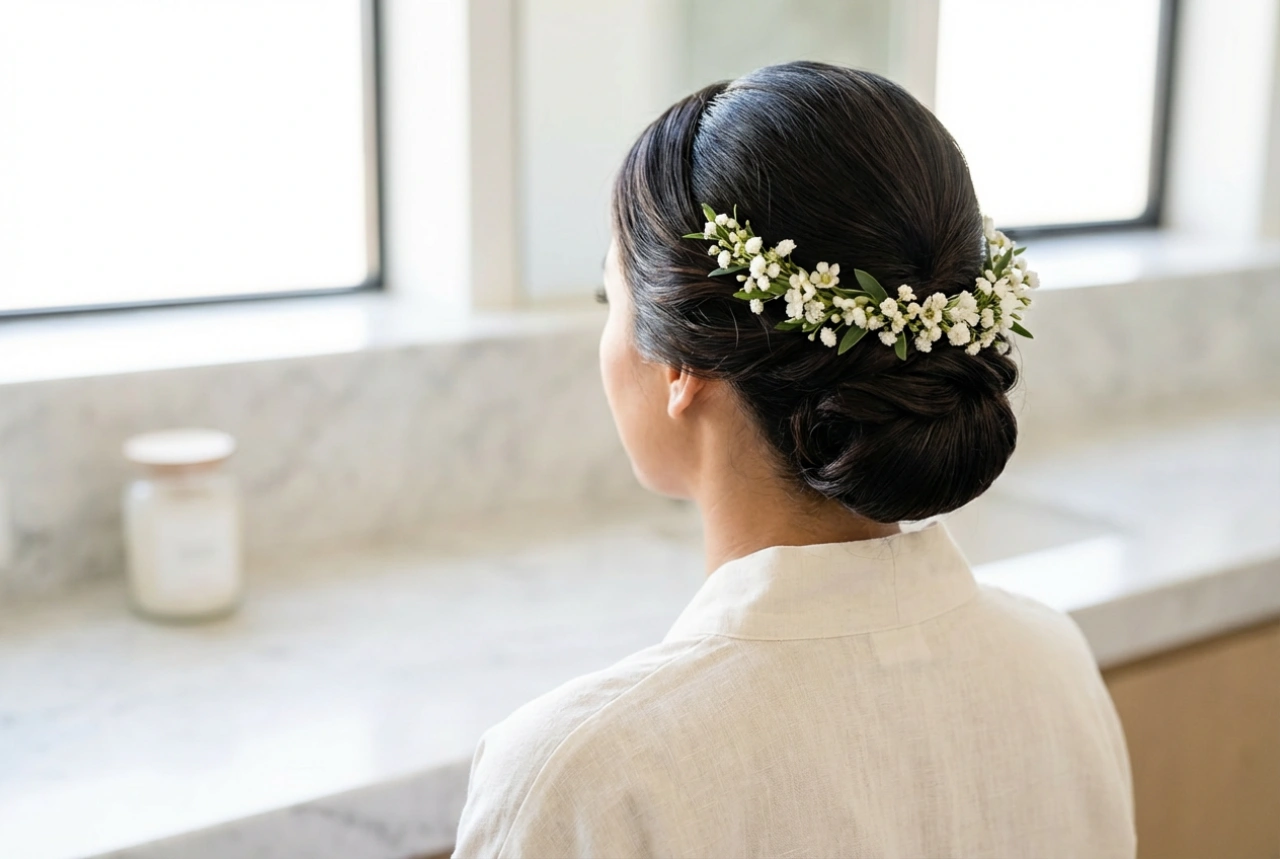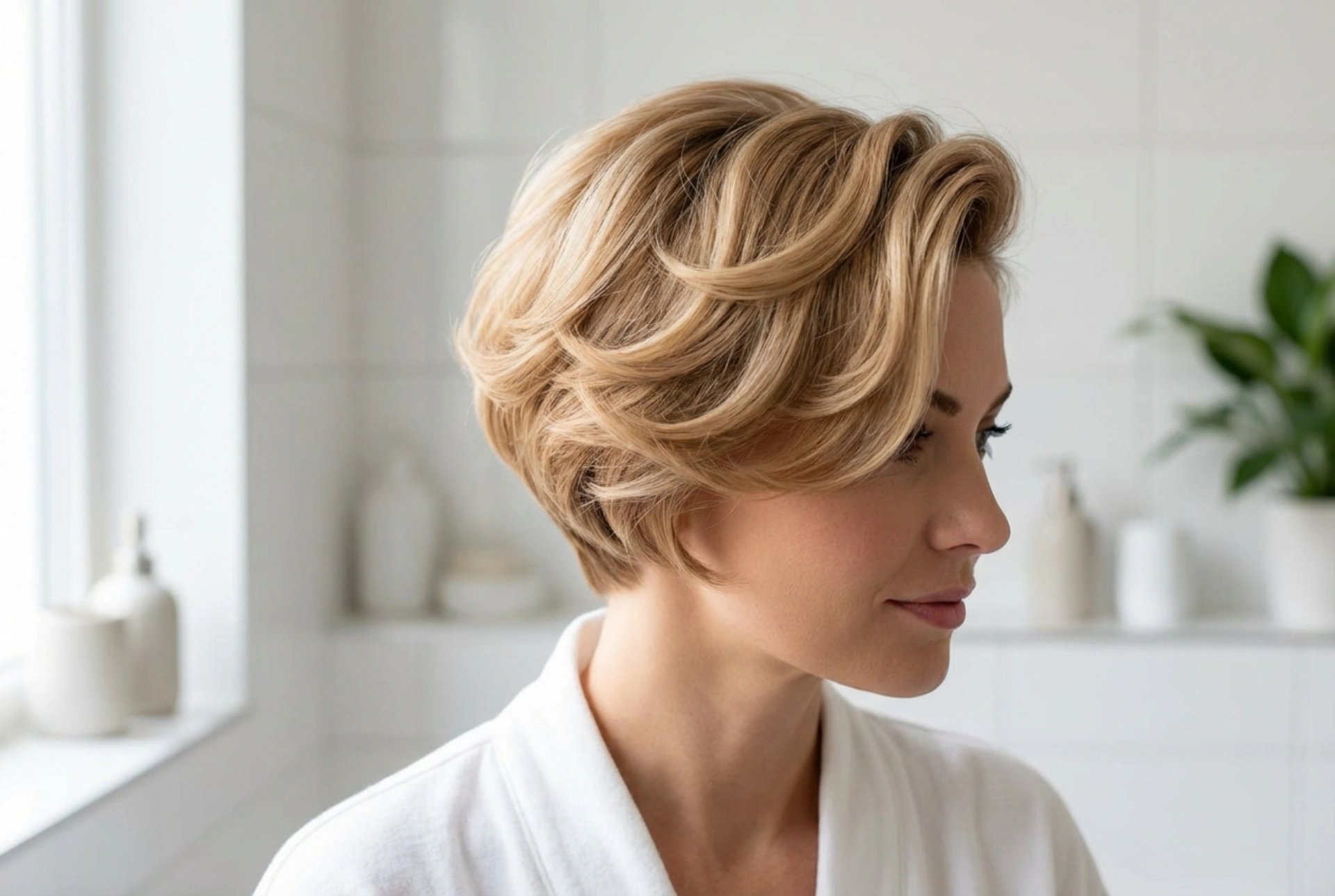


The fashion and beauty trends of the 1960s continue to serve as a rich source of inspiration for modern styling. Among the most iconic looks of this era are short hairstyles, which challenged traditional ideas of femininity and introduced a bold, sculptural aesthetic. Today, the classic 1960s pixie cut, characterised by elegant volume and strategic parting, remains a symbol of sophisticated charm. When beautifully sculpted and captured in soft, natural light, this hairstyle highlights the delicate features of the face, offering a timeless look that is both practical for daily wear and exceptionally elegant for special occasions.
The Evolution of the 1960s Pixie Cut
The 1960s marked a revolutionary shift in women's hair fashion. Moving away from the highly elaborate and stiff updos of the previous decade, women embraced shorter, more liberating cuts. The pixie cut became the hallmark of this transition. It was not merely a short haircut; it was a carefully structured shape that played with geometry and texture.
A classic 1960s pixie is distinguished by its clean lines around the ears and nape of the neck, contrasted with longer, more versatile sections on top. Unlike modern, highly textured shags, the retro pixie relies on smoother transitions and a defined silhouette. This structure allows the hair to fall into a perfect shape, framing the cheekbones and eyes. The elegance of this cut lies in its simplicity and the precision of its form, making it a perfect choice for those who appreciate low-maintenance yet highly impactful styling.
Mastering the Retro Volume at Home
Volume is the defining element of any 1960s-inspired hairstyle. Even with short hair, achieving a gentle lift at the roots is essential to capturing the authentic retro aesthetic. To create this iconic volume without compromising the health of your hair, a few simple styling techniques can be applied during your regular home care routine.
- The Right Blow-Drying Technique: Start with damp hair. Apply a lightweight styling mousse or root-lifting spray evenly throughout. Using a small round brush or a vent brush, lift the hair upwards and backwards from the roots while directing the airflow of the hairdryer from underneath. This creates a natural, long-lasting lift.
- Gentle Backcombing (Teasing): To get that authentic sixties height at the crown, take small sections of hair and gently backcomb them near the roots using a fine-toothed comb. Be careful to work gently to avoid damaging the hair cuticle. Smooth the top layer of hair over the teased sections to create a flawless, rounded finish.
- Setting the Shape: Once the volume is achieved, use a light-hold hairspray to lock the shape in place without making the hair stiff. The goal is to maintain natural movement and a soft texture that catches the light beautifully.
The Power of the Parting: Changing Your Look Instantly
One of the most versatile features of the short 1960s hairstyle is the parting. A simple shift in how you part your hair can completely transform the overall vibe of the haircut, allowing you to transition from a casual daytime look to a polished evening style.
The Deep Side Parting
A deep side parting is perhaps the most dramatic and classic option for a 1960s pixie. By parting the hair far to one side, you create a sweeping fringe that drapes elegantly across the forehead. This style adds asymmetry and intrigue, drawing attention to the eyes. It works exceptionally well when paired with smooth, polished styling and a touch of shine spray to highlight the hair's natural texture.
The Balanced Centre Parting
While less common in the early sixties, a central parting gained popularity towards the end of the decade. For a short haircut, a centre parting offers a more balanced, symmetrical frame for the face. It delivers a slightly more relaxed, bohemian feel while still maintaining the structured elegance of the short cut.
The Soft, Undefined Parting
For a softer, more modern interpretation, you can opt for an undefined or messy parting. This style relies on the natural movement of the hair, allowing it to fall freely. It is perfect for casual days when you want to showcase the texture and layered volume of your pixie cut without a rigid structure.
Styling Tools and Accessories for the Perfect Retro Finish
While the cut itself does most of the work, using the right tools can elevate your retro styling to professional standards at home. Since 1960s hair is all about smooth textures and deliberate shapes, investing in a high-quality hairdryer with a nozzle concentrator is highly beneficial. The concentrator allows you to direct the airflow precisely, smoothing down the hair cuticle and reducing frizz as you style.
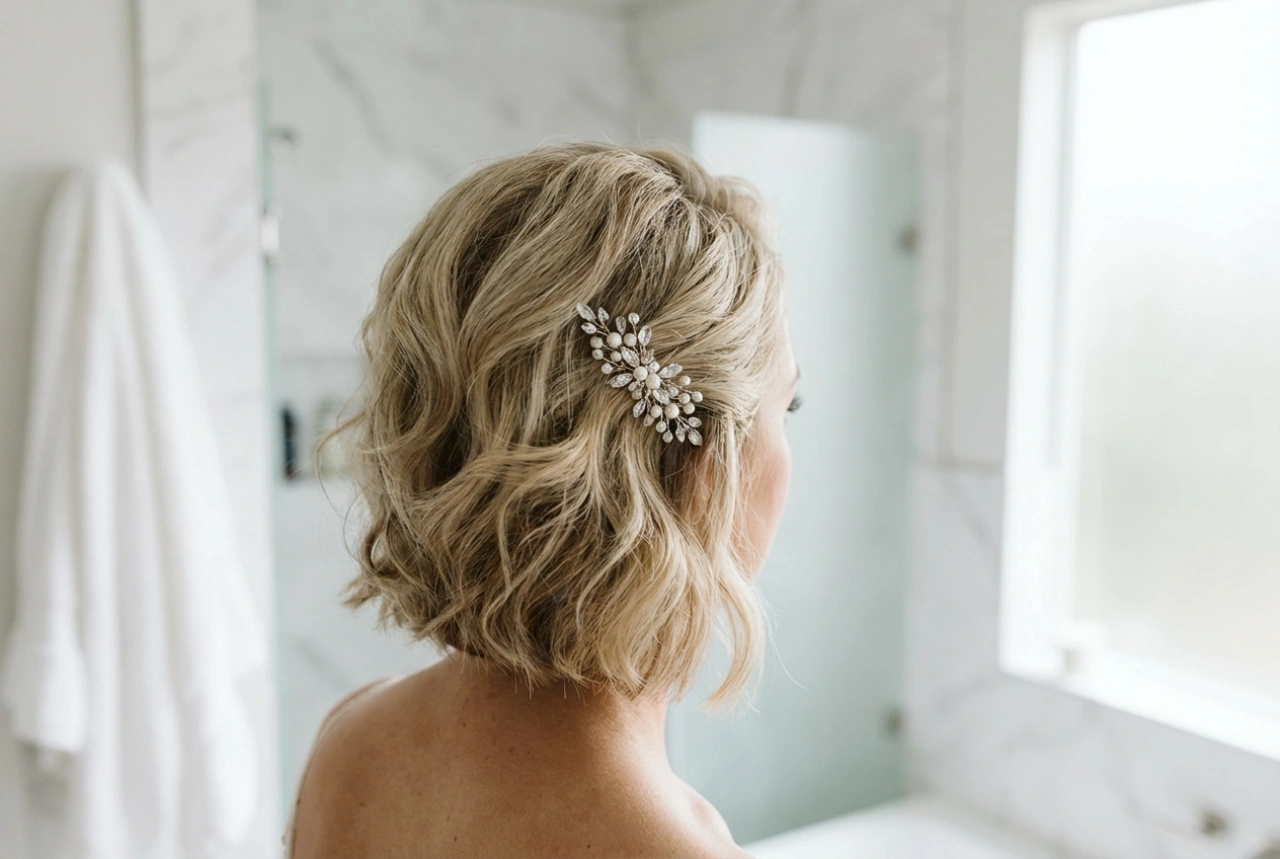
In addition to brushes and hairdryers, you can experiment with classic accessories that were popular during the era. A simple, wide headband placed just behind the volume of the crown can instantly enhance the vintage feel of your short pixie. Alternatively, delicate hairpins can be used to secure a deep side parting, adding both a functional and decorative touch to your daily look. When choosing accessories, opt for clean lines and solid colours to keep the focus on the elegant shape of your hair.
Essential Home Care for Sculpted Short Hair
To keep a structured short haircut looking its best, consistent home care is key. Short hair tends to show product build-up and dry ends more quickly than longer hair, making a balanced routine essential for maintaining shine and manageability.
Firstly, focus on scalp health and gentle cleansing. Use a clarifying shampoo once a week to remove any residue from styling products, followed by a lightweight, hydrating conditioner applied only to the ends of the hair. This ensures that the roots remain light and bouncy, which is crucial for maintaining that signature 60s volume.
Secondly, incorporate a nourishing hair oil or serum into your routine. Applying a tiny drop to the tips of your hair after styling will add a healthy sheen and prevent the ends from looking dry or frayed. Finally, regular trims every six to eight weeks are highly recommended to preserve the precise geometric shape of the pixie cut and keep it looking fresh and elegant.