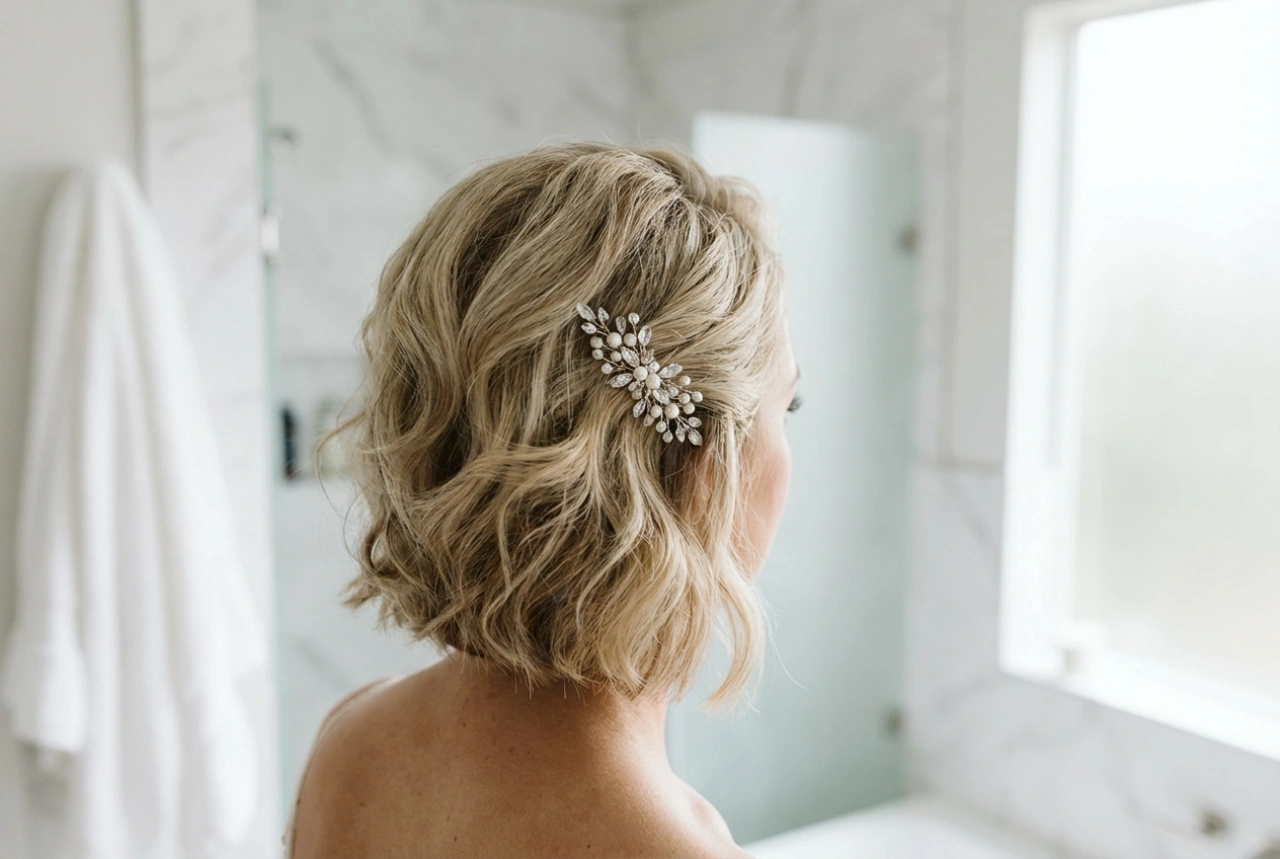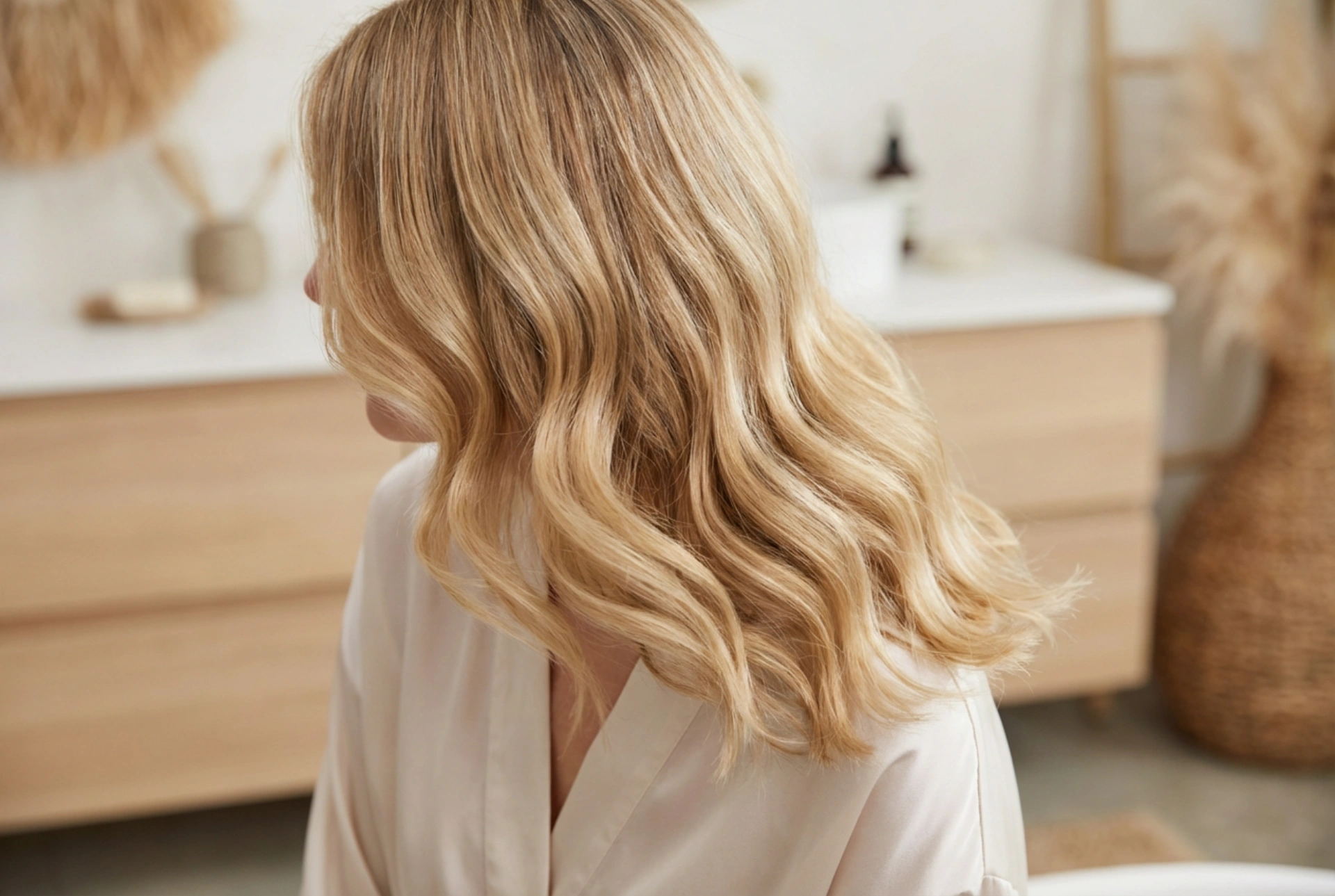


Beautifully defined shoulder-length wavy hair possesses a unique charm, blending natural movement with a soft, elegant sheen. Waves have their own personality, often falling somewhere between straight and curly, which makes them both versatile and occasionally challenging to manage. To truly capture the effortless beauty of wavy hair, it is essential to understand how the right haircut, drying method, and hold-enhancing techniques work together to create a lasting, chic look.
The Art of the Cut: Shaping Wavy Hair
The foundation of any great wavy hairstyle lies in the hands of the stylist. Unlike straight hair, which falls uniformly, wavy hair expands and shrinks depending on how it is layered and texturised. A poor cut can lead to the dreaded "triangle head" shape, where the bottom of the hair is wide and heavy while the top lies flat.
The Shoulder-Length Lob
A shoulder-length cut, often referred to as a lob, is one of the most flattering shapes for wavy patterns. This length provides enough weight to prevent the hair from becoming overly puffy, yet it is light enough to allow natural waves to bounce and define themselves. Gently angled layers around the face can soften the features and add a modern touch.
Strategic Layering
To avoid a bulky silhouette, subtle internal layers are highly recommended. Long layers help distribute the volume evenly throughout the hair, encouraging the natural wave pattern to emerge. Slide-cutting or texturising the ends can also remove excess weight, allowing the waves to curl upward naturally instead of being pulled down by gravity.
Gentle Drying Techniques for Maximum Definition
How you dry your hair plays a pivotal role in how your waves will hold throughout the day. Wavy hair is naturally prone to frizz, as the cuticle tends to be slightly raised. Therefore, the drying process must be gentle and deliberate.
- Plopping with a Microfibre Towel: After washing and applying styling products, "plopping" is an excellent technique. This involves laying a microfibre towel or a cotton T-shirt flat, flipping your hair forward, and wrapping it on top of your head. This absorbs excess moisture without disrupting the wave pattern or causing friction.
- The Power of the Diffuser: If you prefer blow drying, always use a diffuser attachment on a low heat and low speed setting. Tilt your head to the side or upside down, cupping sections of your waves in the diffuser bowl and pressing them gently towards the scalp. Avoid touching your hair with your hands while drying to prevent frizz.
- Air Drying: For an effortless, lived-in look, air drying is ideal. Apply your products to soaking wet hair, gently scrunch out the excess water with a soft towel, and let nature do the rest. Resist the urge to brush or touch the hair as it dries.
Defining and Locking in the Waves
Keeping waves defined without making them feel stiff or crunchy requires the right balance of moisture and hold. Because waves are lighter than tight curls, heavy oils and thick creams can easily weigh them down, making them look flat and greasy.
Choosing Light Stylers
Opt for lightweight styling foams, mousses, or liquid-gel formulas. These products provide the necessary structure to keep the wave pattern intact while maintaining natural movement. Apply these stylers to damp hair using the "praying hands" technique—smoothing the product down the hair strands—followed by gentle scrunching from the ends up to the roots.
Breaking the Cast
If your styling gel leaves a hard, shiny layer (known as a "cast") once dry, do not panic. This cast actually protects the waves during the drying process. Once the hair is one hundred per cent dry, simply scrunch the hair gently with bare, dry hands to break the cast. This reveals soft, bouncy, and touchable waves that hold their shape.
Nourishing the Wave Pattern: Hair Health and Hydration
Healthy waves start from within. Hair that is well-hydrated naturally forms more cohesive, beautiful waves with a radiant sheen. Since wavy hair can occasionally suffer from dryness, incorporating light conditioning treatments into your weekly routine is beneficial.
Balanced Moisture
When washing, use a lightweight, hydrating shampoo and conditioner. Focus the conditioner on the mid-lengths and ends to avoid weighing down the roots. A weekly lightweight hair mask can also help restore moisture balance, ensuring your waves remain soft, elastic, and resistant to environmental humidity.
Maintaining Your Waves Between Washes
The journey to gorgeous waves does not end on wash day. Maintaining the definition and shine over the subsequent days is key to an effortless beauty routine.
To protect your waves overnight, consider sleeping on a silk or satin pillowcase. This reduces friction, preventing frizz and tangles while you sleep. Alternatively, you can loosely gather your hair at the very top of your head in a "pineapple" style using a soft scrunchie.
On non-wash days, you can easily refresh your waves. Spritz your hair lightly with water or a dedicated refreshing spray, then gently scrunch to reactivate the styling products already in your hair. If certain sections have gone flat, wrap them around your finger for a few seconds to encourage the wave to reform.