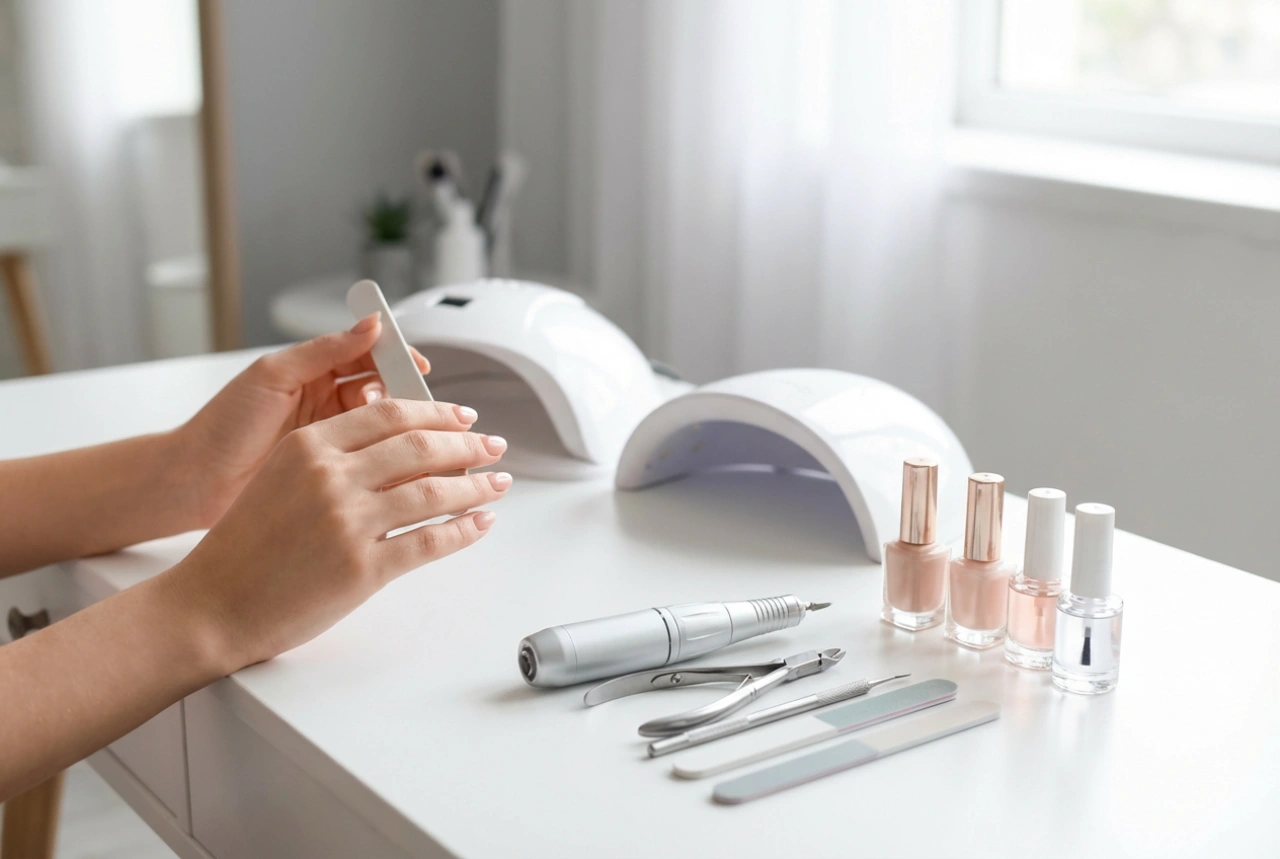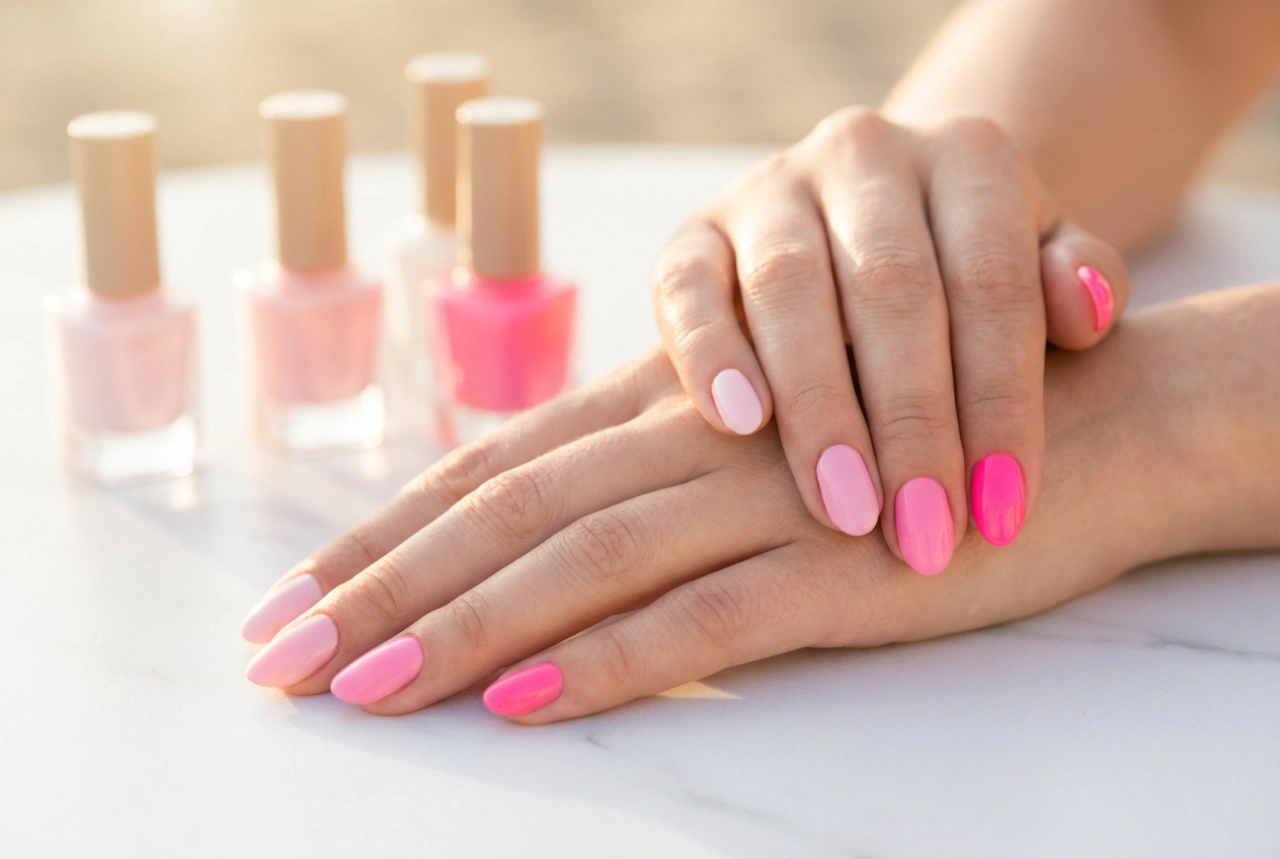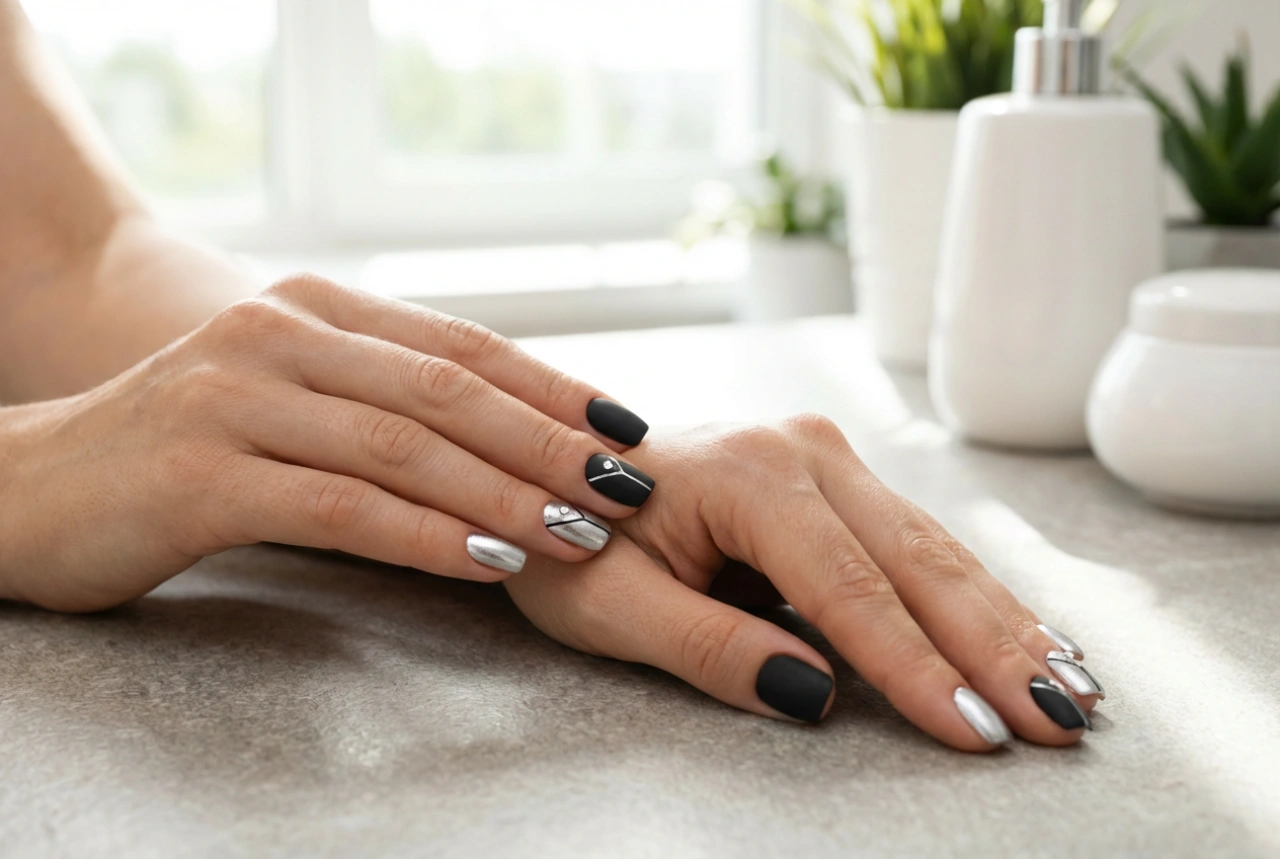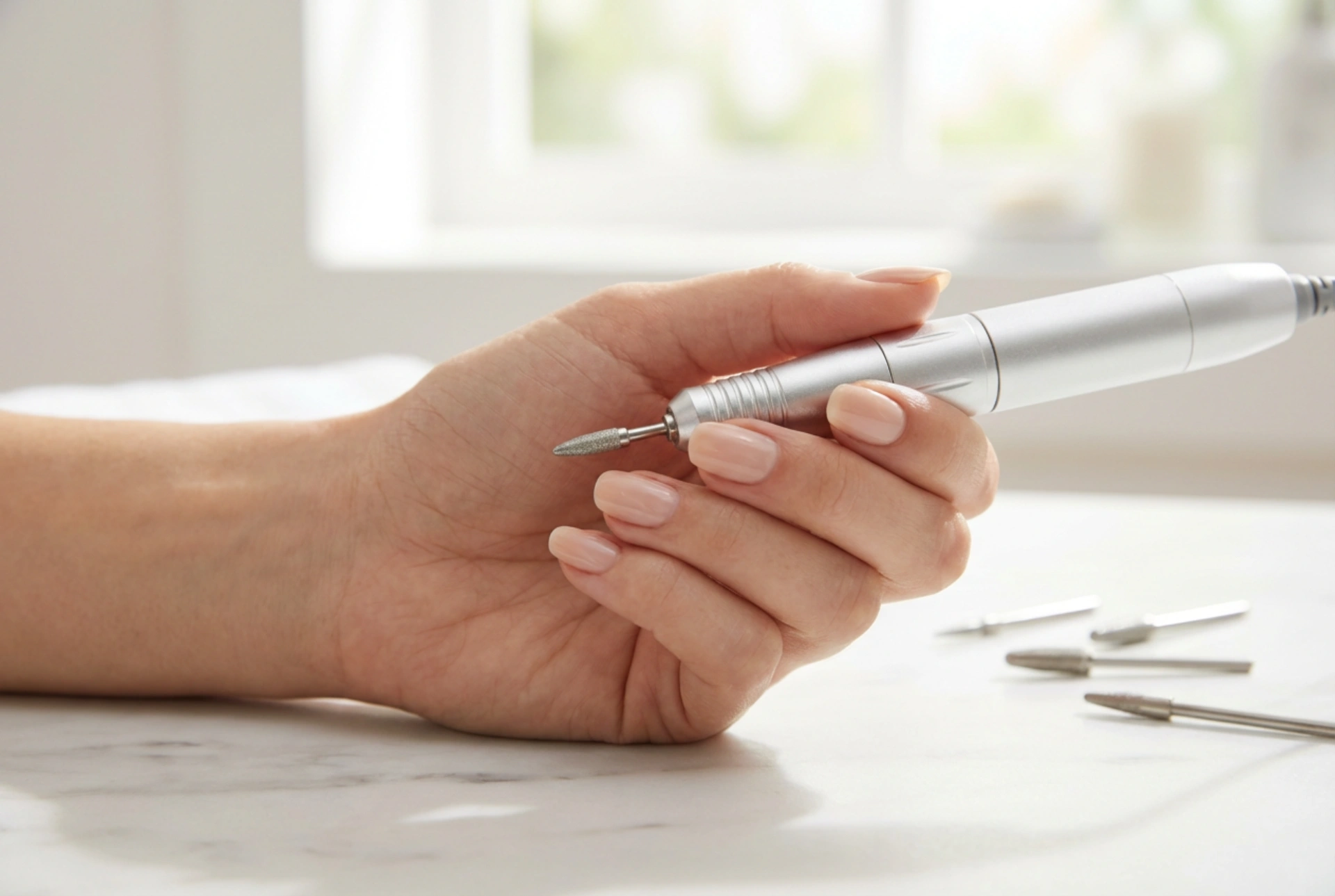


An elegant, well-groomed hand with subtle nails immediately conveys a sense of meticulous personal care. Achieving clean cuticles and perfectly shaped nail plates at home has become highly accessible thanks to modern tools. A sleek electric nail file, or nail drill, is an incredibly efficient device that can elevate your manicure routine when used with the correct technique. In soft, natural light, using refined tools with precision can turn routine nail care into a soothing, mindful ritual. Understanding how to handle this tool safely ensures that your natural nails remain strong, healthy, and beautiful without unnecessary damage.
Choosing the Right Bits for Cuticles and Nails
The key to a successful and safe manicure with an electric nail file lies in selecting the appropriate bits, often referred to as cutters. Different shapes and materials serve specific purposes, and using the wrong one can easily damage the delicate nail plate or the surrounding skin. For safe home use, it is best to stick to gentle, high-quality materials and understand their unique functions.
- Diamond Bits: These are ideal for processing the cuticle area and removing dry, dead skin. Popular shapes include the flame bit for lifting the cuticle and the ball bit for gently smoothing the surrounding skin folds.
- Ceramic Bits: Excellent for removing gel polish or smoothing thicker areas. They generate significantly less heat during operation, making them comfortable and safe for beginners to handle.
- Silicone Polishers: Perfect for the final step of the manicure, providing a beautiful shine to the nail plate and gently softening the skin around the nail for a refined finish.
Understanding Rotational Directions: Forward and Reverse
One of the most common mistakes when starting with an electric nail file is ignoring the direction of the rotation. Most modern devices feature two settings: Forward (FWD) and Reverse (REV). Using the correct setting depending on which hand you are working on is vital for maintaining complete control over the tool.
As a golden rule, you should always move the drill bit in the opposite direction to which it is spinning. This creates resistance, allowing you to guide the tool smoothly along the cuticle line. If the bit spins clockwise (Forward) and you move it in the same direction, it can easily slide or skate across the nail, causing accidental slips. For right-handed users, use Forward when working on the left side of the nail, and switch to Reverse when working on the right side.
Step-by-Step Cuticle Preparation Technique
To achieve clean, elegant cuticles, a gentle and methodical approach is essential. Never rush the process, and always work with a steady, supported hand under soft, clear lighting to see exactly where the bit meets the skin.
First, gently push back the cuticles using a traditional wooden stick or a rounded pusher. This creates a clear boundary and prevents the drill bit from catching on the skin. Start your electric nail file at a very low speed, typically between 5,000 and 8,000 RPM. High speeds are entirely unnecessary for natural nail care and can lead to friction burns or damage to the matrix.
Move the flame bit gently under the cuticle fold, working from the centre towards the outer edge. It is vital to keep the bit parallel to the nail plate; tilting it downwards can create deep grooves in the natural nail that are difficult to buff out. Use light, sweeping motions without applying any downward pressure. Let the fine diamond grit do the work for you.
Essential Safety Rules and Device Maintenance
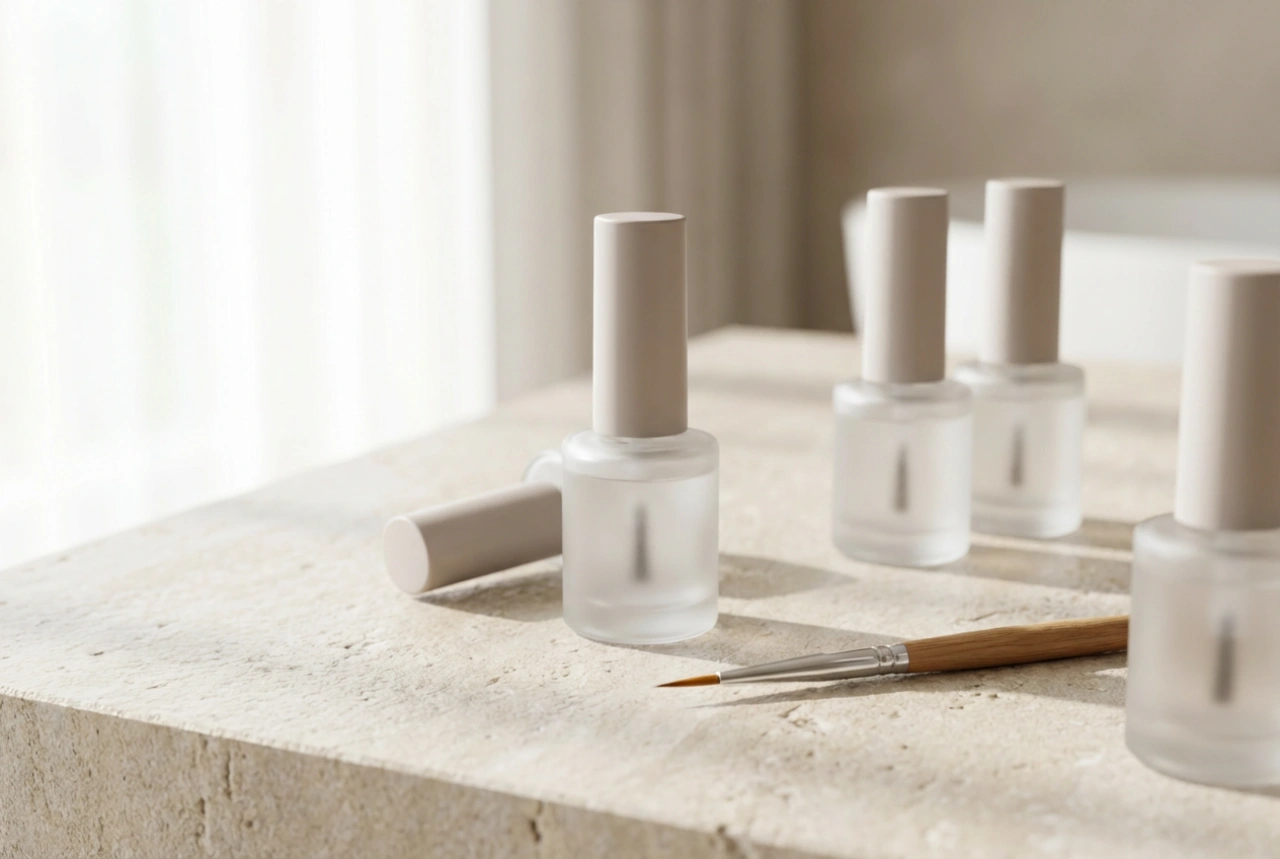
Safe operation of an electric nail file requires discipline, patience, and regular maintenance of your equipment. After every manicure, clean your bits thoroughly with a dedicated small brush to remove fine dust and skin debris. Storing them in a clean, dry, minimalist container protects them from damage, dust accumulation, and accidental drops.
Additionally, pay close attention to your body's signals. If you feel any warmth or tingling during the process, immediately lift the bit from the nail. This is a sign of excessive friction, which can be corrected by reducing the speed or moving the tool more dynamically across the surface. Practising these gentle habits guarantees a beautiful, elegant finish in the comfort of your own home, keeping your nails strong and flawless.