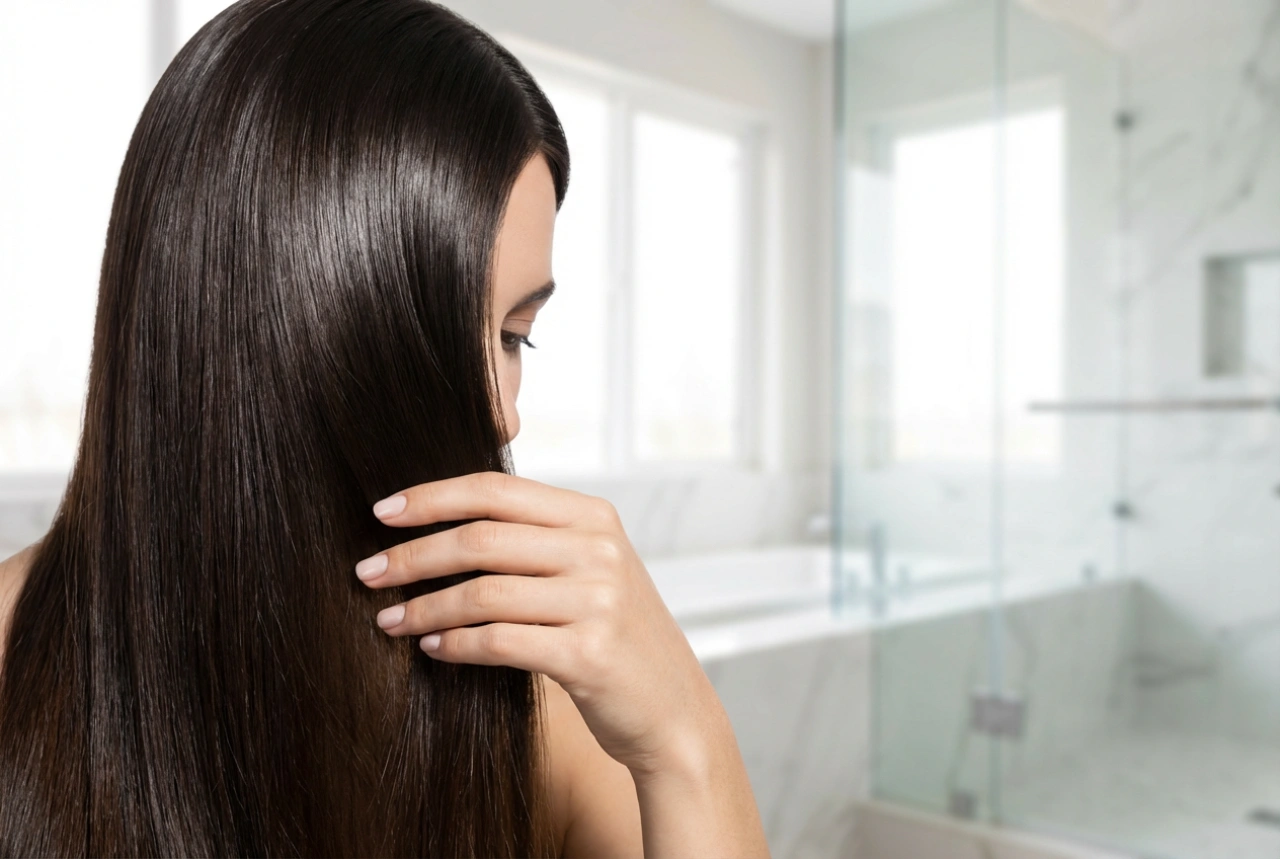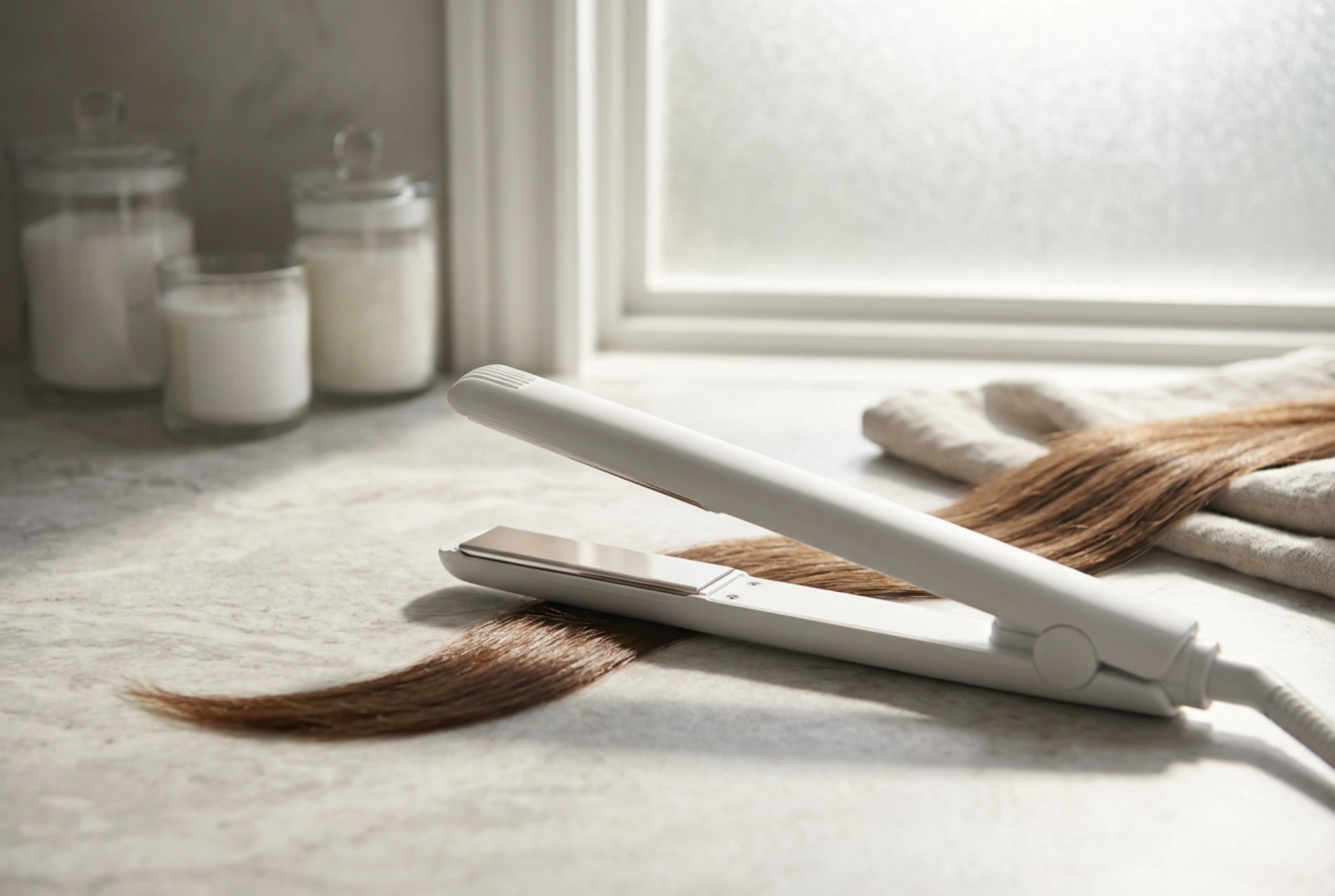


Achieving a sleek, glossy finish without compromising the health of your hair requires the right tools and a proper technique. A modern hair straightener with high-quality ceramic plates, resting on a minimalist vanity, represents more than just a styling tool—it is an investment in your daily hair care ritual. When chosen wisely and used correctly, a straightener can transform unruly strands into a smooth, polished masterpiece while preserving the hair's natural moisture and shine. Understanding what makes a straightener effective and safe is the first step toward effortless, damage-free styling.
Key Selection Criteria: Plate Materials and Technology
The plates are the heart of any hair straightener, as they come into direct contact with your delicate hair strands. Choosing the right material determines how evenly heat is distributed and how smoothly the tool glides through your hair.
- Ceramic Plates: Ideal for most hair types, especially fine or normal hair. Ceramic heats up evenly, reducing the risk of hot spots that can scorch the hair. It provides a gentle glide, minimising friction and mechanical damage.
- Tourmaline Plates: These are often infused into ceramic. Tourmaline is a semi-precious mineral that naturally emits negative ions when heated. These ions help seal the hair cuticle, locking in moisture and eliminating static frizz.
- Titanium Plates: Known for their durability and exceptionally fast heating capabilities. Titanium plates are highly efficient and hold heat extremely well, making them suitable for thick, coarse, or highly textured hair that requires consistent thermal performance.
Essential Features for Safe and Effective Styling
Beyond plate materials, several functional features can significantly impact your styling experience and the long-term health of your hair. When evaluating different models, look for the following characteristics:
Adjustable Temperature Control
A fixed heat setting is rarely suitable for everyone. Fine or chemically treated hair requires much lower temperatures (around 150°C to 170°C) to prevent damage, while thick or coarse hair may need up to 200°C to achieve a straight finish. Variable temperature controls allow you to tailor the heat to your specific hair type and condition.
Floating Plates
Plates that have a slight cushion or flex adjust to the thickness of the hair section you are styling. This ensures even pressure across the entire strand, preventing you from pulling or snagging your hair and reducing the number of passes needed to achieve a straight look.
Plate Width and Shape
Narrower plates (around 1 inch or less) are highly versatile, allowing you to style shorter hair, fringes, and even create gentle waves or curls. Wider plates are excellent for long, dense hair as they cover more surface area, reducing styling time.
Understanding Your Hair Type for the Perfect Match
Every individual has a unique hair structure, and what works beautifully for one person might not yield the same results for another. By understanding your specific hair needs, you can narrow down your search for the perfect tool.
Fine or Thin Hair
Fine hair is delicate and highly susceptible to heat damage. If your hair falls into this category, look for a straightener with exceptionally smooth ceramic plates and low-temperature settings. Gentle heat is more than enough to smooth fine strands, so avoid high temperatures entirely to maintain your hair's natural strength and volume.
Thick, Coarse, or Curly Hair
Thick or curly hair requires consistent, robust heat to reshape the hydrogen bonds within the hair. Titanium or tourmaline-infused plates are highly recommended here. They maintain a stable temperature throughout the styling process, allowing you to achieve a sleek finish in fewer strokes, which ultimately reduces the total time your hair is exposed to heat.
A Step-by-Step Guide to Safe Straightening
Even with the best tool, the way you prepare and style your hair plays a crucial role in preventing heat damage. Follow these simple, universal steps to achieve a flawless, smooth look safely at home:
1. Never Straighten Wet Hair
Applying high heat to wet or damp hair can cause the moisture inside the hair shaft to boil and turn into steam, leading to irreversible damage known as "bubble hair." Always ensure your hair is completely dry before using a straightener.
2. Apply Heat Protection
A high-quality heat protectant spray, cream, or serum is non-negotiable. It creates a lightweight protective barrier on the hair surface, diffusing the heat and preventing direct thermal damage. Apply it evenly to damp hair before blow-drying, or light misting on dry hair prior to straightening.
3. Section Your Hair
Work in small, manageable sections. This allows you to apply even heat to each strand in a single, smooth pass rather than repeatedly running the iron over the same section, which can lead to localized dryness.
4. Master the Glide
Start a small distance away from the roots and glide the straightener down to the tips in one continuous, fluid motion. Avoid holding the plates in one spot for more than a second or two. If a section needs more smoothing, let it cool completely before making a second pass.
Post-Styling Maintenance and Hair Health
Once your hair is perfectly straightened, maintaining that sleek, polished look requires a bit of post-styling care. To lock in the moisture and prevent environmental humidity from reversing your efforts, consider applying a tiny amount of lightweight hair oil or serum to the mid-lengths and ends. This adds a beautiful, reflective shine and creates a barrier against frizz.
Furthermore, balance your styling routine with deeply nourishing hair masks and regular hydration treatments during your washing days. A consistent routine that focuses on moisture replenishment will ensure your hair remains resilient, soft, and ready for your next styling session.