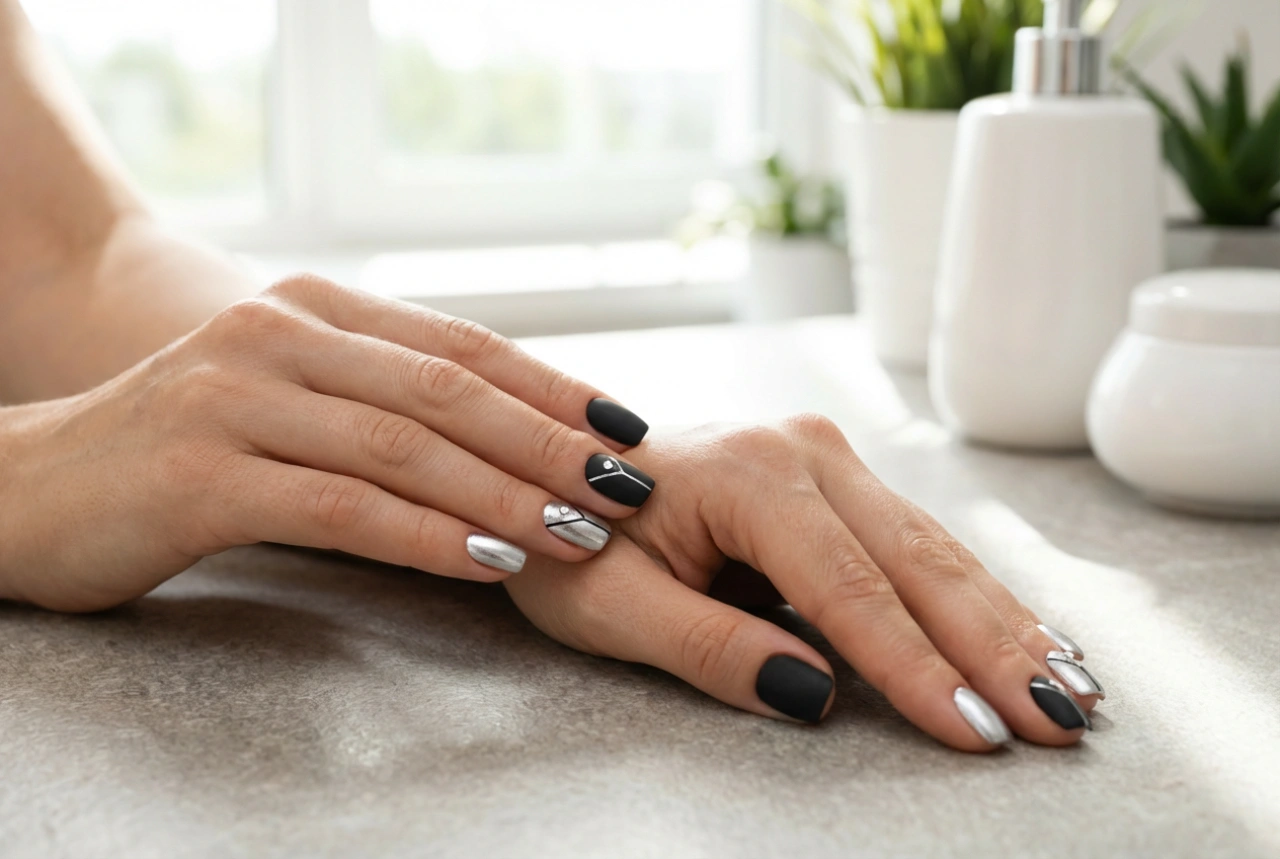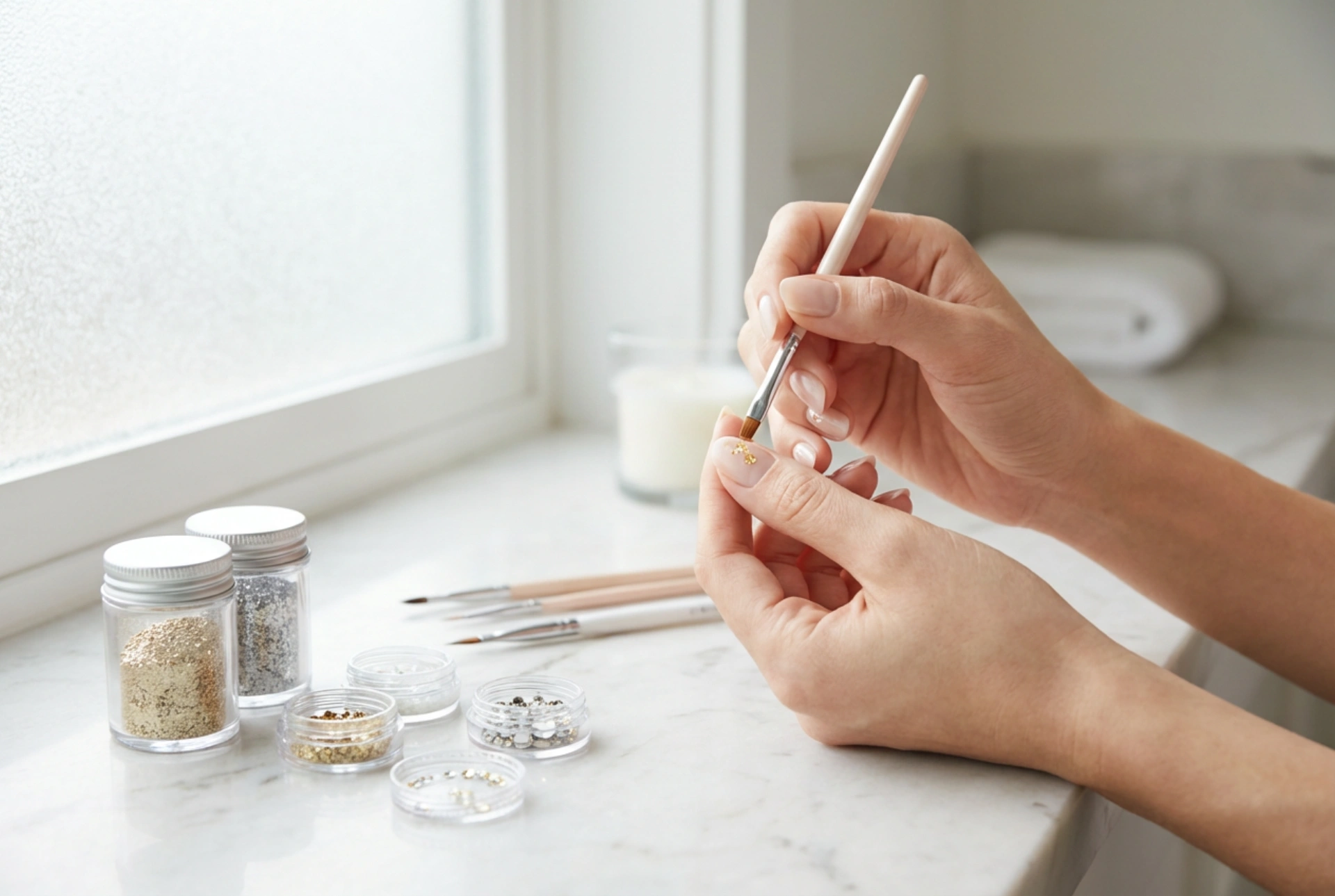


A hybrid manicure offers incredible durability and a flawless shine that lasts for weeks. But why stop at just a single colour? Nail art decorations are the perfect way to express your personal style, add a touch of elegance, or create a bold statement. From a subtle shimmer to intricate 3D designs, applying decorations at home can elevate your manicure to a professional level. The key to a beautiful and long-lasting result lies in choosing the right adornments and mastering the correct application techniques.
Choosing the Right Decorations for Your Manicure
The world of nail art is vast, and the sheer variety of decorations can be overwhelming. Understanding the different types and their best uses will help you select the perfect accents for your design. Decorations suitable for hybrid manicures can be grouped into several categories:
- Loose Powders and Glitters: This category includes fine dusts (for 'mermaid' or 'chrome' effects), classic glitter in various sizes, and iridescent flakes. They are perfect for creating gradients, full-coverage sparkling nails, or adding a delicate shimmer over a base colour. Their effect largely depends on how they are applied.
- 3D Embellishments: These are items that sit on top of the nail surface, such as rhinestones, crystals, flat-back pearls, and metallic studs. They add texture and a touch of luxury. They require a stronger bonding method to ensure they stay in place without catching on hair or clothing.
- Transfer Foils: These thin sheets of metallic or patterned foil are transferred onto the nail using a special adhesive. They allow for complex, sharp-edged patterns and metallic finishes that are difficult to achieve by hand-painting.
- Stickers and Water Decals: The easiest and quickest way to add detailed designs. Self-adhesive stickers can be applied directly, while water decals are ultra-thin images that you slide off a paper backing after soaking them in water. They are ideal for beginners and for creating intricate pictures or patterns.
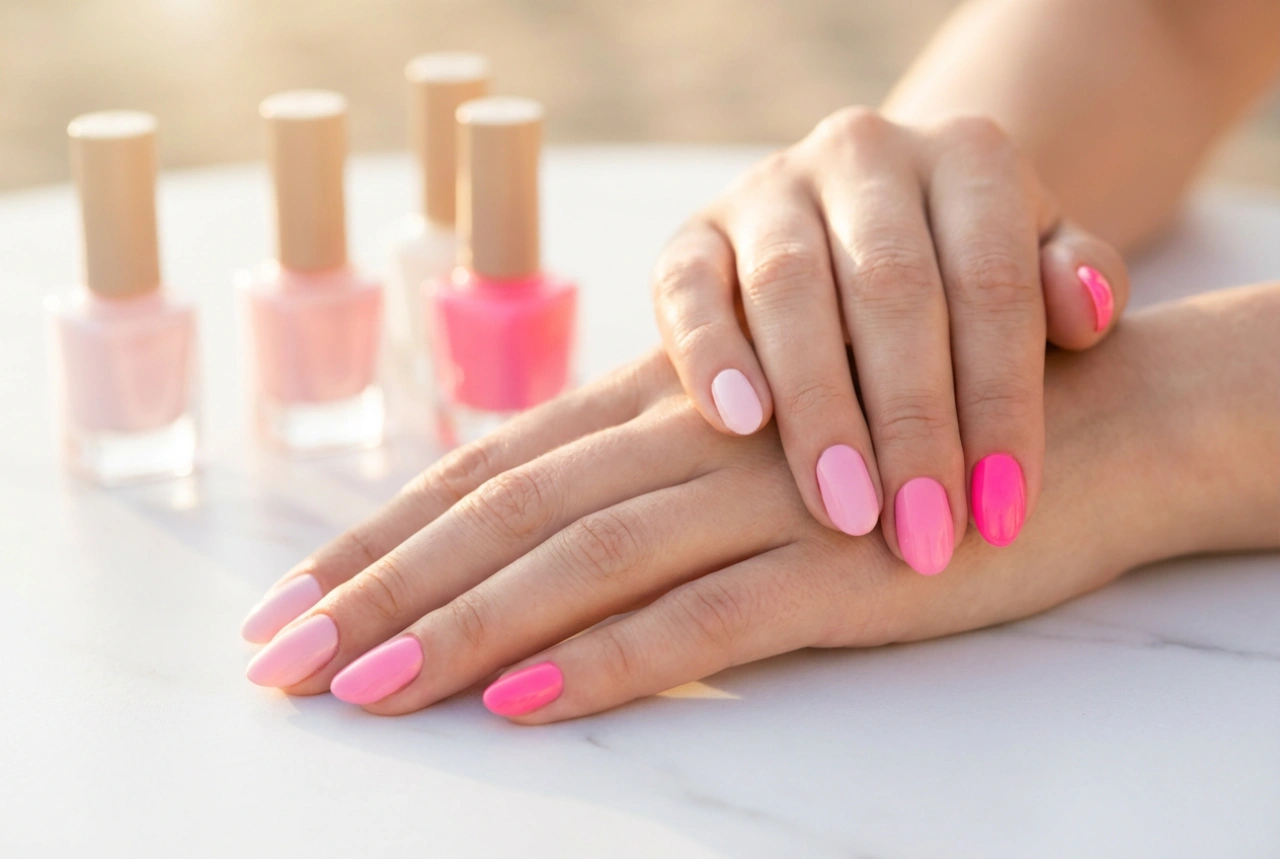
When choosing, consider the base colour of your manicure. Contrasting decorations can create a dramatic look, while tonal ones offer a more subtle elegance. Also, think about the occasion and your lifestyle. Large 3D embellishments might be stunning for an event but less practical for everyday wear.
Preparation and Essential Tools
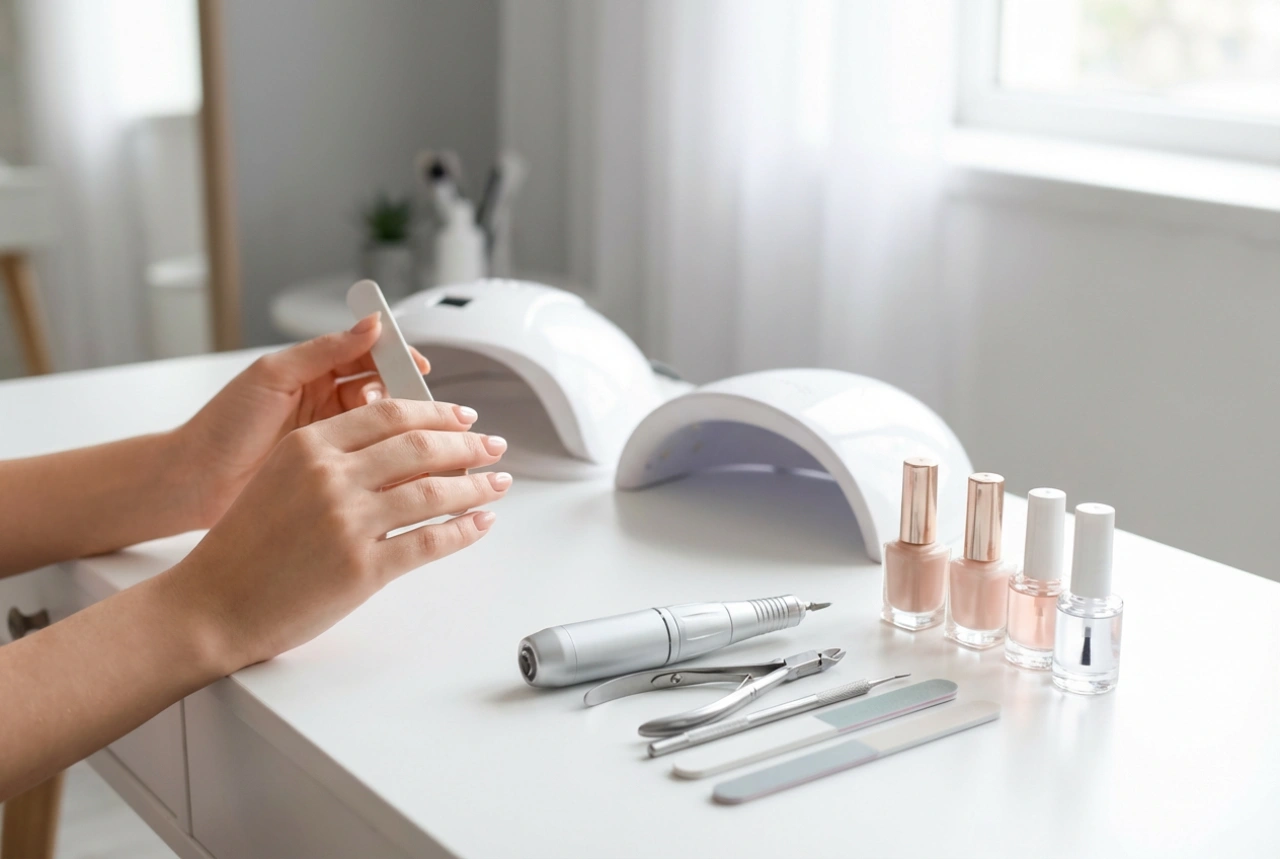
A flawless final look starts with meticulous preparation. Before you even think about opening a pot of glitter, ensure your base hybrid manicure is perfectly executed. This means the colour layers are smooth, fully cured, and free of any lumps or dust. Having all your tools ready will make the process smoother and more enjoyable.
Here is a list of essential tools for applying most types of decorations:
- A no-wipe top coat: Essential for sealing in most decorations and for creating a smooth surface for some application techniques.
- A thicker gel for embellishments: Sometimes called a 'jewel gel' or a thick builder gel, this is used to securely anchor 3D elements like rhinestones. A standard top coat may not be strong enough.
- Precision tools: A very thin, long-bristled nail art brush is invaluable for applying gel precisely around decorations. A wax-tipped pencil or a dotting tool with a dab of top coat helps to pick up and place small rhinestones. Tweezers are useful for handling stickers and foils.
- A UV/LED lamp: Absolutely necessary for curing the gel products that secure the decorations.
- A soft brush or fan brush: Used to gently sweep away excess glitter or powder without smudging the design.
Step-by-Step Application Techniques
The method of application varies significantly depending on the type of decoration you are using. Here’s a breakdown of the most common techniques.
Applying Loose Glitter and Powders
For a full glitter nail, a popular method is to apply it over an uncured layer. After applying your final colour coat and curing it, apply a layer of no-wipe top coat but do not cure it. Sprinkle the glitter generously over the wet top coat, ensuring full coverage. Gently tap the finger to remove loose excess, then cure in the lamp. Use a soft brush to sweep away any remaining loose particles before applying a final, sealing layer of top coat and curing again.
For a subtle, rubbed-in effect (like 'mermaid' dust), you typically apply the powder over a cured but still warm no-wipe top coat. Use a sponge applicator or a gloved finger to firmly rub the powder into the surface until it becomes smooth and shiny. Brush off the excess, then seal with a top coat and cure.
Attaching Rhinestones and 3D Embellishments
To ensure 3D elements last, they need to be embedded securely. On your finished and cured colour, apply a small bead of a thick 'jewel gel' or builder gel where you want to place the stone. Using a wax pencil, pick up the rhinestone and gently press it into the gel. Adjust its position as needed. Flash cure for 10-15 seconds to hold it in place. Then, using a very fine brush, apply a no-wipe top coat carefully around the base of the rhinestone, essentially 'sealing the edges' without covering the top facets of the stone. This preserves its sparkle. Perform a full cure according to your lamp's instructions.
Using Transfer Foils
Transfer foils require a dedicated foil glue. Apply a thin layer of the foil glue over your cured colour coat. Wait for the glue to turn from milky to completely transparent – this indicates it is tacky and ready. Take a piece of your transfer foil and press it firmly onto the nail, shiny side up. Rub it all over with your finger or a silicone tool to ensure the design transfers completely. In one quick motion, peel the foil backing away. The pattern should now be on your nail. Because foils can be delicate, it's wise to seal them with two thin layers of top coat, making sure to cap the free edge of the nail.
Common Mistakes to Avoid for a Lasting Finish
Even with the best intentions, a few common errors can compromise the look and longevity of your nail art. Being aware of them is the first step to achieving a perfect manicure.
- Improperly sealing decorations: Failing to apply a top coat that fully encases the edges of stickers, foils, or glitter can lead to peeling and chipping. For 3D gems, failing to seal around their base will cause them to fall off.
- Covering sparkling gems: Do not apply top coat over the top of faceted rhinestones or crystals. It will fill in the facets and make them look dull and glassy instead of sparkly.
- Applying decorations on a weak foundation: Ensure your base colour is fully cured and perfectly smooth. Applying art onto under-cured or lumpy polish will result in an uneven and weak manicure.
- Using too much product: Applying overly thick layers of top coat or jewel gel can cause it to flood the cuticles and side walls, leading to lifting and an untidy appearance. Thin, precise layers are always better.
- Insufficient curing time: Always cure for the full recommended time for each gel layer, especially the final top coat. An under-cured top coat will remain soft, feel tacky, and fail to protect your design.
Mastering nail art is a journey of practice and patience. Start with simpler designs and gradually move to more complex techniques. With the right tools and a gentle hand, you can transform your hybrid manicure into a unique work of art that lasts.