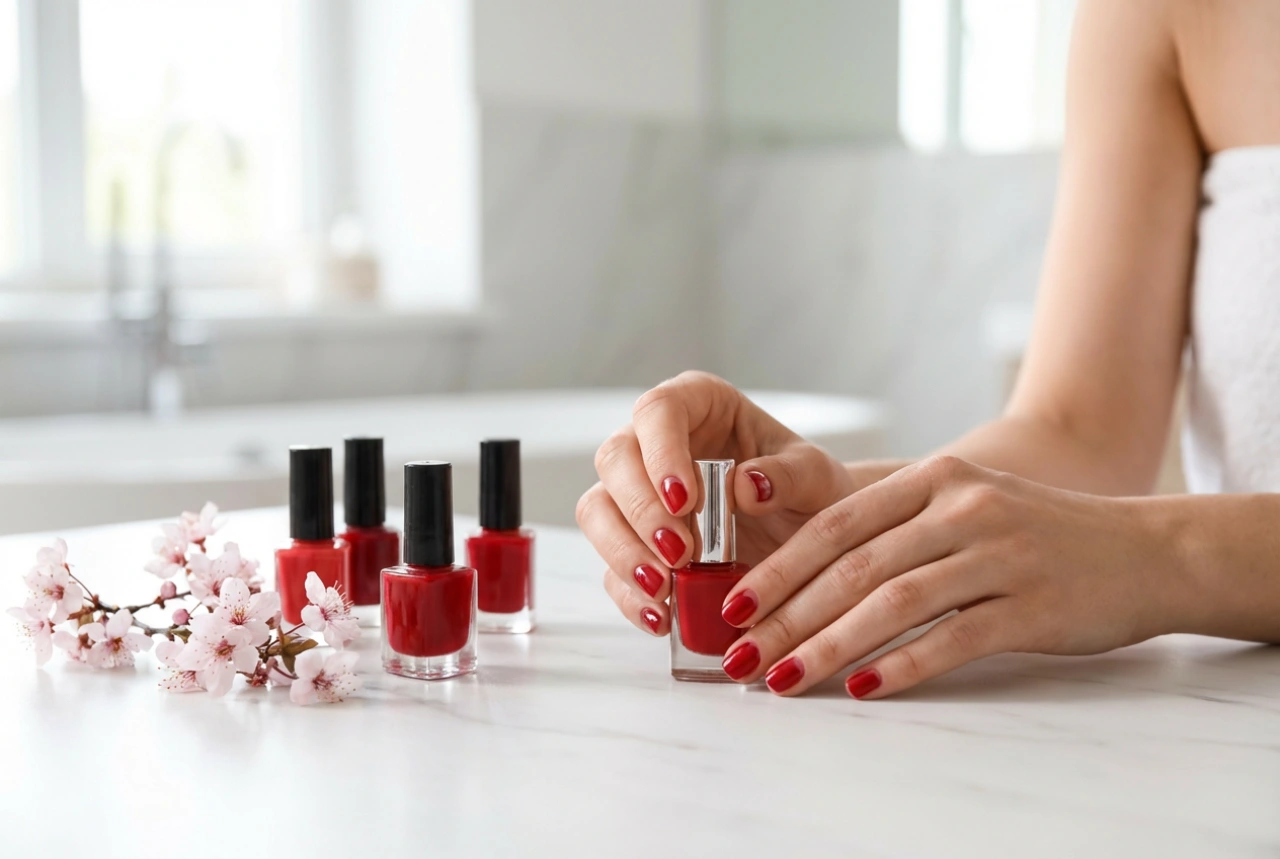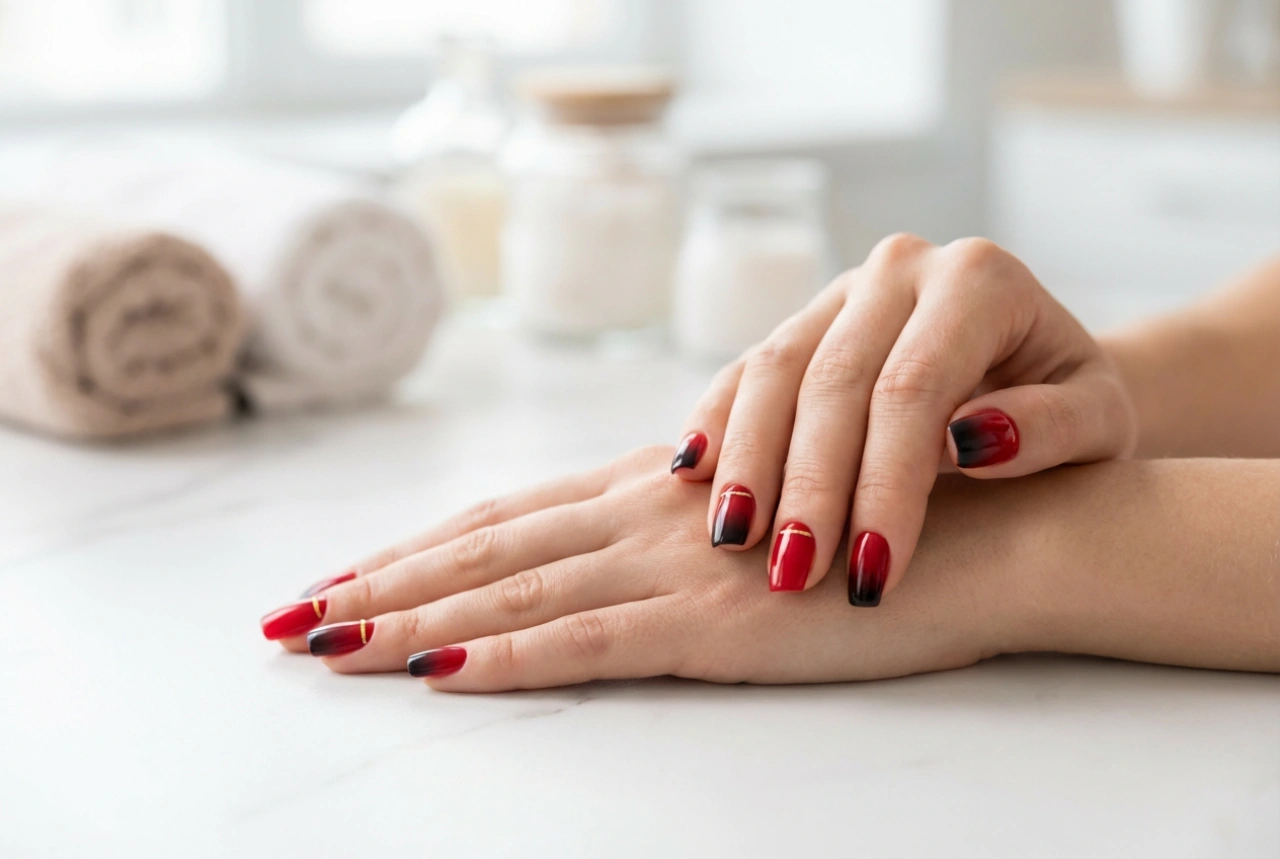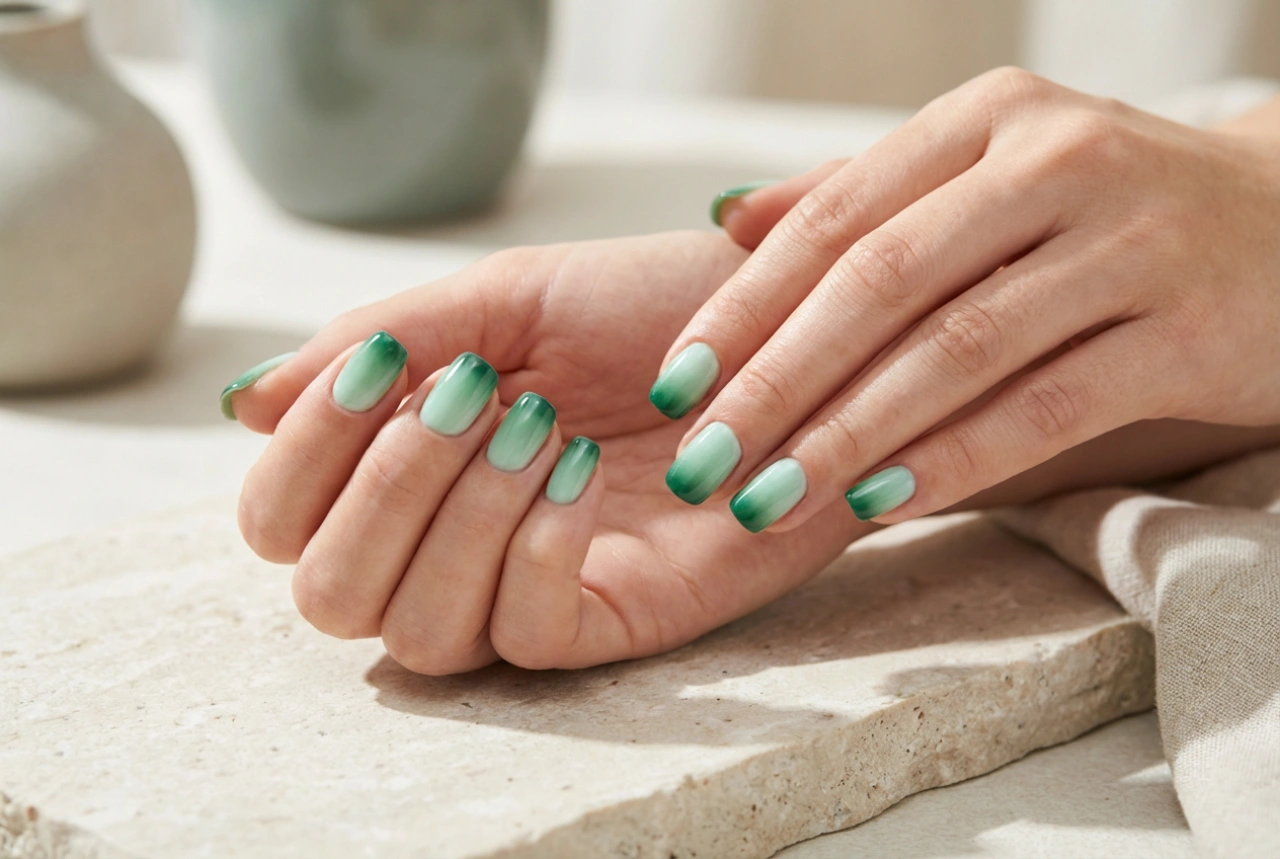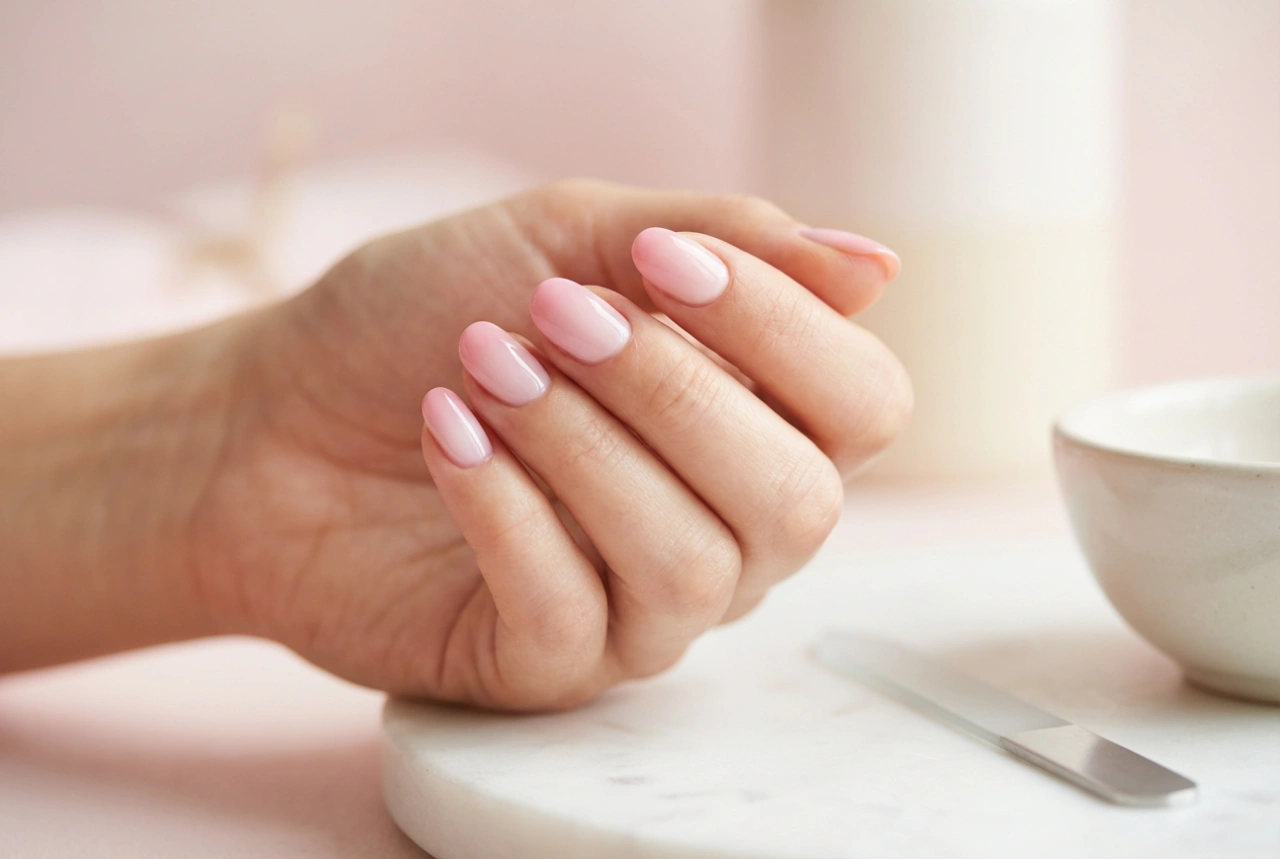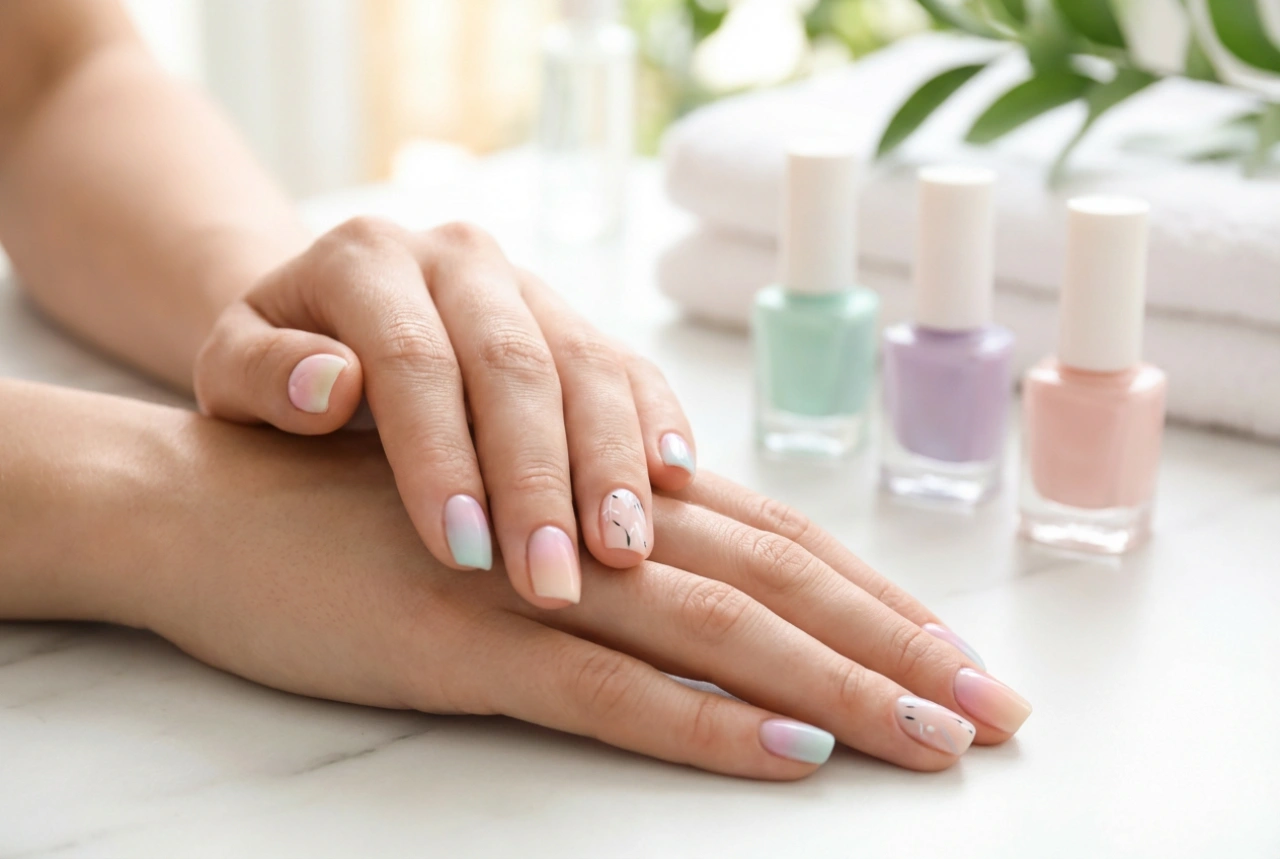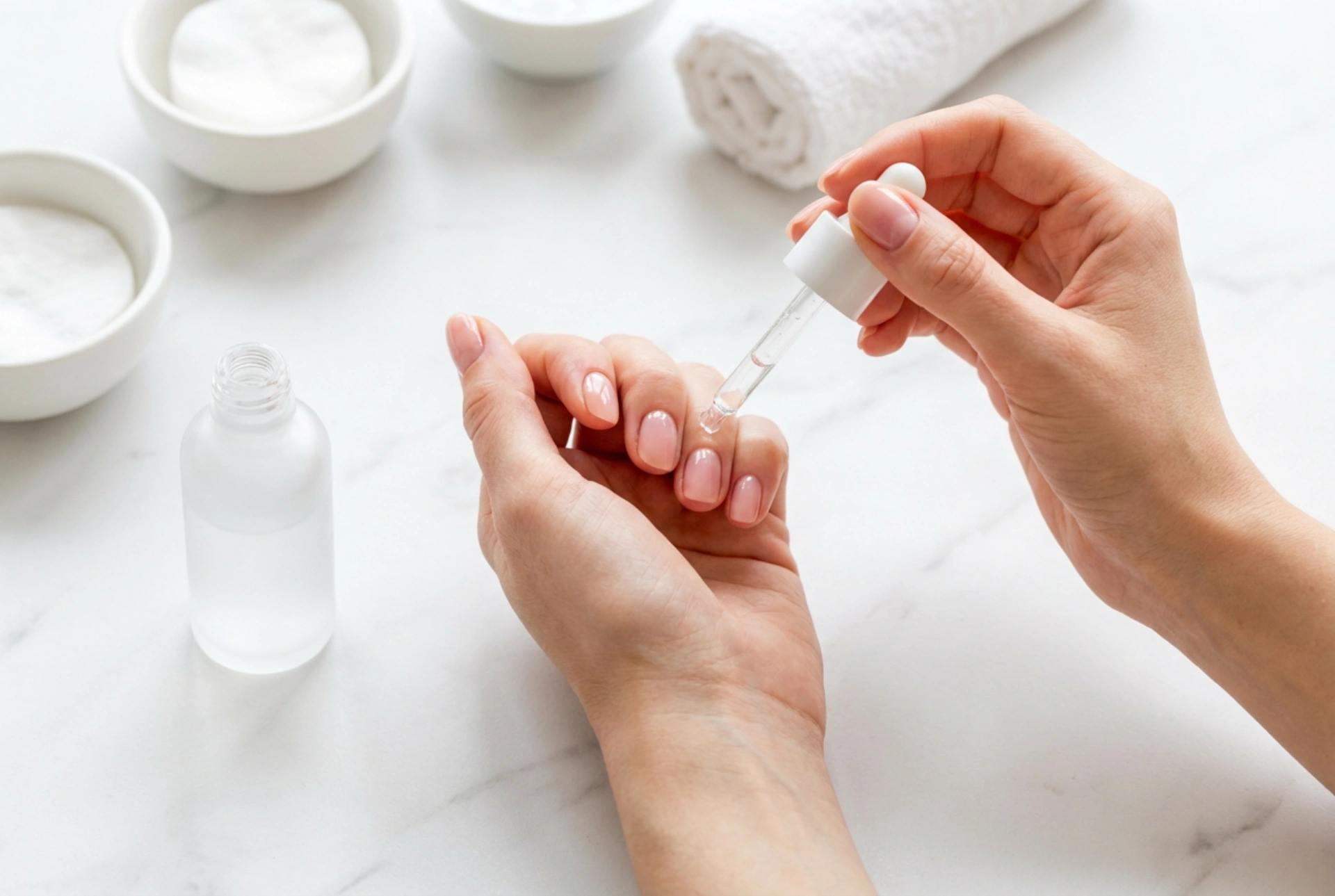


Having neat, well-groomed hands starts with proper nail care, where cuticles play a key aesthetic and protective role. A minimalist beauty routine, using gentle cuticle softening serums under soft, natural light, can transform the appearance of your hands, making them look healthy, elegant, and perfectly manicured. The cuticle acts as a natural barrier, protecting the delicate area where new nail growth begins. Rather than cutting this skin with sharp tools, which often leads to uneven regrowth, irritation, or roughness, modern cosmetic preparations offer safe and effective alternatives to gently dissolve, soften, and push back excess tissue.
Types of Cuticle Removing Preparations
When looking to refine your home manicure routine, you will find several categories of cuticle removers on the cosmetics market. Each type has a unique formulation designed to suit different skin sensitivities and application preferences. Understanding these types helps in choosing the right product for your specific hand care needs:
- Cuticle Gel Removers: These are highly popular due to their non-drip consistency. The gel stays exactly where you apply it, allowing for precise treatment around the nail walls. They often work rapidly and are ideal for quick touch-ups.
- Liquid Cuticle Softeners: Often equipped with a dropper or a small brush, these liquids quickly penetrate dry, stubborn skin. They are highly efficient but require a steady hand to prevent the product from running onto the surrounding skin.
- Cream-Based Formulas: Creams are typically enriched with nourishing lipids, oils, or butter. While they might take slightly longer to work than liquid formulas, they provide a gentler, more hydrating experience that is excellent for dry or delicate hands.
- Exfoliating Cuticle Scrubs: These contain micro-particles or gentle natural acids that physically and chemically lift away dead skin cells around the nail plate during a gentle massage.
How Cuticle Removers Work: Key Ingredients
The effectiveness of cuticle removers lies in their active ingredients, which are designed to break down the dead skin cells that cling to the nail plate, making them easy to sweep away. These formulations generally fall into two categories based on their active components:
Alkaline-Based Softeners
Many fast-acting cuticle removers use mild alkaline agents, such as potassium hydroxide or sodium hydroxide in very low, safe cosmetic concentrations. These ingredients work by breaking down the protein bonds in dead skin cells, softening the cuticle almost instantly so it can be gently pushed back with a soft manicure stick. Because of their strength, these products must only be left on the skin for the exact time specified by the manufacturer.
Acid-Based and Enzyme Removers
A gentler alternative involves the use of Alpha Hydroxy Acids (AHAs), such as glycolic, lactic, or citric acids. These naturally derived ingredients gently dissolve the cellular glue holding dead skin cells together. Enzyme-based removers, often derived from papaya or pineapple extracts, offer an even milder exfoliating effect. These options are ideal for sensitive skin types as they work progressively without causing irritation.
Safety Rules for Home Cuticle Care
While cuticle removers are highly effective, using them safely is crucial to maintaining the health and integrity of your natural nails. Following a few simple guidelines ensures beautiful results without compromising the skin barrier:
- Respect the Timer: Never leave active cuticle removers on the skin longer than recommended. Most products require only 1 to 3 minutes to work. Leaving them on for too long can weaken the nail plate or dry out the surrounding skin.
- Use Gentle Tools: Avoid metal scrapers that can gouge the nail matrix. Instead, opt for wooden orange sticks or soft silicone-tipped pushers to gently slide the softened cuticle back.
- Wash Thoroughly: Always wash your hands with warm water and soap immediately after using a chemical cuticle remover. This neutralises and removes any active ingredients left on the skin.
- Moisturise Instantly: After drying your hands, apply a rich cuticle oil, serum, or hand cream. This restores moisture, seals the skin barrier, and keeps the area soft and pliable.
The Long-term Effects of Proper Cuticle Care
Consistently incorporating gentle cuticle softeners into your care routine yields significant aesthetic and health benefits. Over time, you will notice that the skin around your nails grows back much slower, smoother, and more evenly. Regular care prevents the formation of unsightly hangnails and dry, ragged skin that can snag on clothing.
Furthermore, a clean and well-defined nail frame makes the nail bed appear longer and more elegant, creating the perfect canvas for nail polishes or natural buffing. By avoiding cutting and choosing gentle chemical softening instead, you preserve the natural protective seal of the nail, ensuring your hands look youthful, healthy, and impeccably styled every single day.