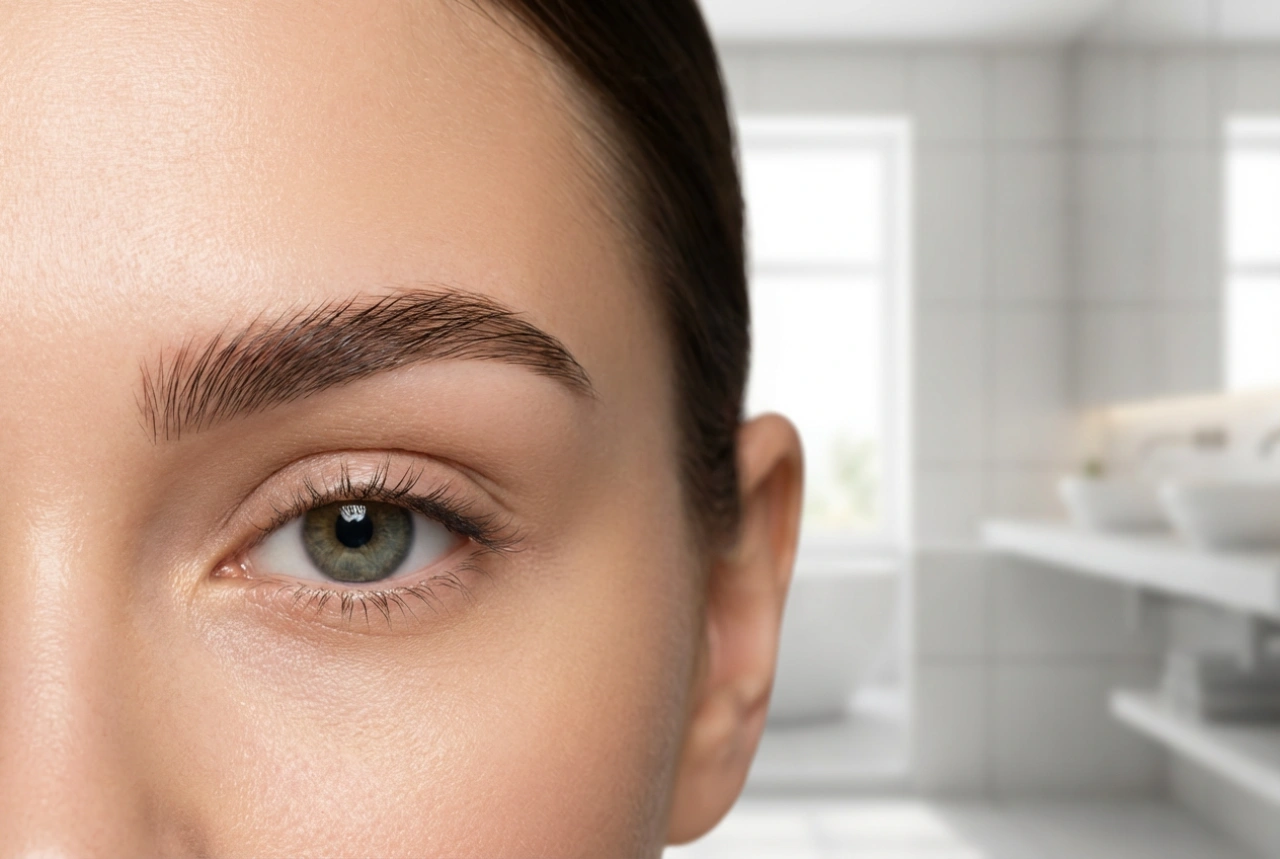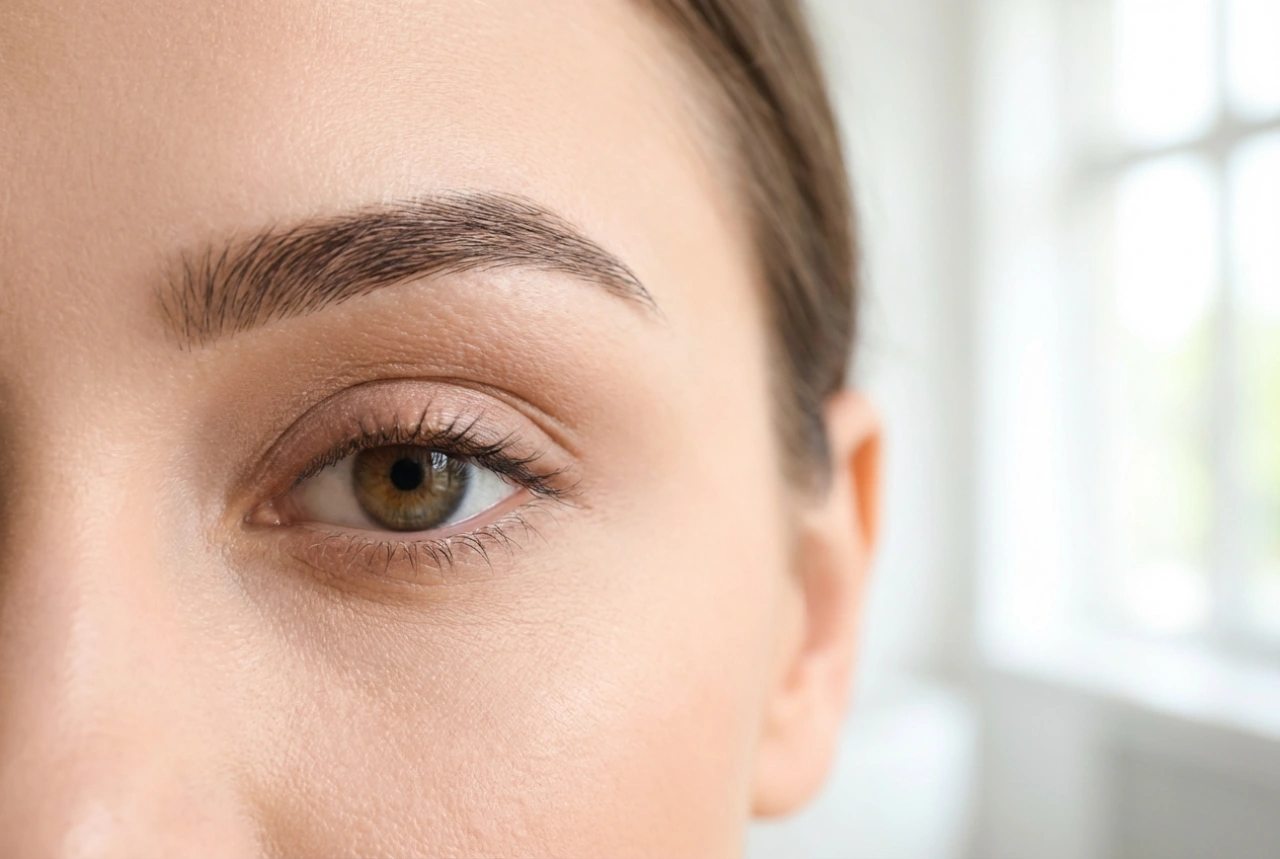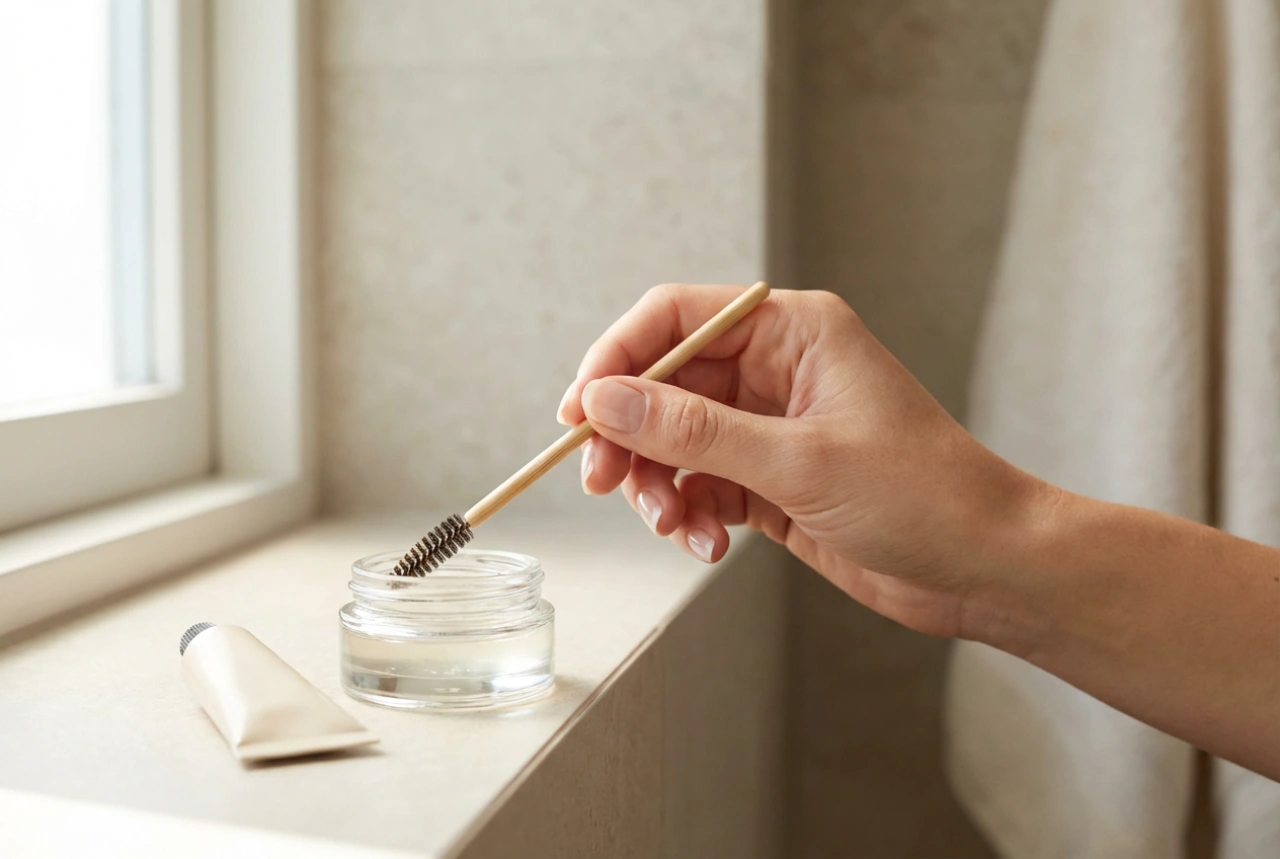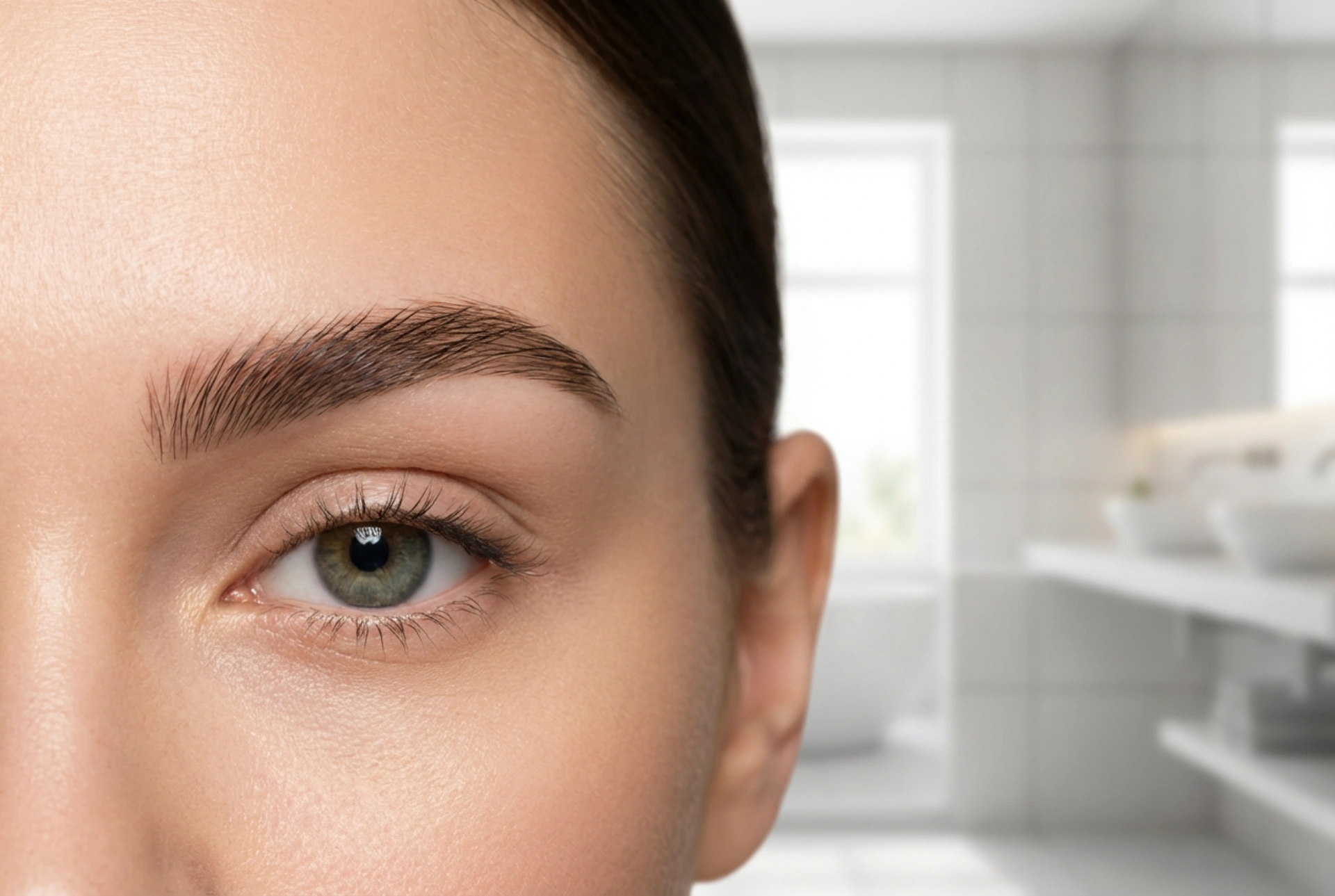


Natural, beautifully defined eyebrows have become the cornerstone of modern beauty routines. Rather than the heavy, block-like brows of the past, the current focus is on soft, textured, and feather-light definition that mimics natural hair growth. Achieving this elegant look requires not only patience but also the correct tools. Precision is absolutely key when attempting to simulate individual hairs, and a high-quality angled eyebrow brush is the foundation of this delicate technique. With the right guidance, anyone can master the art of creating subtle, hair-like strokes at home.
Understanding the Anatomy of an Ideal Eyebrow Brush
To draw realistic, ultra-fine lines, you must choose a brush specifically designed for micro-precision. The classic choice is an angled brush, characterised by its slanted tip. However, not all angled brushes are suitable for the hair-by-hair technique. The perfect tool must have an incredibly thin profile. When viewed from the side, the bristles should come to a razor-sharp edge. If the bristles are too thick, splayed, or fluffy, the product will apply in wide, unnatural smudges rather than delicate lines.
Another critical factor is the stiffness of the brush. If the bristles are too soft, they will bend under pressure, causing the line to lose definition. Conversely, if they are too stiff, they may scrape the skin and make blending difficult. A medium-to-firm tension is ideal, allowing you to control the exact path of the brush while maintaining a gentle touch on the skin. Many high-quality brow brushes also feature a spoolie on the opposite end, which is invaluable for brushing through the hairs and softening any harsh edges as you work.
Synthetic vs Natural Bristles: Making the Right Choice
When selecting your tool, the composition of the bristles is highly important. Generally, brush fibres are categorised into synthetic and natural hair:
- Synthetic bristles: Made from high-quality nylon or polyester, these fibres are ideal for cream, gel, and liquid products like brow pomades. They do not absorb oils or wet formulas, meaning the brush retains its sharp shape during application and is much easier to clean.
- Natural bristles: These fibres are softer and have a porous structure, making them excellent for picking up and diffusing dry powder products. While they create a beautiful, soft shadow effect, they are rarely firm or thin enough for precise hair-stroke techniques.
For the specific goal of drawing individual, fine lines, a synthetic angled brush is almost always the superior option. It maintains its structural integrity when loaded with wet product, ensuring your strokes remain crisp and distinct.
A Step-by-Step Guide to the Hair-Like Stroke Technique
Mastering this technique requires a steady hand, light pressure, and a systematic approach. Follow these simple steps to achieve a perfectly groomed, natural finish:
First, prepare your canvas. Gently brush your natural eyebrows upward and outward using a clean spoolie to reveal their natural shape and any sparse areas that need filling. Next, prepare your brush. If you are using a pomade or cream product, dip only the very tip of the angled brush into the formula. It is incredibly easy to overload the brush, which is the most common cause of thick, heavy lines. Wipe any excess product onto the back of your hand or inside the product lid, flattening the bristles to ensure the edge is as sharp as possible.
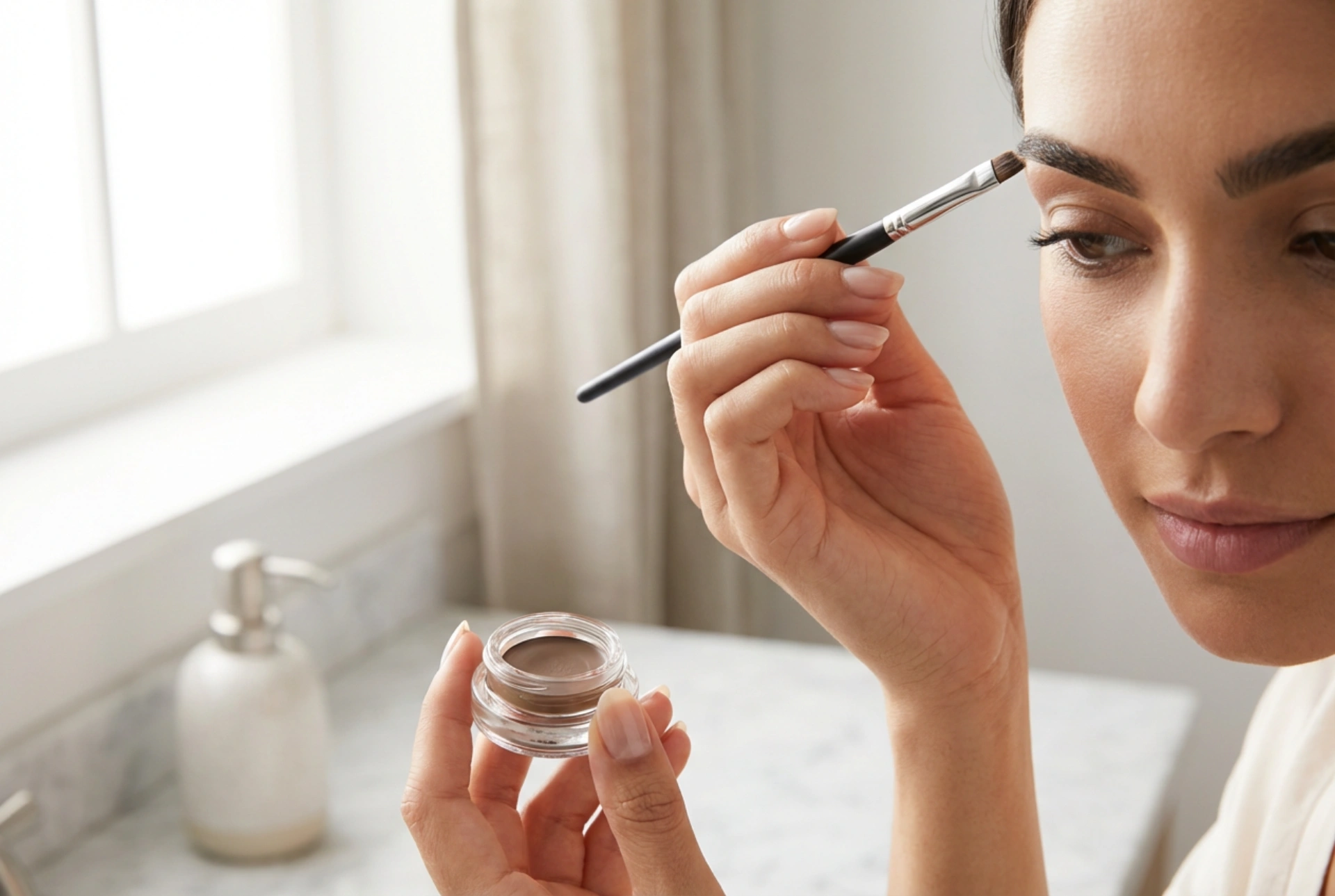
When applying, hold the brush lightly, like a pencil, keeping your hand relaxed. Anchor your pinky finger on your cheek or chin to stabilise your hand. Position the brush so the longer point of the angled tip is facing upward, in the direction of the stroke. Using a feather-light flicking motion, draw short, thin lines that match the length of your natural brow hairs. Always start at the base of the eyebrow and flick upwards.
It is crucial to follow the natural direction of hair growth, which changes across the brow. At the inner corner, near the nose, your strokes should be almost vertical. As you move along the arch, gradually tilt your hand so the strokes become more diagonal. Finally, at the tail of the brow, the lines should point almost horizontally towards your temples. Once finished, use the spoolie to gently brush through the brows to blend the product seamlessly with your natural hairs.
Choosing the Best Formula to Complement Your Brush
A great brush needs the right formula to deliver optimal results. For the crispest individual strokes, cream-to-powder pomades are highly recommended. Their rich pigmentation and smooth consistency allow the brush to glide effortlessly across the skin while retaining a sharp point. If you prefer an ultra-soft, diffused look, high-pigment brow powders can also be used, though the lines will naturally be softer and less defined. Whichever product you choose, remember that working in thin, buildable layers is always safer than applying too much pigment at once.
How to Clean and Maintain Your Brow Brushes
To ensure your angled brush continues to deliver precise, clean lines, regular maintenance is non-negotiable. Leftover cosmetic product dries and hardens on the bristles, causing them to clump together and lose their sharp edge. For synthetic brushes used with creamy formulas, it is best to clean them after every use or at least every few days.
Wash the bristles gently using a mild soap, baby shampoo, or a dedicated brush cleanser and warm water. Avoid submerging the entire brush, particularly the metal ferrule where the bristles are glued, as water can dissolve the adhesive and cause shedding. Gently squeeze out excess water, reshape the bristles into a flat, sharp line using your fingers, and lay the brush flat on a clean towel to dry. Proper care will preserve the shape and longevity of your tool for years to come.