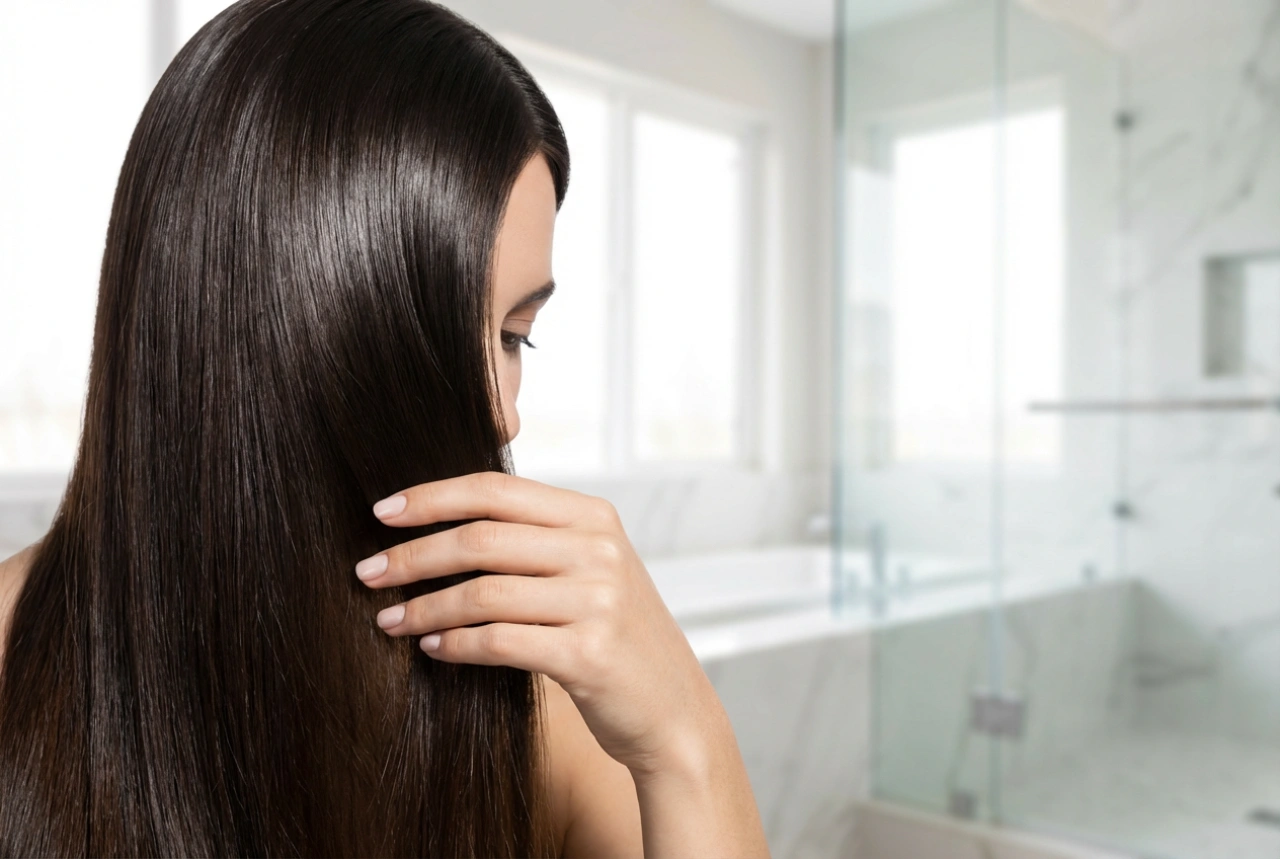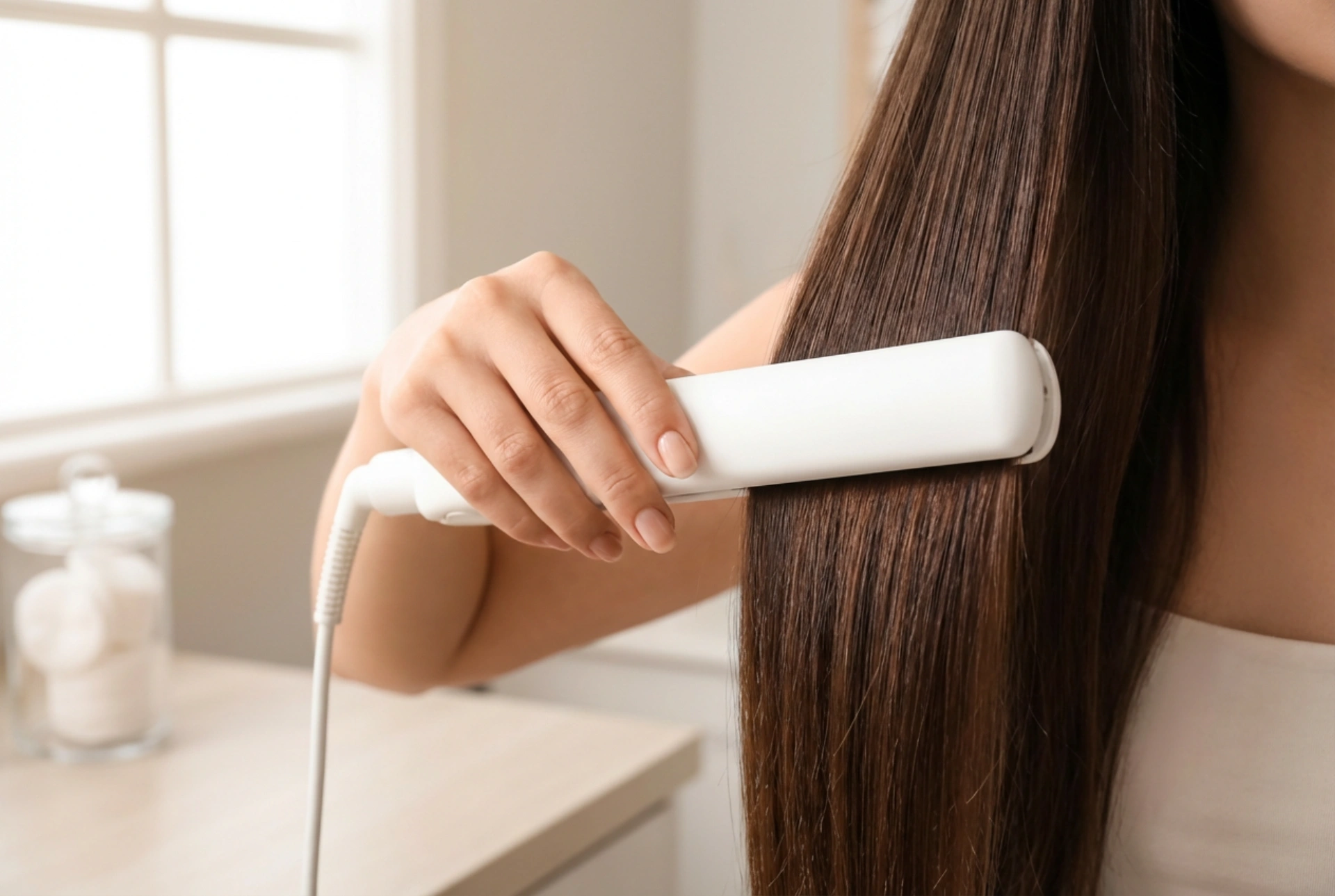


Achieving a salon-worthy, sleek hairstyle at home is a timeless aspiration for many. Picture a hand guiding a modern, elegant straightener effortlessly through a cascade of lustrous, perfectly smooth hair, where every strand catches the soft light with a healthy sheen. While this flawless, frizz-free finish may seem like the result of professional secrets, it is highly achievable at home by understanding the technology of ionising hair straighteners and mastering the delicate balance of temperature and styling pace.
The Science of Ionisation in Hair Styling
Static and frizz are common obstacles when styling hair, often exacerbated by environmental factors or dry indoor air. This is where ionisation technology becomes invaluable. Traditional styling tools can strip moisture from the hair, creating positive electrical charges that cause individual strands to repel each other, resulting in unwanted static and flyaways.
Ionising hair straighteners work by generating millions of negatively charged ions during the heating process. These negative ions neutralise the positive charges present in dry or damaged hair. As a result, the hair cuticle is encouraged to lie flat and smooth. A sealed cuticle not only prevents moisture loss by locking in natural hydration, but it also reflects light much more effectively, giving the hair an enviable, healthy-looking gloss.
- Frizz reduction: By neutralising static, hair remains sleek and manageable throughout the day.
- Moisture preservation: Negative ions help break down water molecules on the surface, allowing them to penetrate the hair shaft.
- Enhanced shine: A smooth cuticle layer acts like a mirror, reflecting light beautifully.
Finding the Right Temperature for Your Hair Type
One of the most common mistakes in home hair styling is using an incorrect temperature setting. While it might be tempting to crank up the heat to speed up the process, doing so can lead to structural damage and dry, brittle ends. Conversely, a temperature that is too low may require multiple passes over the same section, which also increases the risk of heat damage.
Adjusting the heat according to your specific hair type is essential for maintaining hair health while achieving a smooth finish. Fine, thin, or colour-treated hair is delicate and should be styled at lower temperatures, typically between 130°C and 160°C. Normal or wavy hair can usually tolerate medium heat settings ranging from 170°C to 190°C. For those with thick, coarse, or highly textured hair, a higher temperature between 200°C and 210°C may be necessary to effectively smooth the strands on the first pass.
The Importance of Pace and Technique
Even with the most advanced ionising straightener and the perfect temperature setting, your technique plays a critical role in the final result. The pace at which you guide the straightener down the hair shaft determines how evenly heat is distributed. Moving the tool too quickly will fail to smooth the hair, forcing you to repeat the movement, while moving too slowly can overheat specific sections, leading to structural damage.
To master the ideal styling pace, aim for a slow, steady, and continuous downward glide. A single, controlled pass is far better for the hair than multiple hurried strokes. Ensure you maintain even tension on each section, keeping the hair taut as you guide the plates from root to tip. Working in small, manageable sections of about two to three centimetres wide allows the plates to distribute heat uniformly, ensuring that every strand receives the benefits of the ionising technology.
Essential Steps for Damage-Free Straightening
To support the performance of your ionising straightener and ensure your hair remains healthy, a consistent preparation routine is key. Following simple, protective steps before applying heat will make a significant difference in the longevity and quality of your style.
Always Start with Dry Hair
Straightening damp or wet hair is highly damaging, as the heat turns the trapped water into steam, which can rupture the hair shaft. Ensure your hair is completely dry before you begin, whether you choose to air-dry or blow-dry beforehand.
Utilise a Heat Protectant
A high-quality heat protection spray or cream acts as a physical barrier between your hair and the hot plates. It helps to distribute heat evenly across the strand, minimising direct thermal shock and preserving the hair's natural moisture balance.
Sectioning for Precision
Never rush the process by grabbing random sections of hair. Use clips to divide your hair into manageable sections, starting from the lower layers at the back of the neck and working your way up to the crown. This methodical approach ensures that no section is missed and prevents you from overheating previously styled areas.
Post-Styling Care for Lasting Smoothness
Once you have finished straightening, allow your hair to cool completely before brushing or applying any finishing products. Touching hot hair can disrupt the newly set shape and introduce frizz. If desired, a tiny drop of lightweight hair oil can be smoothed over the tips to seal in moisture and add an extra layer of protection against daily humidity.