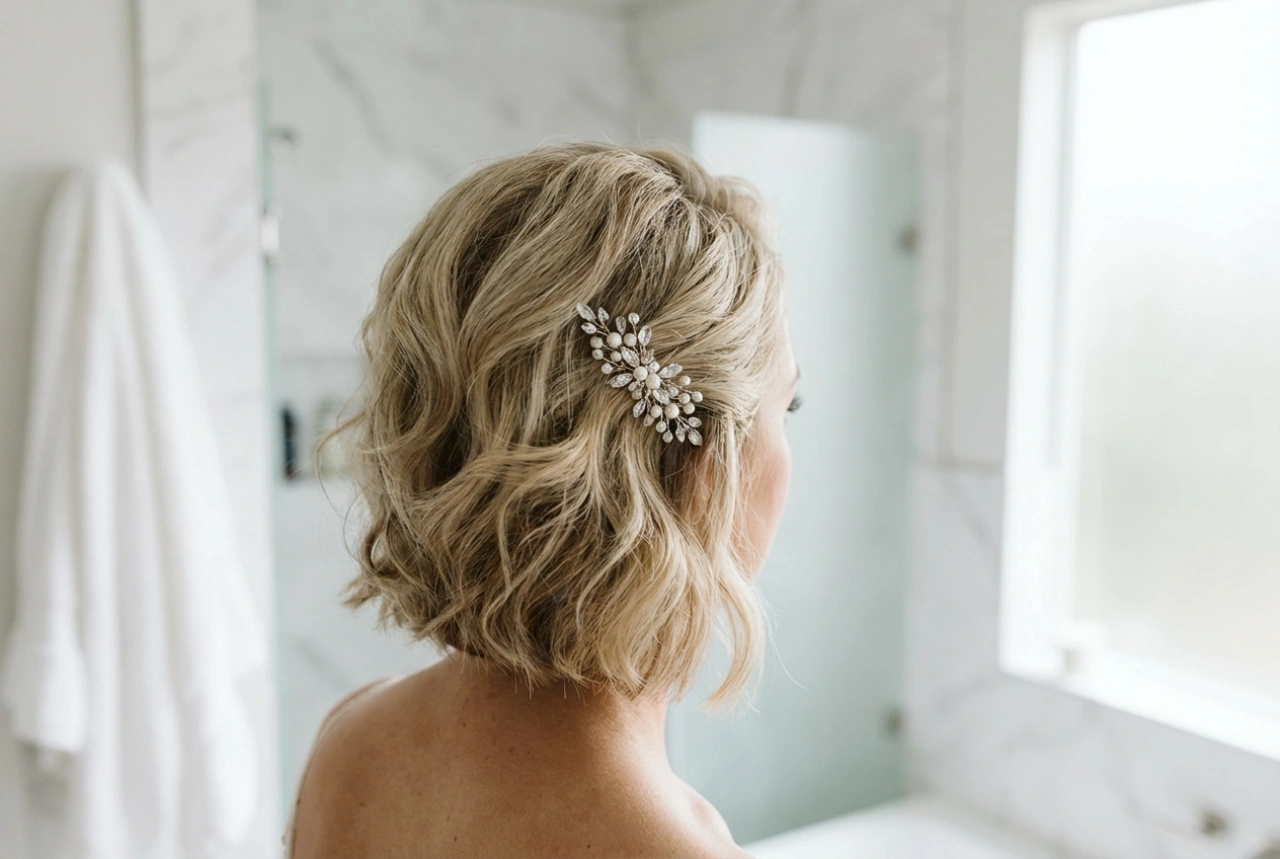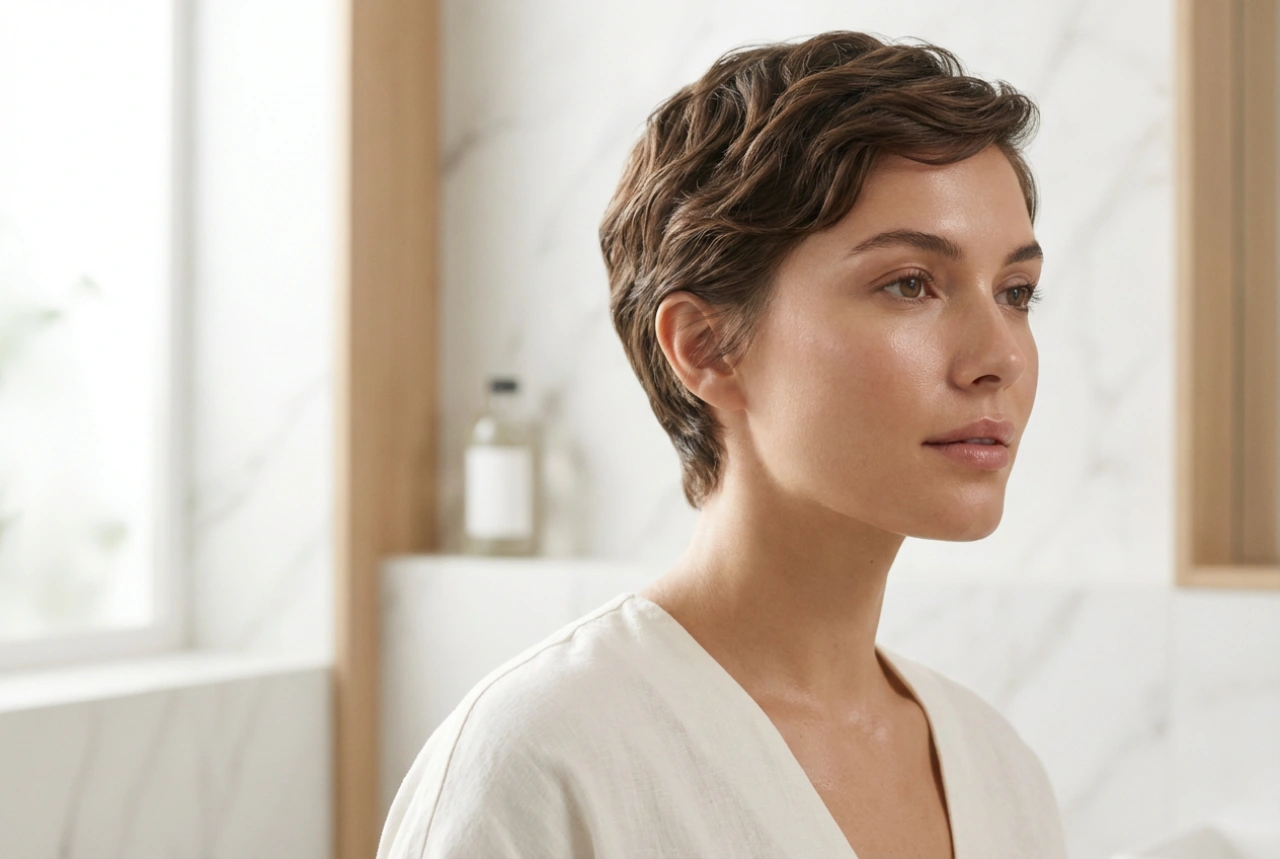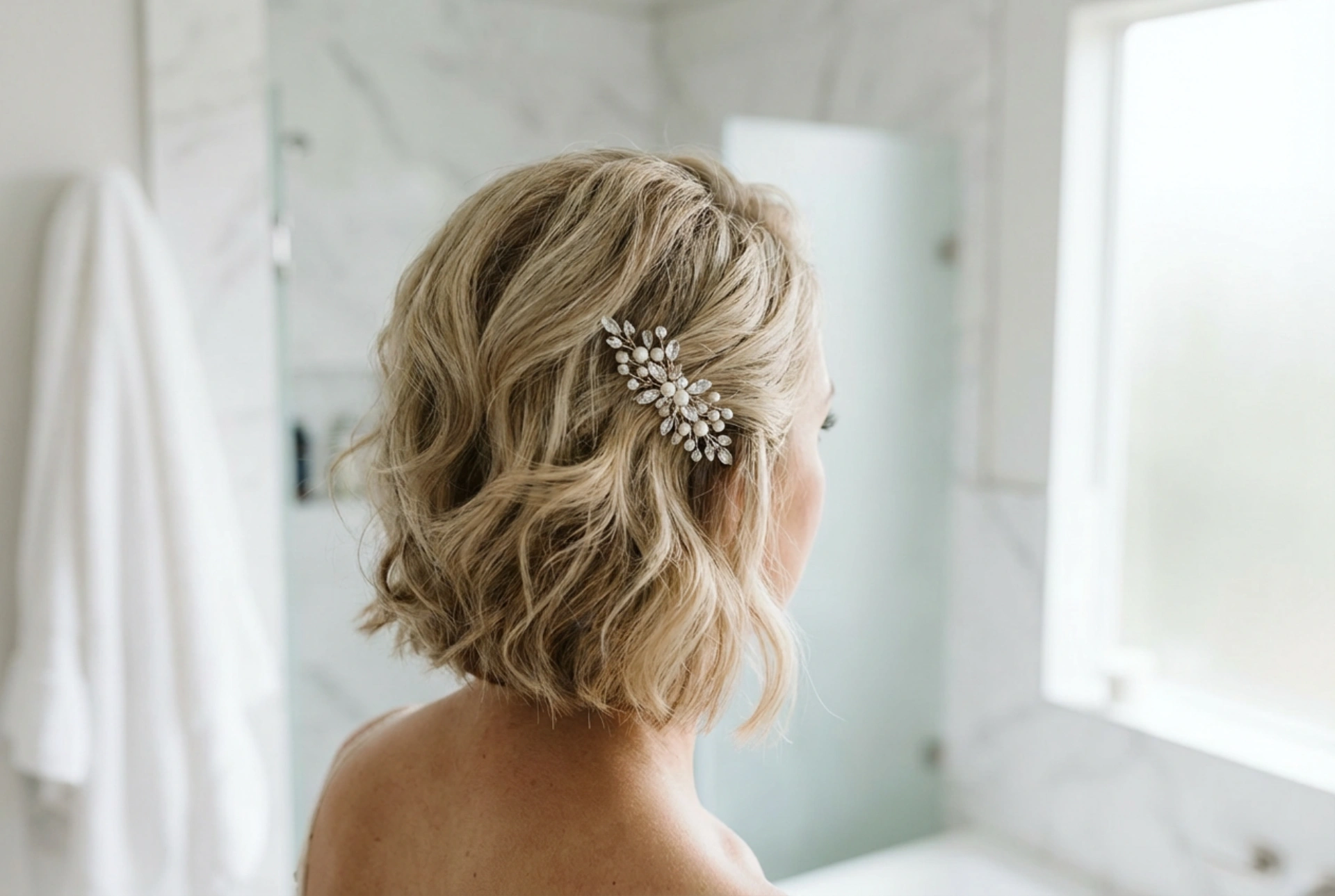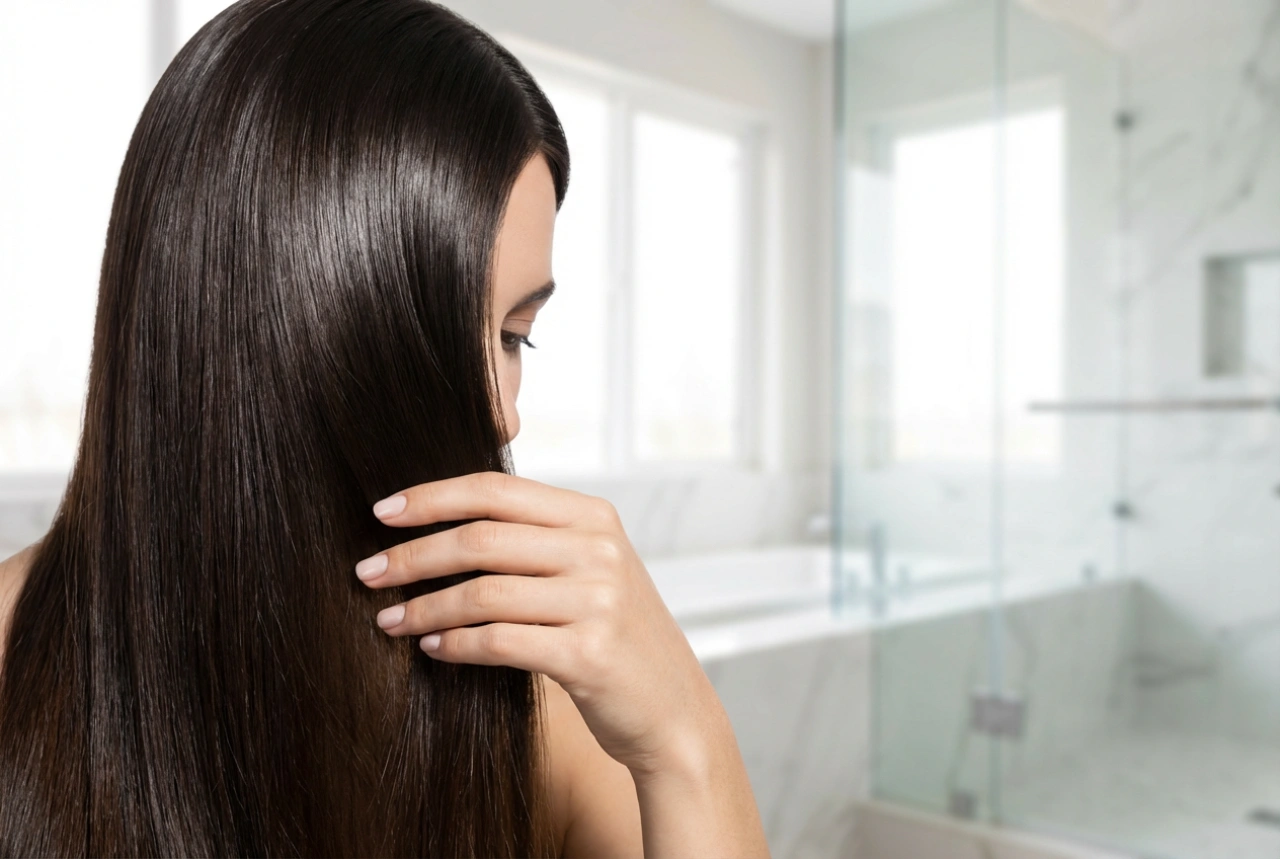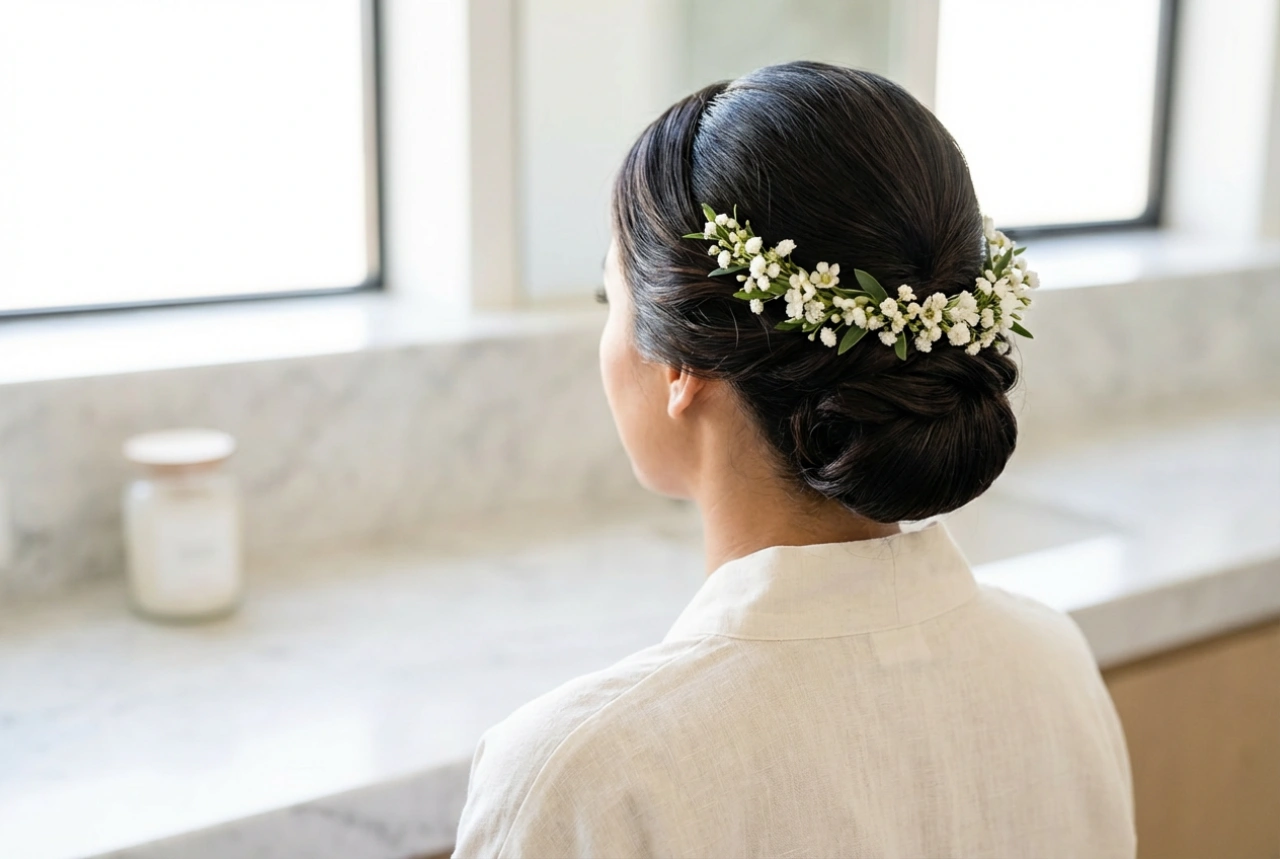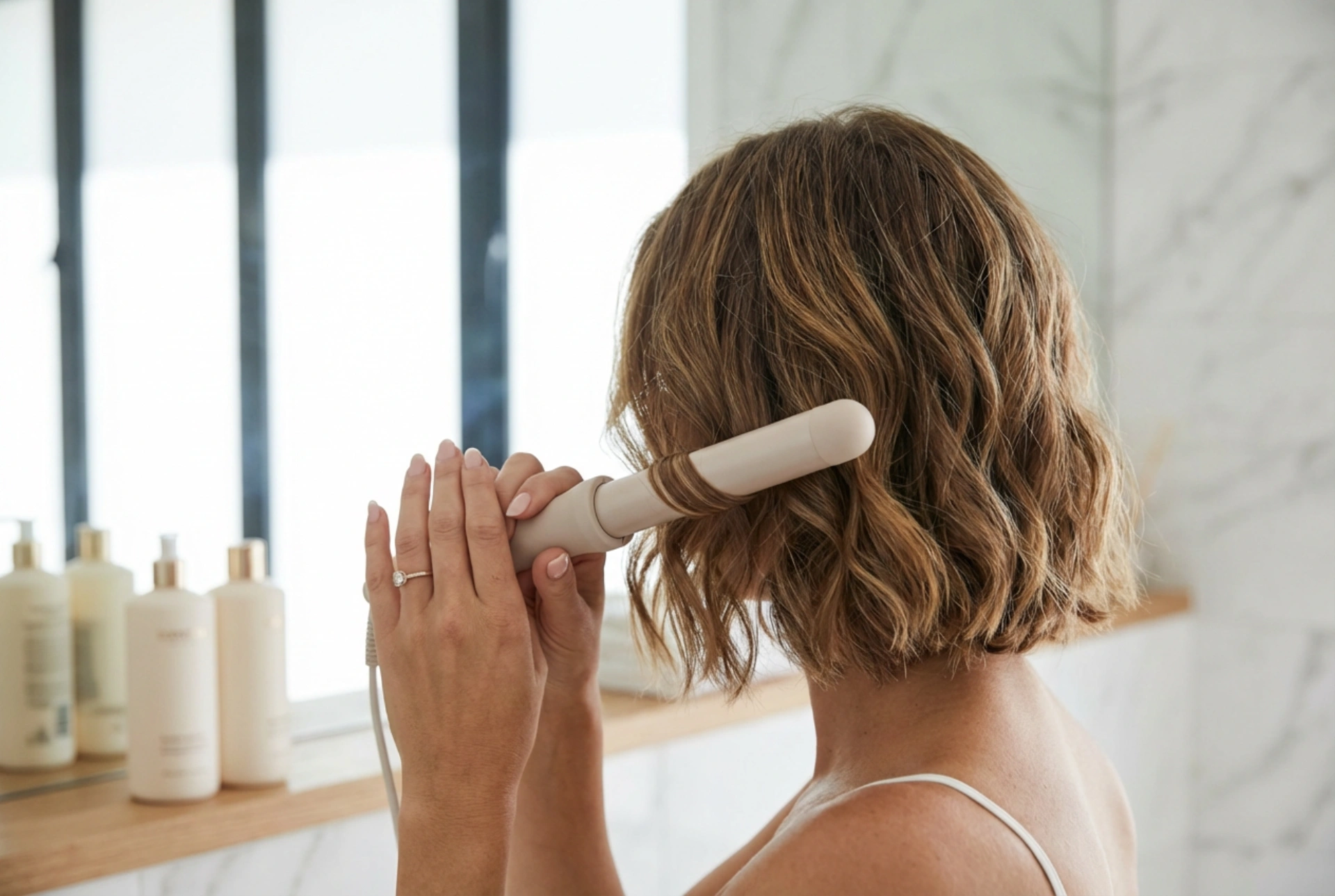


A short haircut with soft, natural-looking waves is the epitome of modern elegance. Achieving that textured, effortlessly styled look on short hair requires a meticulous technique, focusing on defining natural movement with the right tools. Beautifully styled, broken waves add volume and a fresh aesthetic to shorter cuts, giving you a contemporary edge that works for any occasion.
Understanding the Broken Wave Aesthetic
Broken waves, often referred to as textured or undone curls, differ from traditional, bouncy spirals. Instead of uniform ringlets, this style features straight ends and relaxed mid-lengths, creating a more lived-in, effortless look. On shorter hair, this technique is particularly flattering as it adds modern dimension and prevents the hair from appearing too round or overly styled. By leaving the tips uncurled, you retain the modern edge of your haircut while adding movement, texture, and natural-looking volume.
Selecting the Right Styling Tools
To create beautiful waves on short hair, choosing the correct heat styling tool is crucial. A slim flat iron with rounded edges is incredibly versatile for this technique, allowing you to easily twist and glide through shorter sections. Alternatively, a small to medium-sized curling wand can be used. When selecting a wand, opt for one without a clip if you prefer a smoother process, or simply wrap the hair whilst keeping the ends free. High-quality styling tools with adjustable temperature controls are essential to protect your hair from heat damage, allowing you to tailor the warmth to your specific hair type and maintain natural shine.
Step-by-Step Guide to Creating Broken Waves
Preparing and sectioning your hair is the foundation of any successful hairstyle. Follow these simple steps to master the broken wave technique at home.
Step 1: Prep and Protect
Start with clean, completely dry hair. Apply a lightweight heat protectant spray evenly throughout your locks. This creates an invisible barrier against thermal damage, maintaining your hair’s health and shine. If your hair is particularly fine, you can apply a volume-boosting product before blow-drying to provide extra grip and texture.
Step 2: Sectioning the Hair
Divide your hair into manageable sections. Since short hair has less length, it is best to work in two horizontal layers. Clip the top section away and begin styling the bottom layer first. This ensures you do not miss any strands and helps build a structured foundation for your overall look.
Step 3: The Twisting Technique
Take a small section of hair, approximately two to three centimetres wide. Clamp your flat iron or wrap your hair around the wand, starting a few centimetres away from the roots. Twist the tool away from your face, glide it down the hair shaft, and crucially, release the tension before reaching the very end of the strand. Leaving the last couple of centimetres straight is the secret to achieving that authentic broken effect.
Step 4: Alternating Directions
For a natural, textured look, alternate the direction of your waves. Curl one section away from your face, and the next section towards your face. However, always ensure that the sections framing your face are curled outwards to open up your features and create a flattering silhouette.
How to Secure the Look and Add Hold
Once all sections are styled, let the waves cool down completely. Touching warm curls can cause them to lose their shape and go flat. After the hair is cool, gently run your fingers through the waves to break them up and blend them together. Avoid using a brush, as this can make the hair too fluffy.
To lock the style in place without making it stiff, use a flexible-hold hairspray. For that sought-after beachy finish, a dry texturising spray is an excellent choice. Spray it lightly from a distance, lifting the hair at the roots to distribute the product evenly. If you have drier hair, a small dab of lightweight styling cream or hair oil run through the straight ends will add definition and a healthy-looking sheen.
Maintaining Your Waves Day and Night
To make your textured waves last into the next day, try protecting them while you sleep. Sleeping on a silk or satin pillowcase reduces friction, which helps prevent frizz and keeps the waves intact. In the morning, you can easily revive your style by spraying a small amount of dry shampoo at the roots to absorb excess oil and restore volume, followed by a quick finger-scrunch to redefine the texture.