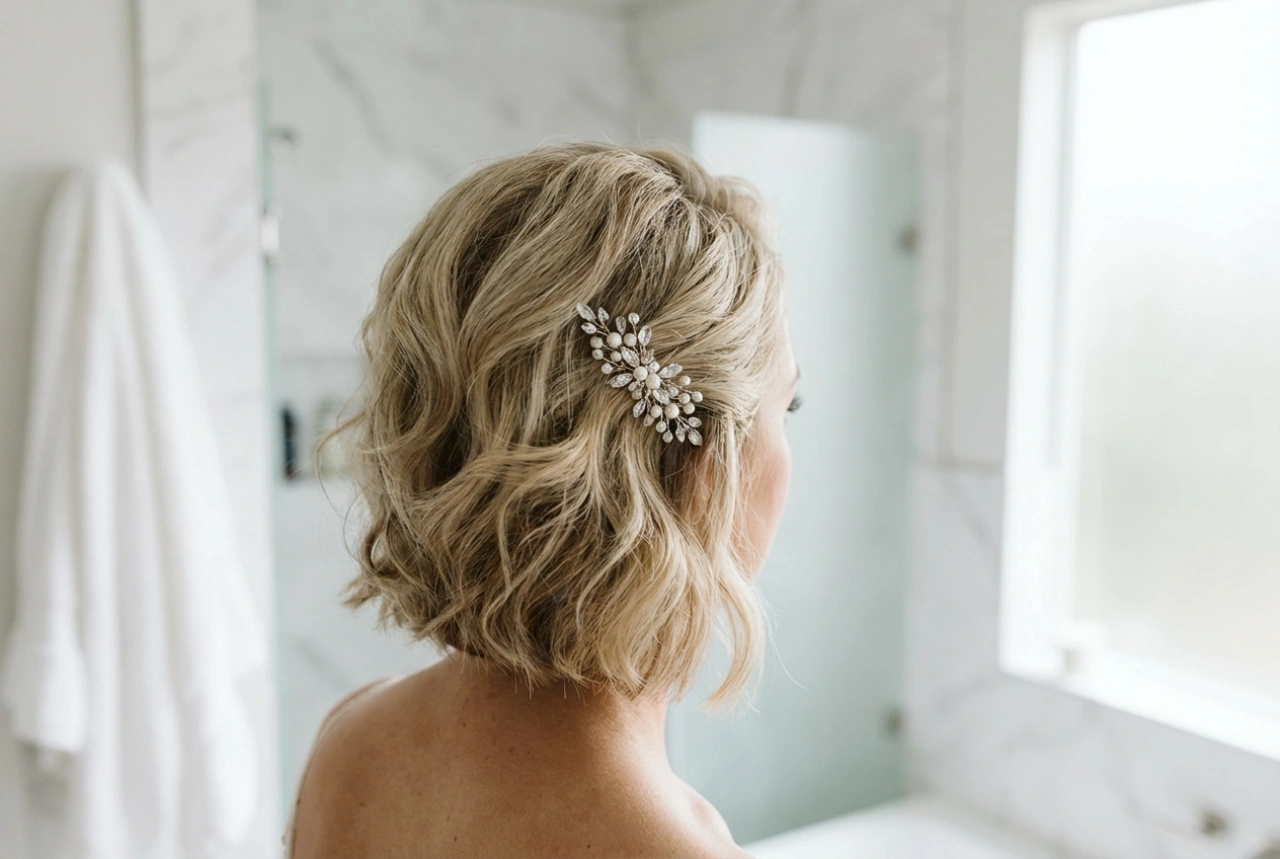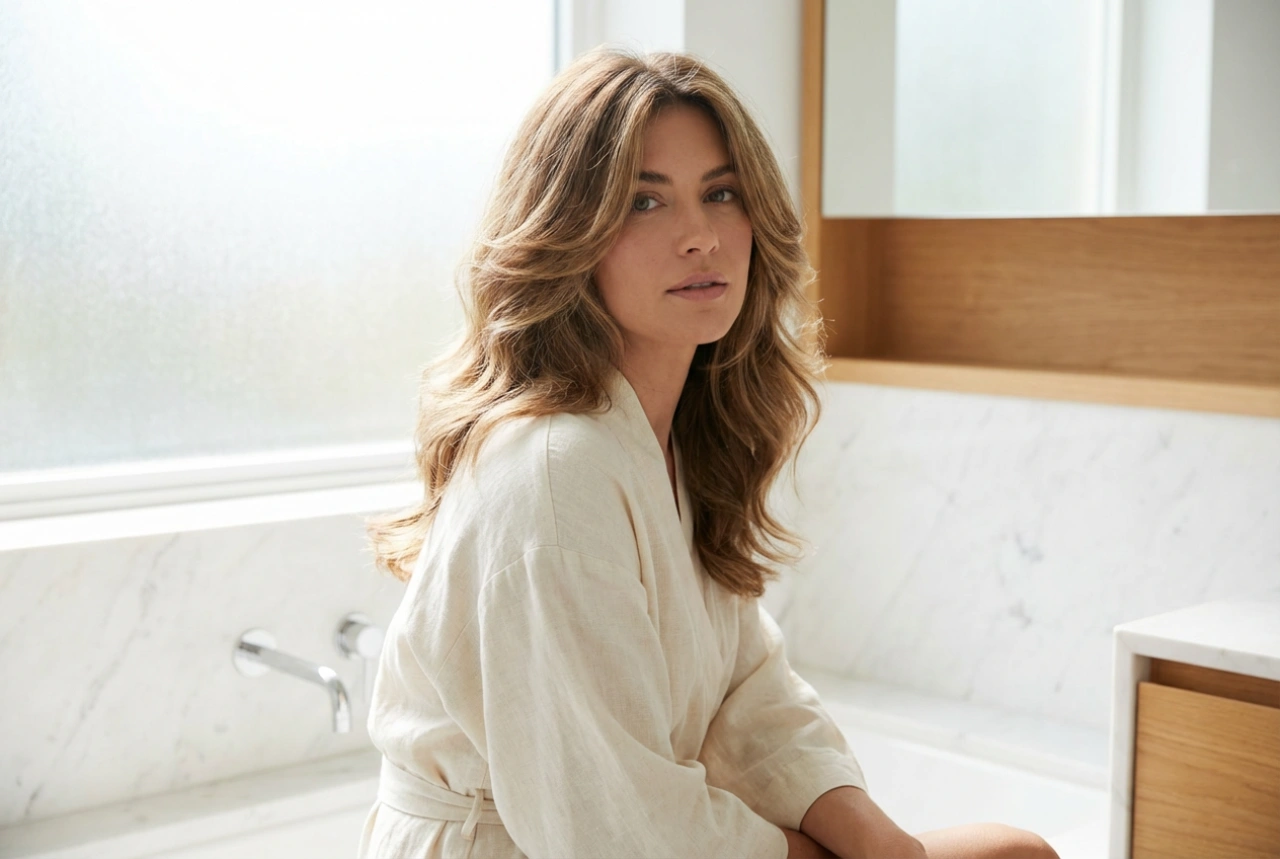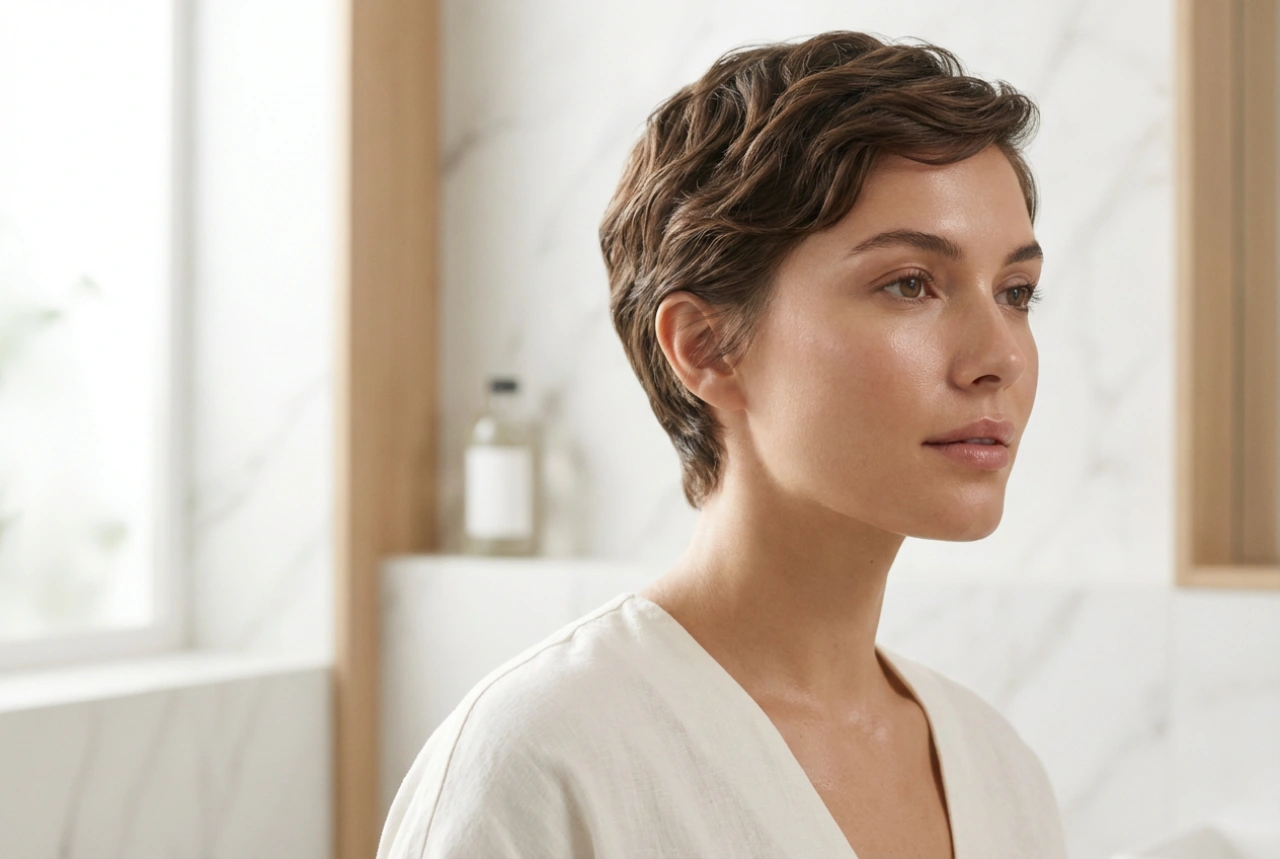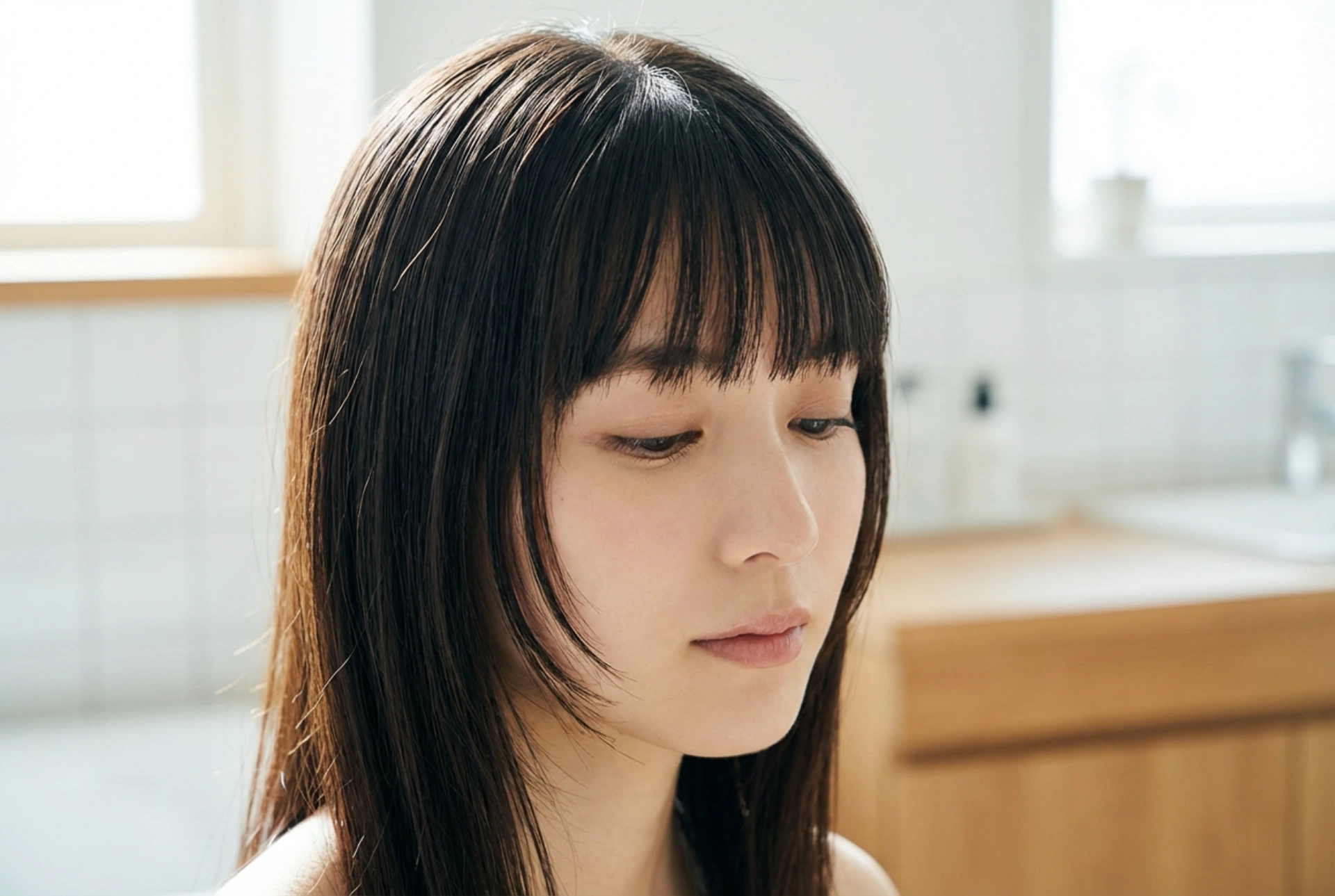


There is an undeniable elegance in a beautifully framed face, especially when highlighted by meticulously styled hair. Layered straight bangs have emerged as a timeless yet modern choice for those seeking to add soft movement and texture to their look. Unlike heavy, blunt fringes, this feathered and texturised style delicately sweeps across the forehead, capturing natural light and creating an effortless, refined aesthetic. Whether you have dark, flowing locks or a shorter, contemporary cut, layered straight bangs offer a versatile way to elevate your personal style while maintaining a soft, approachable beauty.
The Appeal of Layered Straight Fringes
Layered straight bangs, often referred to as wispy or textured straight fringes, strike the perfect balance between structure and softness. While classic straight-across bangs can sometimes look harsh or heavy, adding layers breaks up the solid line. This technique creates a lighter, more dynamic boundary that frames the eyes beautifully without overpowering the rest of the facial features.
This style is exceptionally versatile and works well with various hair types and lengths. By adjusting the density and length of the layers, a skilled stylist can customise the fringe to complement different face shapes. For instance, those with rounder faces might opt for slightly longer, parted layers that elongate the silhouette, while those with oval or heart-shaped faces can enjoy a fuller, more centered texturised look. The key lies in the subtle graduation of length, which blends seamlessly into the side layers of the hair. This seamless transition ensures that even when you tie your hair back in a ponytail or a bun, the face-framing pieces remain elegant and cohesive.
The Art of Cutting and Texturising
Achieving the perfect layered straight fringe requires precision and an understanding of hair movement. The process begins with a clean, dry cut, as wet hair tends to shrink and behave differently once dried. This approach ensures that the length is accurate and aligns perfectly with the brow line, preventing the bangs from becoming unexpectedly short once styled.
Establishing the Guide Line
The first step involves sectioning the hair, typically in a triangle shape starting from the crown to the outer corners of the eyebrows. Once the section is isolated, the stylist establishes the baseline length. Instead of cutting straight across in a single motion, the scissors are held at an angle to create a soft, slightly point-cut edge. This prevents the dreaded "helmet" effect and sets a gentle, fluid foundation for the subsequent layers.
Adding Texture and Movement
Texturising is where the magic happens. By using slide-cutting or point-cutting techniques, the stylist removes weight from the ends of the bangs. This process thins out the density at the tips while keeping the root area fuller. The result is a fringe that moves naturally when you walk, catches the breeze, and does not require constant adjusting throughout the day. Texturising also allows the bangs to part naturally, giving them a relaxed, lived-in quality. It is a highly personalised step, as the stylist must observe how your hair naturally falls and adjust the level of thinning to match your specific hair density.
How to Style Layered Straight Bangs at Home
Styling texturised bangs is surprisingly simple, provided you use the right techniques. Because they are lighter than traditional fringes, they respond quickly to heat and styling products without needing heavy manipulation or excessive product build-up.
- The Blow-Drying Technique: Start with damp hair. Use a medium-sized round brush or a paddle brush. Direct the nozzle of the hairdryer downwards, brushing the bangs from side to side (left to right) across the forehead. This neutralises any natural cowlicks or parting habits, ensuring the bangs fall flat and evenly across your forehead.
- Finishing with a Cool Shot: Once the bangs are nearly dry, use the cool shot button on your hairdryer while brushing them straight down. This locks in the shape, adds natural shine, and minimises frizz without the need for heavy styling sprays that could weigh the hair down.
- Minimalist Flat Ironing: If you prefer a sleeker look, pass a flat iron gently through the ends of the bangs. Curve the iron slightly inwards towards your forehead at the very end to avoid a stiff, stick-straight appearance. Always use a light heat protectant spray beforehand to maintain hair health and shine.
Maintaining Your Fringe Between Salon Visits
To keep your layered straight bangs looking fresh and polished, regular maintenance is essential. Because they sit close to the forehead, they can absorb natural skin oils and skincare products more quickly than the rest of your hair, which may cause them to piece together or look flat by midday.
Quick Refresh Methods
If you do not have time for a full wash, a simple spot-cleaning method works wonders. You can gather your bangs, wash them quickly in the sink with a tiny amount of gentle shampoo, and blow-dry them in under five minutes. Alternatively, a light dusting of starch-based dry shampoo at the roots can instantly absorb excess oil, restore volume, and revive the textured look without leaving a white residue. This keeps your bangs looking fresh and bouncy throughout the day.
Trimming Schedule
To preserve the delicate, eye-framing length of texturised bangs, a trim every three to four weeks is recommended. Many salons offer complimentary or quick fringe trims to keep your style looking intentional and tidy. Avoid the temptation to cut them yourself at home with standard kitchen scissors, as professional shears and precise techniques are necessary to maintain the intricate, feathered layers that make this style so unique and beautiful.