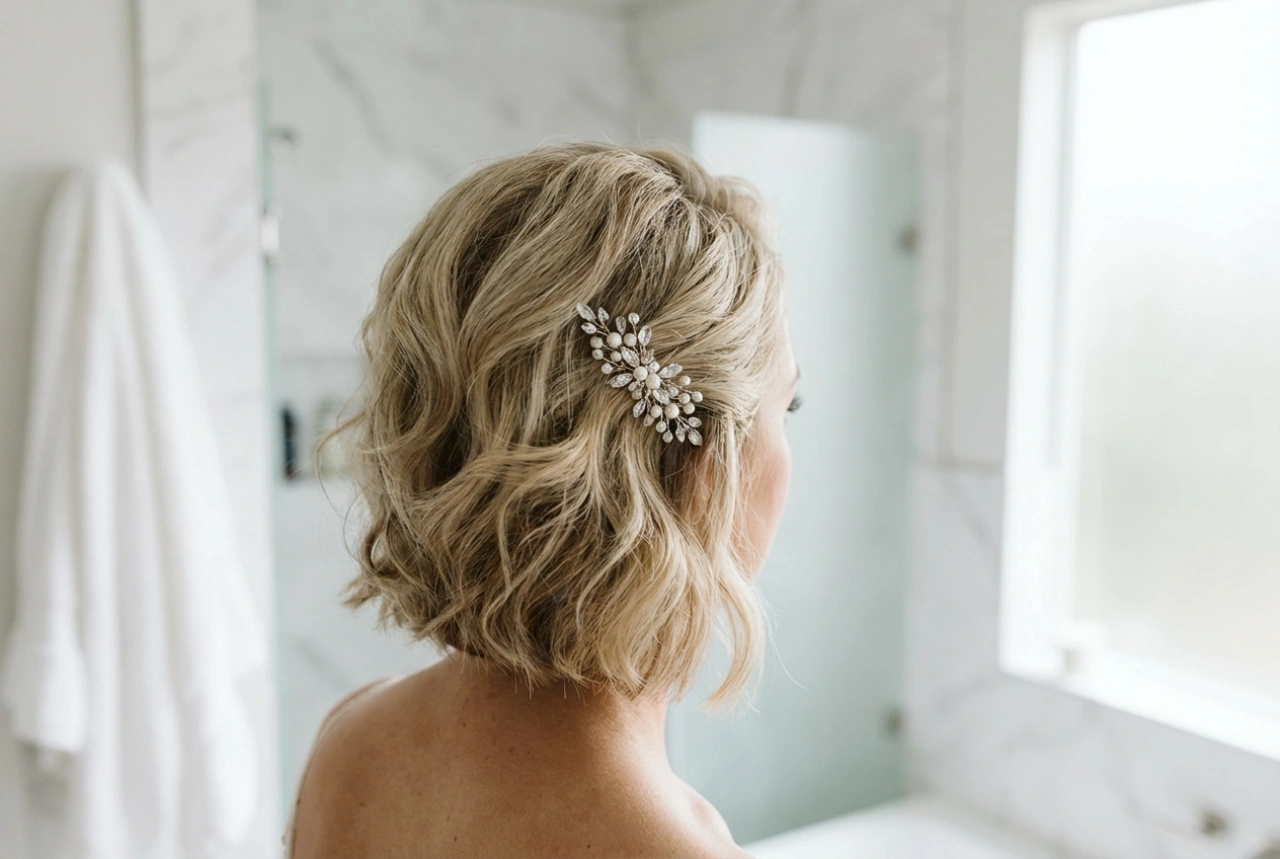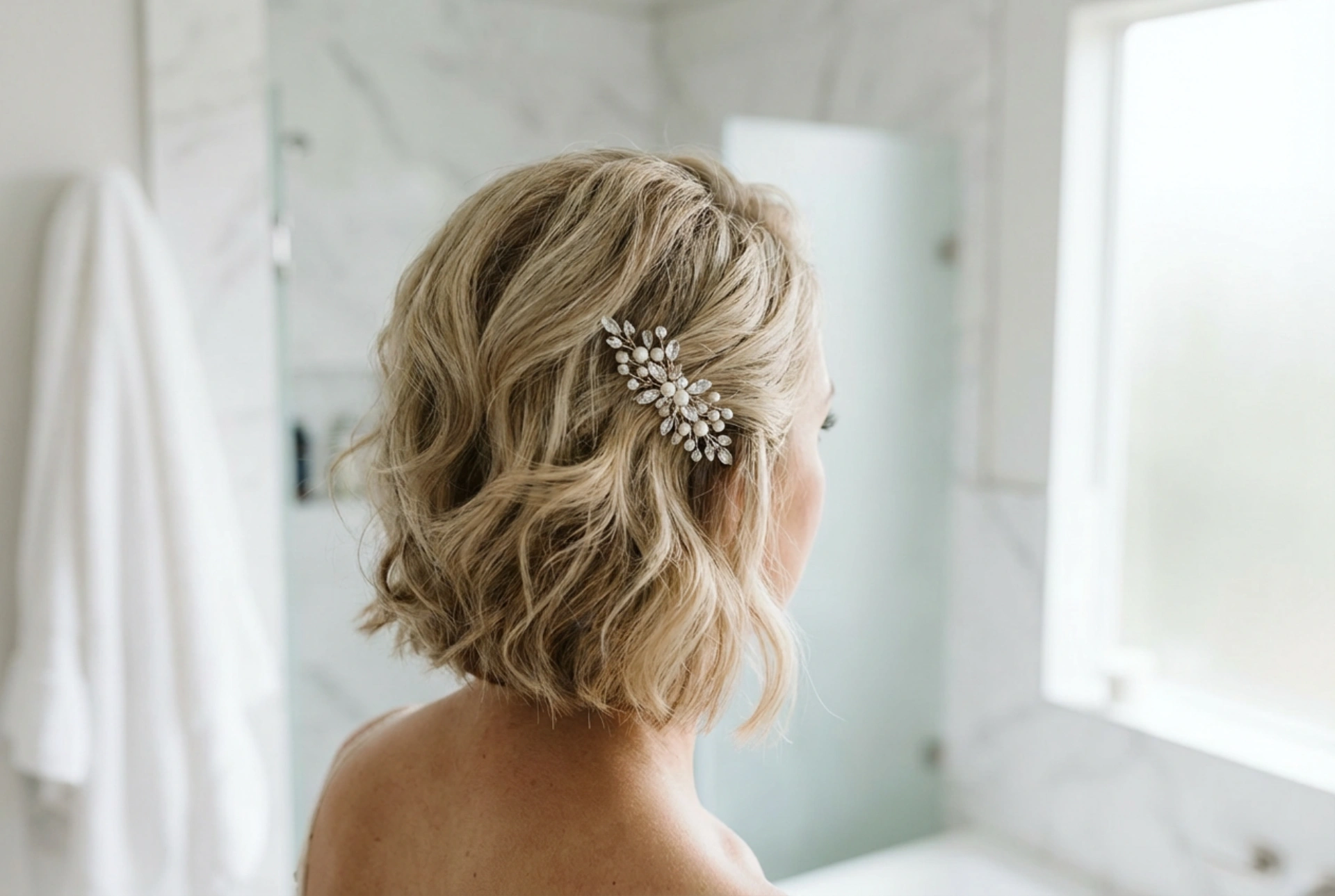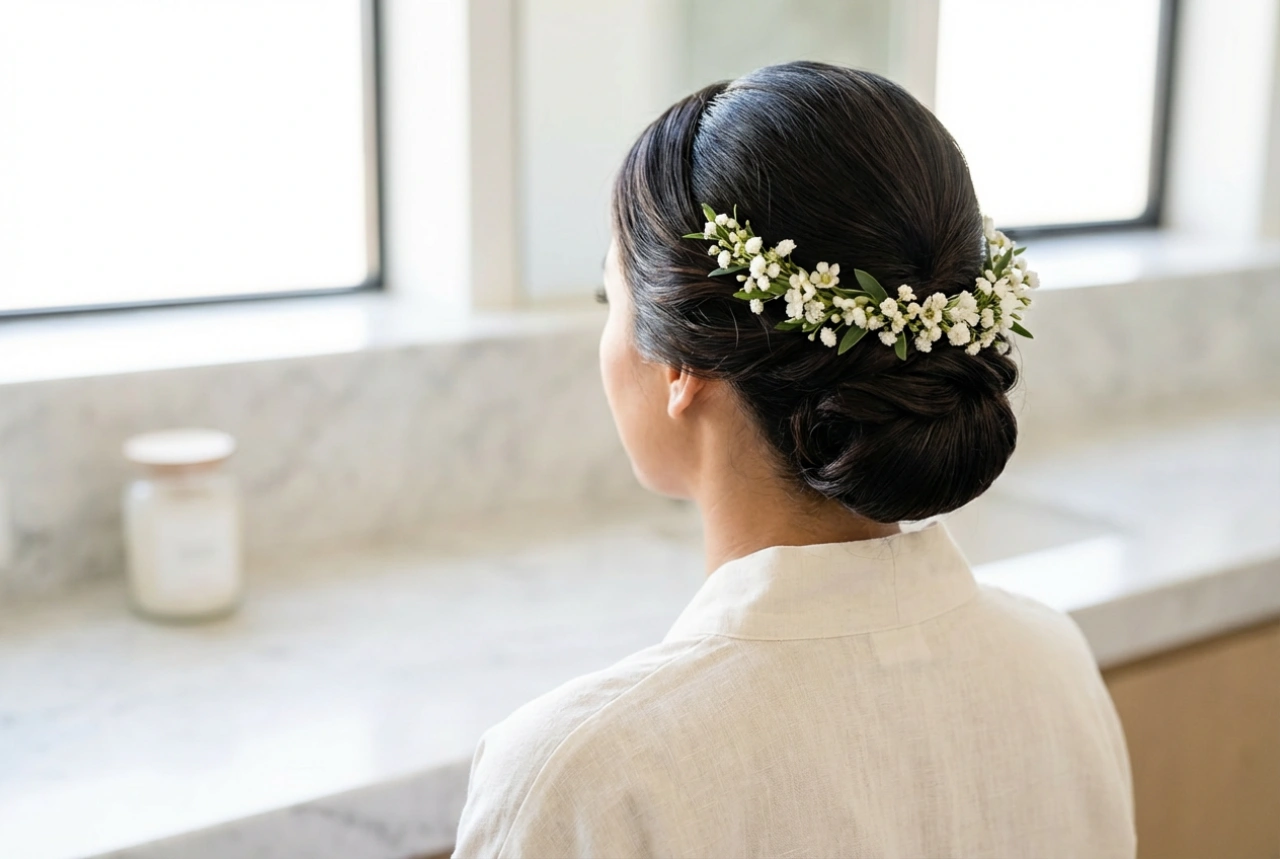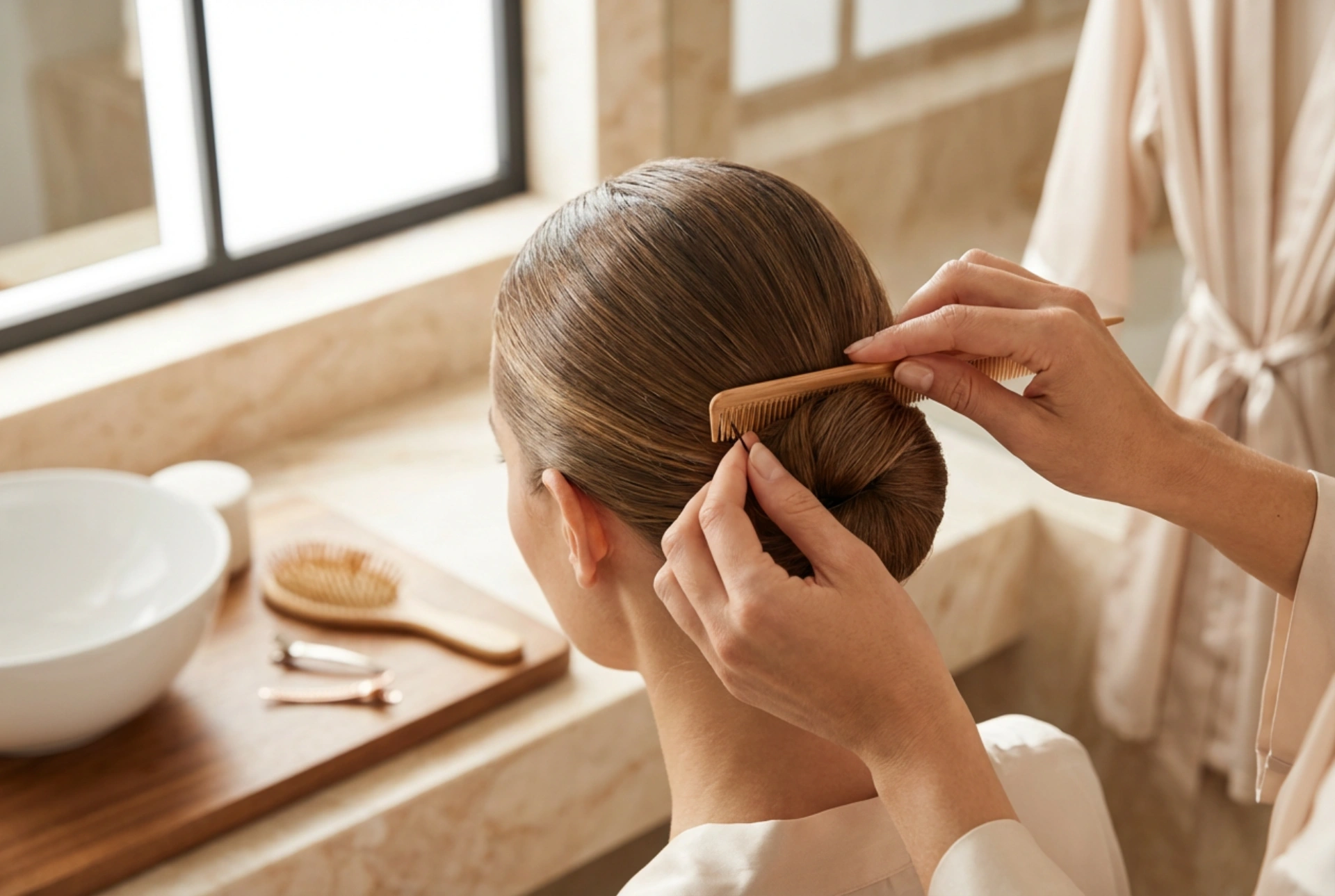


Practising a complex hair design at home requires dedicated focus, where hands meticulously style a polished updo to master both precise technique and a flawless finish. Creating a structured hairstyle for an official examination demands not just creativity, but an absolute control over every single strand. Carrying out a dress rehearsal in a quiet home environment, illuminated by soft, natural light, allows aspiring stylists to identify potential challenges and refine their methodology before the high-pressure environment of the evaluation room.
Setting up Your At-Home Rehearsal Space
A successful practice run begins with replicating the conditions of the test. Find a well-lit, modern space with a large mirror and arrange generic styling tools within easy reach. Having everything systematically organised prevents distraction and keeps the focus entirely on the craftsmanship. Ensure the model's hair or the training head is prepared correctly according to the exam requirements. Typically, hair should be clean, completely dry, and pre-treated to provide the necessary grip or slip depending on the desired outcome. For updos, a slightly texturised base often makes manipulating the sections significantly easier.
Fundamental Techniques for a Structured Updo
An exam-worthy hairstyle must demonstrate structural integrity and balance. Every step must be executed with precision, from the initial sectioning to the final pin placement. Practising these core steps helps build the confidence needed on exam day:
- Sectioning: Divide the hair into clean, logical sections. Clean parting lines are highly valued because they form the foundation of the entire structure and show the examiners your attention to detail.
- Volume and Backcombing: When creating height or volume, backcomb gently from the roots to ensure a stable base that does not collapse. Smooth the outer layer carefully to hide the cushioning underneath.
- Securing and Pinning: Use pins strategically. They should be virtually invisible, securely holding the weight of the hair without causing discomfort. Cross-pinning techniques are highly recommended for ultimate stability.
Refining the Silhouette and Achieving Symmetry
An examiner looks at the hairstyle from every angle, which means symmetry and proportion are paramount. During your home rehearsal, step back frequently to evaluate the silhouette. Check the balance from the front, profile, and back. The shape should complement the face shape and head structure. Use a hand mirror to inspect the back of the updo, or take photos from various angles to spot any minor imperfections that might not be immediately visible in a standard mirror.
Mastering the Flawless Finish
The difference between an average hairstyle and an outstanding, exam-ready updo lies in the finish. Eliminating flyaways and securing a clean texture requires patience and the right touch. Consider these finishing touches during your practice:
- Smoothing: Use a fine-tooth styling brush or a clean mascara wand lightly misted with a medium-hold spray to tame unruly baby hairs along the hairline.
- Applying Hold: Avoid over-saturating the hair with heavy products early in the process. Build up the hold gradually using lightweight, workable sprays that allow for adjustments.
- Clean Lines: Ensure that no structural elements, such as elastic bands or padding, are exposed. The final look must appear effortless yet impeccably structured.
Simulating Exam Conditions
The final step of your at-home dress rehearsal is incorporating time limits. During the actual test, time pressure can affect your precision. Set a timer and try to complete the entire look within the allocated exam slot, leaving at least ten minutes at the end for finishing touches and cleaning up the workspace. Repeatedly practising under timed conditions builds muscle memory, transforming conscious, hesitant movements into confident, swift, and highly professional techniques.