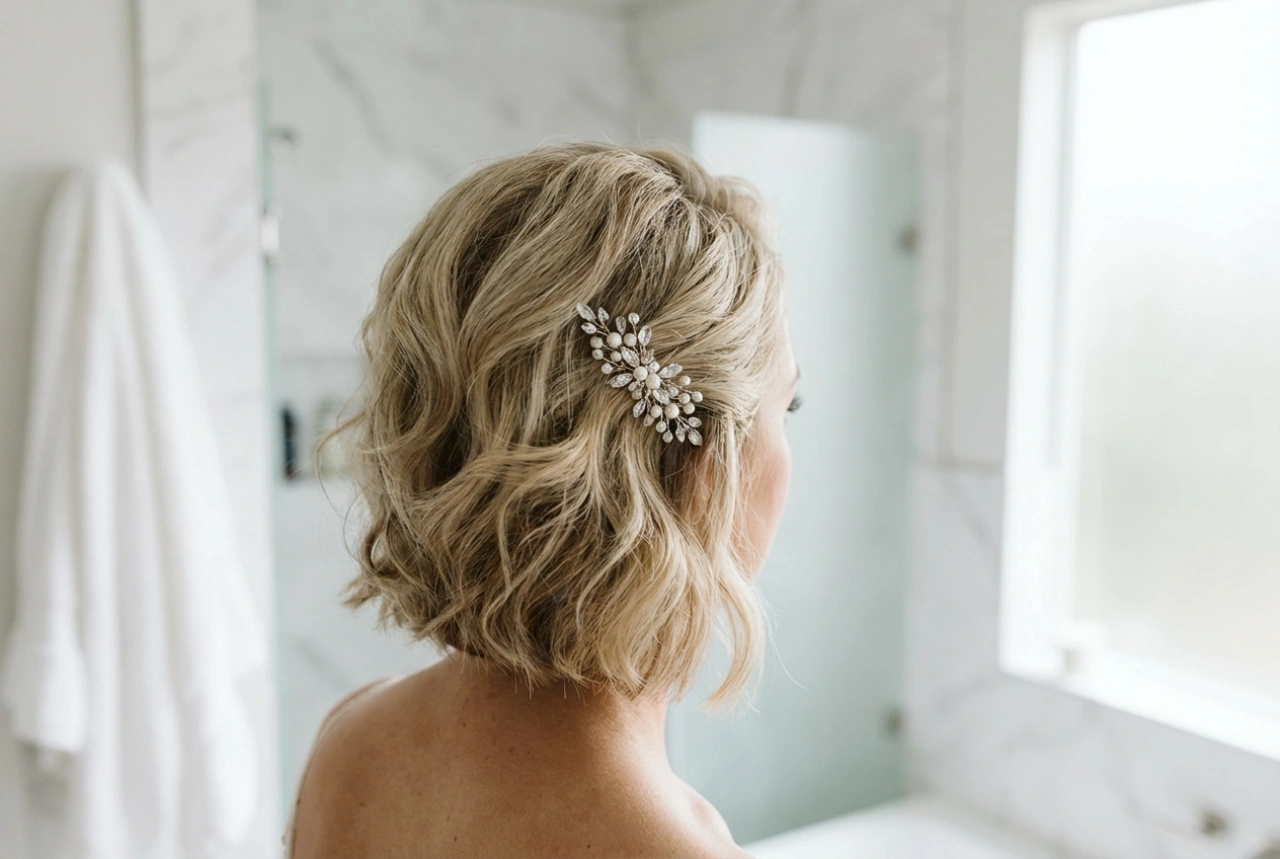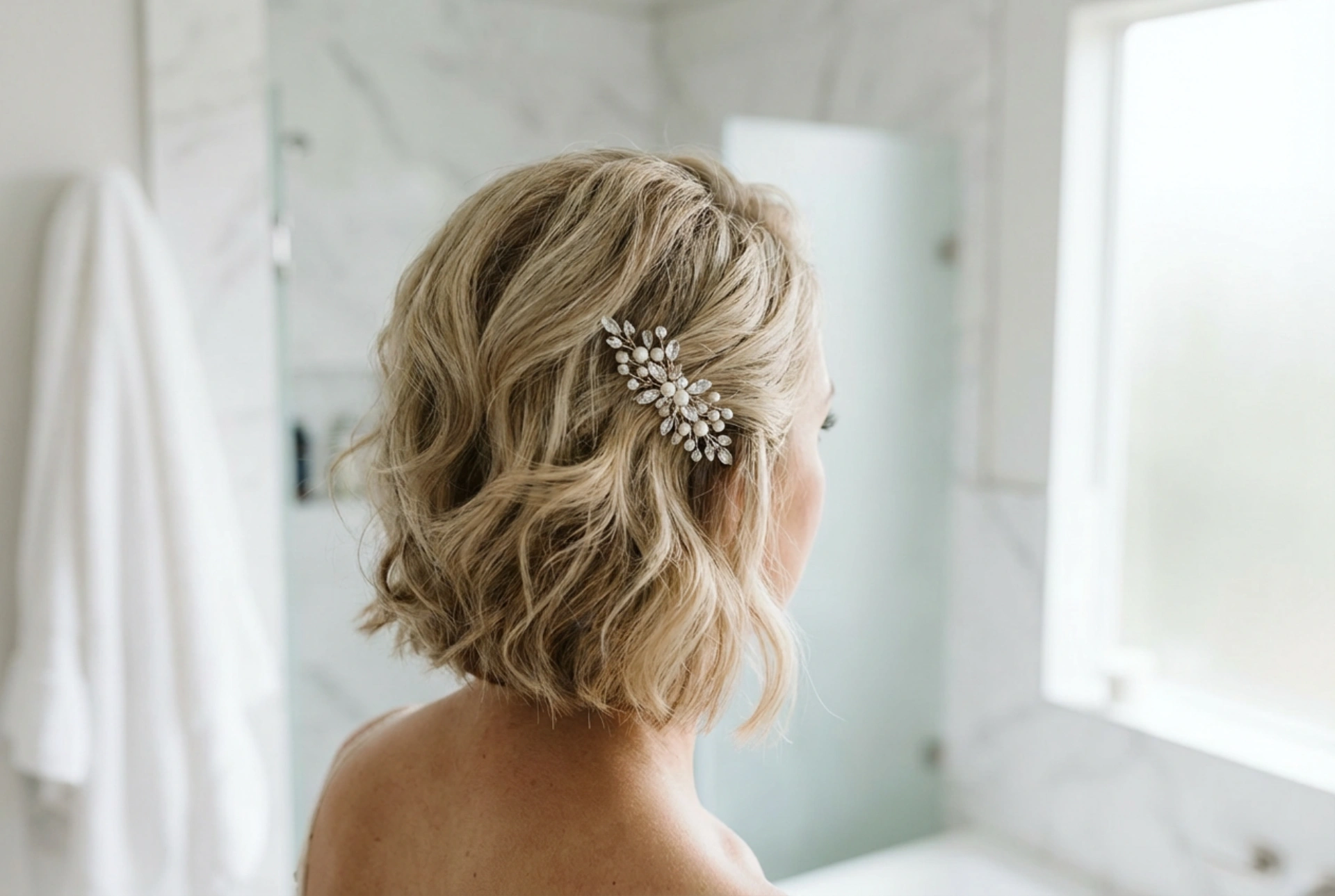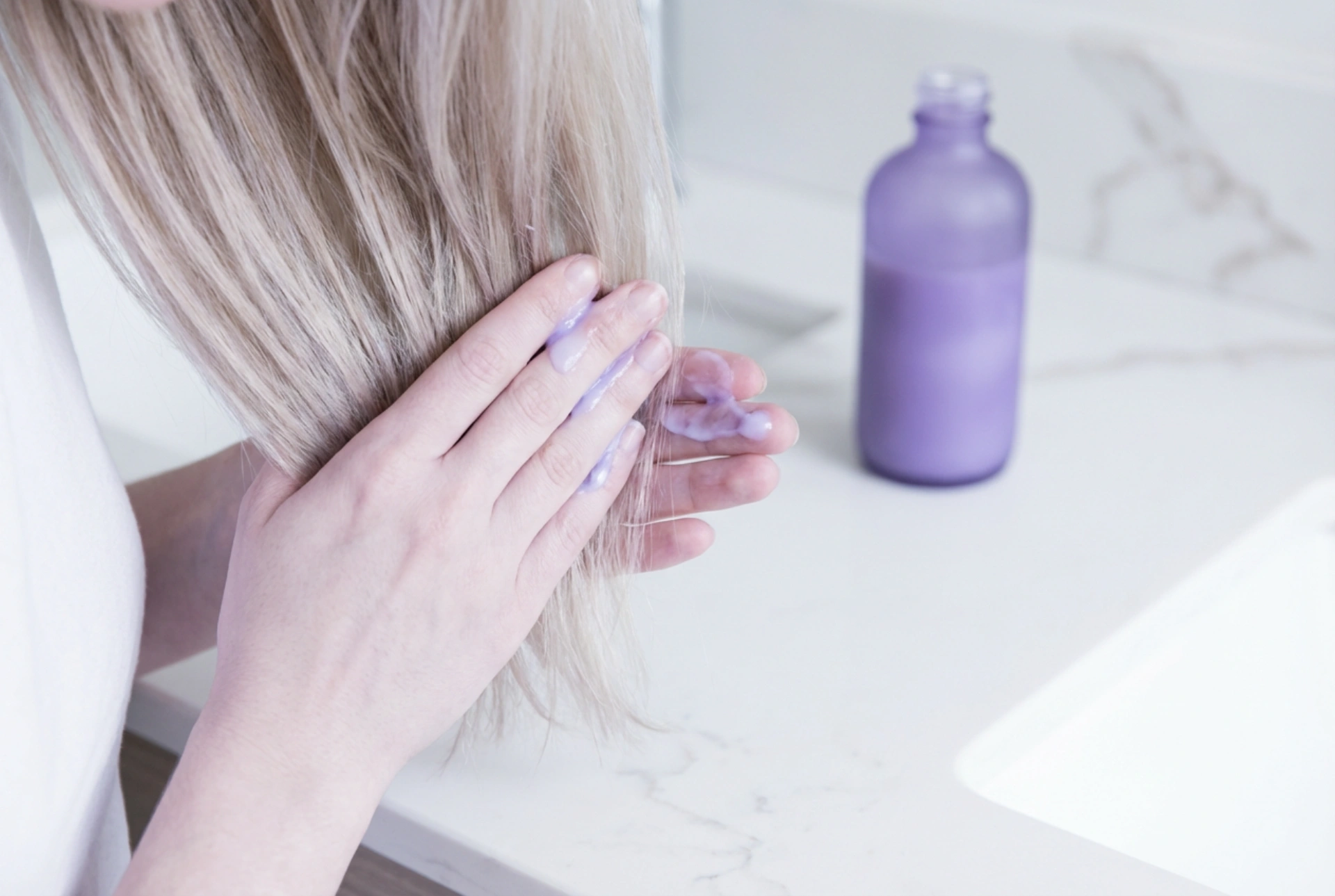


A soft, cool-toned hand gently massaging a velvety purple conditioner into elegant blonde hair, set against a minimalist bathroom vanity under natural light, represents the ultimate self-care ritual for lightened locks. Maintaining a cool, radiant blonde or grey shade can feel like an ongoing challenge, especially when warm, brassy undertones begin to surface. Unwanted yellow tones are a natural consequence of oxidation, environmental exposure, and daily styling. Fortunately, achieving a fresh, cool tone is entirely possible at home. By integrating a dedicated violet-pigmented conditioning treatment into your weekly beauty routine, you can easily neutralise warmth while restoring essential hydration to your hair fibres.
Understanding Why Blonde Hair Turns Brassy
To effectively manage warm undertones, it is helpful to understand why they appear in the first place. When hair is lightened, the natural pigments are lifted to reveal a lighter base. However, the deepest, most resilient natural pigments in hair are warm red and yellow tones. Over time, external factors accelerate the exposure of these underlying shades. Exposure to UV rays from the sun, minerals in hard water, pollution, and the heat from styling tools all contribute to the fading of cool tones. This process, known as oxidation, gradually replaces your crisp, cool blonde with a warmer, brassy hue. Rather than a sign of damage, brassiness is simply a natural reaction that requires targeted nourishment to correct.
The Science of Colour Correction
The secret to eliminating brassy tones lies in the fundamentals of colour theory. If you look at a standard artist's colour wheel, purple sits directly opposite yellow. In the world of hair care, complementary colours are used to neutralise one another. When you apply a purple-pigmented product, the violet dyes physically deposit onto the surface of the hair shaft. Because purple and yellow are opposites, the cool violet pigments absorb and cancel out the warm yellow reflections. This optical correction instantly makes the hair look brighter, cooler, and more refreshed. Unlike standard permanent colour, a toning conditioner offers a gentle, non-chemical way to refresh your look without causing structural stress to the hair.
Step-by-Step Guide to Applying Purple Conditioner
Using a toning conditioner requires a slightly different approach than your standard daily hydrating product. To achieve even, beautiful results without patchy spots, follow this simple step-by-step method at home.
Step 1: Thorough Cleansing
Begin by washing your hair with a gentle, colour-safe shampoo. This initial step is crucial because it removes styling residue, natural sebum, and environmental build-up from the hair surface. Clean hair ensures that the violet pigments in your conditioner can adhere evenly and penetrate effectively without being blocked by barriers.
Step 2: Removing Excess Water
After rinsing out your shampoo, gently squeeze the excess water from your hair. You can use a soft microfibre towel to blot the lengths gently. If your hair is dripping wet, the water will dilute the purple conditioner, reducing its toning efficacy and causing the product to slide off the strands rather than absorbing properly.
Step 3: Precise Application
Dispense a generous amount of the purple conditioner into your hands. Starting from the mid-lengths, gently massage the product into your hair, working your way down to the tips. Focus specifically on areas that tend to show the most warmth, such as the face-framing pieces and the ends of the hair. Avoid applying large amounts directly to the roots unless they also require toning, as the scalp area usually needs lighter hydration.
Step 4: Mindful Development Time
Allow the product to sit and work its magic. For a subtle, refreshing effect, leave the conditioner on for three to five minutes. If you are dealing with more stubborn yellow tones, you may leave it on for up to ten minutes. If you are using the product for the first time, it is always wisest to start with a shorter duration to assess how porous your hair is and how quickly it absorbs the pigment.
Step 5: Thorough Rinsing
Rinse your hair thoroughly with cool or lukewarm water. Cool water helps to seal the hair cuticles, locking in both the hydrating ingredients and the cool-toned pigments. Ensure that the water runs completely clear to prevent any temporary staining on towels or clothing.
Finding the Right Balance and Frequency
While purple conditioner is an incredible tool, consistency and moderation are key to maintaining a beautiful result. Because hair structure varies, highly porous or damaged hair will absorb cool pigments much faster than healthy, low-porosity hair. Overusing purple products can lead to over-toning, which may leave your hair looking slightly dull, grey, or even with a subtle lavender cast. To avoid this, use your purple conditioner once or twice a week. On the other days, use a deeply nourishing, colour-safe hydrating conditioner to restore moisture and keep the hair soft and shiny.
Essential Tips for Maintaining Cool Blonde Tones
- Always rinse your hair with cool water to maintain closed cuticles and prevent pigment loss.
- Use a quality heat protectant spray before using hair dryers, straighteners, or curling irons, as high heat can strip away cool tones rapidly.
- Consider using a shower filter if you live in an area with hard water, as mineral build-up is a primary cause of rapid brassiness.
- Incorporate a weekly deep conditioning mask to support the overall health and elasticity of lightened hair.