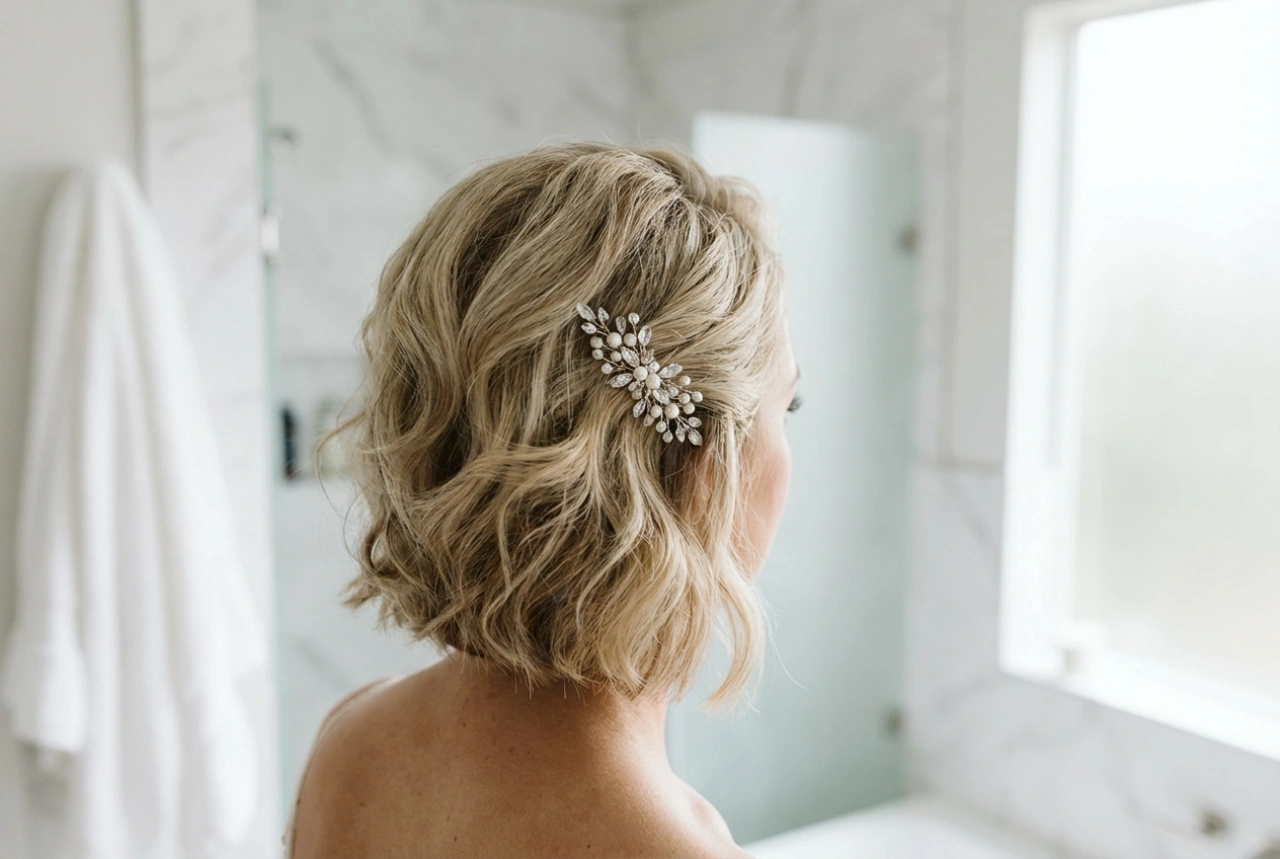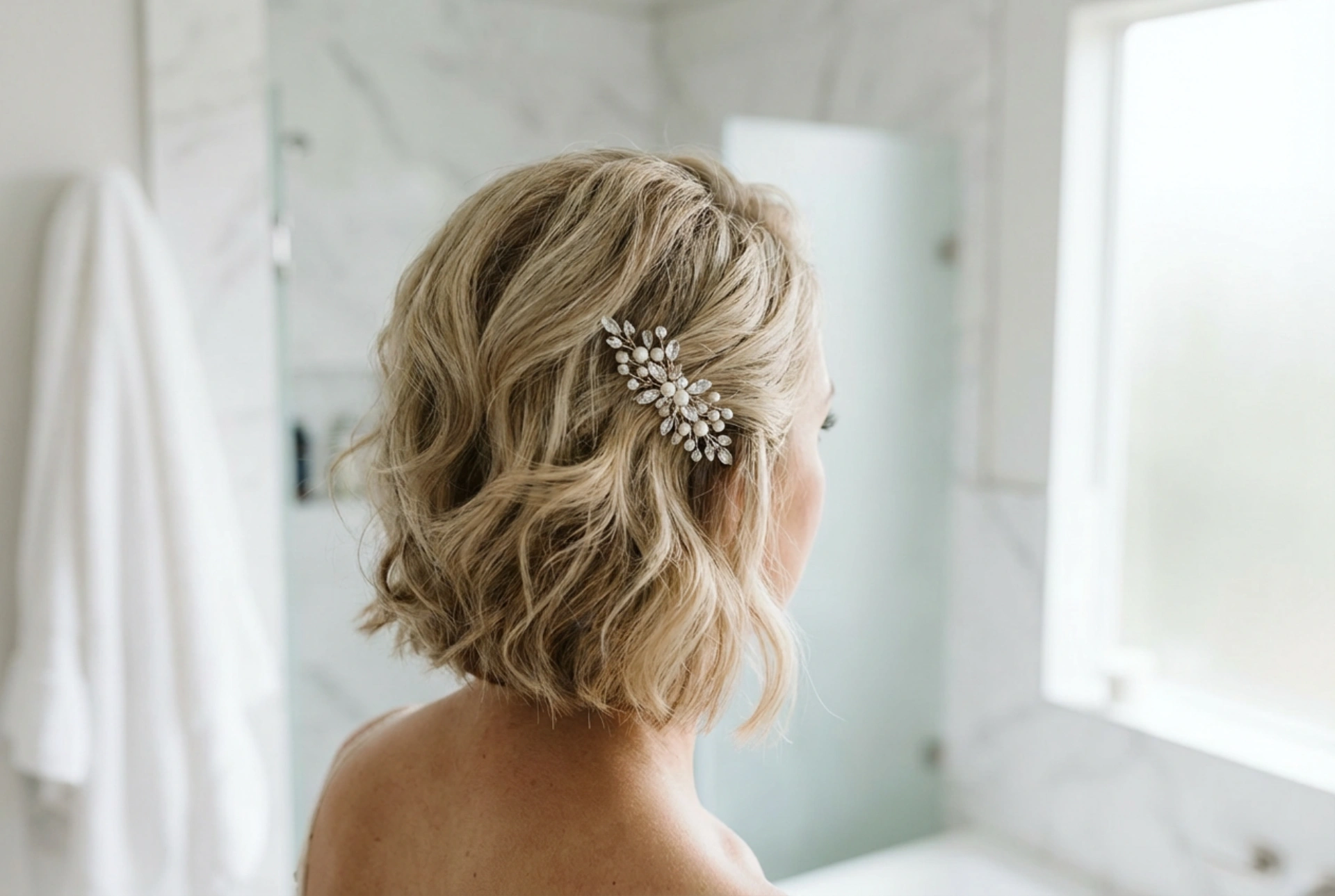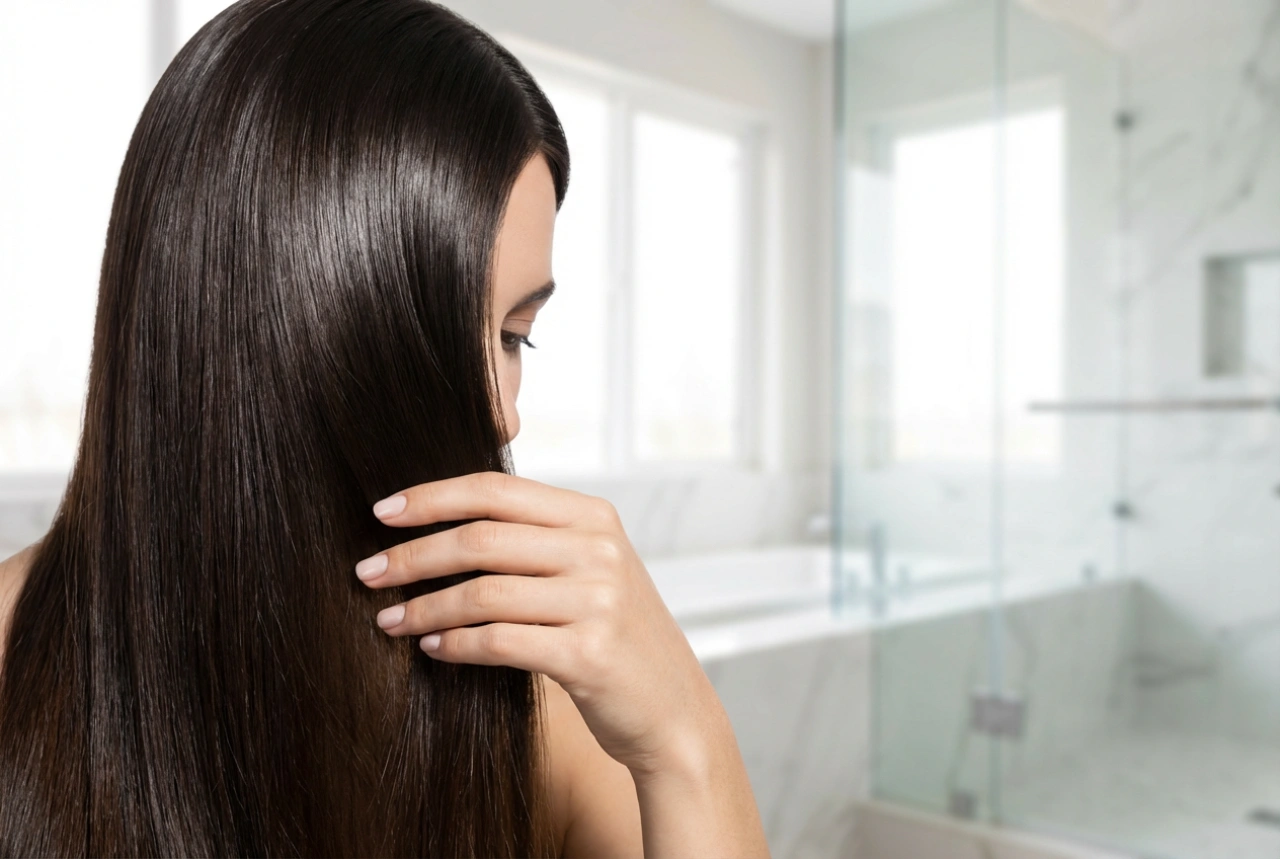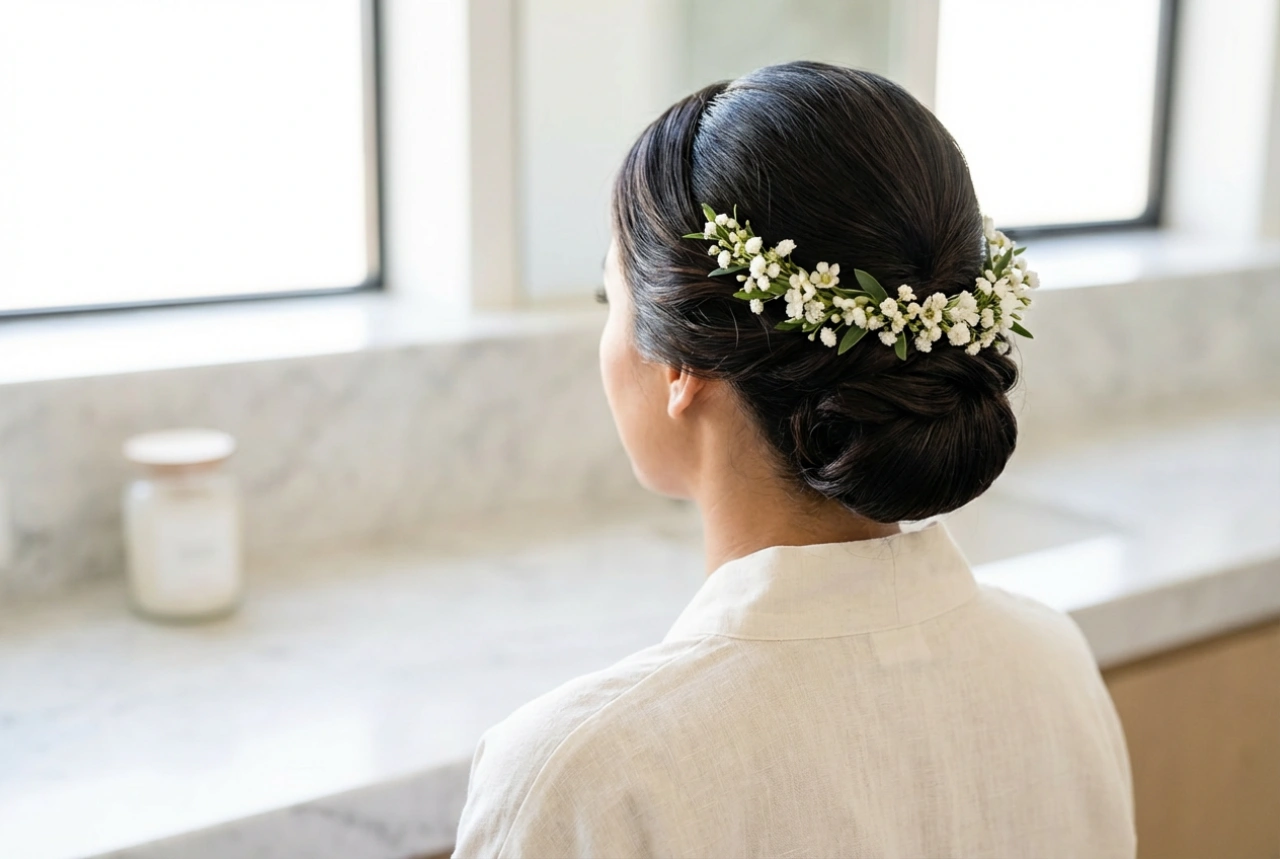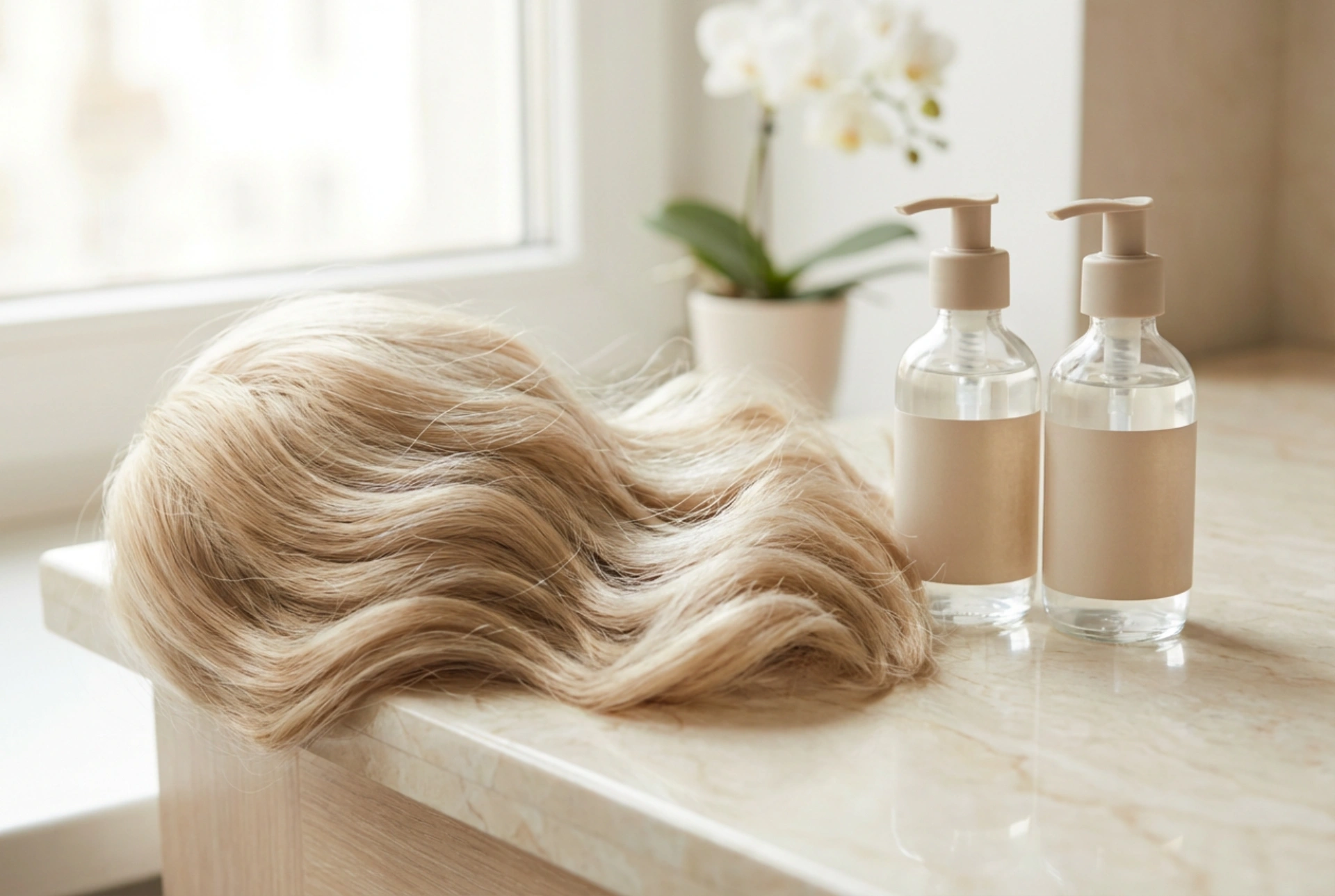


Gently styled synthetic hairpieces have become an essential element of modern beauty routines, offering exceptional versatility and a polished look with minimal effort. Whether displaying soft, elegant waves arranged on a clean vanity table next to minimalist care bottles, or worn in an elaborate hairstyle for a special occasion, synthetic hair provides a practical solution for adding volume, length, and texture. Unlike natural human hair, synthetic strands are designed to hold their pre-set style through various weather conditions. However, to keep these pieces looking their best and to extend their longevity, they require a specialised care and styling routine that respects the unique nature of synthetic fibres.
Understanding Synthetic Hair Fibres
Synthetic hair is manufactured from high-quality polymer fibres, such as kanekalon or modern polyester-based materials, which are engineered to mimic the weight, shine, and movement of natural human hair. One of the main advantages of synthetic hair is its "style memory." This means that once a certain pattern—such as soft waves or straight locks—is set into the fibre, it will retain that shape even after being washed or exposed to humidity. This makes synthetic hairpieces incredibly low-maintenance for daily wear.
However, this structural memory also means that synthetic fibres do not react to styling in the same way as natural hair. Standard synthetic strands are highly sensitive to heat. Applying conventional flat irons, curling tongs, or hot blow dryers can melt or permanently distort the delicate plastic fibres. While some modern synthetic pieces are labelled as "heat-friendly" or "heat-resistant," they still require extreme caution and a strictly controlled temperature range. Understanding the specific type of fibre you are working with is the first step in avoiding accidental damage during your styling routine.
Daily Maintenance and Gentle Washing Routine
Keeping synthetic hair looking soft and lifelike requires a gentle touch and the right tools. Daily maintenance should always begin with careful detangling. Using a standard fine-tooth comb can stretch or snap the synthetic fibres, leading to frizz and static. Instead, opt for a wide-tooth comb or a specialised loop brush, which glides smoothly through the strands without pulling. Always start detangling from the very ends of the hair, slowly working your way up to the roots to prevent creating tight knots.
Washing your synthetic hairpieces should not be a daily chore. In fact, washing them too frequently can strip the fibres of their protective outer coating, making them look dull. As a general rule, a synthetic hairpiece only needs to be washed after twelve to fifteen wears, or when it begins to feel sticky or lose its natural movement. To wash the piece, fill a clean basin with cool or lukewarm water. Avoid hot water at all costs, as it can ruin the styled pattern of the fibres. Dissolve a small amount of mild, sulphate-free shampoo into the water, then submerge the hairpiece. Gently swish it around for a few minutes without scrubbing or twisting the hair. Rinse thoroughly with cool, running water until all soap residue is removed.
Conditioning and Drying Techniques
After rinsing, conditioning is essential to restore the softness and flexibility of the synthetic fibres. Apply a small amount of synthetic-safe leave-in conditioner or a diluted fabric conditioner to the strands, focusing on the mid-lengths and ends. Avoid applying conditioner near the attachment base or cap of the hairpiece, as this can loosen the hand-tied knots or glue. Do not rinse the conditioner out if it is a leave-in formula. To dry, gently pat the hairpiece with a soft microfibre towel to absorb excess moisture. Never wring or squeeze the hair. Place the piece on a hair stand or a clean towel and allow it to air dry naturally in a well-ventilated room, away from direct sunlight and artificial heat sources. Never brush synthetic hair while it is wet, as this can permanently stretch and deform the fibres.
Styling Waves, Updos, and Creative Looks
Creating beautiful hairstyles with synthetic hair is highly rewarding once you master the correct techniques. If you wish to style soft waves into a straight synthetic piece, heatless methods are the safest and most effective option. You can set the hair in foam rollers or flexi-rods while it is slightly damp, letting it dry completely to lock in the curls. Alternatively, braiding the hairpiece and allowing it to set overnight will create a beautiful, crimped wave texture without risking heat damage.
For structured updos, synthetic hair is excellent because it provides instant volume and holds its shape exceptionally well throughout the day. To create an elegant bun, a high ponytail, or a braided crown, start by secure-pinning the hairpiece to a styling head to prepare the look. Use smooth, high-quality hairpins and soft elastic ties that do not have metal joiners, as these can easily snag the synthetic strands. If you are blending a synthetic piece with your natural hair, ensure your natural hair is styled to match the texture of the hairpiece beforehand. Using a light mist of water or a dedicated synthetic shine spray can help blend the two textures seamlessly, giving a natural and sophisticated finish.
Preventing Static and Storing Your Hairpieces
One of the most common challenges with synthetic hair is static electricity, especially during the colder months when friction against winter coats, scarves, and hats is high. To prevent static build-up, you can lightly mist your hairpiece with a mixture of water and a few drops of synthetic conditioner before wearing it. This creates a lightweight barrier that reduces friction and keeps the strands lying smoothly.
Proper storage is equally important for maintaining the shape and texture of your hairpieces when they are not in use. Store your synthetic hair on a dedicated wig stand or mannequin head to keep it upright and tangles at bay. If you need to store it away for a longer period, place it flat in its original box or a breathable silk bag, making sure it is completely dry first. Gently folding the hairpiece and wrapping it in a soft hairnet will prevent the strands from shifting and knotting during storage, ensuring it is ready for your next elegant styling session.