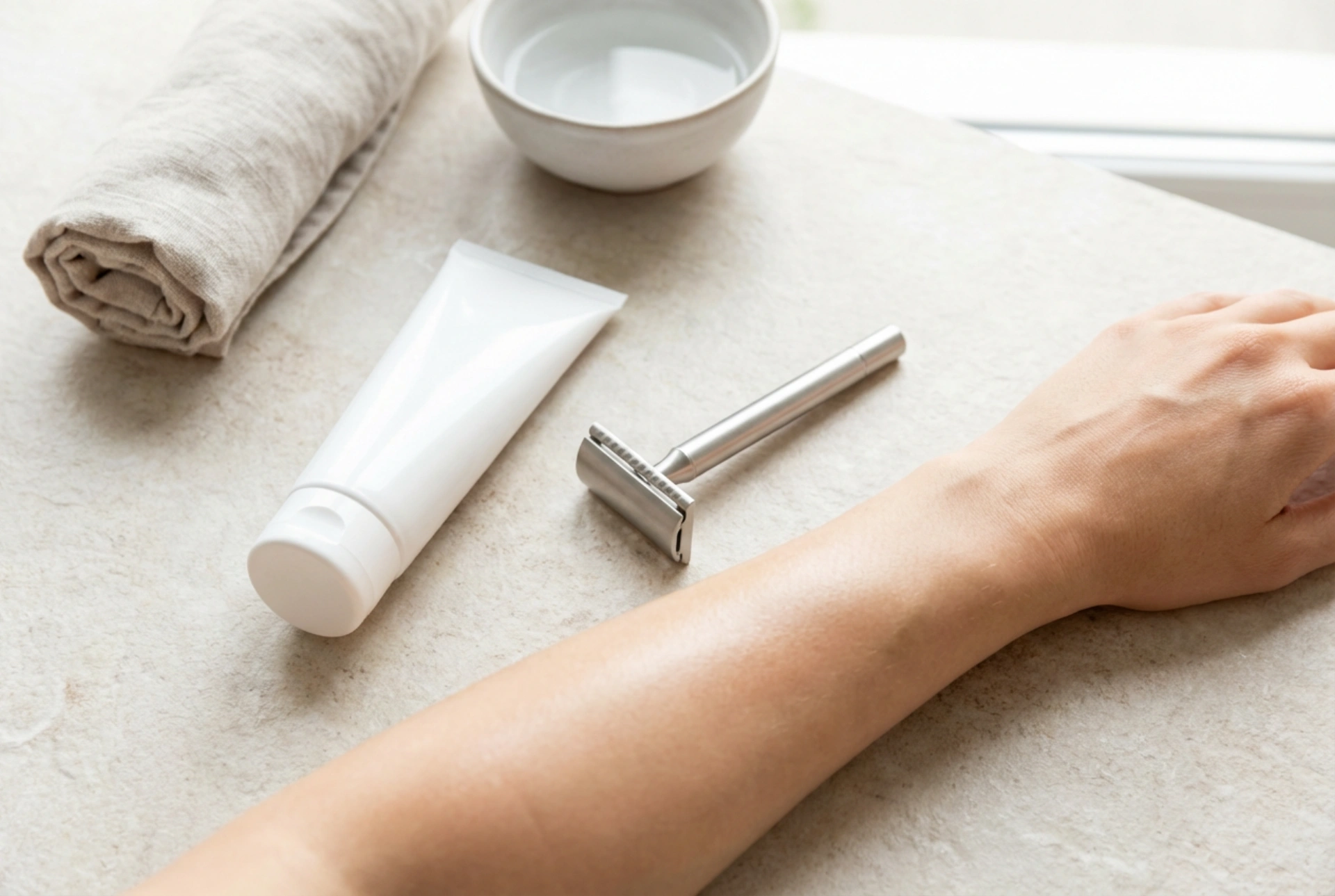


Achieving smooth, radiant skin is a core part of many modern beauty routines. When we envision a minimalist flat lay featuring an elegant, unbranded tube of depilatory cream next to a simple razor, it evokes a sense of gentle and effective personal care. However, navigating the claims of long-lasting or permanent hair removal requires a clear understanding of the science behind these products and how to protect your skin barrier.
The truth about permanent hair removal creams
Many people search for an easy solution to stop hair growth permanently. It is important to clarify that standard over-the-counter depilatory creams cannot achieve permanent results. These topical formulas work by using active alkaline chemicals to dissolve the keratin protein structure of the hair just at or slightly below the surface of the skin. Once the structure is weakened, the hair can be gently wiped away.
Because the hair follicle itself remains completely untouched and healthy deep within the skin, the hair will inevitably grow back. For most individuals, regrowth begins within a few days, similar to the timeline of shaving. While some products claim to slow down regrowth, they merely refine the texture of the hair rather than stopping its cycle entirely.
Understanding the hair growth cycle
To understand why permanent hair removal is so challenging to achieve at home, it helps to look at how hair grows. Every hair on our body goes through three distinct phases: the active growth phase, the transitional phase, and the resting phase. At any given moment, different hairs are in different stages. Home hair removal methods, including depilatory creams and shaving, only address the hair that is visible on the surface. Since new hairs are constantly entering the active growth phase beneath the skin, consistent maintenance is required to keep the skin feeling continuously smooth.
Safe and gentle alternatives for longer-lasting smoothness
If you desire longer-lasting results than those offered by quick depilatory creams, several excellent methods can be performed safely at home. These techniques focus on removing the hair from the root, which naturally extends the time it takes for new hair to appear.
- Sugaring paste: This traditional, gentle technique uses a natural paste made of sugar, water, and lemon juice. The paste is applied against the direction of hair growth and flicked off in the direction of growth, minimising skin irritation and efficiently removing hair from the root.
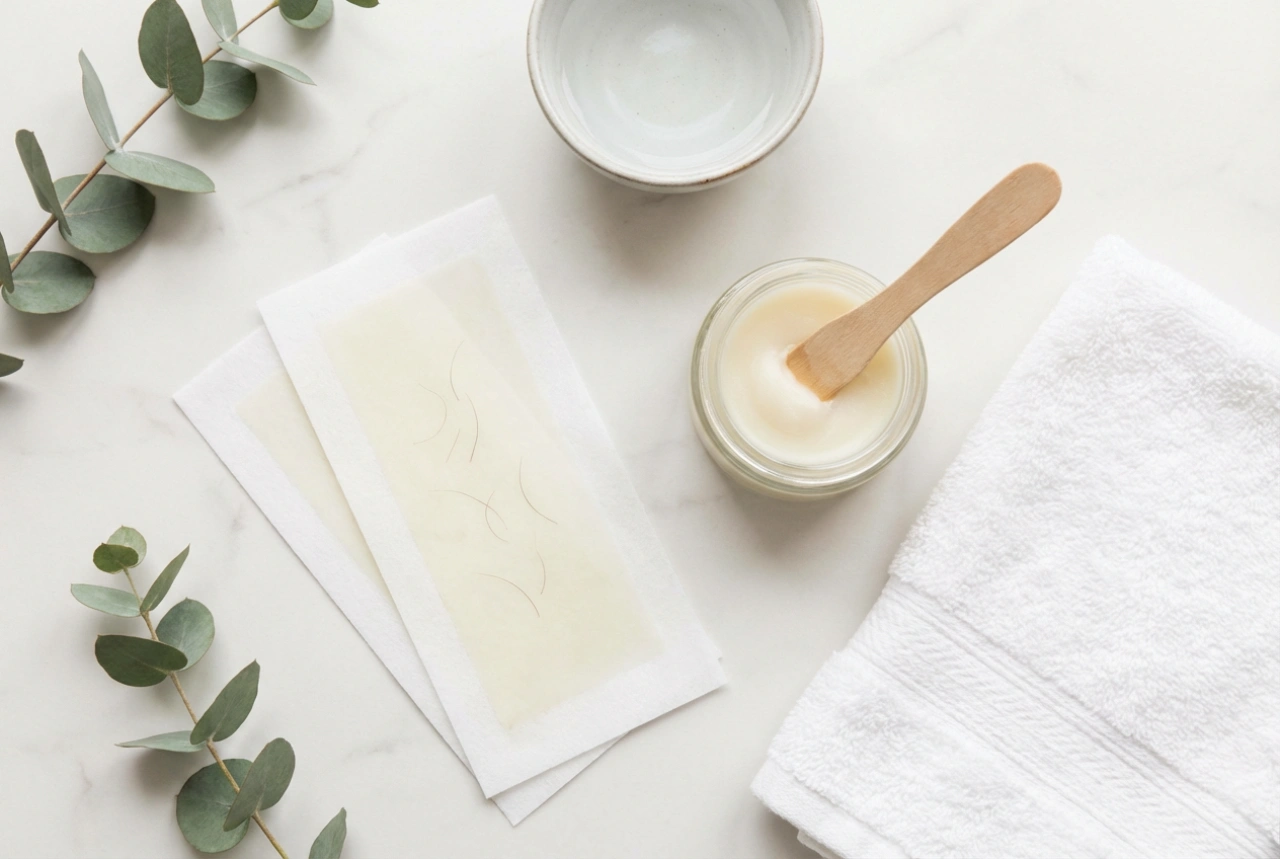
- Warm waxing: Ideal for larger areas like the legs, waxing adheres to the hair and lifts it directly from the follicle. This method can keep the skin smooth for up to four weeks, though it requires a careful hand to avoid overheating the wax.
- Mechanical epilation: Handheld epilators mechanically grasp and pull multiple hairs from the root. Regular use often results in finer and softer regrowth over time.
A step-by-step guide to using depilatory creams safely
If you choose to use depilatory creams, protecting your skin from chemical sensitivity is paramount. Follow these essential safety steps to ensure a comfortable experience:
Perform a patch test
Before applying the cream to a larger area, apply a tiny amount to a small, discreet patch of skin, such as your inner elbow. Wait twenty-four hours to monitor for redness, itching, or swelling. If no reaction occurs, you can proceed with confidence.
Cleanse and dry the skin
Ensure the target area is completely clean and dry. Removing residual oils and perspiration allows the cream to work evenly without needing excess product.
Monitor the application time strictly
Never exceed the recommended application time stated on the product packaging. Leaving chemical formulas on the skin for too long can lead to surface irritation or mild chemical burns.
Rinse thoroughly with cool water
After gently wiping the cream away, wash the entire area with plenty of cool or lukewarm water. Ensure no chemical residue remains on the skin to prevent delayed irritation.
Nurturing your skin after hair removal
Post-depilation care is crucial for maintaining a healthy and radiant skin barrier. After hair removal, the skin can be temporarily sensitive. Apply a generous amount of a mild, fragrance-free moisturiser containing soothing ingredients like aloe vera or chamomile to help calm the skin and lock in essential hydration. Avoid using harsh exfoliants, heavily perfumed products, or direct sun exposure for at least twenty-four hours to keep your skin looking and feeling its best.