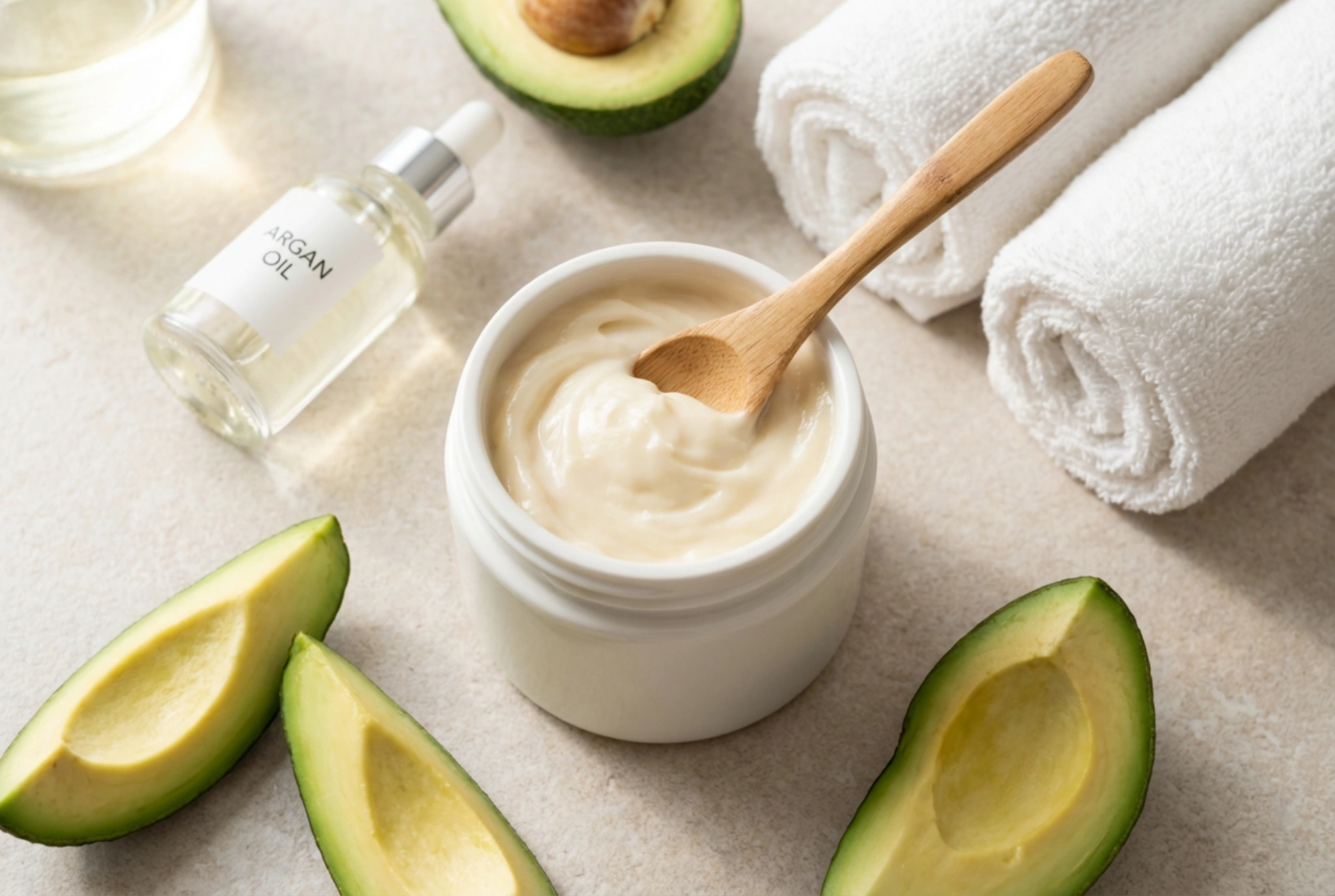


High porosity hair can often feel like a constant battle against dryness, frizz, and breakage. It absorbs water and products almost instantly, but seems to lose that moisture just as quickly, leaving it feeling brittle and looking dull. This happens because the outermost layer of the hair, the cuticle, is raised and open, allowing moisture to pass in and out freely. However, with a targeted approach focusing on deep nourishment and sealing in hydration, you can transform your high porosity strands into hair that is soft, manageable, and resilient.
Understanding High Porosity Hair
Before diving into treatments, it's helpful to confirm if you indeed have high porosity hair. While genetics play a role, factors like chemical processing and heat styling can also increase hair porosity. There are a few simple observations you can make at home:
- The Spray Bottle Test: Spritz a section of your clean, dry hair with water. If the water beads absorb almost immediately, your hair is likely high porosity. Low porosity hair would have water beads sitting on the surface for longer.
- Feel and Appearance: High porosity hair often feels rough, dry, or even straw-like to the touch, especially at the ends. It is also prone to tangling easily and may look frizzy in humid weather.
- Drying Time: Does your hair air-dry surprisingly fast? This is a classic sign of high porosity, as the open cuticles allow water to evaporate quickly.
These are not definitive scientific tests but are excellent indicators. If your hair exhibits these traits, it will benefit greatly from a routine designed for high porosity.
The Heart of the Routine: Choosing the Right Mask
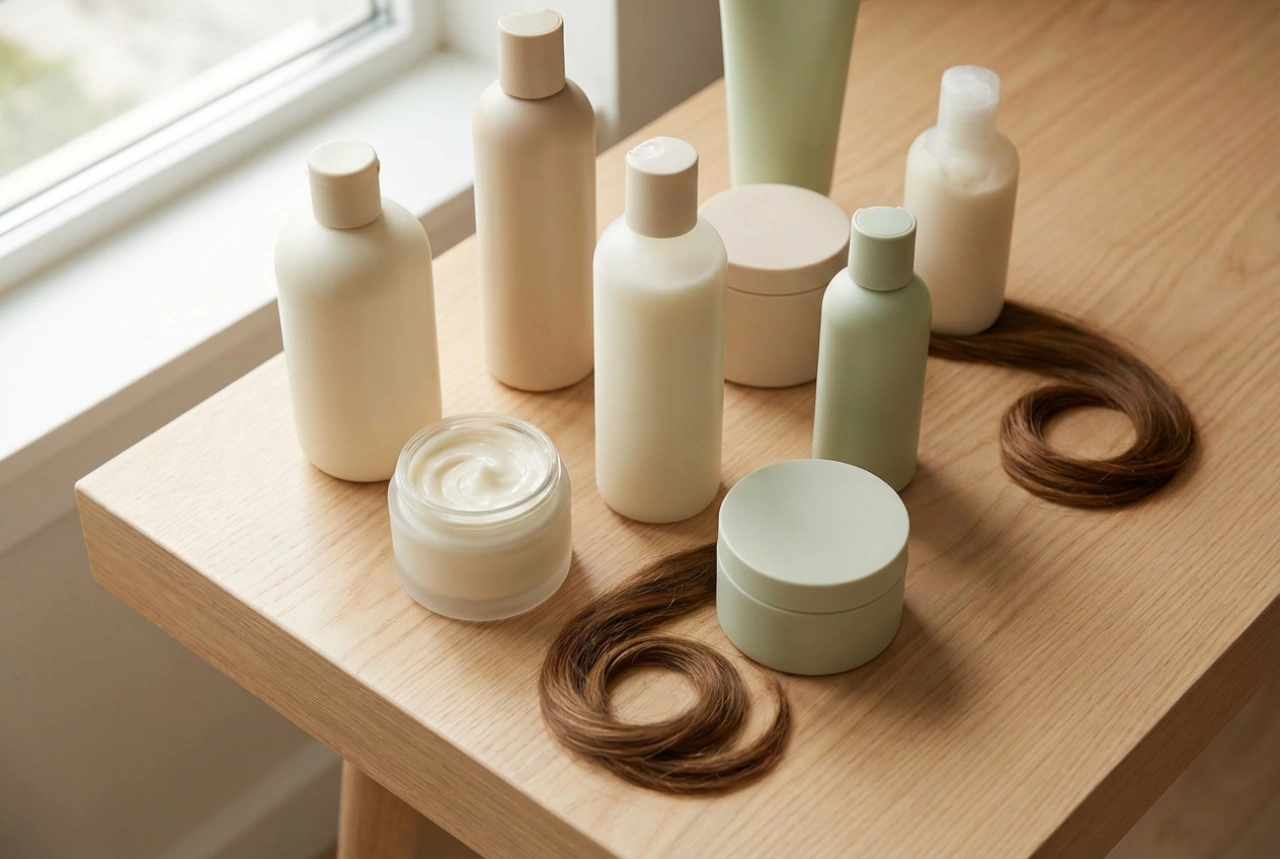
For high porosity hair, a deep conditioning mask is not a luxury—it's an essential step. The goal is to replenish moisture and then seal the cuticle to keep it there. When choosing a mask, focus on its ingredients, paying attention to the balance of emollients, humectants, and proteins.
Emollients: The Seal of Approval
Emollients are oils and butters that create a protective barrier around the hair shaft, smoothing the cuticle and locking in moisture. They are the most important ingredient group for high porosity hair. Look for masks rich in:
- Shea butter
- Avocado oil
- Argan oil
- Jojoba oil
- Olive oil
- Mango butter
These heavier ingredients effectively fill the gaps in the raised cuticles and prevent the moisture you've just added from escaping.
Humectants: The Moisture Magnets
Humectants work by attracting water molecules from the atmosphere into the hair. Ingredients like glycerine, aloe vera, and honey are excellent for an initial hydration boost. However, for high porosity hair, they must be used in conjunction with emollients. Without a sealing layer, humectants can sometimes backfire in very dry or very humid climates, pulling moisture out of the hair or causing more frizz.
Proteins: For Strength and Repair
Because high porosity hair has gaps in its structure, it can be prone to breakage. Protein treatments help to temporarily patch these gaps, adding strength and structure. However, this is a case where more is not better. High porosity hair can easily suffer from 'protein overload,' making it feel stiff, brittle, and dry. Opt for products with hydrolysed proteins (like silk, wheat, or keratin) as their smaller molecules are more easily absorbed. Use a protein-rich mask sparingly—perhaps once every few weeks—and always follow up with a deeply moisturising, emollient-rich conditioner or mask to restore softness.
Essential Techniques for Lasting Hydration
How you apply your products is just as important as what's in them. Incorporate these techniques into your wash day for better results.
1. Gentle Cleansing: Use a sulphate-free, moisturising shampoo and focus it on your scalp. Wash your hair with lukewarm water, as hot water can strip natural oils and further lift the cuticle.
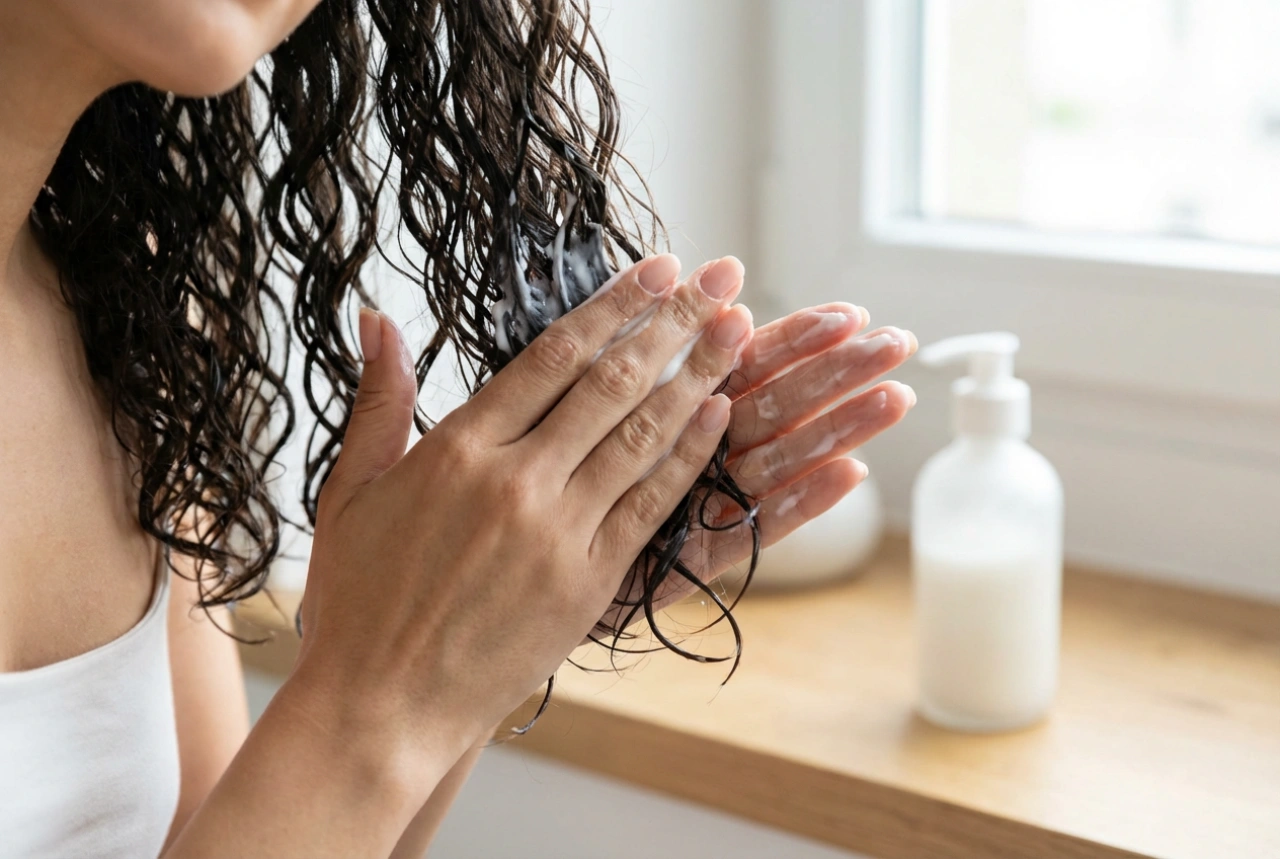
2. Mask Application: After shampooing, gently squeeze excess water from your hair. Apply your nourishing mask from the mid-lengths to the ends, ensuring every strand is coated. For an intensive treatment, cover your hair with a shower cap for 15-30 minutes. The trapped heat from your scalp will help the mask's ingredients penetrate more deeply.
3. Cool Rinse: Always rinse out your conditioner or mask with cool water. This simple step helps to close the hair cuticle, which is crucial for locking in the treatment and boosting shine.
4. The Sealing Step: This is non-negotiable for high porosity hair. After rinsing and applying any leave-in conditioner or cream to your damp hair, you must seal it all in. Apply a few drops of a hair oil (like argan or jojoba) or a small amount of a hair butter, focusing primarily on the ends. This final emollient layer is your defence against moisture loss.
Common Mistakes to Avoid
If you're still struggling with your high porosity hair, you might be making one of these common mistakes:
- Using Harsh Towels: Rubbing your hair with a rough cotton towel creates friction that ruffles the cuticle and causes frizz and breakage. Instead, gently squeeze water out with a microfibre towel or an old cotton t-shirt.
- Skipping the Sealing Step: Applying a leave-in conditioner without sealing it with an oil is like filling a bucket with a hole in it. The moisture will escape quickly.
- Overusing Protein: Be mindful of how many of your products contain protein. If your shampoo, conditioner, mask, and leave-in all contain protein, you're likely headed for stiff, brittle hair.
- Applying High Heat: High porosity hair is fragile. Always use a heat protectant spray before blow-drying or using styling tools, and use the lowest effective temperature setting.
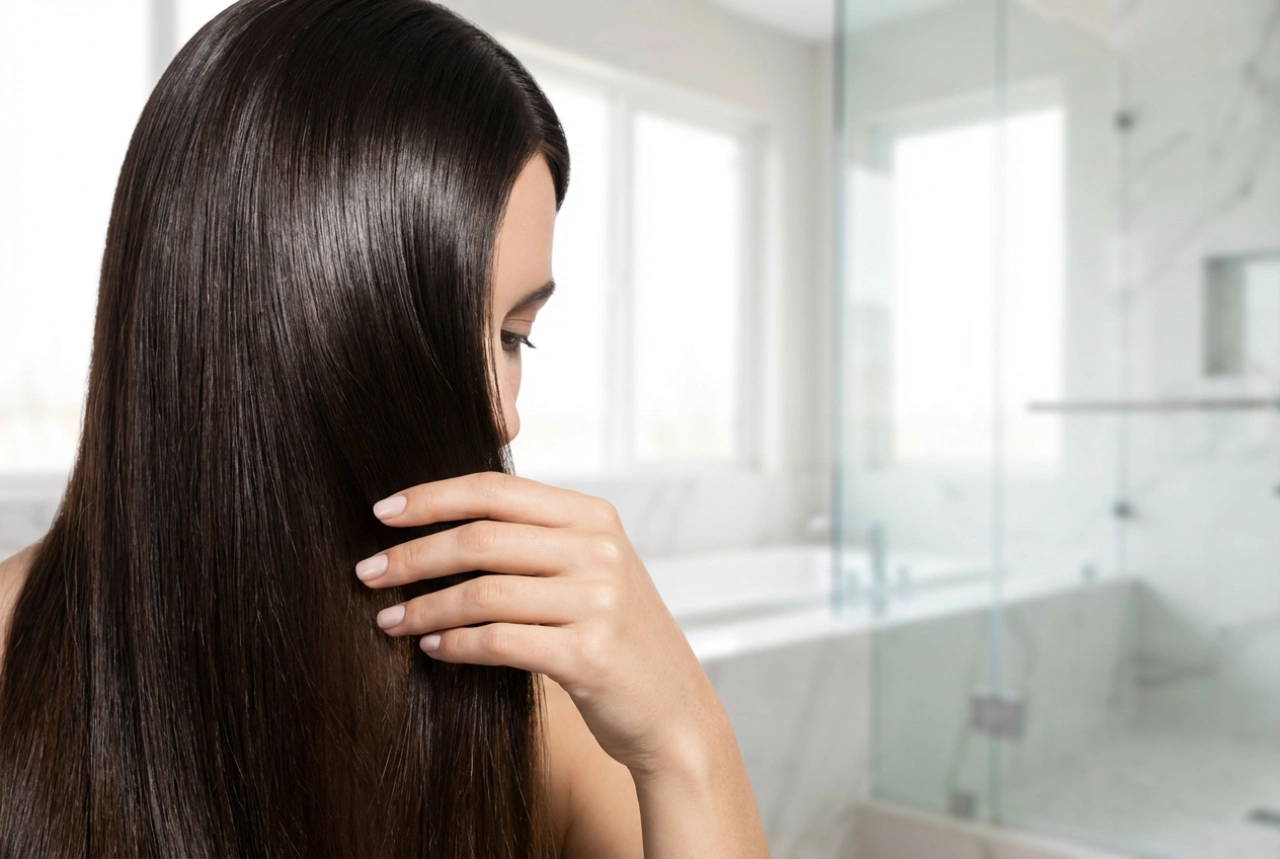
Caring for high porosity hair is about a consistent routine of gentle handling, deep conditioning, and effective sealing. By understanding its needs and providing the right nourishment, you can achieve hair that feels as good as it looks.