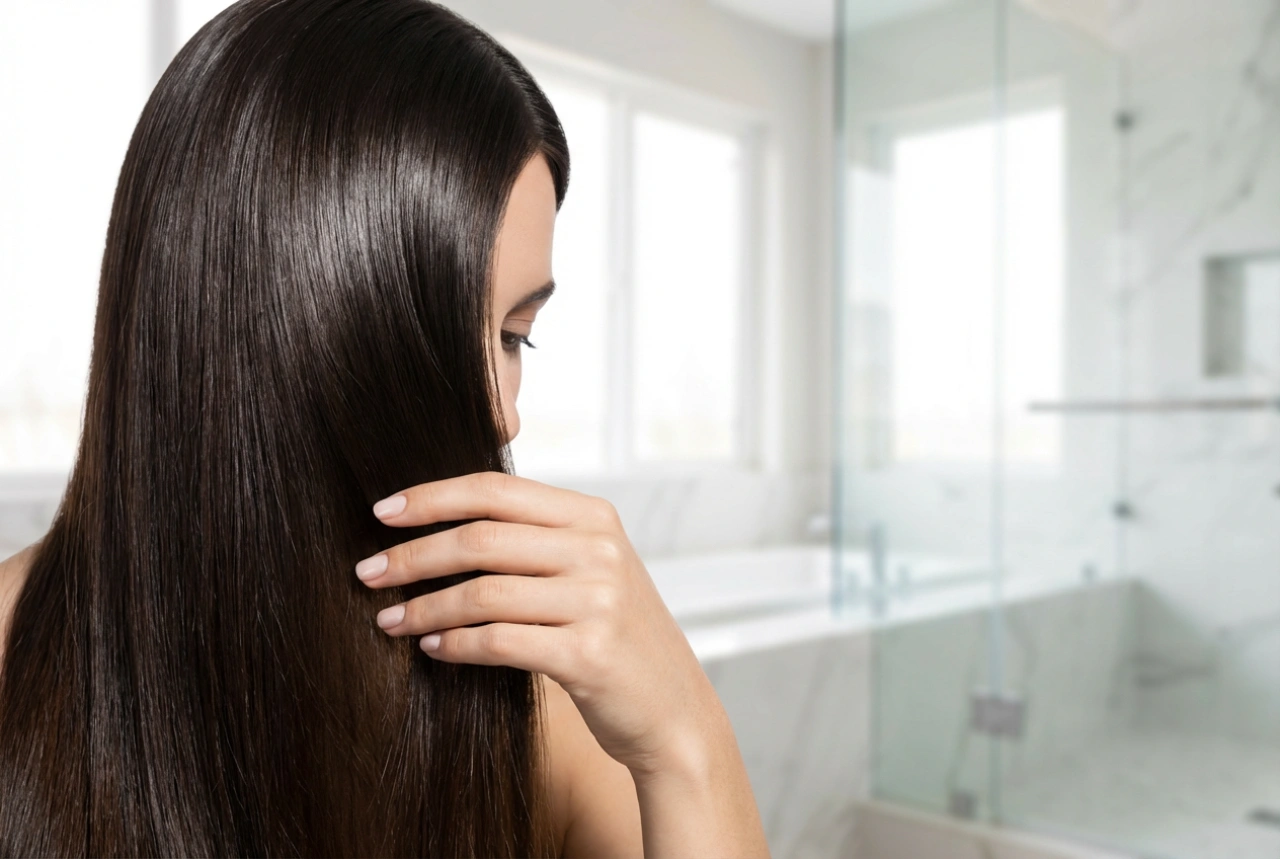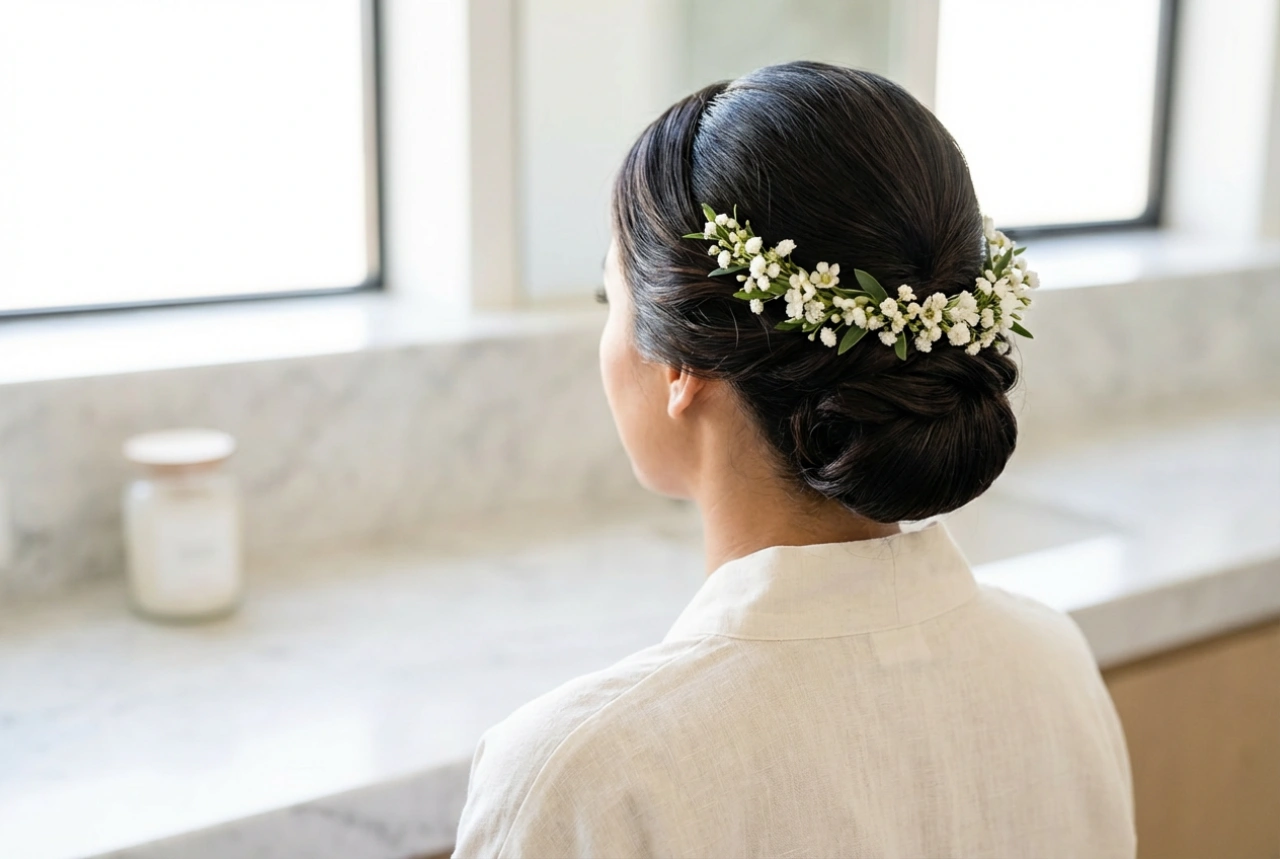


Achieving soft, lustrous, and healthy-looking hair begins with understanding the essential needs of dry strands. When applying a rich, creamy hair mask, gently working the nourishing formula into damp hair strands can transform dull, brittle texture into a smooth, radiant mane. This luxurious care ritual is more than just a temporary fix; it is a fundamental step in restoring the natural balance, softness, and resilience of your hair.
Understanding the Needs of Dry Hair
Dry hair often lacks the necessary moisture and protective lipids that keep the outer cuticle layer flat and smooth. When the cuticle is raised, internal moisture escapes, leaving the strands vulnerable to environmental stressors, friction, and breakage. Factors such as frequent heat styling, exposure to dry air, and improper washing habits can strip away natural oils, resulting in a coarse texture that is prone to tangling.
To counteract this, dry hair requires a combination of humectants and emollients. Humectants draw moisture into the hair shaft, while emollients seal the cuticle to lock that moisture in. Using a targeted hair mask allows these beneficial components to penetrate deeply, providing a level of conditioning that regular conditioners cannot match.
Choosing the Right Hydrating Mask
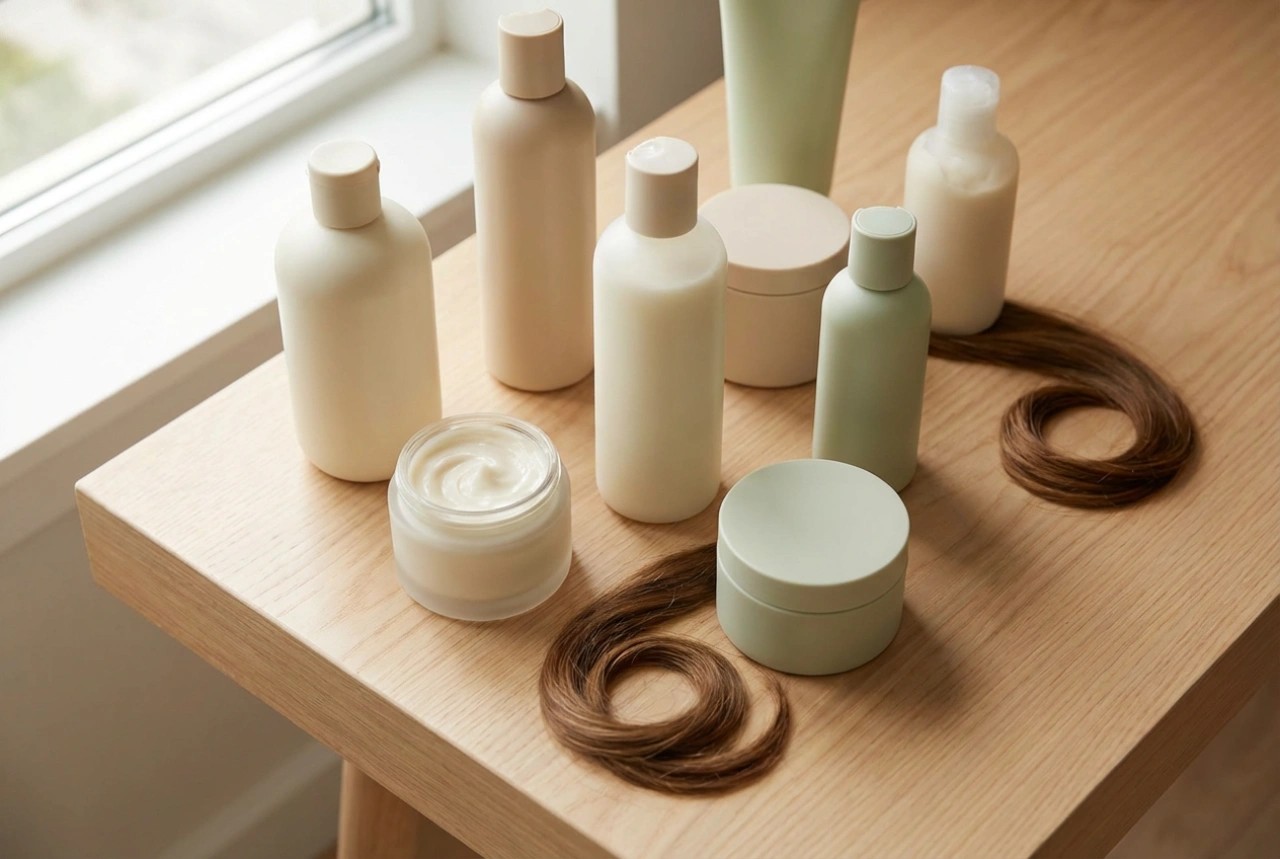
Selecting an effective treatment involves looking for specific, nourishing ingredients that cater to dehydrated fibers. A well-formulated mask should strike a balance between hydration and nourishment, using natural, hair-loving elements:
- Glycerin and Panthenol: These are powerful humectants that attract water molecules, ensuring the hair fibers remain hydrated from the inside out.
- Natural Plant Oils: Ingredients such as argan oil, jojoba oil, and avocado oil mimic the natural sebum of the scalp, smoothing the hair surface and adding a beautiful sheen.
- Plant-Derived Butters: Shea butter and cocoa butter provide a rich, protective barrier that prevents moisture loss and tames frizz.
- Hydrolysed Proteins: These help to temporarily fill in micro-gaps along the hair shaft, strengthening weak areas and preventing future breakage.
Step-by-Step Mask Application
To achieve the best results, applying a mask requires a systematic approach. Following these simple steps ensures that every strand receives optimal nourishment:
Step 1: Gentle Cleansing
Begin by washing your hair with a mild, hydrating shampoo. Cleansing removes styling build-up, excess sebum, and environmental impurities, opening up the hair cuticles so they are fully receptive to the active ingredients in your mask.
Step 2: Removing Excess Moisture
After rinsing, gently squeeze out excess water with a soft microfibre towel. Applying a rich cream to dripping wet hair will dilute the formula, causing it to slip off the strands instead of absorbing effectively. The hair should be damp, not soaked.
Step 3: Even Distribution
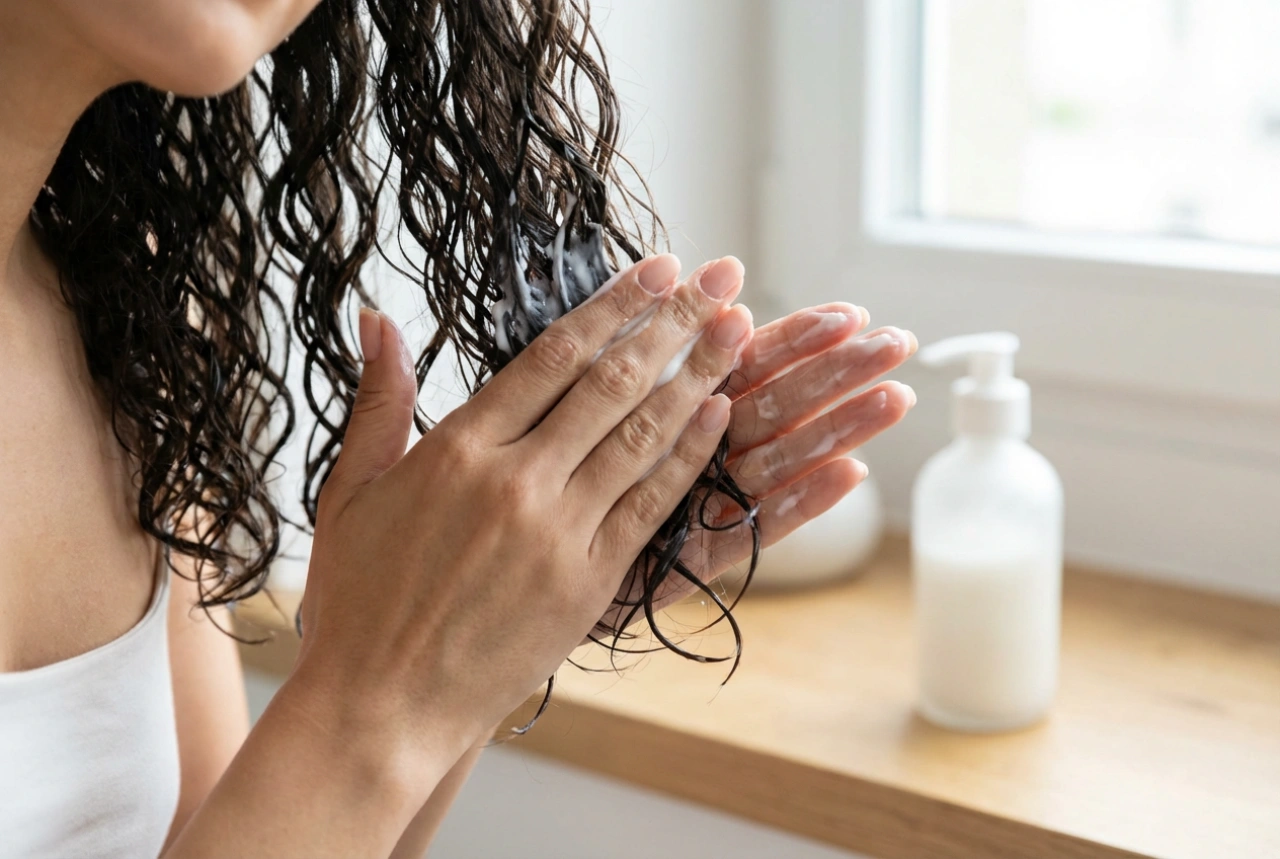
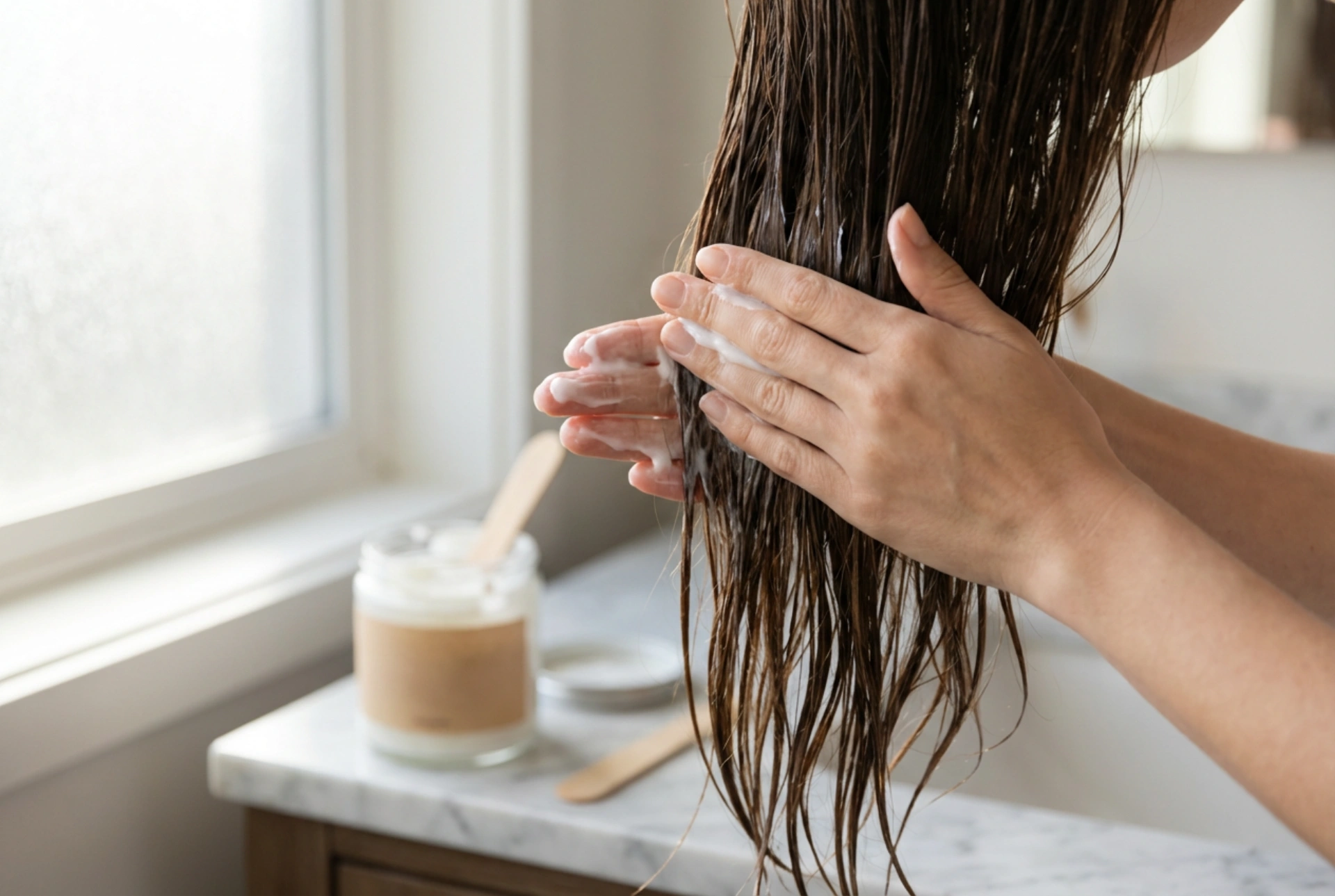
Take a generous amount of the creamy mask and warm it between your palms. Apply the product starting from the mid-lengths down to the tips, focusing on the oldest and driest parts of your hair. Avoid applying the mask directly to the scalp or roots, as this can weigh down the hair and cause it to look flat.
Step 4: The Waiting Period
Leave the mask on for the duration recommended on the packaging, typically between 10 to 20 minutes. To enhance the absorption, you can wrap your hair in a warm, damp towel. The gentle heat helps open up the hair cuticles, allowing the nutrients to penetrate deeper into the hair cortex.
Step 5: Thorough Rinsing
Rinse your hair thoroughly with lukewarm water. Ensure that no product residue is left behind, as this can make the hair feel heavy or greasy once dry. A final splash of cool water can help seal the cuticles, enhancing natural shine.
Best Practices for Lasting Hydration
To maintain soft and healthy hair over time, consistency is key. Incorporating a hydrating mask into your hair care routine once or twice a week is generally sufficient for most dry hair types. Over-conditioning can lead to moisture overload, making the hair feel limp and weak, so it is important to observe how your hair responds and adjust the frequency accordingly.
Additionally, always handle wet hair with extreme care. Wet strands are highly fragile and prone to stretching and snapping. Use a wide-tooth comb to gently detangle your hair while the mask is still on, starting from the ends and working your way up to minimize tension and prevent breakage.