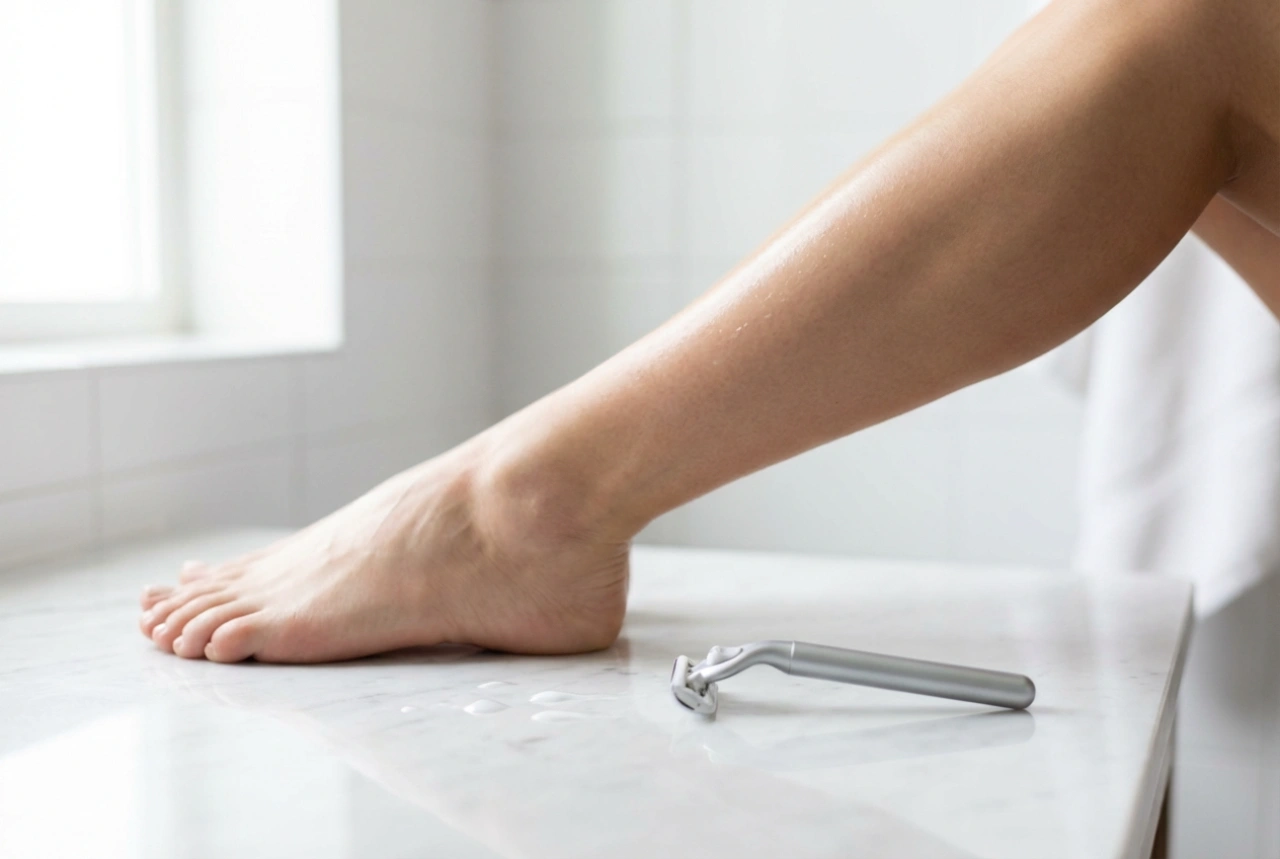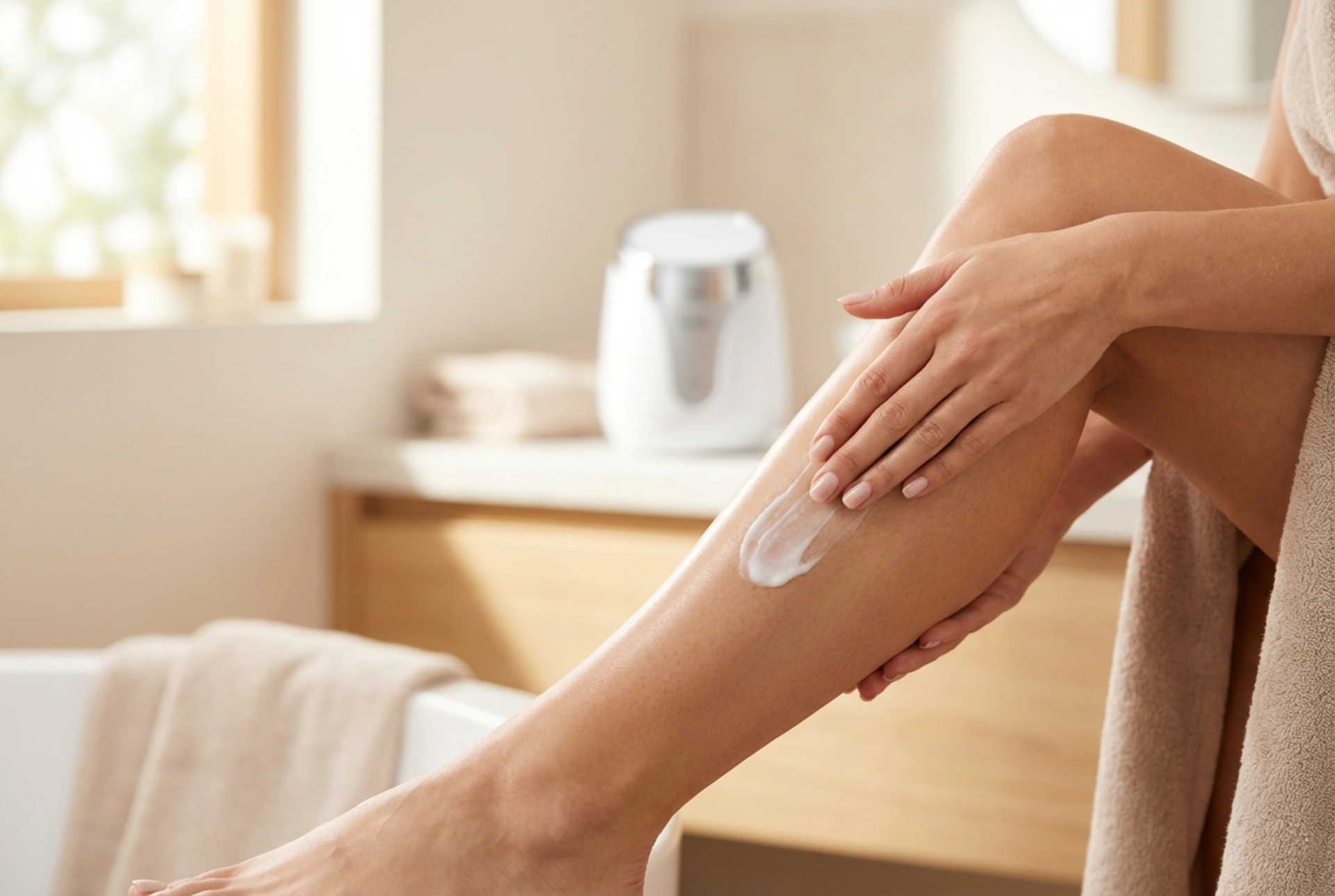


Achieving silky-smooth skin from the comfort of your own home has become one of the most popular modern self-care routines. The image of gently applying a soothing, unscented lotion to a freshly treated, smooth leg, with a sleek beauty device resting nearby on a sunlit counter, perfectly captures this contemporary beauty ritual. Safe, effective, and highly convenient, at-home light-based hair removal offers a practical alternative to traditional methods. However, achieving optimal results requires more than just owning a device; it demands a thorough understanding of skin preparation, a disciplined treatment schedule, and meticulous aftercare to keep the skin radiant and healthy.
Understanding At-Home Light-Based Hair Removal
At-home hair removal devices, which typically utilise intense pulsed light (IPL) technology, work by emitting gentle pulses of light that target the pigment in the hair follicle. This light energy is absorbed by the melanin in the hair and converted into gentle heat, which temporarily puts the hair follicle into a resting phase. Over time, this process leads to a gradual and significant reduction in hair growth, leaving the skin feeling smooth for extended periods.
Because these devices are designed for personal use, they operate at lower, highly controlled energy levels compared to clinical machinery. This makes them exceptionally safe for domestic beauty routines, provided the instructions are followed diligently. To ensure both safety and efficacy, it is crucial to understand that these devices work best when there is a contrast between the hair colour and the skin tone. The light targets melanin, meaning dark hair on fair skin yields the quickest results, while extremely light blonde, red, or grey hairs may not absorb enough energy to achieve the desired outcome.
Essential Skin Preparation: Step-by-Step
Proper preparation of the skin is the absolute foundation of any successful home treatment. Skipping or rushing through these preparatory steps can reduce the effectiveness of the light pulses and increase the risk of minor skin irritation. Follow this guide to prepare your skin before starting a session:
- Shave the area thoroughly: The skin must be clean-shaven immediately before treatment. Avoid waxing, epilating, or plucking, as these methods remove the hair follicle entirely. The light needs the hair root intact beneath the skin surface to target it effectively. Shaving ensures that the light energy travels straight to the root without burning the hair on the surface.
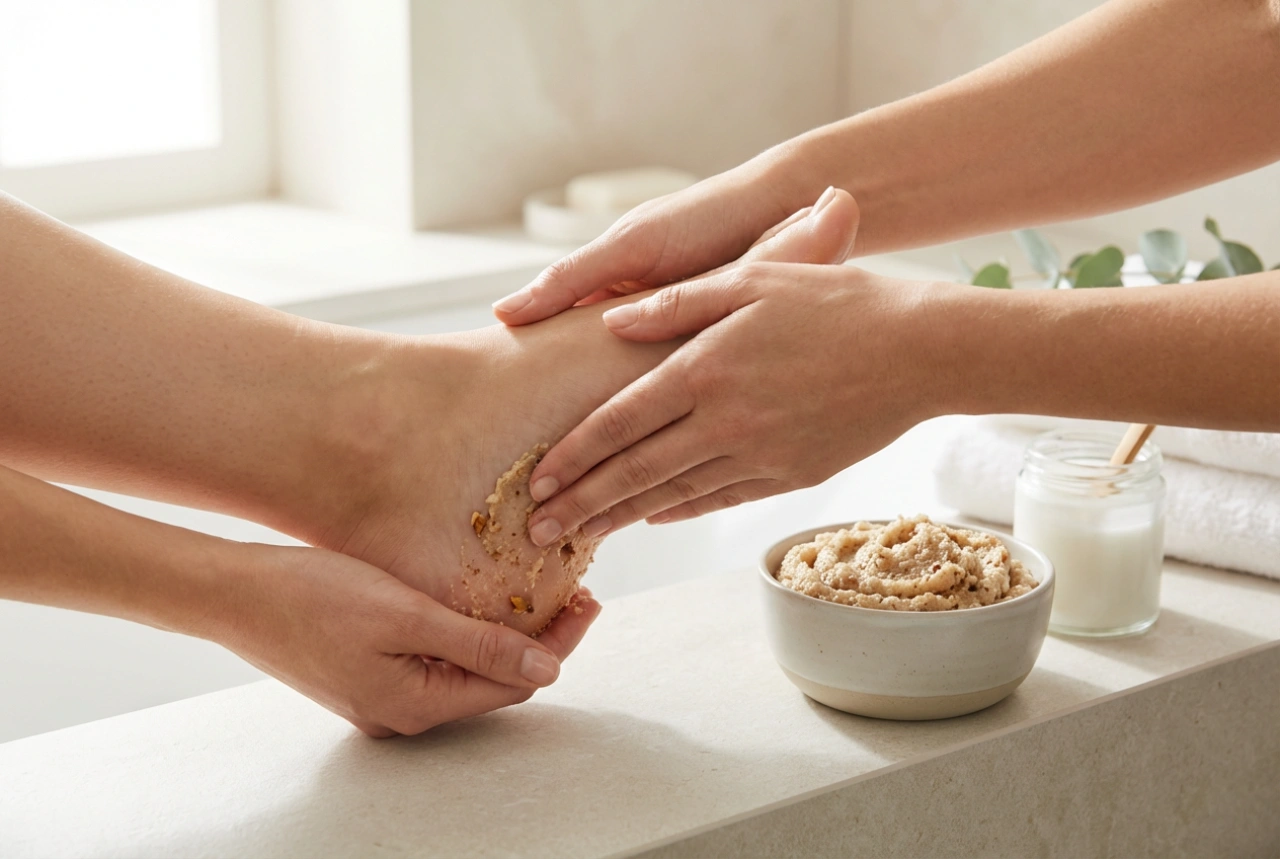
- Gently exfoliate beforehand: It is highly beneficial to exfoliate your skin 24 hours prior to your session. This helps remove dead skin cells and prevents ingrown hairs, ensuring a completely flat surface. However, do not exfoliate on the actual day of treatment to avoid over-sensitising the skin.
- Cleanse and dry: Ensure the treatment area is completely free of cosmetic products, deodorants, perfumes, self-tanners, and moisturisers. The skin must be perfectly clean, dry, and cool to the touch before you begin.
- Avoid sun exposure: Do not use the device on sunburnt or actively tanned skin. Tanning increases the melanin levels in the epidermis, which can cause the skin to absorb too much light energy, potentially leading to mild discomfort or redness.
Establishing a Consistent Treatment Schedule
Consistency and timing are critical factors in achieving long-term smoothness. Because hair grows in different phases—active growth (anagen), regression (catagen), and resting (telogen)—the light pulses can only target hair that is currently in its active growth phase. This is why a single session cannot address all hairs at once, and a structured schedule is necessary.
The Initial Phase
A typical regimen begins with an initial phase, where treatments are conducted once every two weeks for the first two to three months. This frequency ensures that you target as many hairs as possible during their active growth cycle. It is important not to treat the same area multiple times in one week, as this does not speed up the process and can irritate the skin.
The Maintenance Phase
Once the initial phase is complete and you notice a significant reduction in hair regrowth, you can transition to the maintenance phase. During this stage, touch-up sessions are performed every four to eight weeks, or simply as required. This keeps the hair follicles in their resting state, ensuring your skin remains beautifully smooth year-round.
Gentle Post-Treatment Care for Calm Skin
What you do after your session is just as important as the treatment itself. The skin may feel slightly warm or sensitive immediately after a session, resembling a mild sun-warmed sensation. Proper aftercare helps cool the skin, locks in moisture, and ensures a comfortable recovery.
- Apply a soothing, unscented lotion: Just like the gentle application shown in self-care routines, using a fragrance-free moisturiser or a pure aloe vera gel helps calm any temporary warmth and restores essential moisture. Avoid highly fragranced products or heavy body oils that might clog pores.
- Wear loose clothing: Immediately after your session, opt for loose-fitting, breathable garments made of natural fibres like cotton. This prevents friction and allows the skin to cool down naturally.
- Skip the heat: For at least 24 to 48 hours after treatment, avoid very hot baths, saunas, steam rooms, and intense workouts that cause excessive sweating, as these can irritate sensitive skin.
- Protect from ultraviolet rays: Treated skin is highly sensitive to ultraviolet radiation. Always apply a broad-spectrum sunscreen with a high protection factor (SPF 30 or higher) if the treated areas are exposed to daylight, and avoid direct sunbathing for several days.
Adjusting Intensity and Safety Rules
Modern home devices often come with adjustable intensity settings or smart sensors that scan your skin tone to select the safest level. Always start with the lowest recommended setting, especially during your first session or when treating sensitive areas. You can gradually increase the intensity as your skin adapts, but the treatment should never feel painful—a mild warmth or a slight snapping sensation is completely normal.
Additionally, always perform a patch test on a small, discreet area of skin 24 hours before your first full session to monitor for any unusual reactions. Avoid treating areas with tattoos, permanent makeup, dark freckles, or large moles, as these highly pigmented spots can absorb too much light energy. By incorporating these safe, gentle practices into your routine, you can enjoy a highly effective, modern beauty ritual in the comfort of your own home.