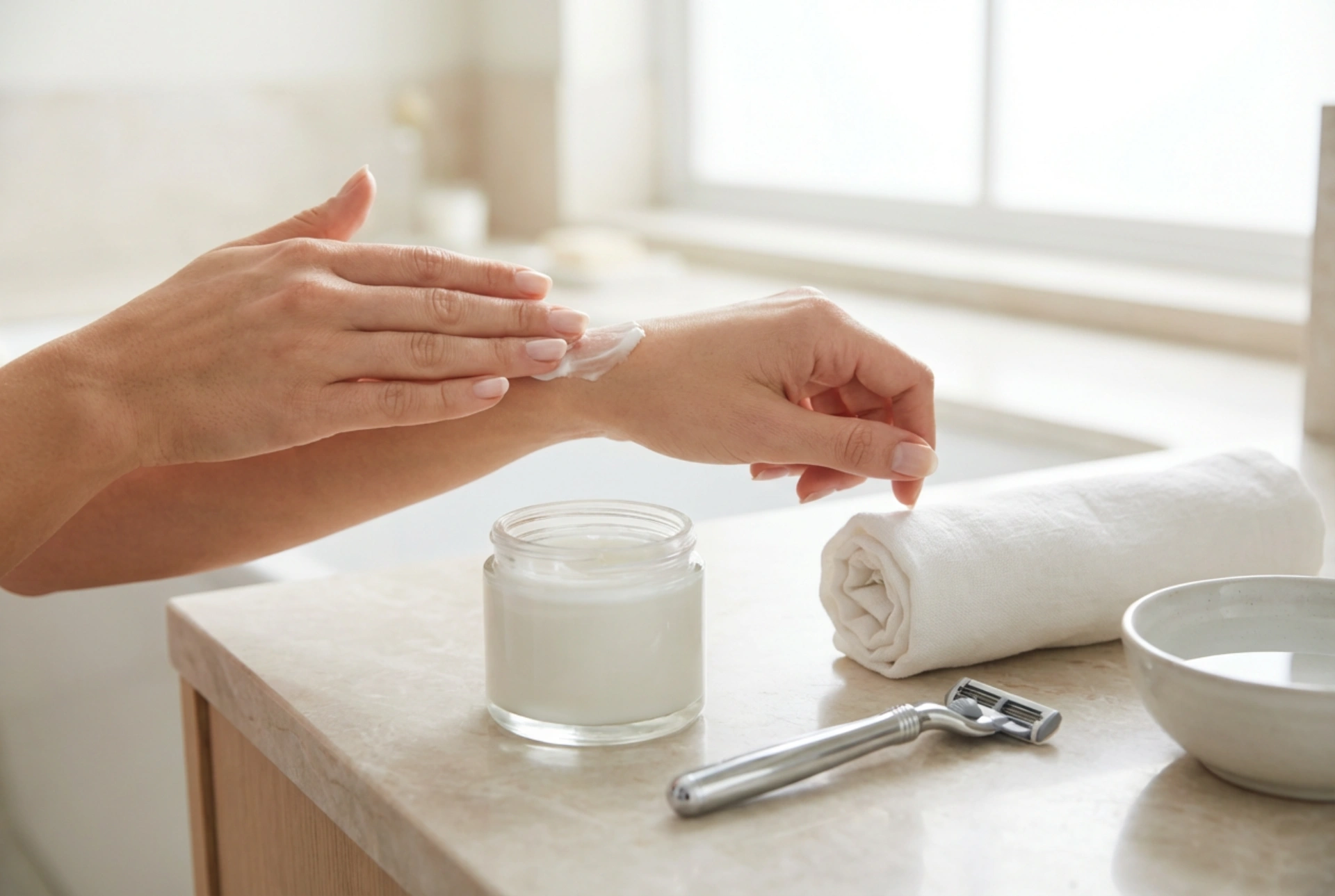


Achieving perfectly smooth arms without the discomfort of redness or razor burn is a common goal for many beauty enthusiasts. The delicate skin of the forearms requires a gentle touch and a structured routine rather than a rushed approach. By turning your hair removal routine into a mindful, self-care ritual—much like preparing the skin with a rich, soothing balm under soft light—you can protect the epidermal barrier and enjoy long-lasting softness. Understanding the correct prep work and blade technique is key to preventing irritation before it even starts.
The Importance of Skin Preparation
Before any blade touches your skin, proper preparation is essential to prevent micro-cuts and razor burn. The skin on our arms is constantly exposed to environmental elements, making it prone to dryness and buildup of dead skin cells. Shaving over unprepared skin can cause the razor to drag, resulting in uneven hair removal and painful friction.
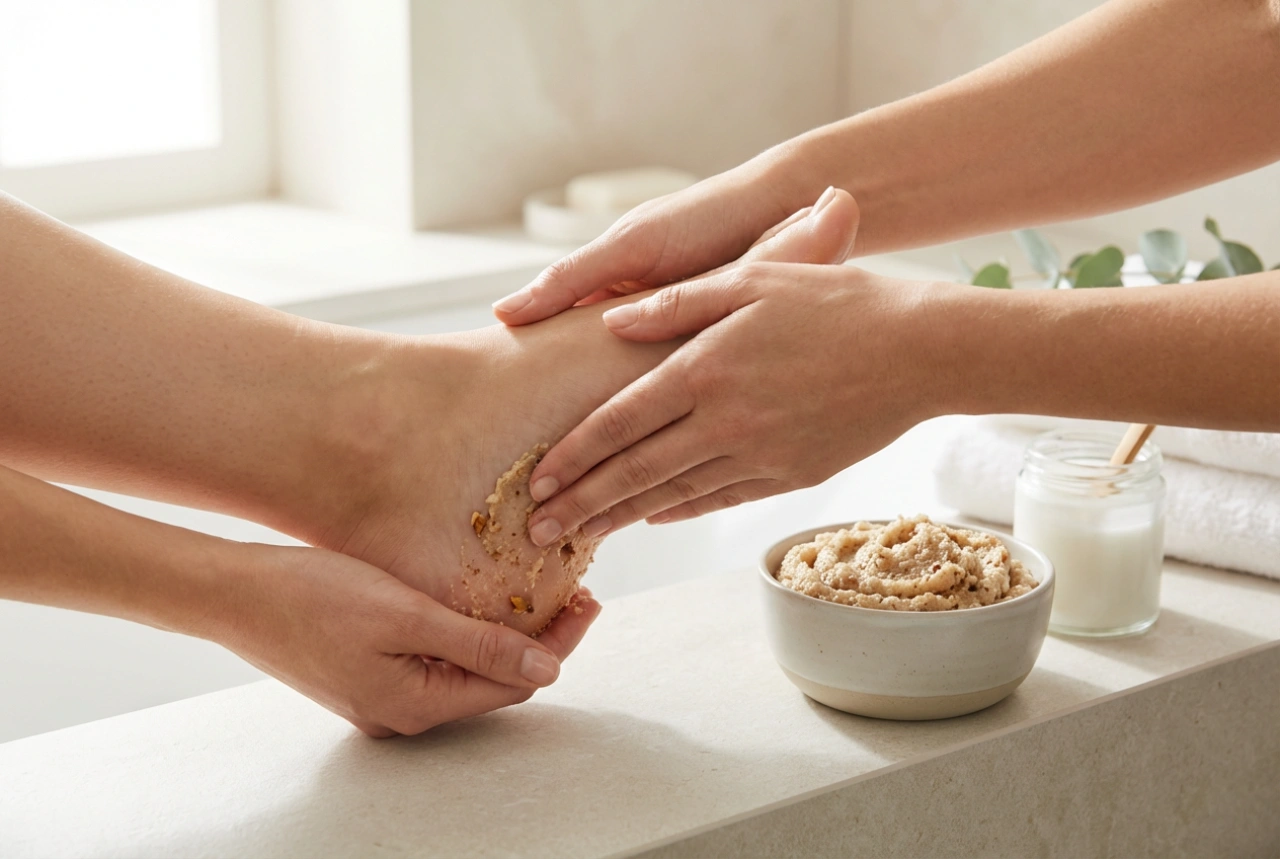
To start, always cleanse the area with warm water. Warmth helps to soften the hair follicles, making the hairs easier to cut. Incorporating a very gentle, non-abrasive exfoliation a day before shaving can make a significant difference. Exfoliation removes the layer of dead skin cells that might otherwise clog the razor blades or trap hairs, leading to ingrown hairs. Opt for a mild body scrub or a soft exfoliating mitt, focusing on circular motions around the elbows and forearms.
Selecting Safe and Gentle Tools
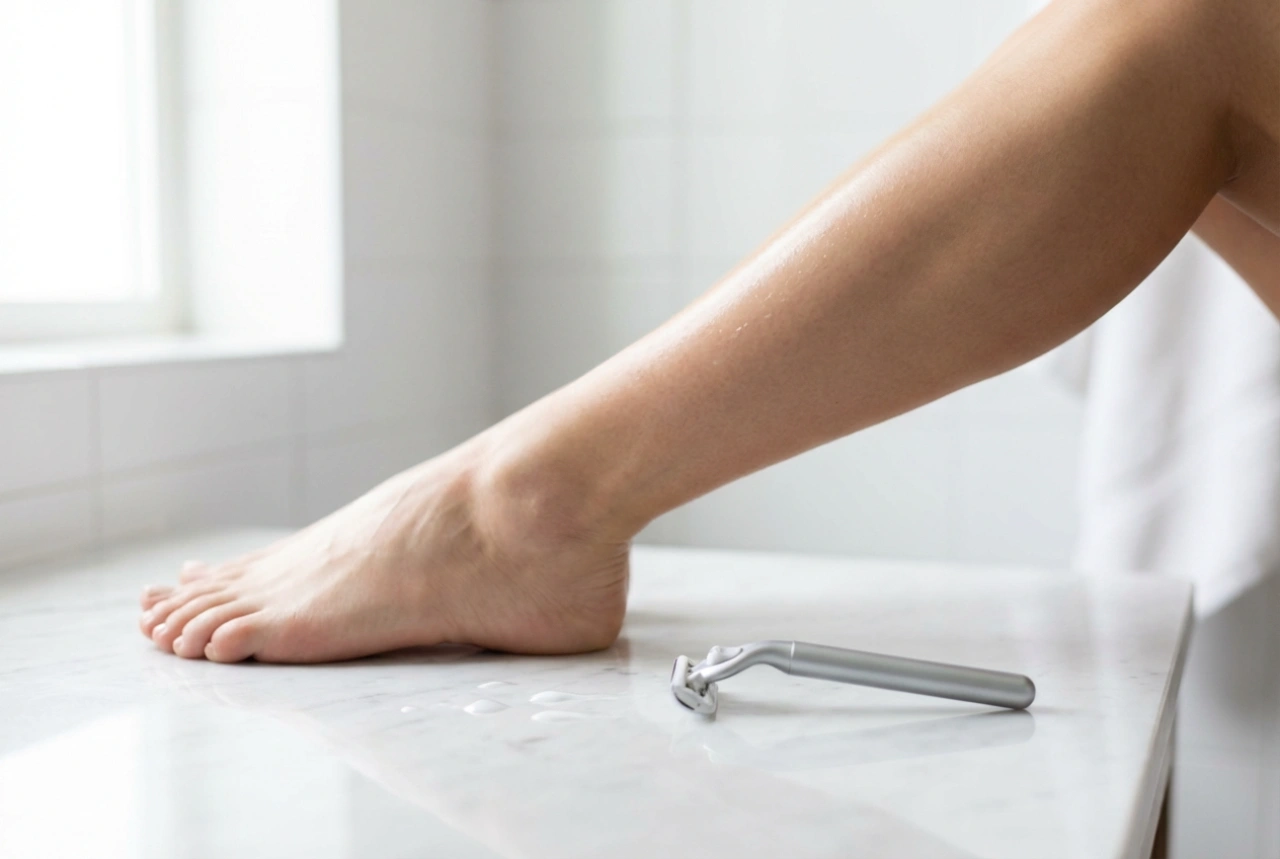
The tools you use play a major role in the health of your skin. It is a common misconception that any razor will do for arm hair. A high-quality, sharp razor is paramount. Dull blades do not cut cleanly; instead, they tug at the hairs and scrape the skin's surface, which is the primary cause of post-shave redness.
- Multi-blade vs. single-blade razors: While multi-blade razors offer a close shave, sensitive skin types might benefit from a high-quality razor designed to minimise friction.
- Cleanliness: Always ensure the blade is thoroughly cleaned and dried after each use. Store it in a dry place to prevent rust and bacterial growth.
- Lubrication: Never shave dry. A nourishing shaving gel, cream, or even a gentle body wash provides the necessary slip, allowing the blade to glide effortlessly without catching on the skin.
How to Guide the Blade: Technique Matters
The direction and pressure of your shave are critical to avoiding irritation. Unlike the legs, the skin on the arms is thinner and more pliable, requiring extra care. To maintain control, hold the skin taut with your free hand. This creates a flat, smooth surface for the razor to glide over easily.
Begin by shaving in the direction of hair growth. For most people, arm hair grows downwards towards the wrist. Shaving with the grain minimises the risk of cutting the hair below the skin line, which can cause painful ingrown bumps. If you desire an exceptionally close finish, you can make a second, very gentle pass across the grain, but avoid shaving directly against the grain if your skin is naturally sensitive.
Ensure you apply minimal pressure. Modern razors are designed to work effectively with just the weight of the tool itself. Pressing hard will only scrape away the protective outer layer of your skin, leaving it vulnerable, raw, and inflamed.
Post-Shave Care and Barrier Recovery
Once you have finished shaving, immediately rinse your arms with cool water. The cool temperature helps to soothe the skin and close the pores, reducing post-shave sensitivity. Gently pat the skin dry with a clean, soft towel—avoid rubbing, which can instantly trigger irritation.
The final and most crucial step is restoring hydration. Shaving acts as a mild exfoliant, meaning your skin needs immediate nourishment to rebuild its natural moisture barrier. Apply a generous amount of a fragrance-free, deeply moisturising balm or lotion. Look for formulations containing soothing ingredients like aloe vera, shea butter, or glycerine. Avoid products with heavy artificial fragrances or alcohol immediately after shaving, as these can cause an unpleasant burning sensation and redness.