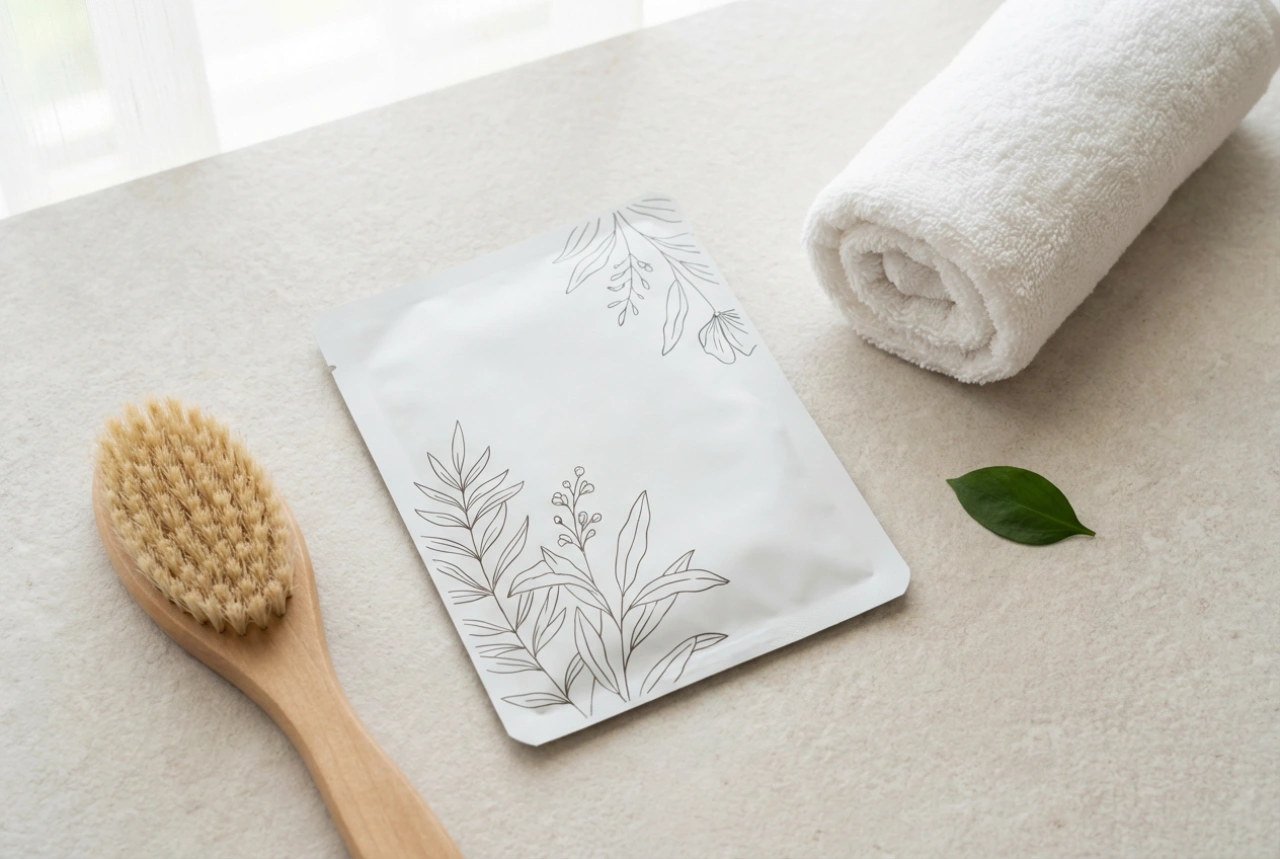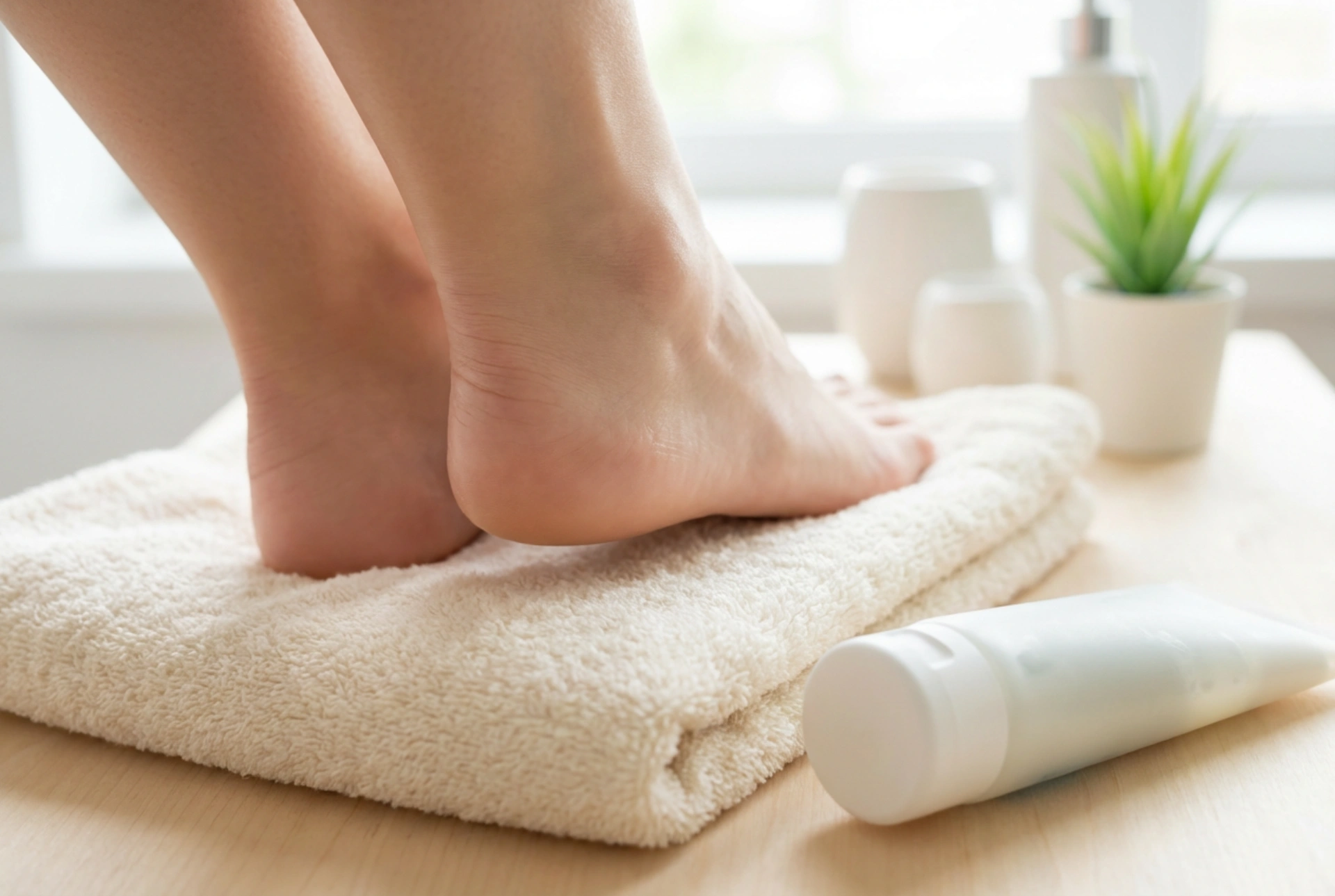


A serene moment of self-care can be as simple as resting your feet on a plush, cream-coloured towel, appreciating the feeling of smooth, well-cared-for skin. Our feet carry us through daily life, yet they are often the most neglected part of our skincare routine. When the heels begin to show signs of dryness and rough texture, it is a signal that the skin barrier requires focused attention. Fortunately, achieving soft and healthy feet does not require complex or expensive salon treatments. Instead, the secret lies in understanding the cosmetic principle of occlusion and establishing a simple, dedicated home care routine.
Understanding Occlusion in Foot Care
Occlusion is a highly effective concept in cosmetics, particularly valuable for areas of the body prone to extreme dryness and friction, such as the heels. In simple terms, an occlusive layer acts as a physical barrier on the skin's surface. This barrier helps to trap moisture by preventing transepidermal water loss, which is the evaporation of water from the deeper layers of the skin into the air. By sealing this moisture inside, occlusive ingredients allow the skin underneath to regenerate, soften, and repair its natural barrier over time.
In high-quality foot creams, cosmetic chemists combine humectants—which draw moisture into the skin—with rich emollients and occlusives that lock that moisture in. Classic examples of natural occlusive ingredients include plant butters, natural waxes, and vegetable oils. When these ingredients are applied to slightly damp skin, they create a protective shield that keeps the skin hydrated and supple for hours.
Key Cosmetic Ingredients for Soft Heels
When selecting a nourishing heel cream for your daily routine, it is helpful to look for specific, well-known cosmetic ingredients that target dry and thickened skin. A balanced formulation will both hydrate and smooth the feet without causing irritation:
- Glycerine: A classic and highly effective humectant that deeply hydrates the outer layer of the skin by attracting water.
- Shea Butter and Cocoa Butter: Rich emollients that provide essential fatty acids, helping to restore elasticity and soften rough patches.
- Lactic Acid: A gentle alpha-hydroxy acid (AHA) that, in low cosmetic concentrations, assists in the natural, mild exfoliation of dead skin cells.
- Panthenol: Also known as pro-vitamin B5, this ingredient is celebrated for its soothing and skin-conditioning properties, helping to maintain comfort.
- Almond Oil: A lightweight natural oil that nourishes the skin barrier, leaving a silky finish without an overly greasy residue.
A Step-by-Step Evening Occlusion Ritual
Consistency is the ultimate key to maintaining beautiful, smooth heels. Creating a mindful evening routine not only supports skin health but also offers a relaxing way to unwind at the end of the day. Here is a simple, effective ritual you can easily practice at home:
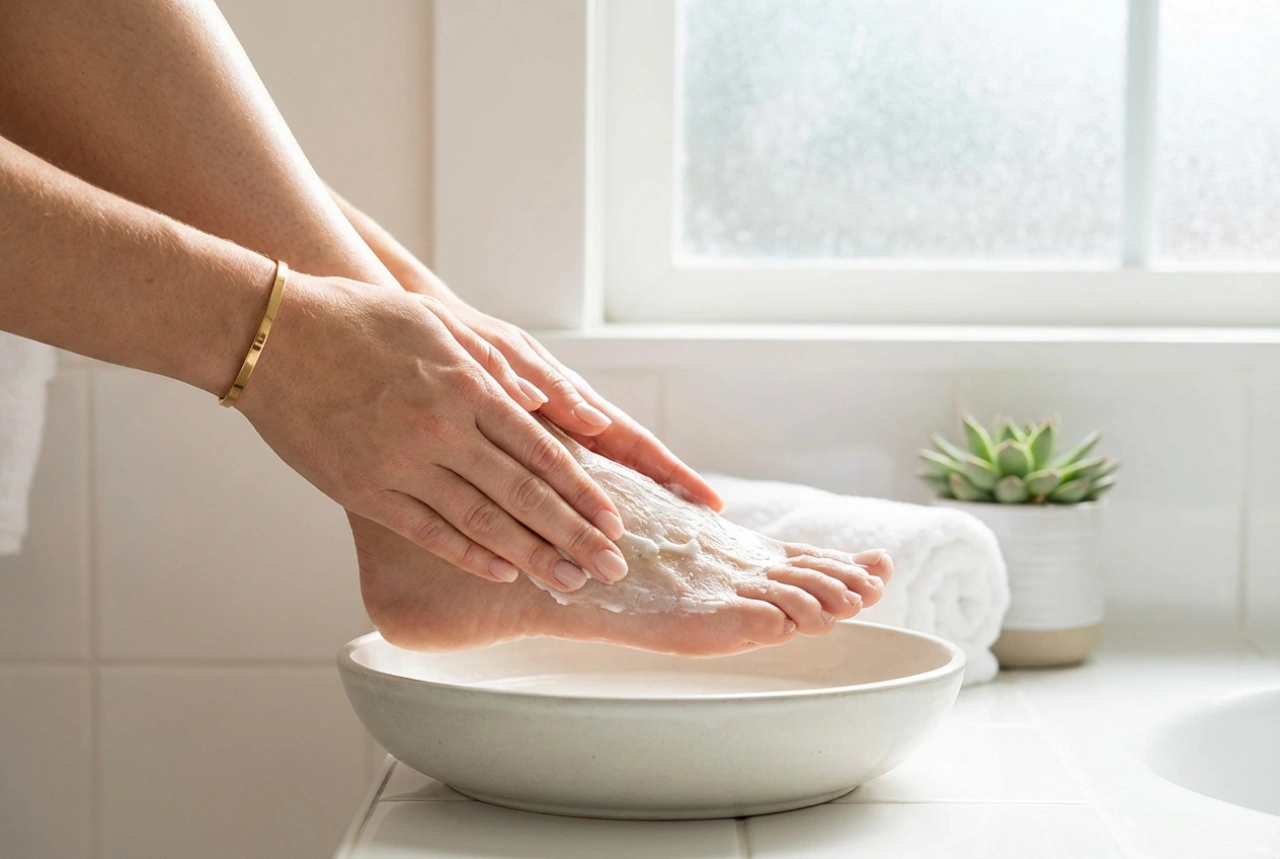
First, start with a brief, warm foot wash using a mild, non-drying cleanser. Avoid using excessively hot water, as high temperatures can strip the skin of its natural protective lipids. Pat your feet gently with a soft towel, leaving the skin slightly damp.
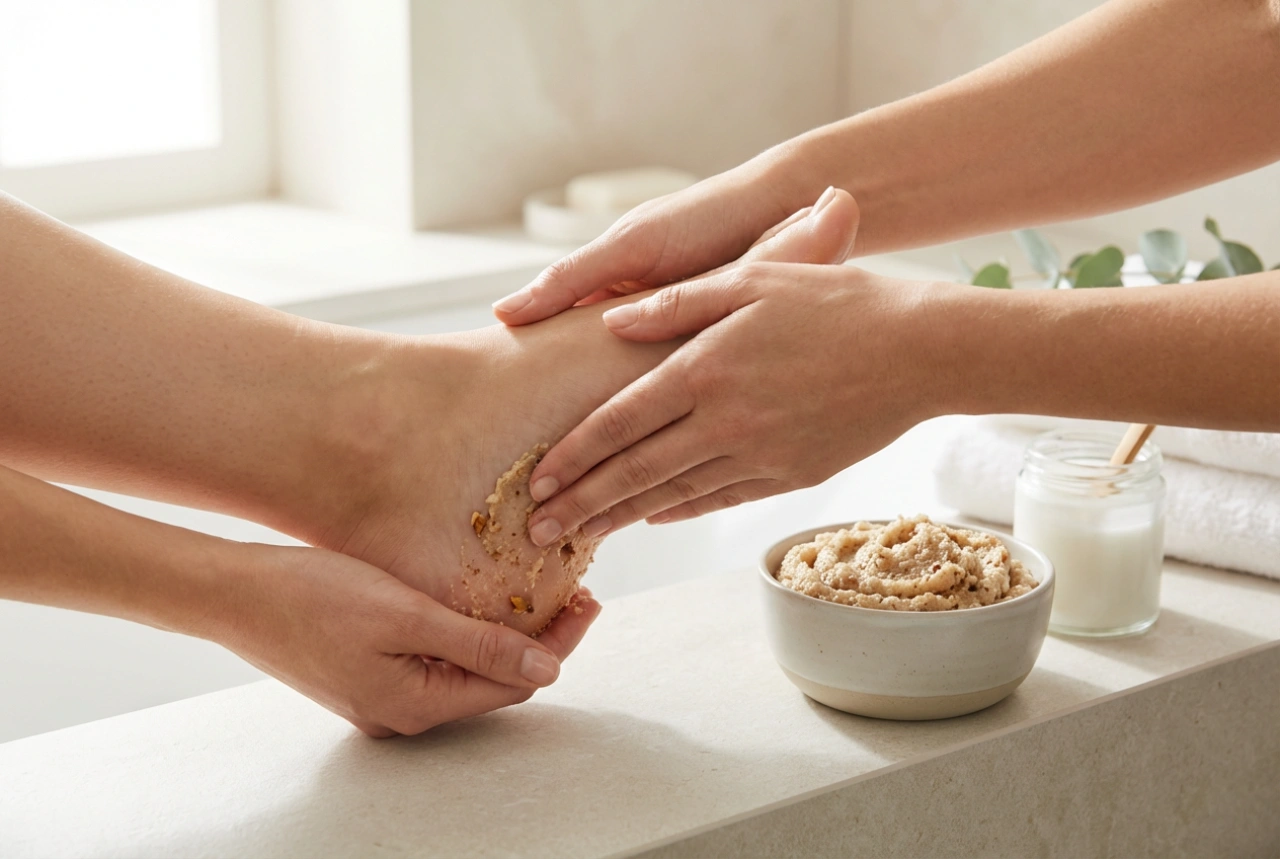
Next, apply a generous layer of your chosen rich heel cream. Take a few minutes to massage the cream into your heels and the soles of your feet using circular motions, which also helps to promote local circulation. Immediately after application, put on a pair of clean, breathable cotton socks. Wearing socks over the cream enhances the occlusive effect, ensuring the product stays on your skin rather than rubbing off on your bedsheets, allowing the active ingredients to work intensively overnight.
Common Mistakes to Avoid in Foot Care
While establishing your routine, it is equally important to avoid common habits that can hinder your progress. One of the most frequent mistakes is over-filing the heels. Using aggressive metal rasps or filing too frequently can trigger a defence mechanism in the skin, causing it to produce new cells even faster and lead to thicker calluses. Instead, opt for gentle exfoliating scrubs or mild cosmetic files used sparingly on dry skin.
Additionally, consistency must be maintained. Applying a foot cream once a week will not yield the same results as a daily, lower-intensity routine. By dedicating just a few minutes every evening to moisturising and protecting your feet, you will enjoy lasting softness, comfort, and the confidence of healthy, beautiful skin.