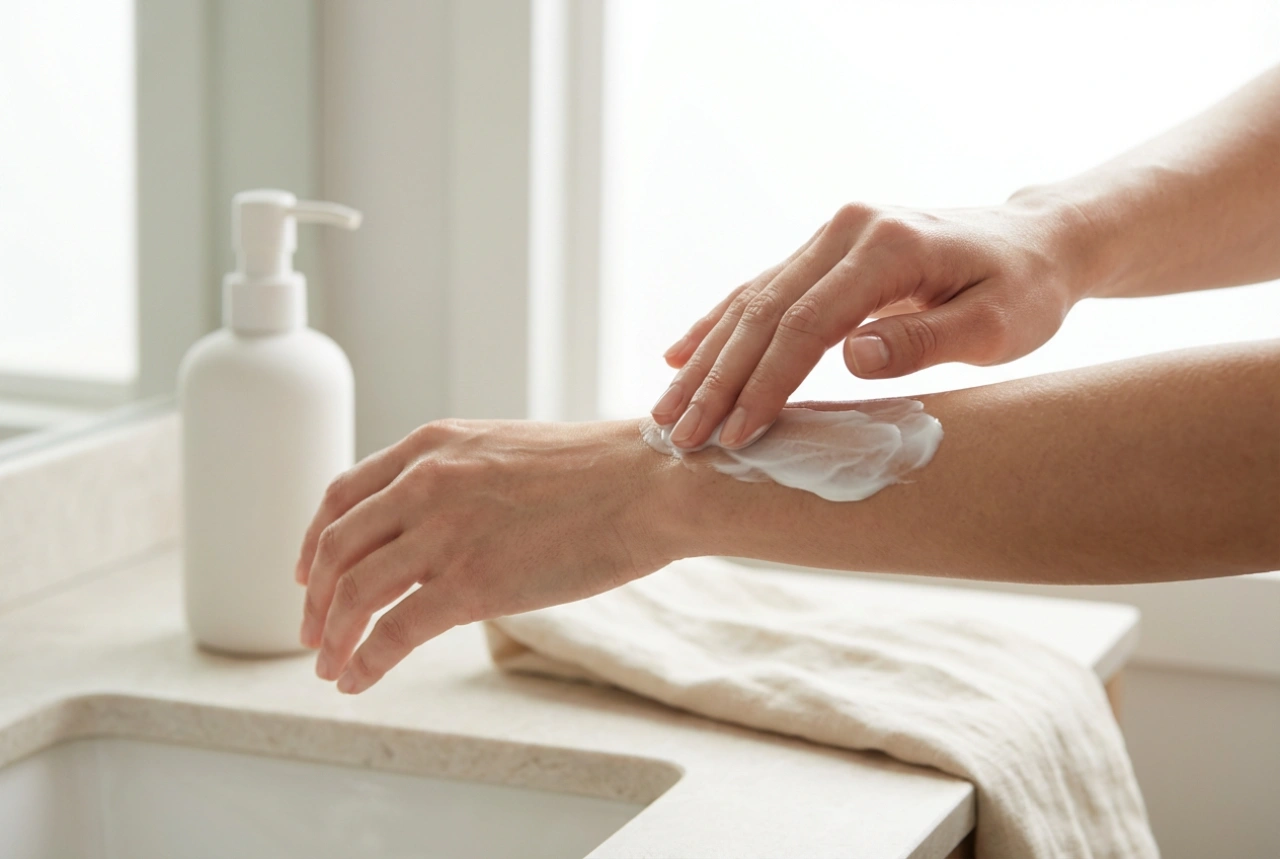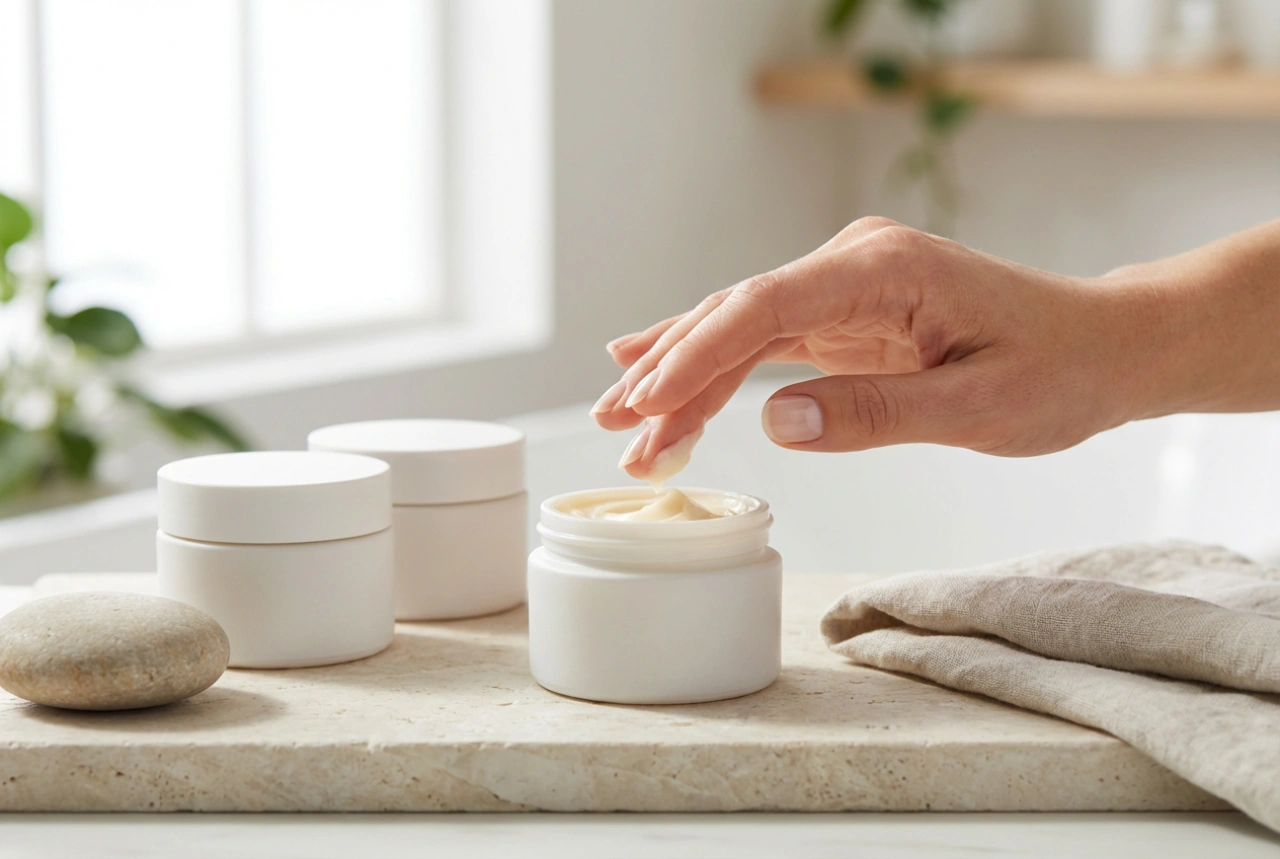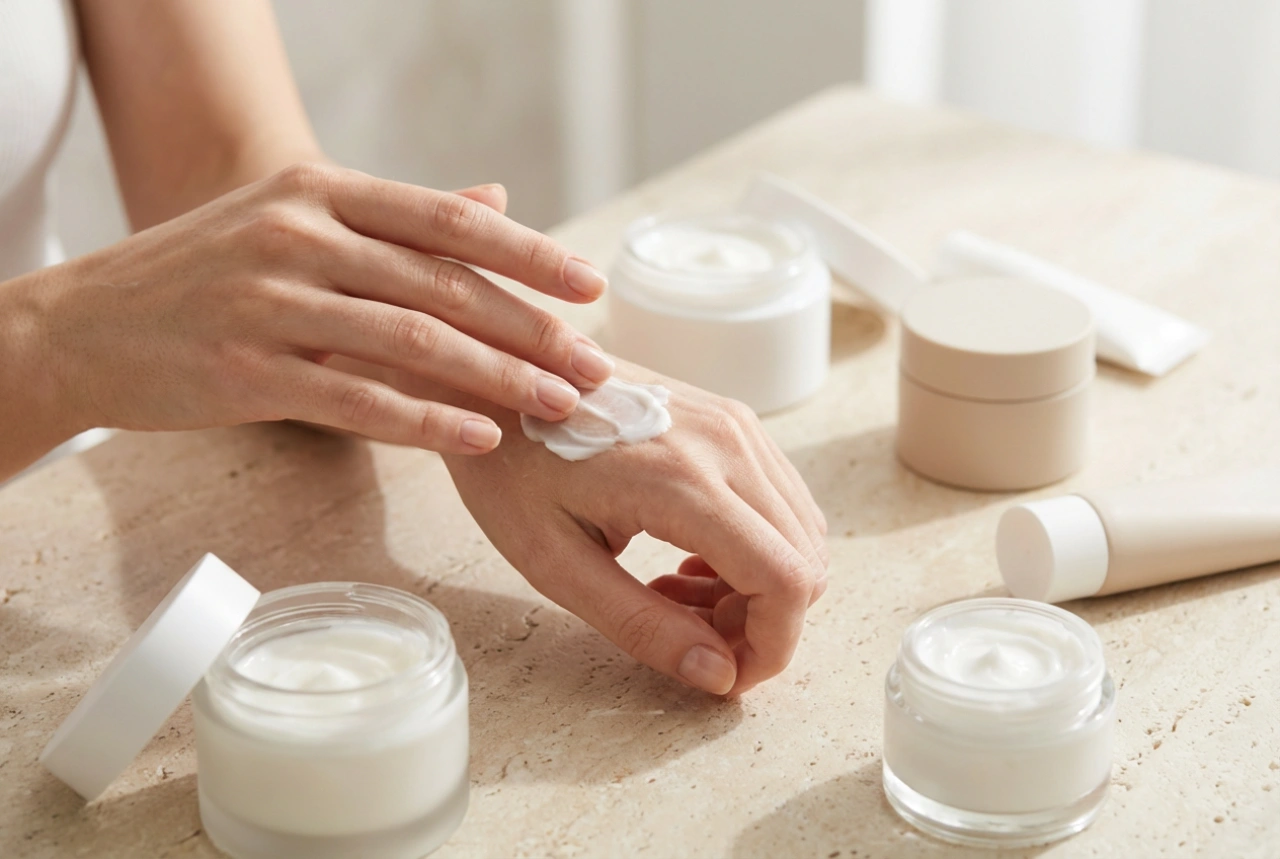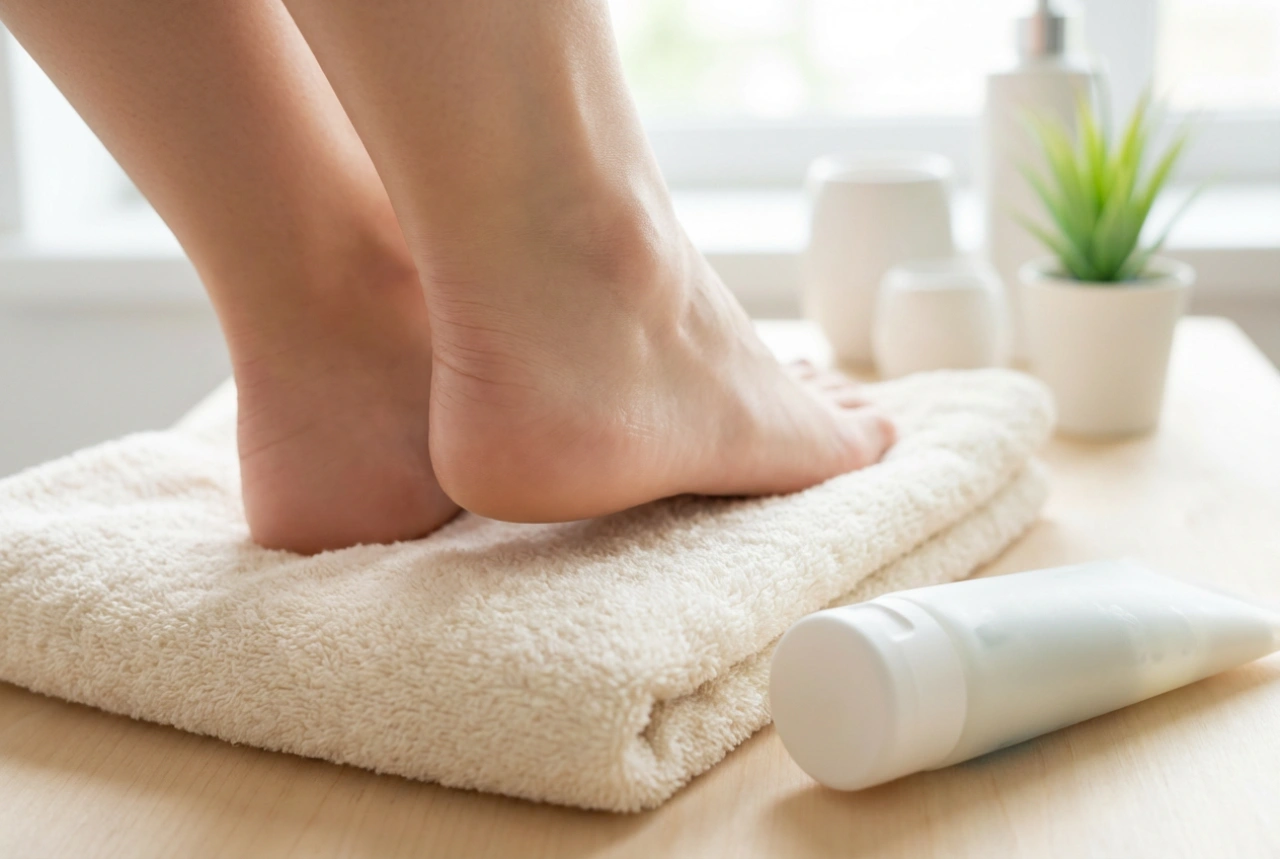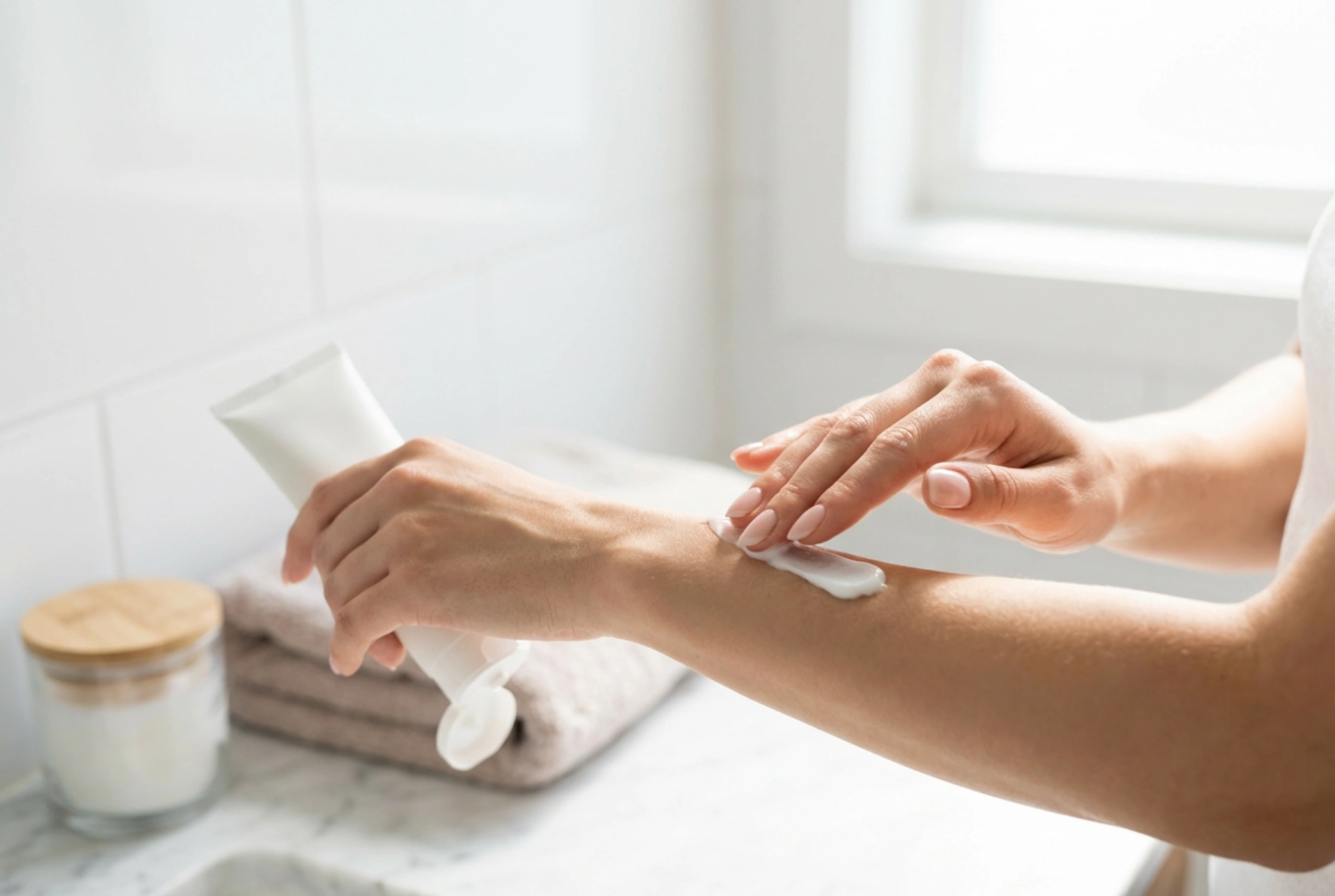


Shaving is a quick and convenient method of hair removal, but it can often leave the skin feeling sensitised and dry. Applying a gentle, hydrating cream right after shaving is crucial for restoring the skin’s natural protective barrier. Much like gently applying a smooth, lightweight cream from a sleek tube onto newly shaved skin, the right post-shave care provides immediate comfort and helps maintain long-lasting softness without causing further irritation.
Why the skin needs soothing after shaving
Every time a razor passes over the skin, it does more than just cut the hair at the surface. It also removes the microscopic top layer of dead skin cells. While this acts as a form of mild physical exfoliation, it can easily disrupt the delicate hydrolipid barrier. Without proper protection, moisture quickly evaporates, leading to redness, tightness, and that uncomfortable burning sensation often referred to as razor burn.
Women’s skin in areas such as the legs, underarms, and bikini line is particularly thin and sensitive. When the protective barrier is compromised, external factors can easily trigger irritation. Implementing a reliable aftercare routine is the most effective way to lock in hydration and support the natural regeneration process of the epidermis.
Key ingredients to look for in after-shave creams
When selecting a nourishing cream to soothe the skin after hair removal, it is wise to focus on mild, deeply hydrating ingredients. Opt for formulations that are free from heavy synthetic fragrances and drying alcohols, which can exacerbate sensitivity. Excellent choices include:
- Panthenol and Allantoin: Known for their exceptional soothing properties, these ingredients help calm redness and accelerate the recovery of dry or irritated skin.
- Aloe Vera Extract: A natural humectant that provides an instant cooling effect, rehydrating the skin while reducing discomfort.
- Shea Butter and Natural Oils: These plant-based emollients mimic the skin's natural lipids, sealing in moisture and leaving the surface silky and smooth.
- Chamomile and Calendula: Botanical extracts that naturally soothe delicate skin and minimise the appearance of temporary post-shave redness.
Step-by-step post-shave routine for lasting comfort
To get the best results from your after-shave cream, the application technique and timing are just as important as the product itself. Follow these simple steps for a calm and smooth finish:
First, rinse the shaved area thoroughly with cool or lukewarm water. This helps to close the pores and remove any remaining shaving foam or loose hairs. Avoid hot water, as it can strip away essential oils and worsen redness.
Next, gently pat the skin dry with a clean, soft towel. Avoid rubbing the skin vigorously, as friction on freshly shaved areas can trigger immediate irritation. Leave the skin slightly damp to help lock in extra moisture.
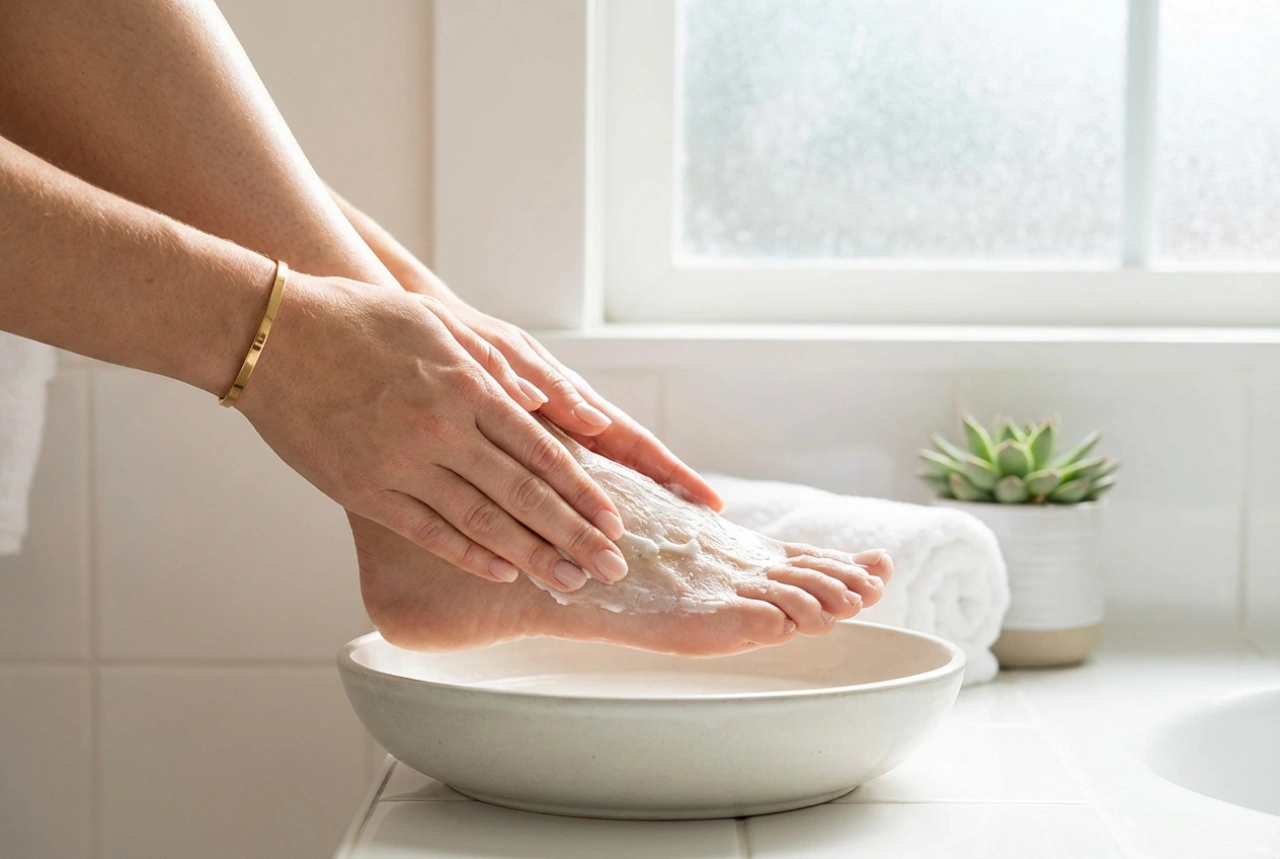
Finally, apply a generous amount of your chosen soothing cream. Massage it gently into the skin using upward, circular motions until fully absorbed. For best results, allow the cream to dry completely before dressing, and choose loose, breathable fabrics like cotton to prevent unwanted friction.
Common mistakes to avoid after hair removal
While applying a quality cream is highly beneficial, avoiding certain habits can further protect your skin from post-shave bumps. Firstly, try to avoid applying heavily fragranced body lotions or deodorants immediately after shaving. Synthetic perfumes can easily penetrate the compromised skin barrier and cause burning.
Secondly, resist the temptation to scratch or touch the freshly shaved area. Hands carry natural oils and impurities that can easily clog open pores. Lastly, wait at least twenty-four hours before exposing the shaved skin to intense sunlight or swimming pool chlorine, as these elements can easily cause inflammation on vulnerable skin.