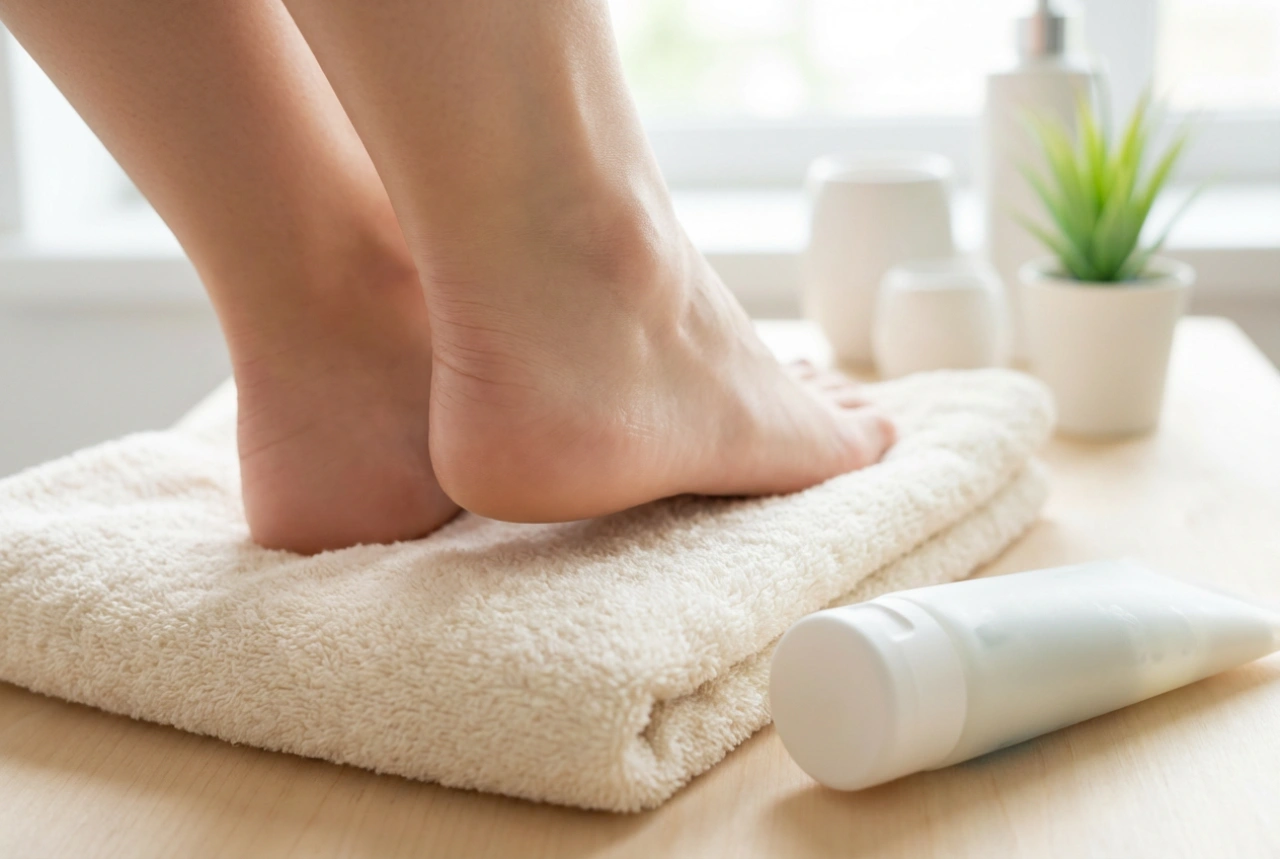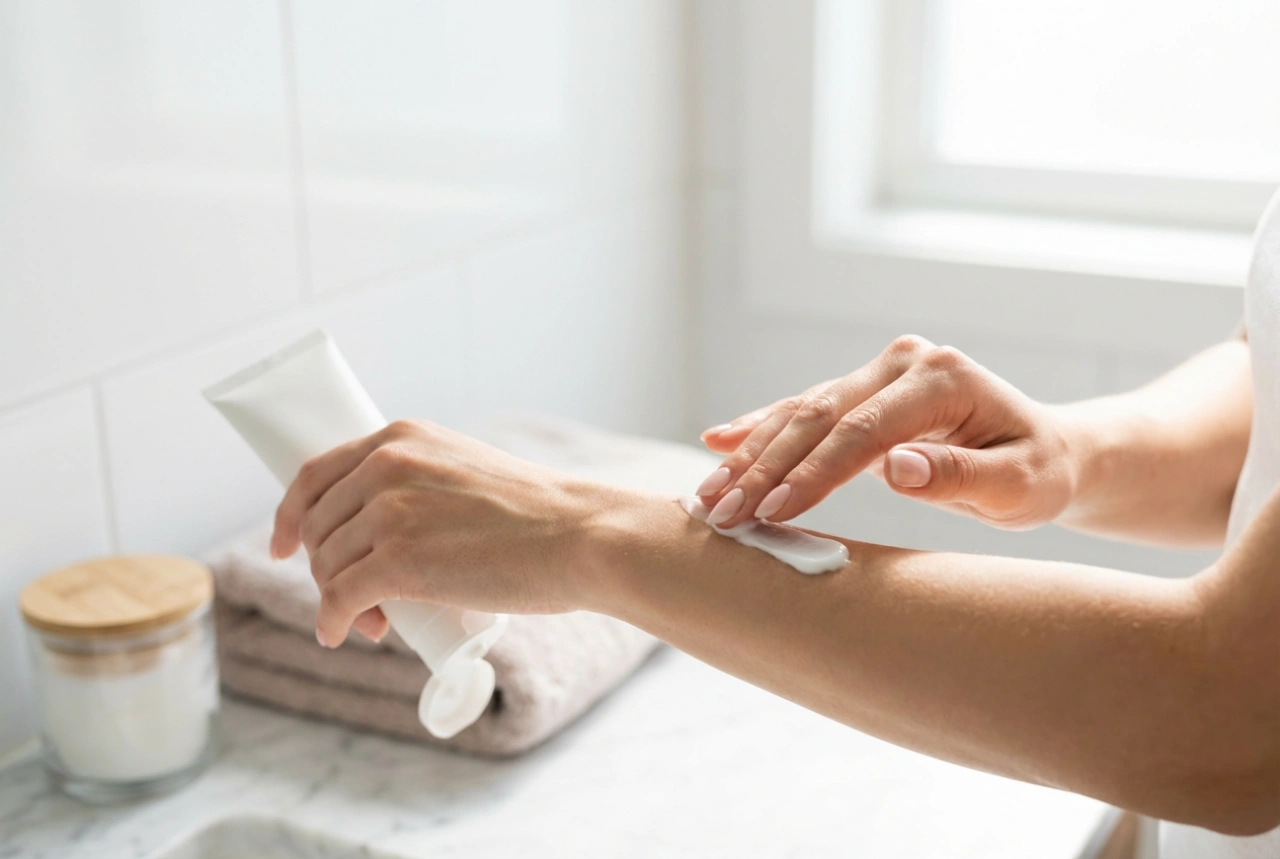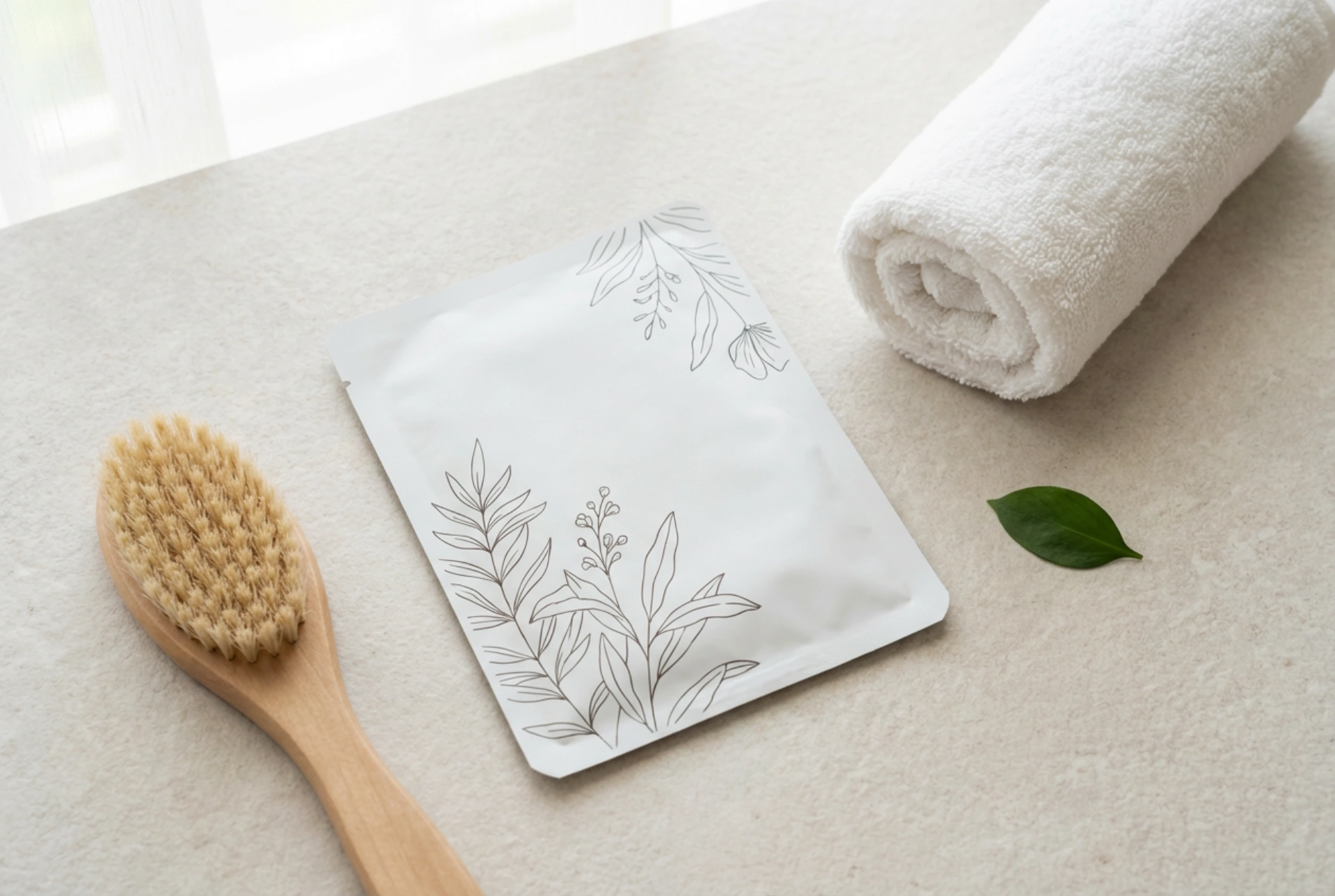


Taking care of our feet is an essential part of a comprehensive self-care routine, yet it is often overlooked until dryness or roughness becomes noticeable. Imagine a serene, spa-like setting at home: a soft white towel, a hint of natural greenery, and a quiet moment dedicated entirely to your well-being. Incorporating a deeply nourishing foot mask into this ritual is one of the most effective ways to restore softness and comfort to tired feet. These specialised treatments offer concentrated hydration, target stubborn, dry areas, and provide a soothing experience that helps you unwind after a long day.
The Benefits of Foot Masks for Dry Skin
The skin on our feet is significantly thicker than the skin on the rest of our body, and because it lacks sebaceous glands, it is particularly prone to extreme dryness and dehydration. Standard daily moisturisers are excellent for maintenance, but when heels become rough or flaky, a more intensive treatment is required. This is where a foot mask becomes invaluable.
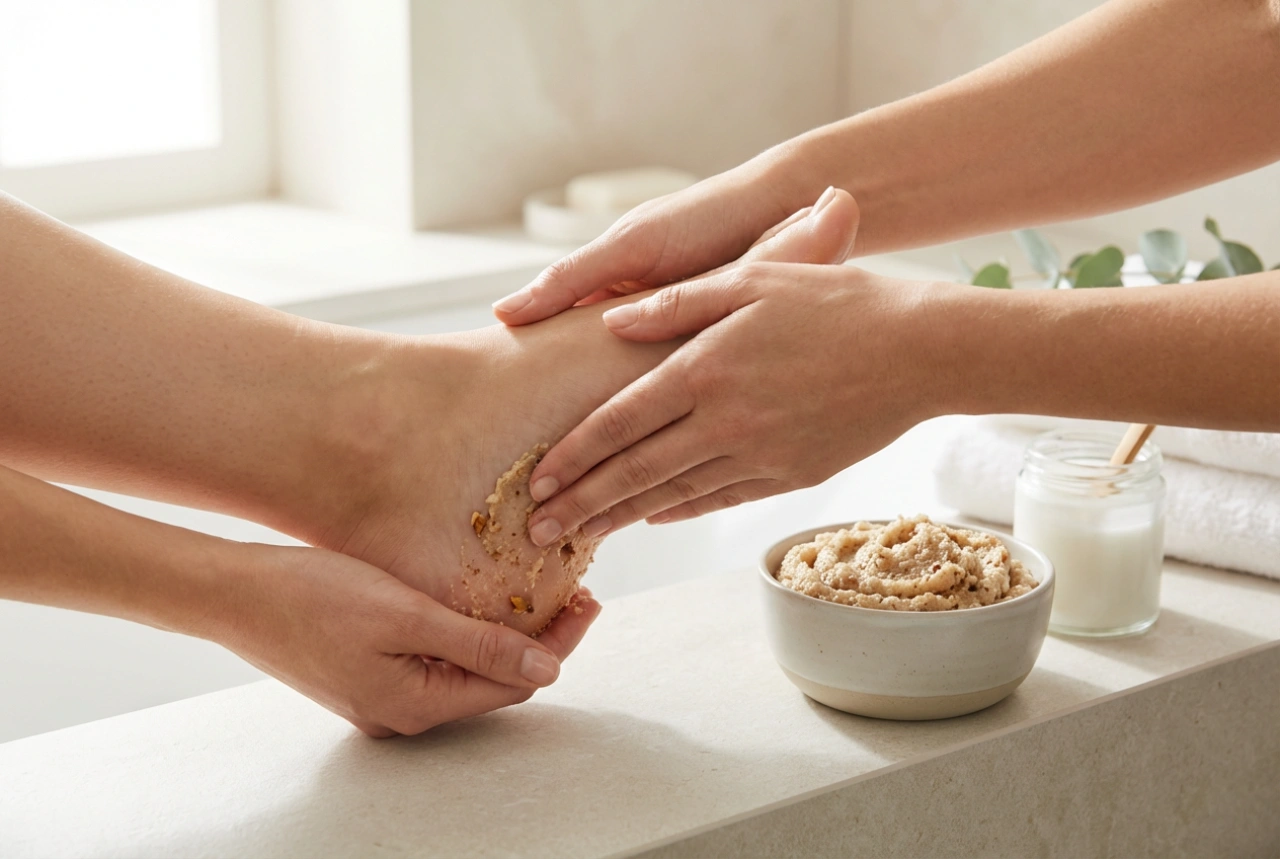
Foot masks work through the principle of occlusion. Whether you use a cream-based mask applied thickly under socks or pre-packaged mask booties, the formulation is held in close contact with the skin for an extended period. This prevents moisture from evaporating, allowing the active ingredients to penetrate the outer layers of the epidermis more effectively. The result is an immediate softening of the skin, improved elasticity, and a noticeable reduction in rough patches.
Key Ingredients for Deep Nourishment
When selecting a foot mask for regular home use, it is helpful to understand which non-medicinal ingredients provide the best results for softening and conditioning the skin. A high-quality cosmetic formula should focus on both hydration and moisture retention.
- Shea Butter and Cocoa Butter: Rich in fatty acids, these natural emollient plant-based butters create a protective barrier on the skin, locking in moisture and smoothing rough textures.
- Glycerin: A powerful humectant that draws water from the environment into the outer layers of the skin, ensuring deep and lasting hydration.
- Natural Oils: Ingredients such as sweet almond oil, jojoba oil, and macadamia oil mimic the skin's natural lipids, nourishing the skin barrier and restoring suppleness.
- Urea (Low Concentrations): In cosmetic concentrations (typically under 10%), urea acts as a gentle humectant and mild exfoliating agent, helping to soften thickened skin on the heels without causing irritation.
- Botanical Extracts: Aloe vera, chamomile, and green tea extracts help to soothe tired feet, reducing the feeling of heaviness and providing a refreshing sensation.
A Step-by-Step Guide to Safe Application
To achieve the best results from your foot mask and ensure the process is entirely safe, it is important to follow a structured routine. Because the skin on our feet can sometimes have minor micro-injuries, gentle care is paramount.
1. Thorough Cleansing
Always begin by washing your feet with a mild soap and warm water. This removes surface dirt and softens the skin slightly, preparing it to absorb the nourishing ingredients of the mask. Pat your feet completely dry with a soft, clean towel, paying special attention to the areas between the toes.
2. Applying the Mask
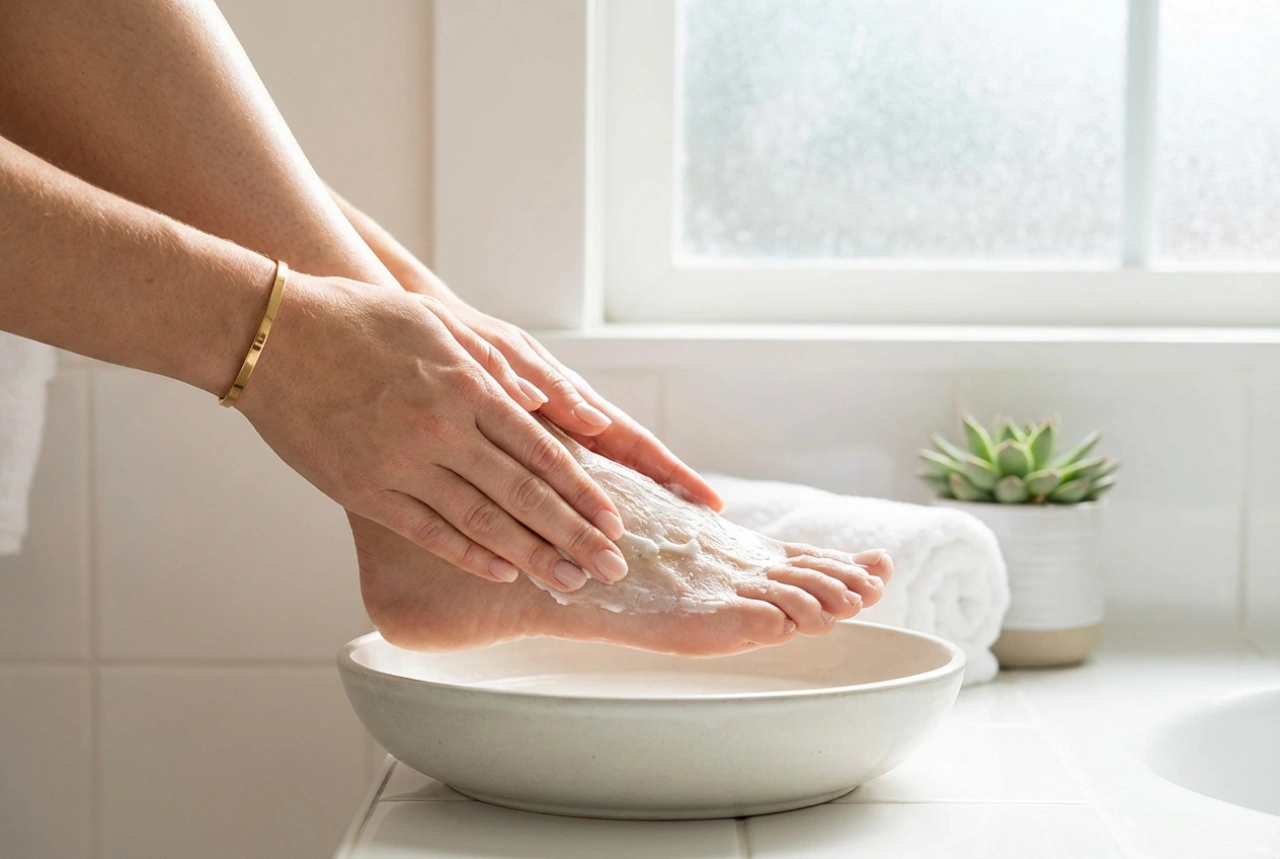
If you are using a cream mask, apply a generous, even layer over your entire foot, focusing on the heels and the balls of your feet. Slide on a pair of clean, breathable cotton socks to keep the product in place. If you are using pre-filled sheet-style mask socks, carefully slip your feet inside and secure them according to the package instructions.
3. Relax and Wait
Leave the mask on for the duration recommended by the manufacturer—typically between 15 and 20 minutes. Avoid walking around during this time, not only for safety reasons (as it can be incredibly slippery) but also to allow yourself a genuine moment of relaxation.
4. Final Steps
Once the time is up, remove the socks or booties. If there is excess product left on your skin, gently massage it in until fully absorbed, or wipe away any residue with a soft tissue. There is usually no need to rinse your feet afterwards unless the specific instructions advise otherwise.
Essential Safety Tips for Home Foot Care
While cosmetic foot masks are generally very safe and easy to use, keeping a few practical guidelines in mind will help prevent any unwanted skin reactions:
- Check for broken skin: Never apply a foot mask—especially one containing exfoliating acids—if you have open cuts, deep heel fissures, scratches, or irritated skin. Wait until the skin has fully healed before resuming intensive treatments.
- Perform a patch test: If you have sensitive skin, apply a small amount of the mask's cream to a small patch of skin on your ankle or the top of your foot. Wait 24 hours to ensure no redness or irritation develops.
- Differentiate between nourishing and peeling masks: Peeling masks contain stronger acids designed to shed dead skin over several days. Nourishing masks focus purely on hydration and softening. Do not confuse the two, and never use peeling masks frequently, as over-exfoliation can weaken the skin barrier.
Maintaining the Results
To keep your feet feeling wonderfully soft between masks, establish a simple daily maintenance routine. Apply a rich moisturising foot cream every evening before bed, wear comfortable socks made from natural fibres, and protect your feet from extreme temperatures. With consistent care, your feet will remain healthy, smooth, and beautiful all year round.