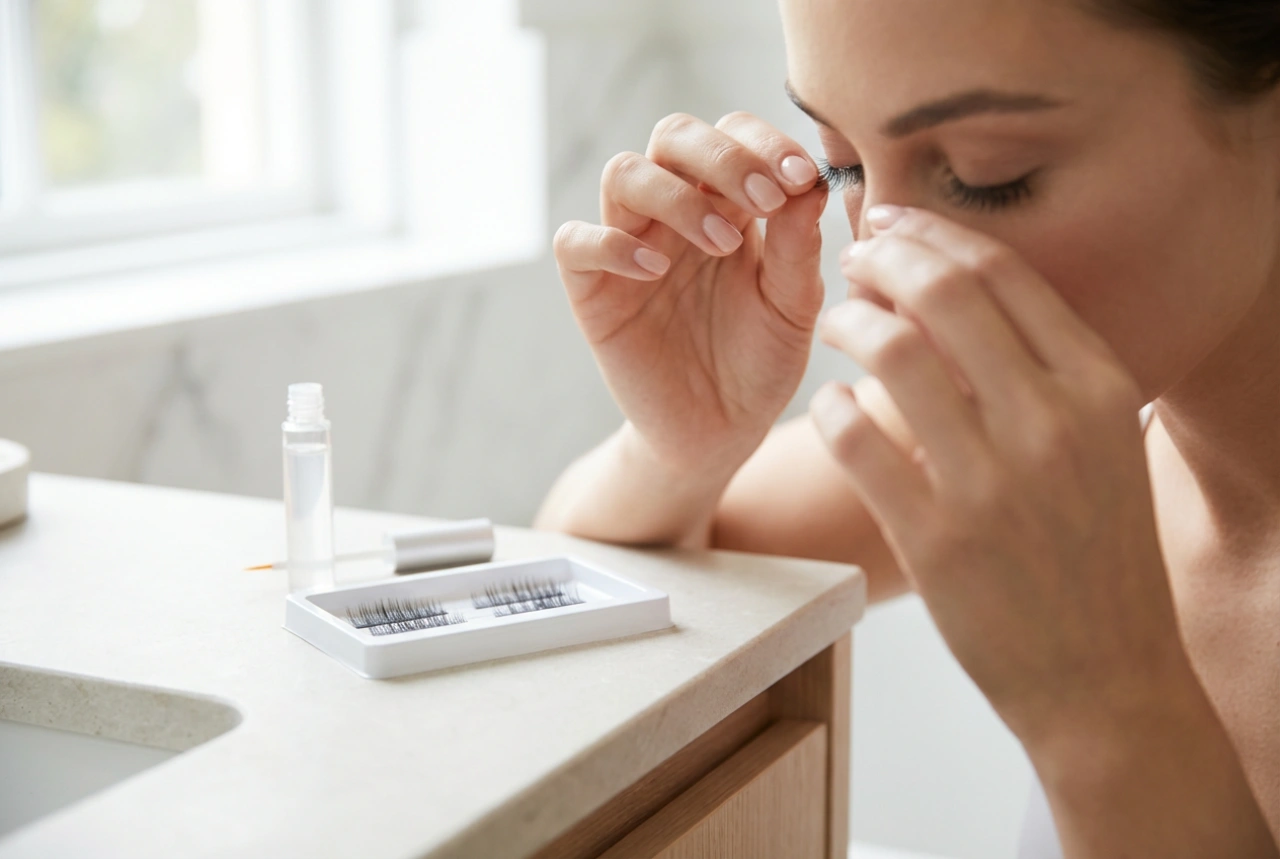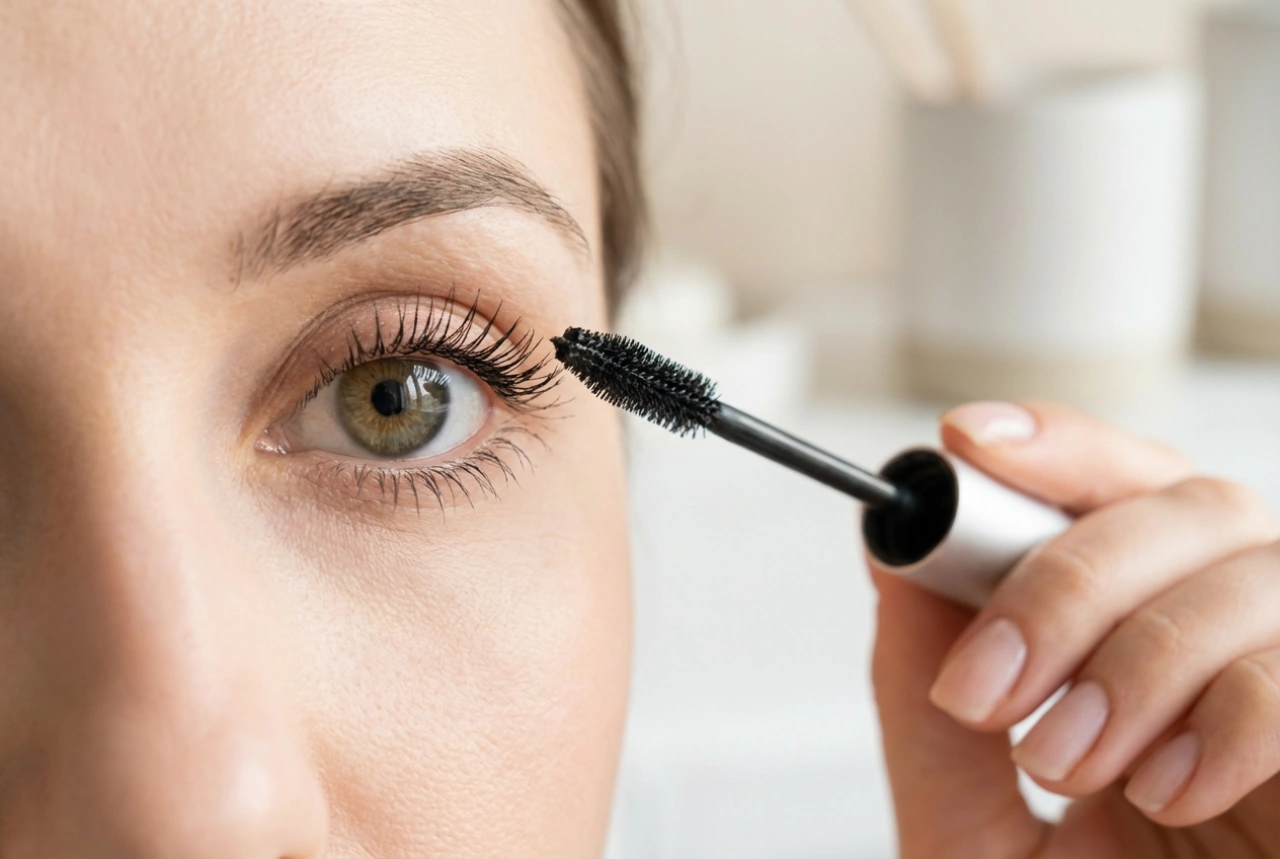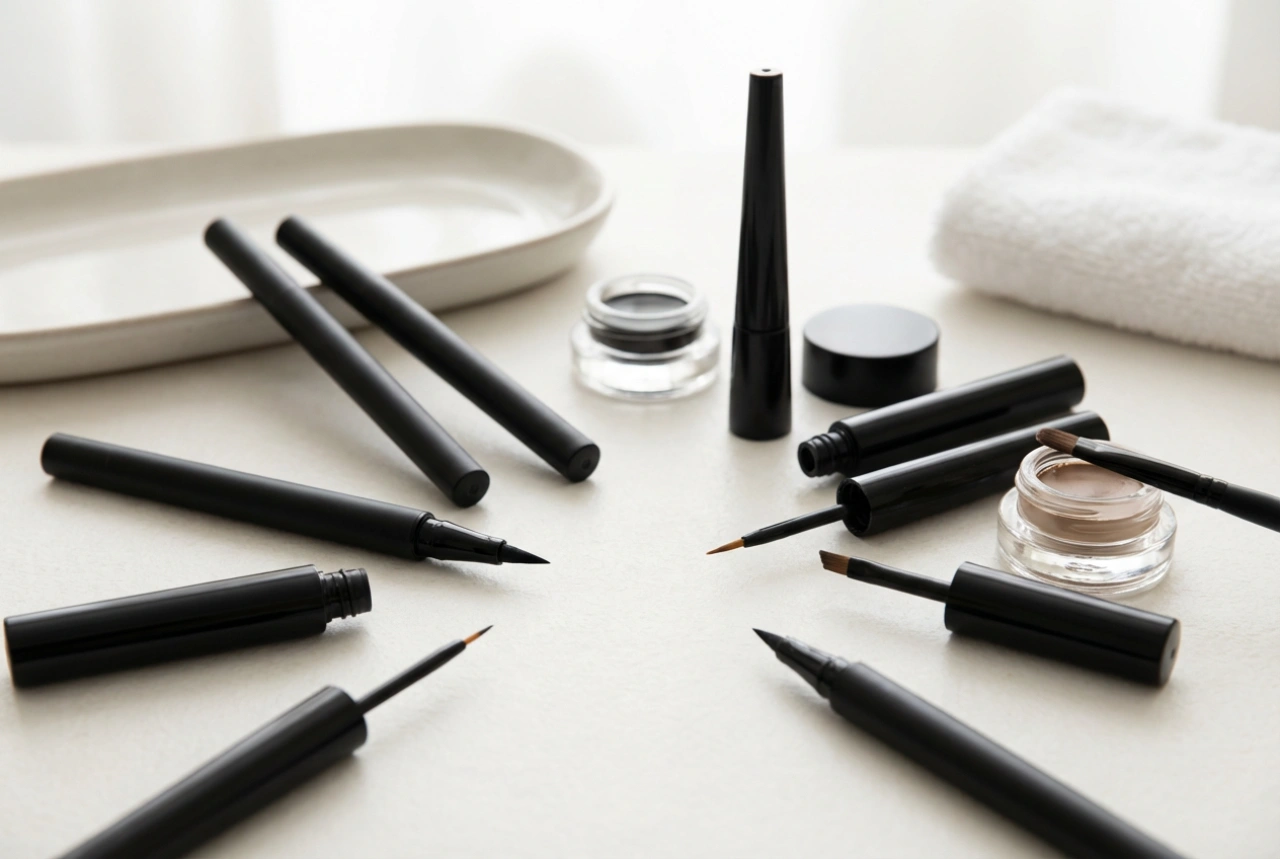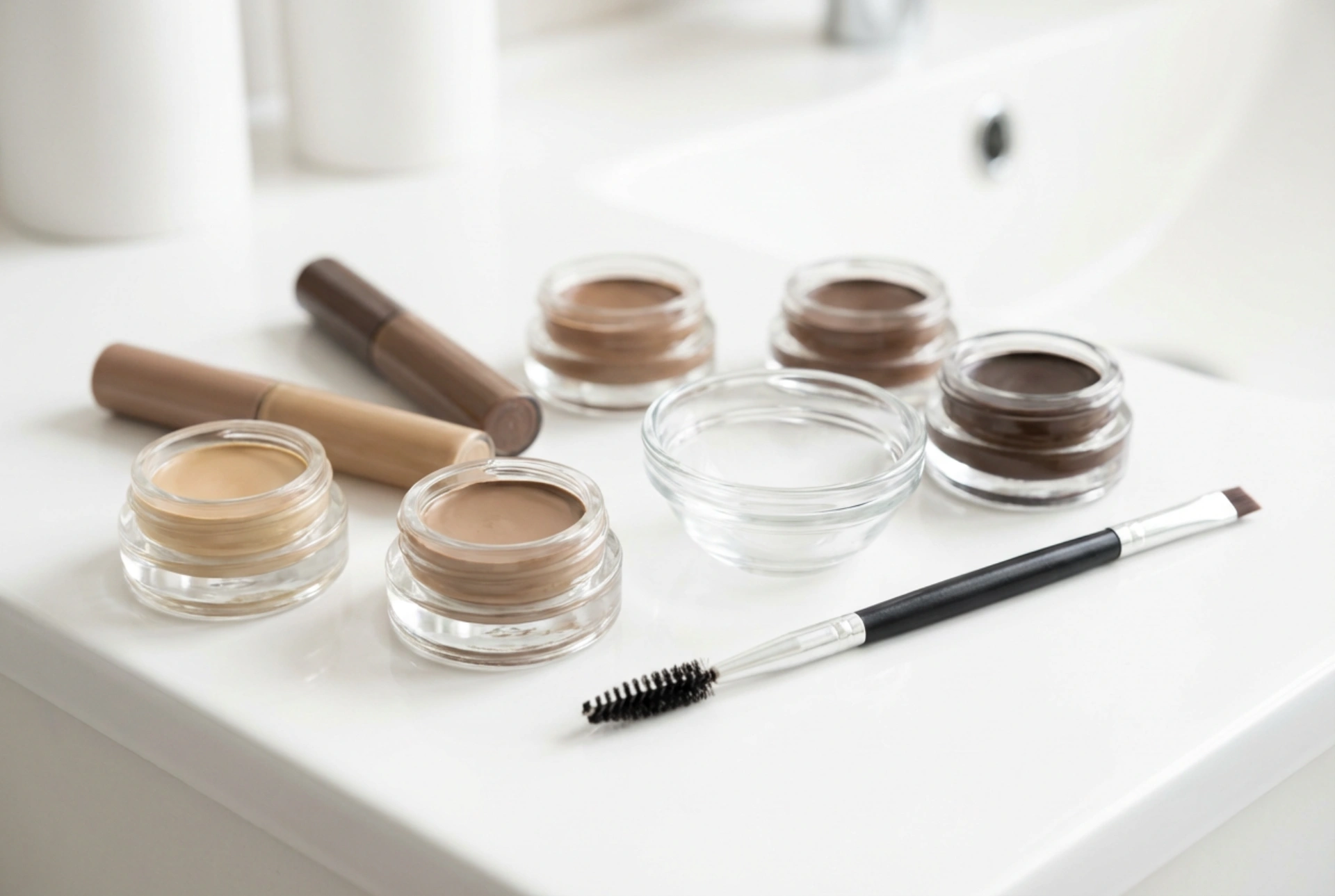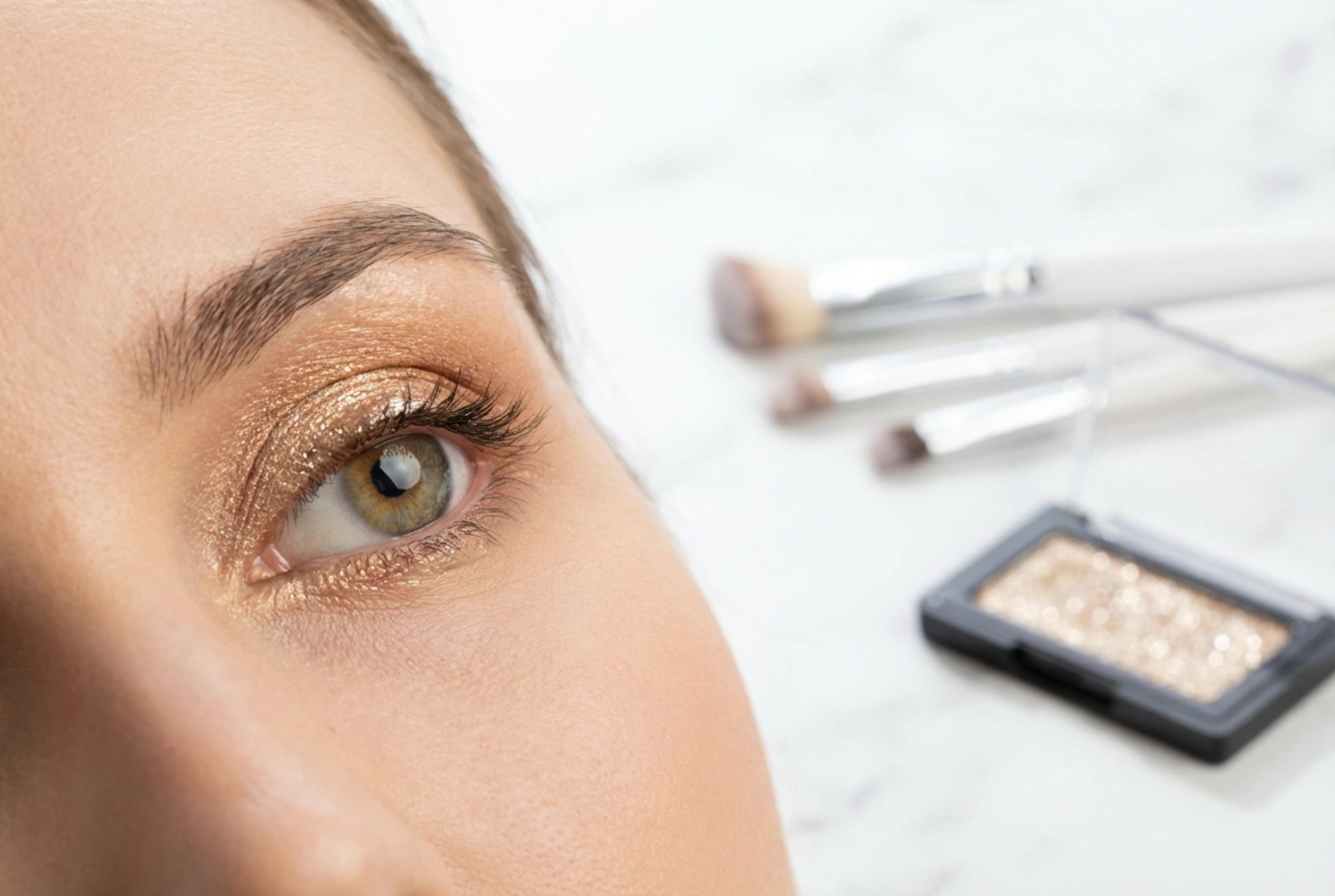


Achieving a flawless, shimmering eye makeup look is one of the most striking ways to enhance your natural beauty. A close-up shot of a woman's eye with perfectly applied, shimmering glitter eyeshadow catching the soft natural light illustrates just how breathtaking this finish can be. When done correctly, the radiant sparkle creates a luminous, long-lasting effect that elevates any beauty routine. However, the main challenge with glitter products is ensuring they stay in place without messy fallout. With the right preparation and application techniques, you can enjoy a dazzling gaze that lasts from day to night.
Preparing the Eyelids for Glitter Application
The foundation of any long-lasting makeup look, especially one involving glitter, is proper eyelid preparation. Eyelids naturally produce oils throughout the day, which can cause shimmering pigments to crease, fade, or drift down the face. Starting with a clean, dry canvas is essential for securing loose or pressed glitter particles.
- Cleansing: Gently remove any excess sebum or residual makeup from the eye area using a mild, oil-free cleanser.
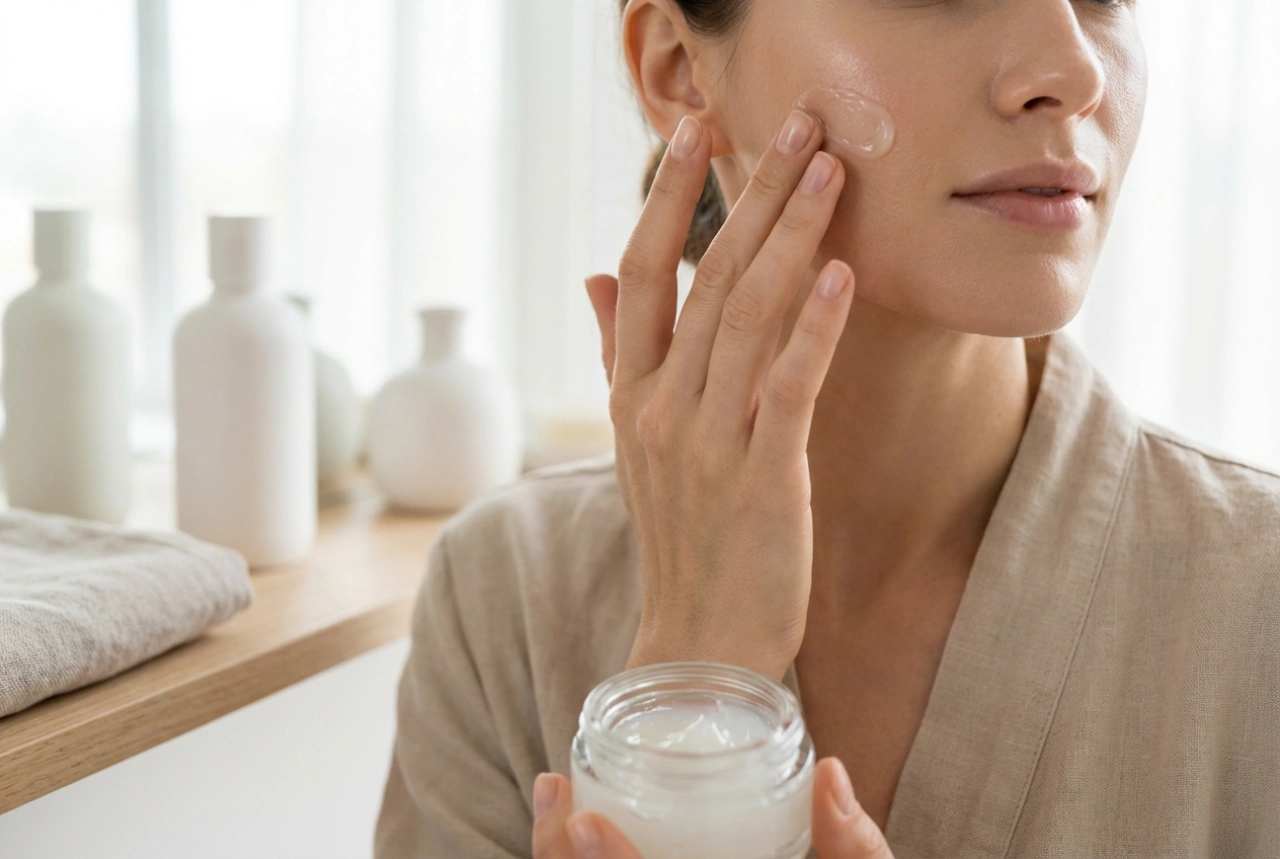
- Hydration: Apply a lightweight, fast-absorbing eye cream to keep the skin hydrated, but ensure it is fully absorbed before moving to the next step.
- Matting: Dust a tiny amount of translucent powder over the lids to absorb any remaining moisture and create an even surface.
Choosing the Right Base and Adhesive
Glitter particles are heavier than standard matte or satin eyeshadows, meaning they require a stronger grip to stay in place. Using a dedicated primer or cosmetic adhesive is the most effective way to prevent fallout. These products act as a magnet, locking the shimmer onto the skin without altering the colour of the pigment.
For subtle shimmer, a standard creamy eyeshadow primer may suffice. However, for intense, chunky glitter or loose pigments, a specialised glitter glue or mixing liquid is highly recommended. These safe, cosmetic-grade formulas dry down to a comfortable, non-sticky finish while keeping every speck of sparkle exactly where you want it. Apply a thin, even layer of the adhesive using a clean synthetic brush or your ring finger, focusing on the areas where you want the sparkle to be most concentrated.
Step-by-Step Application Techniques to Avoid Fallout
How you apply the glitter is just as important as the products you use. To mimic the flawless, professional finish of a high-end makeup look, follow these practical steps:
1. The Patting Motion
Never swipe or rub glitter eyeshadow onto the eyelid. Swiping disrupts the adhesive base and scatters the particles, leading to immediate fallout. Instead, use a flat, synthetic packing brush or your fingertip to gently press and pat the glitter onto the lid. This locking motion ensures maximum adhesion and a concentrated, even distribution of shine.
2. The Shield Method
To protect the rest of your face during application, place a soft tissue or a reusable makeup shield under your lower lashes. This will catch any stray glitter particles that might drop during the process. Alternatively, you can apply a generous layer of loose translucent powder under the eyes and sweep it away with a fluffy brush once your eye makeup is complete.
3. Working in Layers
It is always easier to add more sparkle than to remove excess. Work in thin, buildable layers, allowing each layer to set briefly before adding more. This technique prevents the makeup from looking cakey or feeling heavy on the delicate skin of the eyelids.
Setting and Maintaining the Sparkle All Day
Once you have achieved your desired level of shimmer, sealing the look is the final step in ensuring longevity. A high-quality makeup setting spray is invaluable for this purpose. Close your eyes and mist the face from a distance, allowing the fine droplets to settle naturally. This helps bind the glitter particles to the skin and creates a protective barrier against humidity and friction.
In addition to setting spray, avoid touching your eyes throughout the day. Physical contact is the most common cause of glitter migration. If you notice any minor fallout later on, do not rub it with your fingers. Instead, use a clean spoolie brush or a piece of gentle paper tape to lightly lift the stray particles off your skin without disturbing your foundation.