

Curly hair possesses a unique beauty, but its structure also makes it particularly susceptible to dryness, frizz, and a lack of definition. Providing consistent moisture is the cornerstone of any effective curly hair care regimen. This is where a leave-in conditioner proves to be an essential styling tool, acting as the foundation for healthy, bouncy, and well-defined curls. Understanding how to use it correctly can transform your styling routine from a daily struggle into a simple, rewarding process.
Why is a Leave-In Conditioner a Must-Have for Curls?
Unlike a traditional rinse-out conditioner that provides a temporary moisture boost in the shower, a leave-in conditioner is a lighter-weight product designed to remain on your hair. It works continuously between washes to deliver moisture, protection, and styling benefits.
The primary role of a leave-in conditioner in a curly hair routine is to provide a base layer of hydration. Curls thrive on moisture, and this product helps to seal the hair cuticle, which in turn reduces frizz and flyaways. It makes the hair smoother and more pliable, simplifying the detangling process and minimising breakage. Furthermore, it acts as an excellent primer, creating a smooth canvas for other styling products like mousse, cream, or gel to work more effectively. By helping curls to clump together, it enhances your natural pattern, leading to more defined and organised spirals.
A Step-by-Step Guide to Application
The effectiveness of a leave-in conditioner hinges on proper application. Following a specific method ensures every strand receives the benefits without weighing your hair down. The golden rule for curly hair is to apply products to wet hair, not just damp or towel-dried.
1. Start with Soaking Wet Hair: After washing and conditioning, do not wring out or towel-dry your hair excessively. Your hair should be dripping wet. This allows the leave-in conditioner to spread easily and helps it lock in the maximum amount of water, which is crucial for hydration and curl formation.
2. Section Your Hair: For even distribution, especially if you have thick hair, divide it into two to four or more manageable sections. Working in sections ensures that you don't miss any areas, particularly the underlayers that are often neglected.
3. Use the Right Amount: Start with a small amount, perhaps the size of a five-pence coin, for each section. You can always add more if needed. The correct quantity will vary based on your hair's length, density, and porosity. Fine hair requires less product to avoid being weighed down, while thicker, coarser hair may need a more generous application.
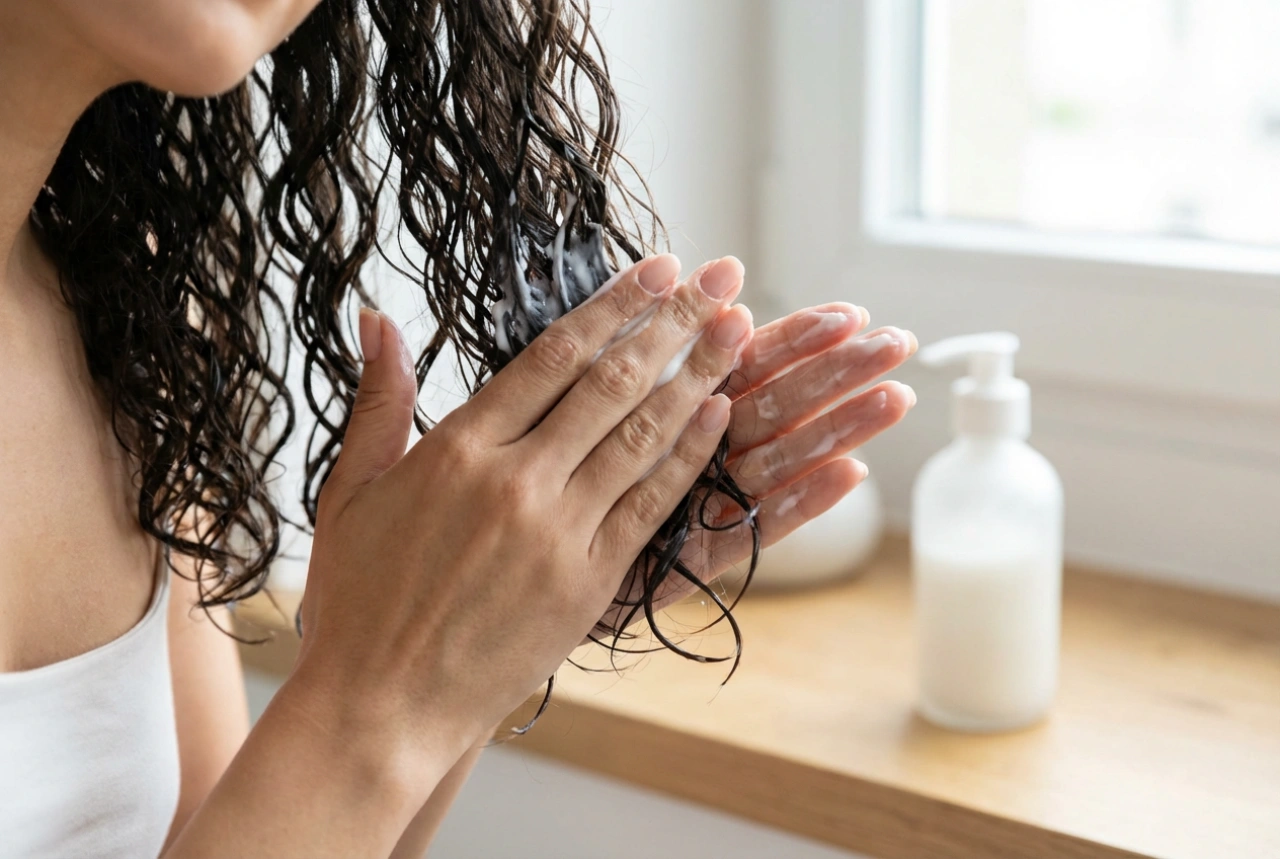
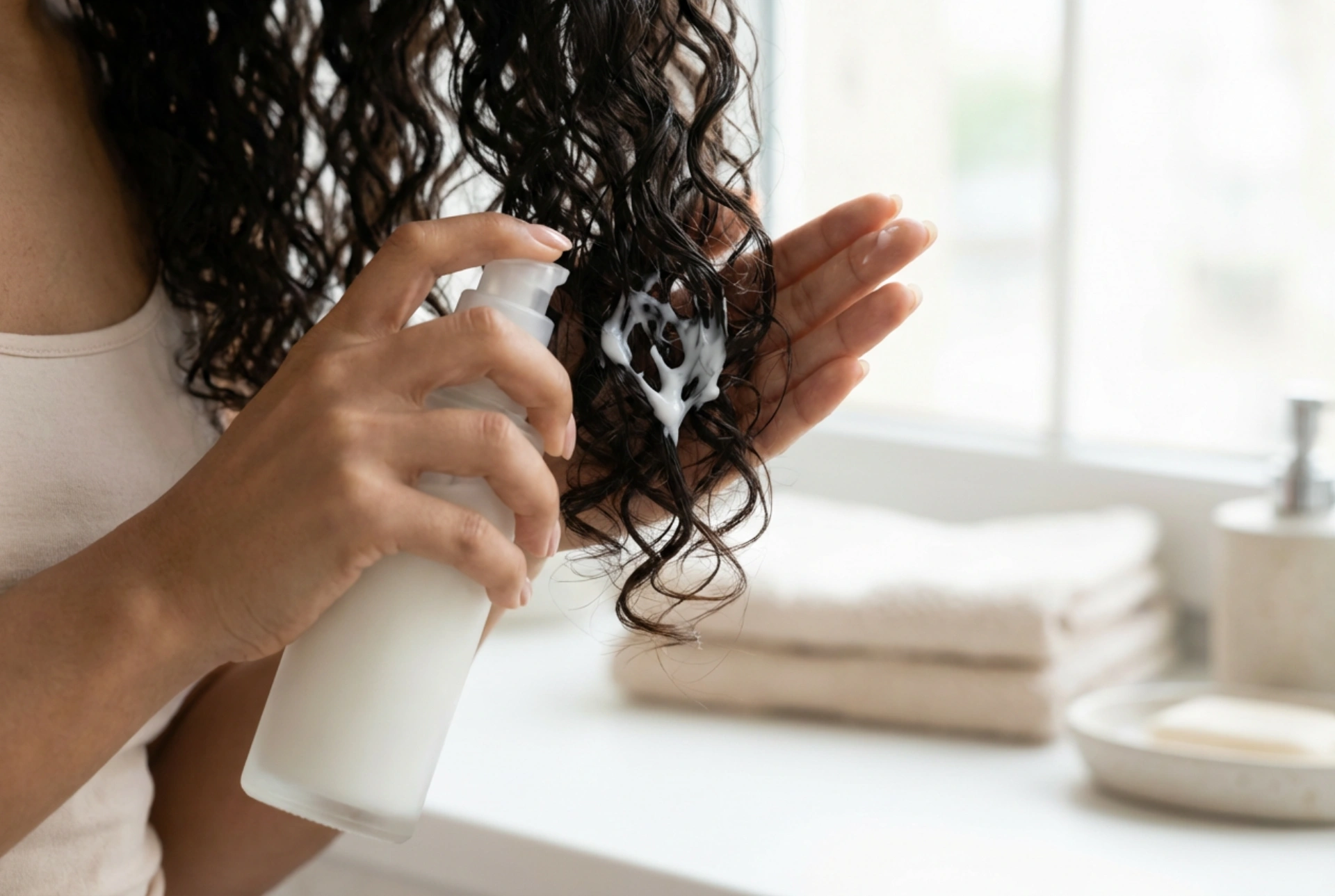
4. Apply with Intention: Rub the product between your palms to emulsify it. Then, use one of these proven techniques:
- The Raking Method: Use your fingers like a rake to gently comb the product through your hair from root to tip. This helps with detangling and ensures every strand is coated.
- The Praying Hands Method: Place a section of hair between your palms as if in prayer and glide your hands down the hair shaft. This method smooths the cuticle and encourages curls to clump together.
5. Encourage Curl Definition: After applying the product, gently scrunch your hair towards the scalp. This action helps to enhance your natural curl pattern and encourages the formation of defined spirals. You should hear a 'squishing' sound, which is a sign that your hair is well-moisturised.
Common Mistakes to Avoid
Even with the best intentions, it's easy to make mistakes that can hinder your results. Being aware of these common pitfalls will help you get the most out of your leave-in conditioner.
- Applying to Dry or Damp Hair: Applying a leave-in to hair that is not wet enough is the most common mistake. It can lead to uneven application, stickiness, and frizz, as the product doesn't have enough water to help it spread and absorb properly.
- Using Too Much Product: Over-application is a frequent issue, especially for those with fine hair. An excess of product can leave your curls feeling greasy, limp, and weighed down, destroying volume and definition. Always start small.
- Focusing Only on the Ends: While the ends are typically the driest part of the hair, the mid-lengths also need moisture and frizz control. Ensure you are distributing the product evenly from the mid-shaft down to the tips.
- Skipping Other Stylers: A leave-in conditioner provides moisture and a soft hold, but it is not typically a strong hold product. For curls that last, you will likely need to layer a gel or mousse on top to lock in the style and provide longevity.
- Inconsistent Application: Rushing the process and just applying product to the top layer (the 'canopy') of your hair will result in an uneven finish, with frizz peeking out from underneath. Take the time to work in sections for a uniform result.