

Achieving beautifully smooth skin in the bikini area is a goal for many, helping to boost confidence, especially in swimwear or certain outfits. The key to a successful and comfortable experience lies not just in the hair removal itself, but in a thoughtful routine that includes preparing the skin beforehand and caring for it afterwards. With the right techniques, you can easily manage a tidy shallow bikini line from the comfort of your own home, ensuring the delicate skin remains calm and healthy.
What is a Shallow Bikini Line?
A shallow bikini line, often called a basic bikini tidy-up, is the simplest style of bikini hair removal. The aim is to remove any hair that would be visible along the edges of a standard pair of briefs or a bikini bottom. This typically includes hair on the very top of the thighs and just below the navel. It's an excellent starting point for anyone new to bikini grooming, as it's straightforward and focuses only on the periphery, leaving the more sensitive areas untouched.
Preparing Your Skin for Hair Removal
Proper preparation is the most important step to prevent irritation and achieve the best results. Rushing this stage can lead to discomfort, so always set aside enough time to treat your skin with care.
1. Exfoliate Gently
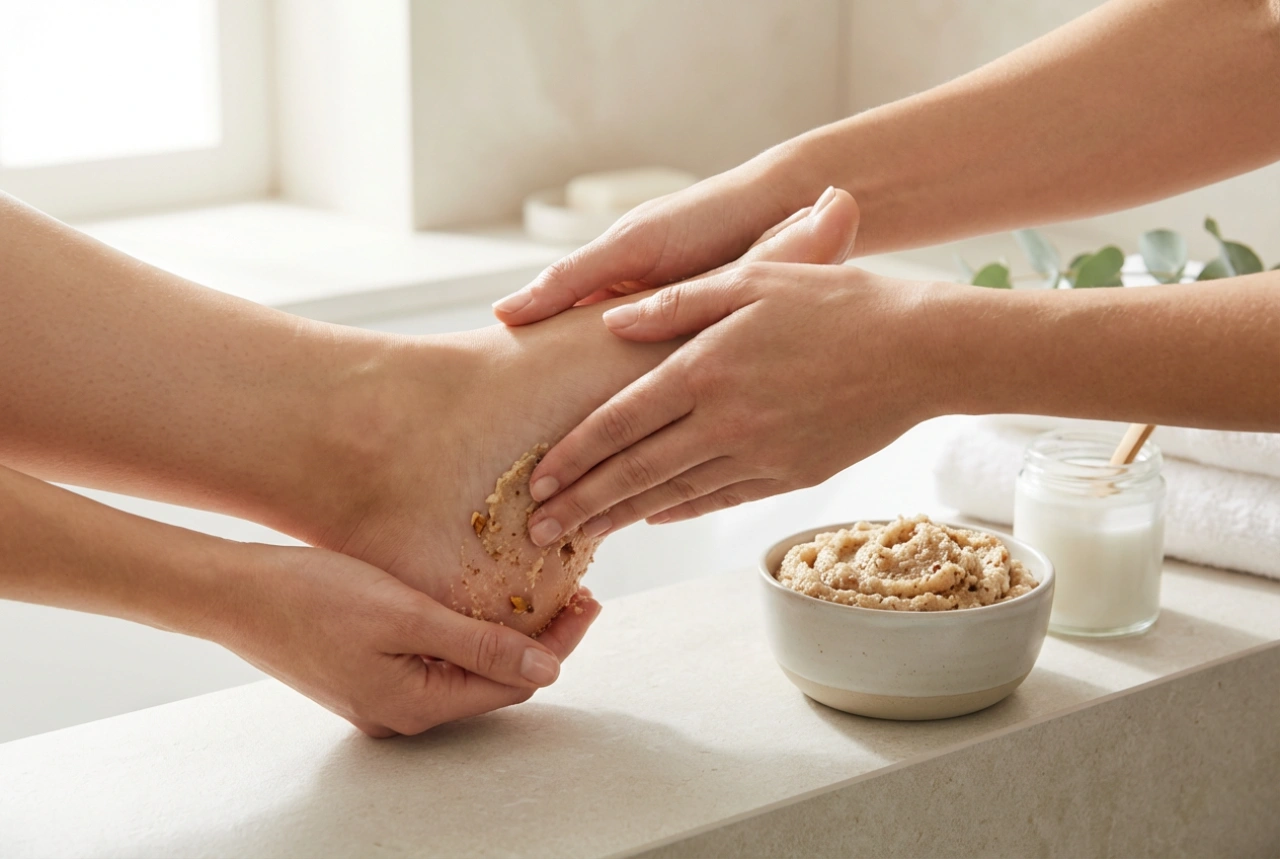
About 24 to 48 hours before you plan to remove hair, gently exfoliate the bikini area. This sloughs away dead skin cells that can clog hair follicles, helping to prevent bumps and ingrown hairs. Use a mild body scrub with fine particles or an exfoliating glove, and work in gentle circular motions. Avoid harsh scrubbing, as this can irritate the skin.
2. Cleanse and Soften
Just before hair removal, take a warm shower or bath for at least five minutes. The warmth and moisture will soften both your skin and the hair, making removal much easier and more comfortable, regardless of the method you choose. Use a simple, fragrance-free wash to cleanse the area thoroughly, ensuring it's free from oils or lotions that could interfere with waxes or creams.
3. Trim if Necessary
If your hair is longer than about one centimetre, it's a good idea to trim it. Hair that is too long can make waxing more painful and less effective, and can get caught in a razor. Use a clean pair of small scissors or a dedicated trimmer and carefully shorten the hairs to a more manageable length, around half a centimetre.
Choosing Your At-Home Hair Removal Method
There are several effective methods for maintaining a shallow bikini line at home. The best one for you depends on your personal preference, pain tolerance, and how long you want the results to last.
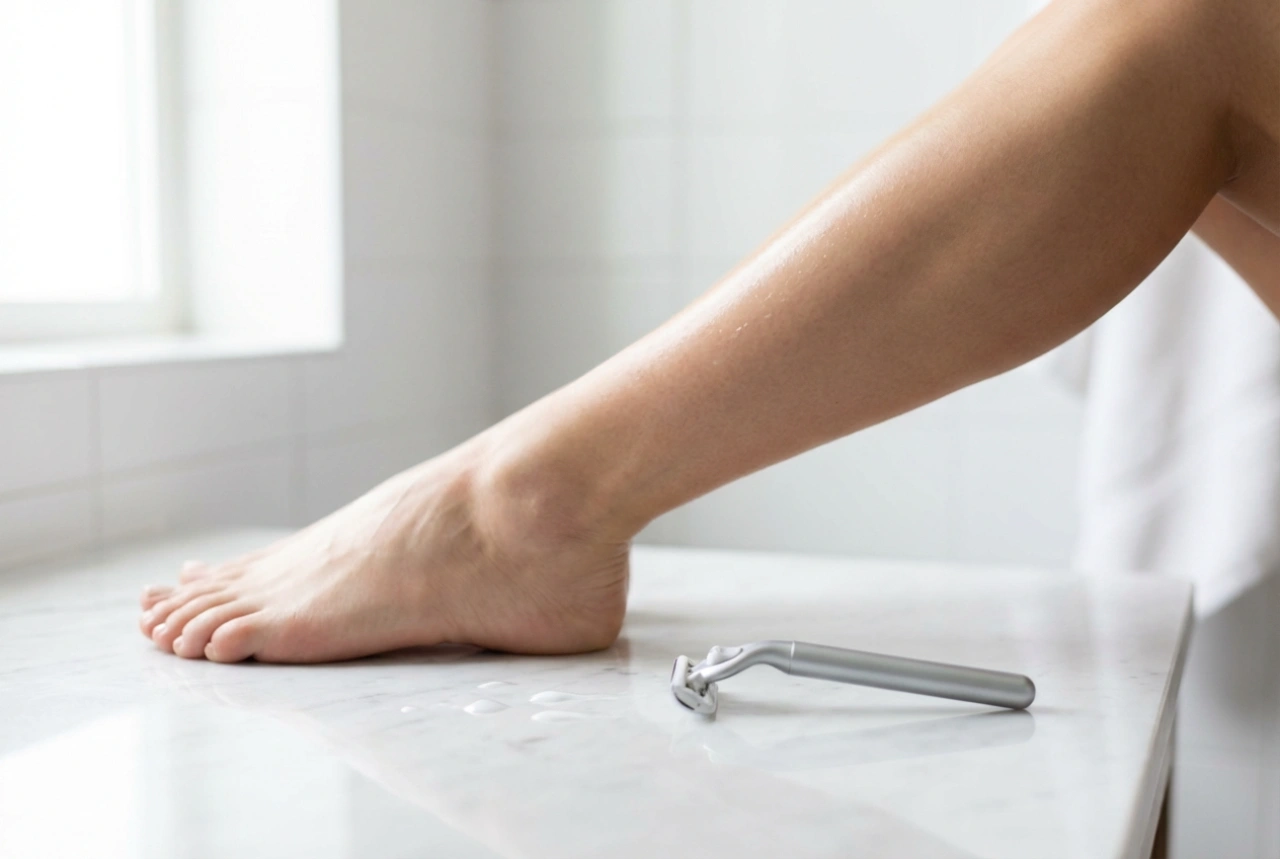
- Shaving: This is the quickest and most painless option. For best results, always use a sharp, clean razor blade and a lubricating shaving gel or foam designed for sensitive skin. Shave in the direction of hair growth to minimise the risk of razor burn and ingrown hairs. The main drawback is that regrowth appears quickly, often within a day or two.
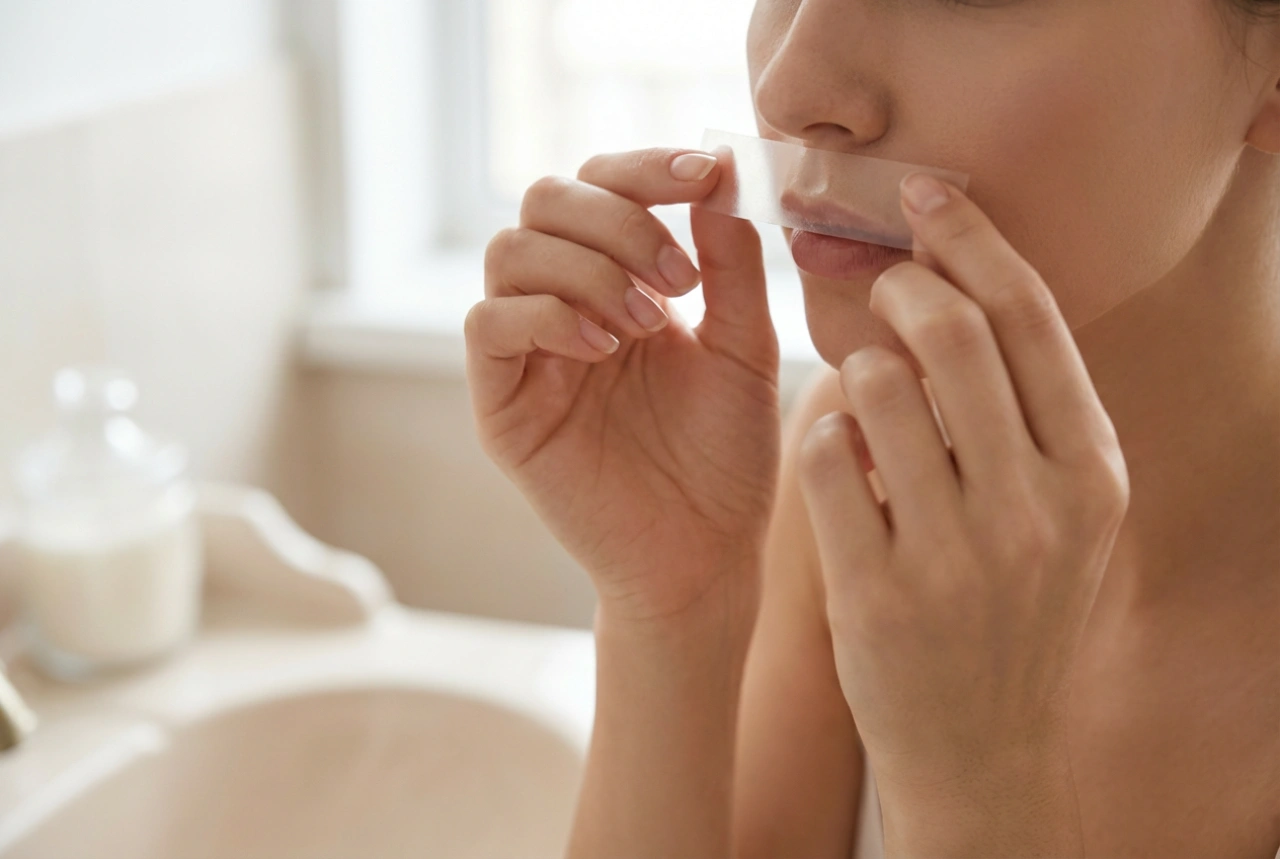
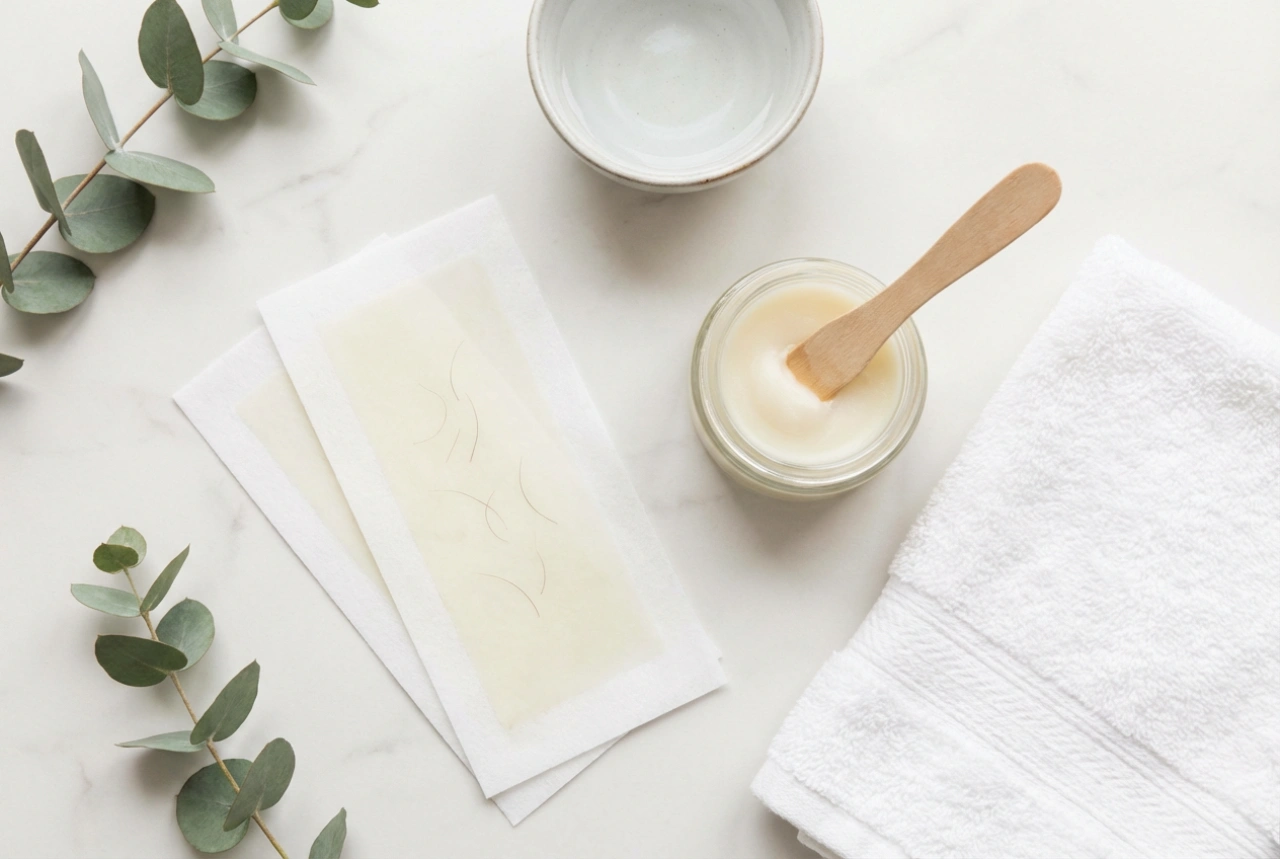
- Waxing or Sugaring: These methods remove hair from the root, providing smooth results that can last for several weeks. You can use pre-made wax strips or pots of warm wax or sugar paste. While more uncomfortable than shaving, many find the long-lasting results worth it. Always pull the strip or paste off against the direction of hair growth.
- Epilators: An epilator is an electrical device that tweezes out multiple hairs from the root. The results are long-lasting, similar to waxing. The sensation can be intense, but often lessens with regular use. It's best to use on dry skin for maximum efficiency.
- Hair Removal Creams (Depilatories): These creams use chemicals to dissolve hair at the skin's surface. They are pain-free and easy to use. However, the chemicals can be harsh on sensitive skin. It is absolutely essential to perform a patch test on a small area 24 hours before applying it to the entire bikini line to check for any adverse reactions.
Essential Aftercare for Smooth, Calm Skin
What you do after hair removal is just as important as what you do before. Proper aftercare will soothe the skin, reduce redness, and help maintain your smooth results for longer.
Soothe and Hydrate Immediately
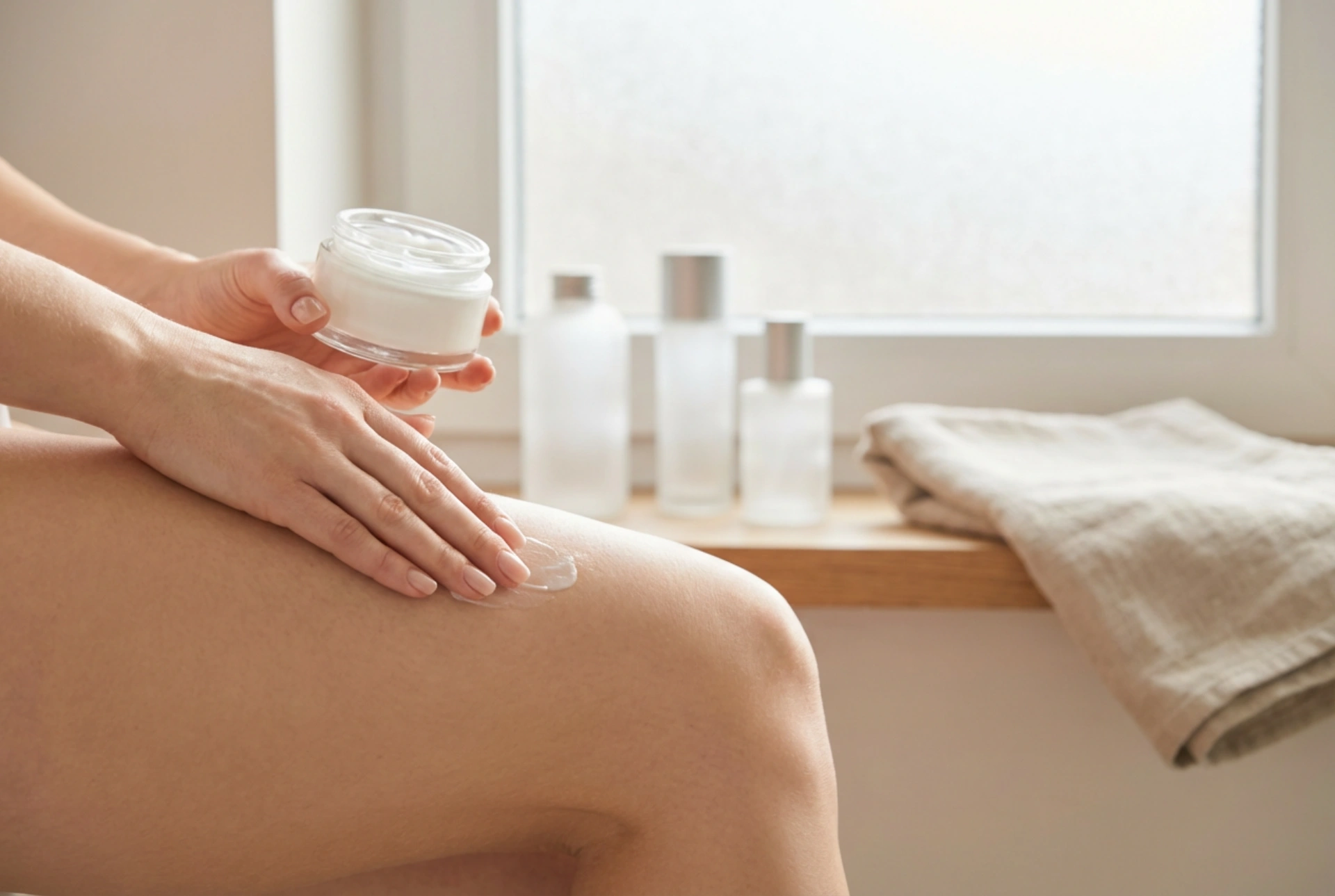
After removing the hair, rinse the area with cool water to help close the pores and pat it dry with a soft, clean towel. Immediately apply a gentle, alcohol-free and fragrance-free moisturiser or a soothing gel containing ingredients like aloe vera or chamomile extract. This will help calm any immediate redness and rehydrate the skin.
Avoid Irritation for 24-48 Hours
For the first day or two after hair removal, the skin will be more sensitive. To prevent irritation, you should:
- Wear loose, breathable cotton underwear and avoid tight clothing.
- Steer clear of hot baths, saunas, and steam rooms.
- Avoid swimming in chlorinated pools or the sea.
- Do not apply any products containing fragrances, alcohol, or other potential irritants to the area.
Maintain with Gentle Exfoliation and Moisturising
A few days after hair removal, you can resume gentle exfoliation two to three times a week. This continued practice is vital for preventing ingrown hairs as they start to grow back. Furthermore, moisturising the area daily will keep the skin supple and healthy, improving its overall appearance and feel.