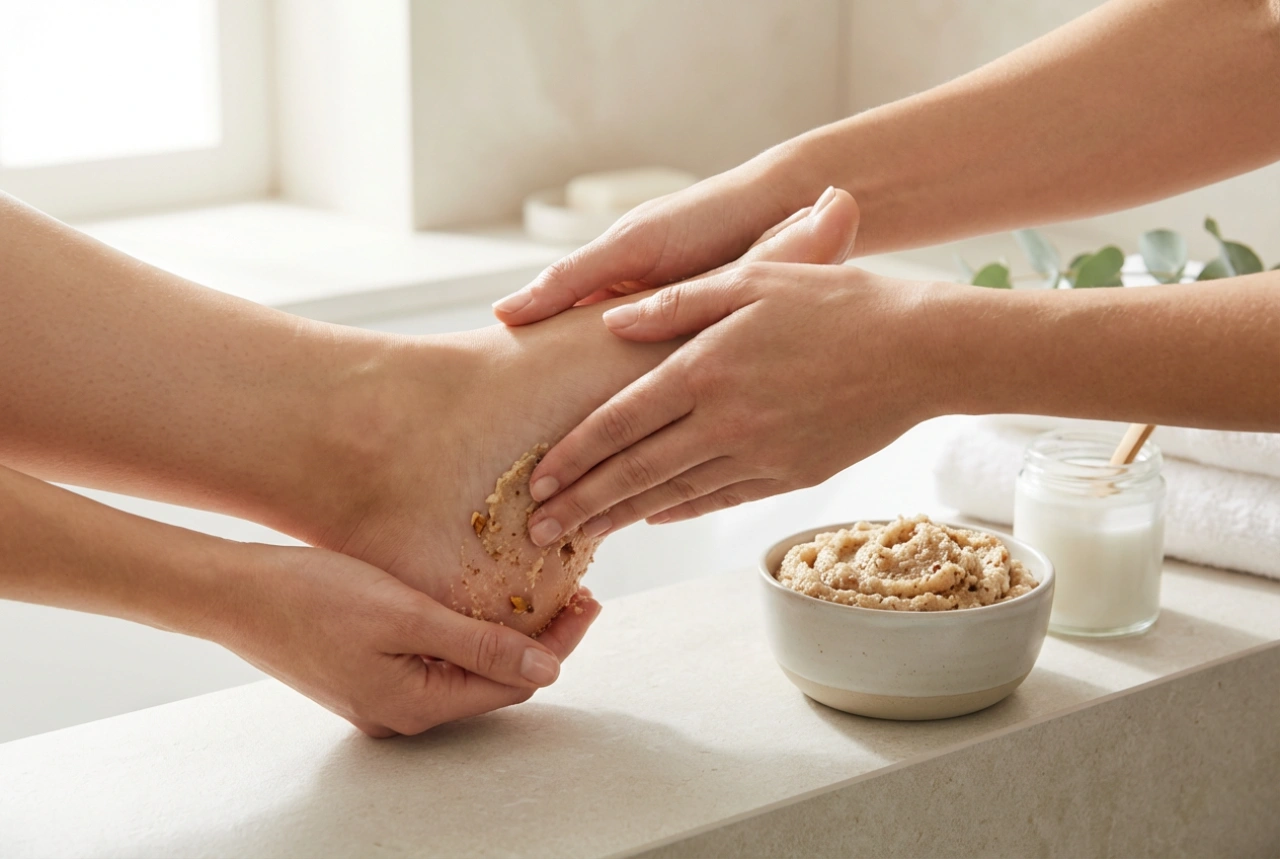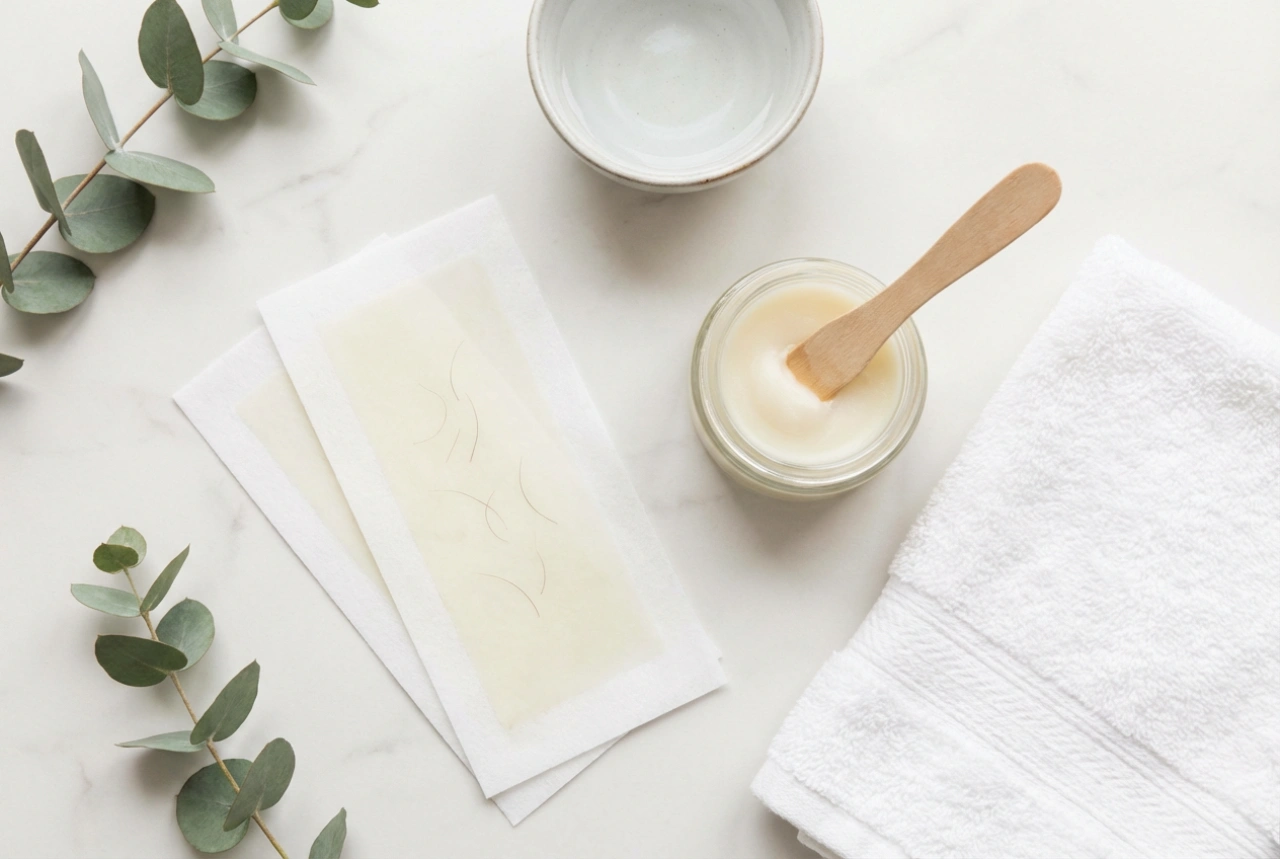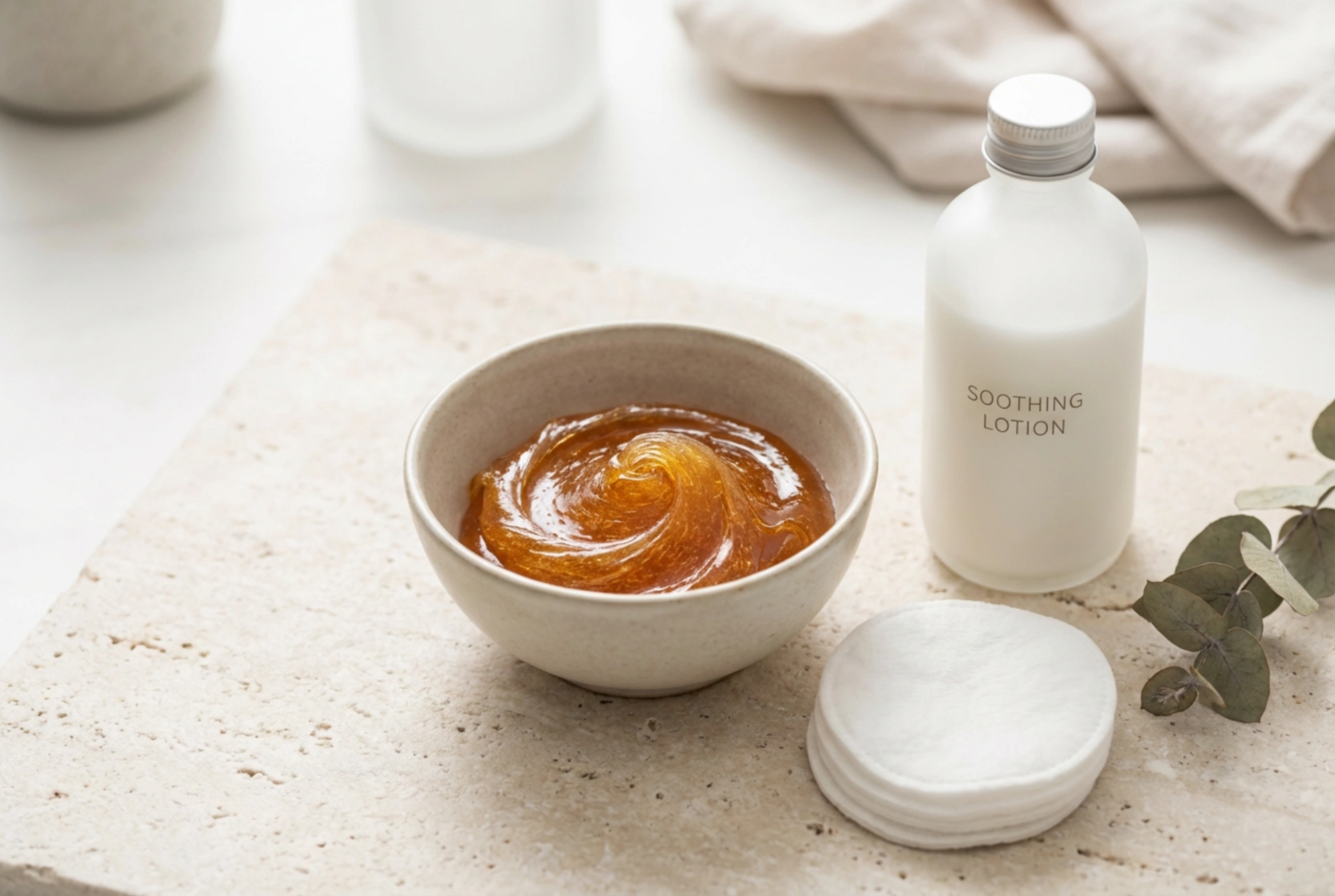


The quest for smooth, hair-free skin has led many to explore various removal methods. Among the most gentle and time-honoured techniques is sugaring, a method that utilises a simple, natural paste. As suggested by the image of a pure sugar paste alongside soothing skincare essentials, this approach pairs effective hair removal with a strong emphasis on skin health and comfort, making it a popular choice for those with sensitive skin.
What Exactly is Sugaring?
Sugaring is a method of hair removal that has been practised for centuries, originating in ancient civilisations. It involves using a paste made from just three simple ingredients: sugar, lemon juice, and water. The ingredients are cooked together to form a sticky, honey-like consistency that adheres to hair without sticking excessively to the skin. Unlike some modern methods, the purity of the ingredients means it is free from chemical additives, resins, and preservatives, which is a significant benefit for delicate skin.
The Appeal of Natural Ingredients
The primary advantage of sugar paste lies in its composition. The water-soluble nature of the paste means any residue can be easily cleaned from the skin with just warm water. This contrasts with wax-based methods that often require special oils for removal. The simplicity of the formula also reduces the likelihood of skin irritation for many individuals, making it a favourable option for sensitive areas.
The Sugaring Method: How Does It Work?
The technique of sugaring is what truly sets it apart and contributes to its reputation for being gentle. The process involves applying the lukewarm paste to the skin and then removing it in a way that minimises stress on the skin and hair follicles.
Application and Removal
A key difference between sugaring and many other methods is the direction of application and removal. The sugar paste is applied *against* the direction of hair growth, allowing it to seep into the hair follicles. It is then removed by flicking it off *in* the natural direction of hair growth. This technique is significant for several reasons:
- It helps to remove the hair from the root, leading to longer-lasting smoothness.
- It reduces the chance of hair breakage at the skin's surface.
- Pulling in the direction of growth is generally considered less painful and can help minimise skin redness and irritation.
Preparing Your Skin for a Smooth Experience
Proper preparation is key to achieving the best results from sugaring and ensuring the process is as comfortable as possible. A few simple steps beforehand can make a world of difference.
- Ensure Hair is the Right Length: For the paste to grip effectively, hair should ideally be about the length of a grain of rice. If it is too short, the paste may not be able to catch it; if it is too long, the process can be more uncomfortable.
- Cleanse the Area: Before you begin, wash the skin with a gentle, non-oily cleanser to remove any dirt, sweat, or residue.
- Exfoliate Gently: A day or two before your sugaring session, use a mild exfoliant on the area. This helps to remove dead skin cells and release any trapped hairs, but avoid exfoliating immediately before treatment as this can make the skin too sensitive.
- Keep it Dry: The skin must be completely dry for the sugar paste to adhere properly. Avoid applying any moisturisers, oils, or deodorants to the area on the day of treatment. A light dusting of a suitable powder can help absorb any excess moisture.
Essential Aftercare for Soothed Skin
What you do after sugaring is just as important as the preparation. Post-treatment care helps to soothe the skin, prevent bumps, and maintain that silky-smooth finish.
Immediate Soothing and Protection
For the first 24 to 48 hours after hair removal, your skin will be more sensitive. During this time, it is best to:
- Avoid hot baths, saunas, steam rooms, and swimming pools.
- Refrain from intense exercise that causes excessive sweating.
- Wear loose-fitting, natural-fibre clothing to allow the skin to breathe and prevent friction.
- Apply a gentle, fragrance-free moisturiser or a soothing gel containing ingredients like aloe to calm the skin.
Long-Term Maintenance
To prevent ingrown hairs, begin to gently exfoliate the area two to three times a week, starting a few days after your sugaring session. This helps to keep the skin clear of dead cells that could trap re-growing hair. Follow up with a light moisturiser to keep the skin hydrated and supple, which also helps hair to grow back properly without becoming trapped.