

Achieving beautifully smooth skin is a common goal, but the process of hair removal, whether through shaving, waxing, or other methods, can often leave the skin feeling stressed and sensitive. The key to maintaining a calm, comfortable, and bump-free surface lies not just in the removal technique itself, but in the crucial aftercare that follows. A dedicated post-hair removal routine, centred around a quality soothing balm, can transform your experience, leaving your skin feeling soft, hydrated, and serene.
Why is After-Shave Care So Important?
Every form of hair removal places a degree of stress on the skin. Shaving involves a blade scraping across the surface, which can cause micro-abrasions and remove the outermost protective layer of skin cells. Waxing and epilating pull hairs from the root, which can lead to inflammation and redness around the follicle. Without proper care, this stress can manifest as common issues like redness, itching, stinging sensations, razor bumps (ingrown hairs), and excessive dryness. A well-formulated after-shave product helps to counteract these effects by calming inflammation, replenishing lost moisture, and supporting the skin's natural barrier function.
Key Ingredients to Look For in a Soothing Balm
When choosing a product to apply after hair removal, the ingredient list is your best guide. Look for formulas designed to hydrate, soothe, and nourish without causing further irritation. These ingredients work in synergy to restore comfort and balance to your skin.
For Soothing and Calming
Ingredients with anti-inflammatory properties are essential for reducing immediate redness and irritation. Aloe vera is a classic choice, renowned for its cooling and calming effects. Panthenol (pro-vitamin B5) is another hero ingredient that helps to reduce itching and inflammation while promoting skin repair. Allantoin and bisabolol (derived from chamomile) are also excellent choices for their powerful soothing abilities, making them ideal for sensitive or freshly treated skin.
For Intense Hydration
Hair removal can strip the skin of its natural oils, leading to dryness and tightness. To counteract this, look for humectants that draw moisture into the skin. Glycerin and hyaluronic acid are highly effective at this, plumping up the skin and restoring its moisture balance. Ceramides are also incredibly beneficial as they help to reinforce the skin's natural barrier, preventing moisture loss and protecting it from external irritants.
For Nourishment and Barrier Support
To leave your skin feeling soft and supple, nourishing ingredients are key. Natural butters and oils, such as shea butter, cocoa butter, jojoba oil, or sweet almond oil, provide essential fatty acids that condition the skin and lock in moisture. They help to restore the lipid barrier that may have been compromised during the hair removal process, ensuring long-lasting softness and resilience.
What to Avoid Immediately After Hair Removal
Just as important as what you apply is what you avoid. For at least 24 hours after hair removal, steer clear of products and activities that could exacerbate irritation:
- Alcohol-based products: Toners, astringents, or lotions containing high concentrations of alcohol can sting and severely dry out freshly shaved or waxed skin.
- Strong fragrances: Perfumes and heavily scented lotions can cause sensitivity reactions on compromised skin. Opt for fragrance-free or hypoallergenic formulas.
- Tight clothing: Tight fabrics can rub against the sensitive skin, causing friction and potentially leading to ingrown hairs. Choose loose, breathable clothing.
- Heat and Chlorine: Avoid hot baths, saunas, steam rooms, and swimming in chlorinated pools, as these can all increase irritation.
- Immediate exfoliation: Your skin is already exfoliated from the hair removal process. Wait at least 48 hours before using any physical scrubs or chemical exfoliants.
A Simple Aftercare Routine
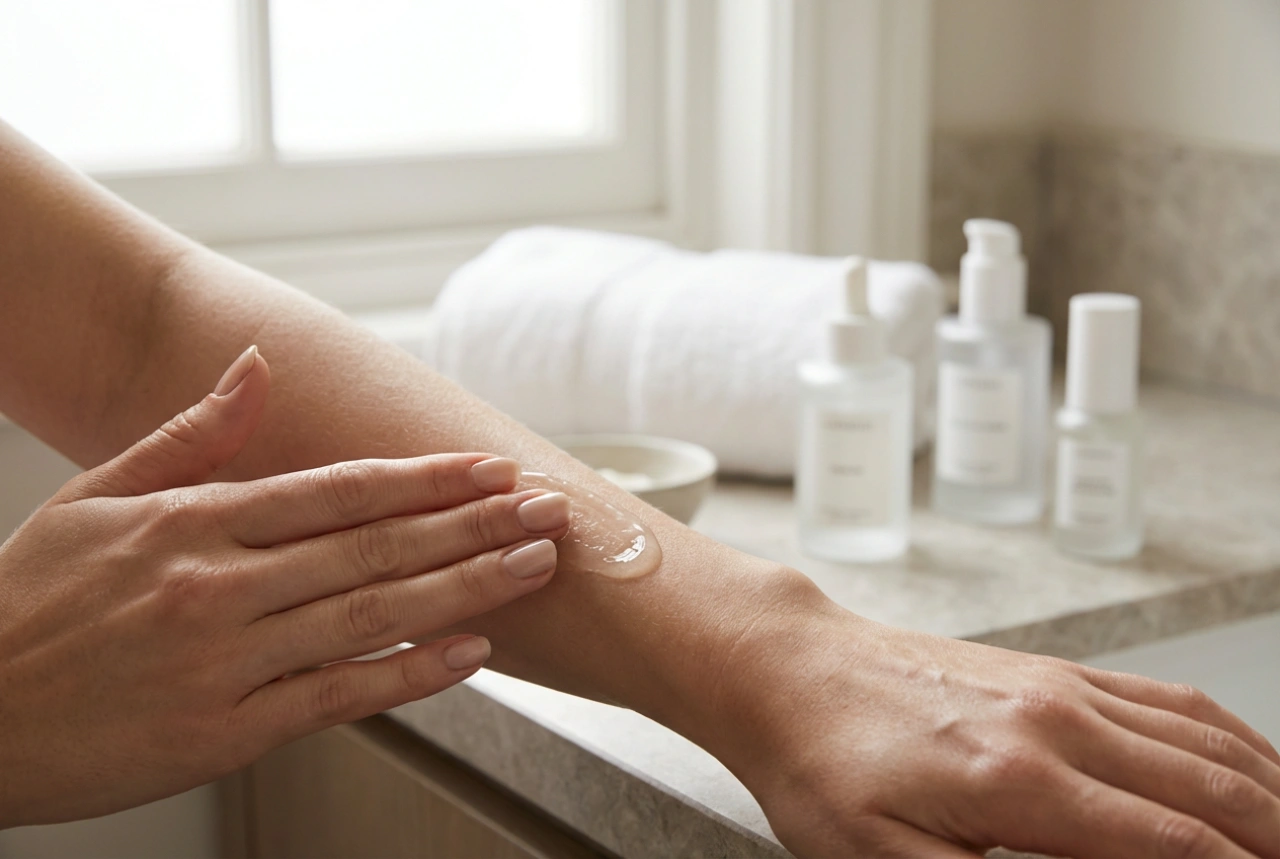
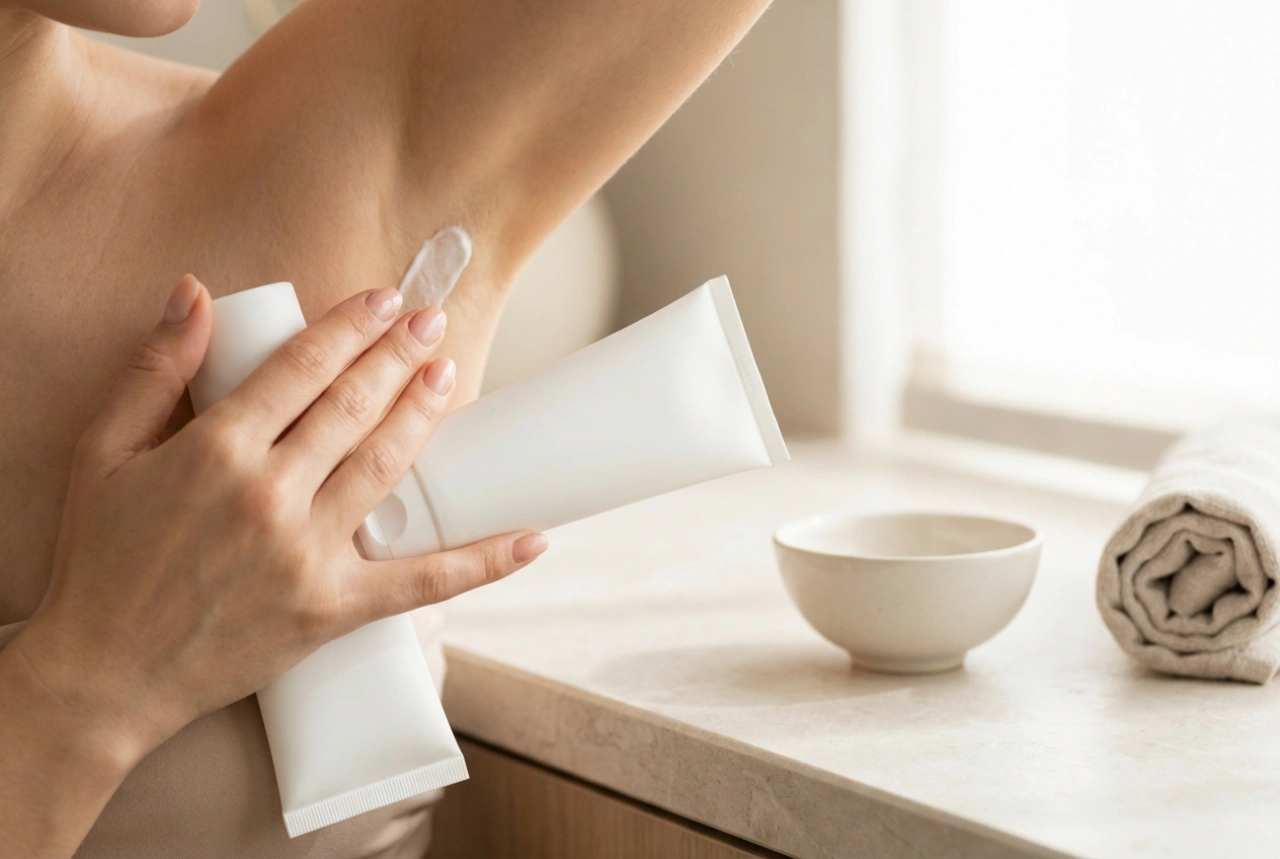
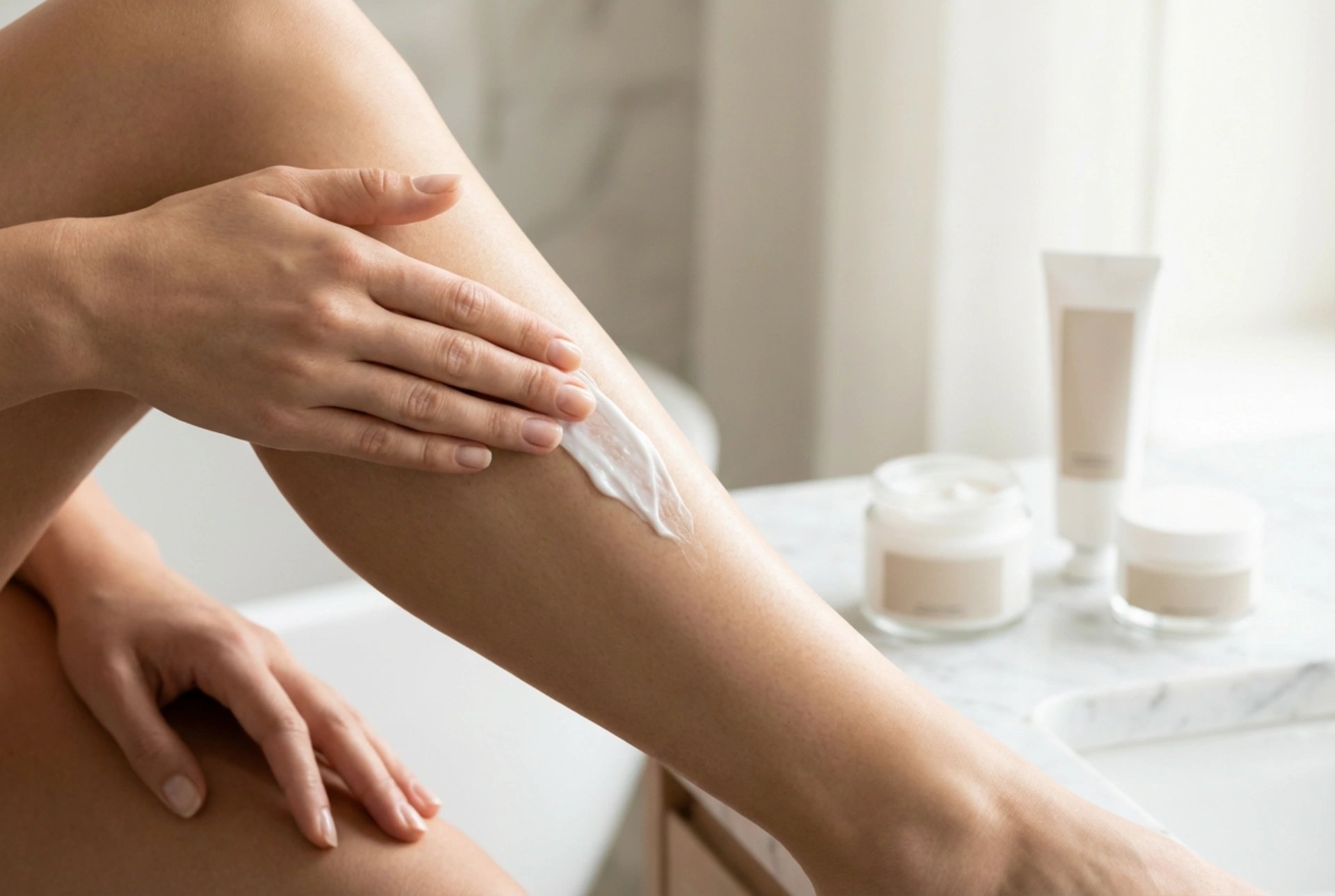
Incorporating aftercare into your routine is simple and takes only a few extra moments. For best results, follow these steps immediately after hair removal. First, rinse the area with cool water to help calm the skin. Next, gently pat the skin dry with a clean, soft towel, avoiding any harsh rubbing. Apply a small amount of your chosen after-shave balm or lotion, massaging it gently into the skin using upward strokes until it is fully absorbed. Allow the product a minute or two to sink in before getting dressed. By consistently following this simple practice, you can significantly reduce post-hair removal discomfort and maintain truly healthy and comfortable skin.