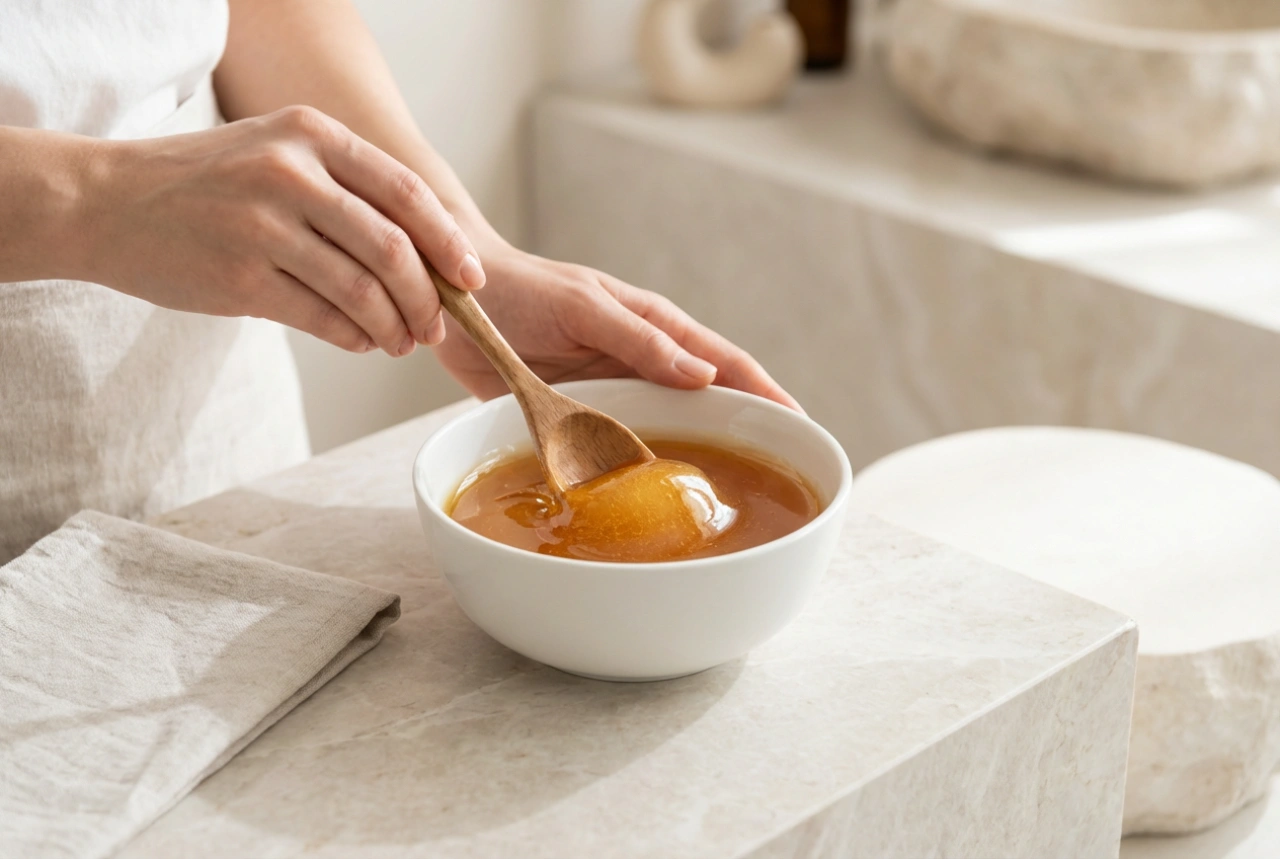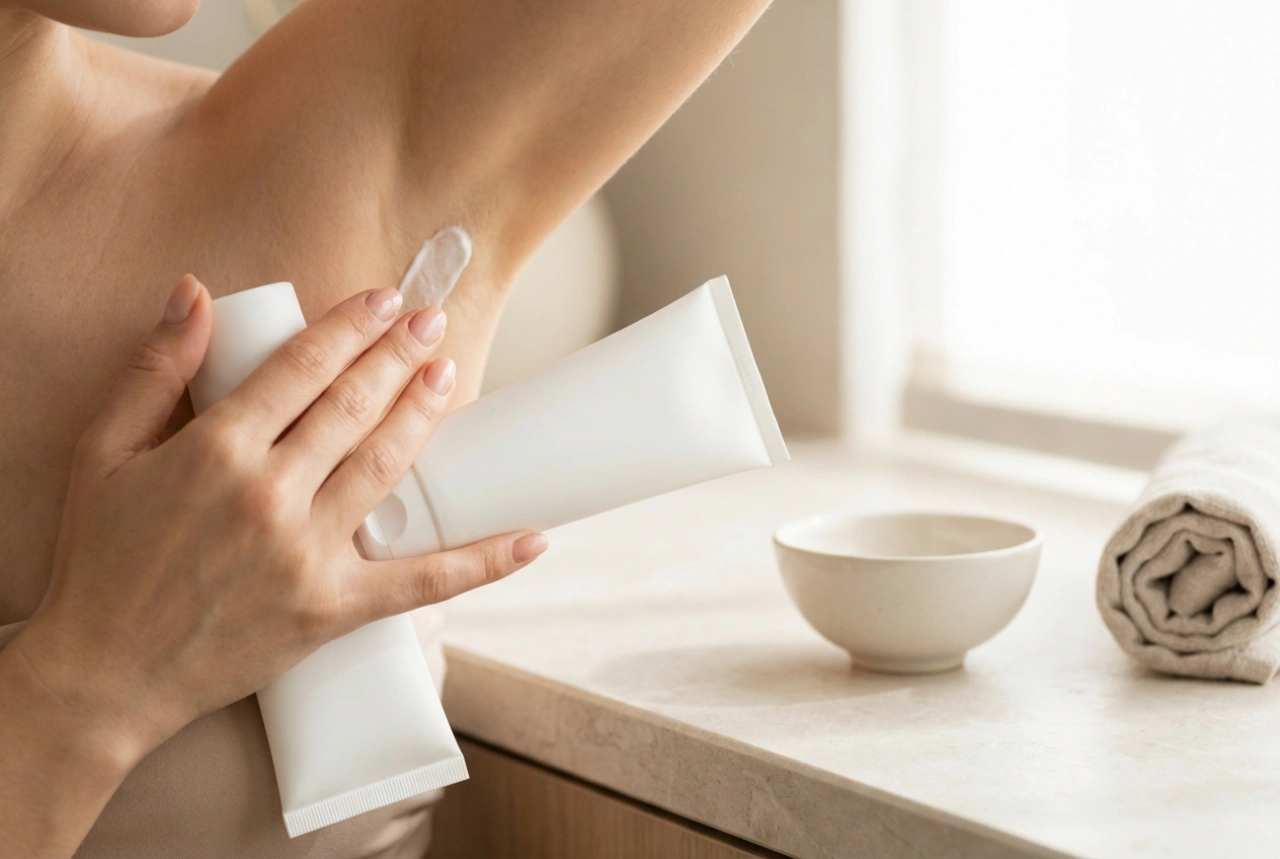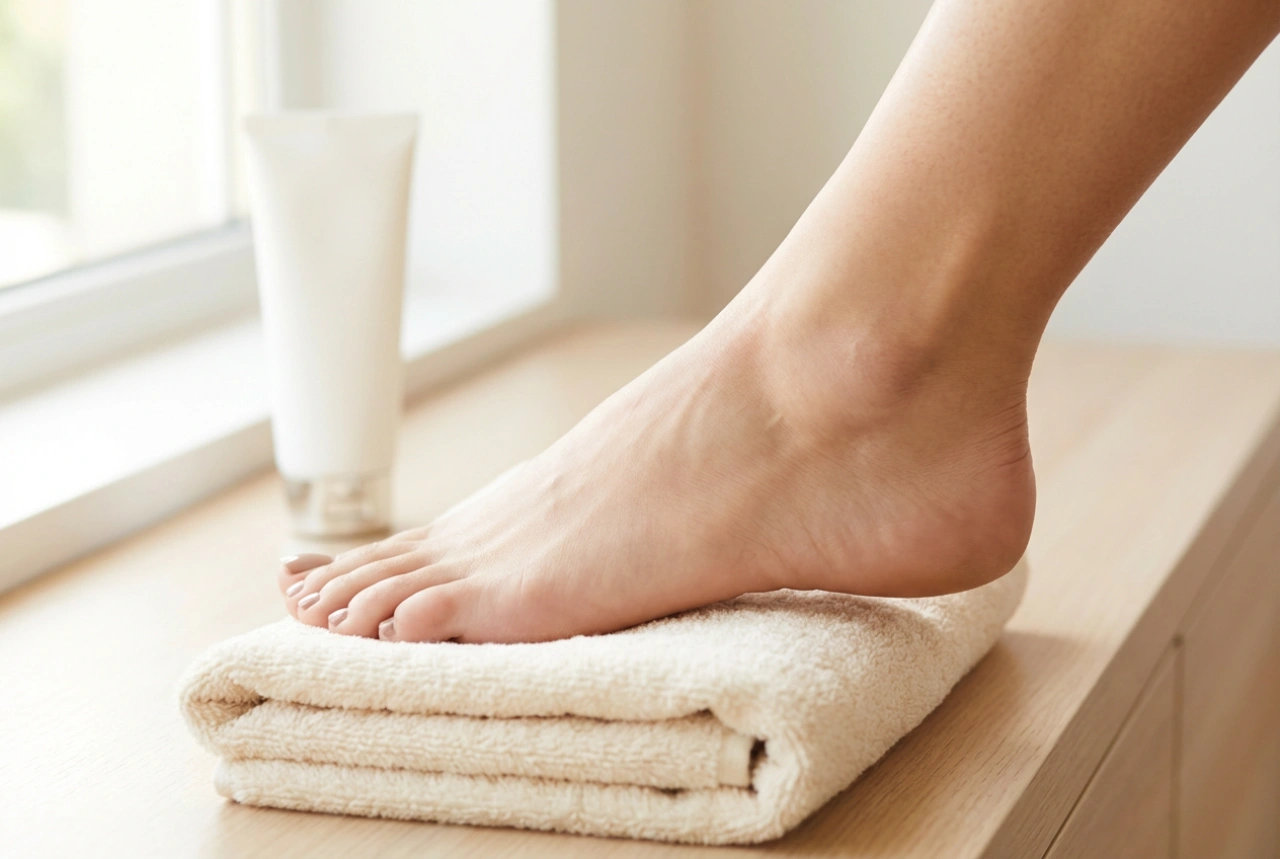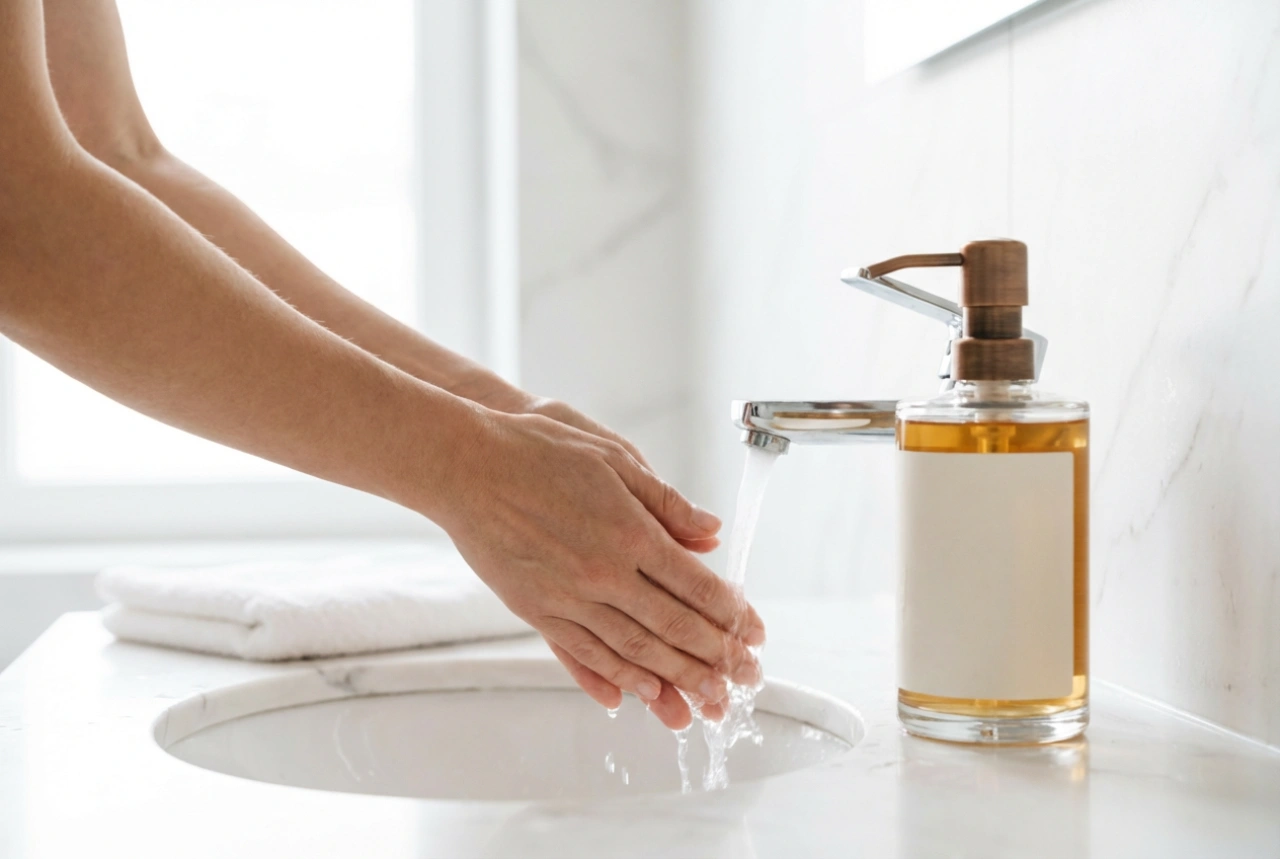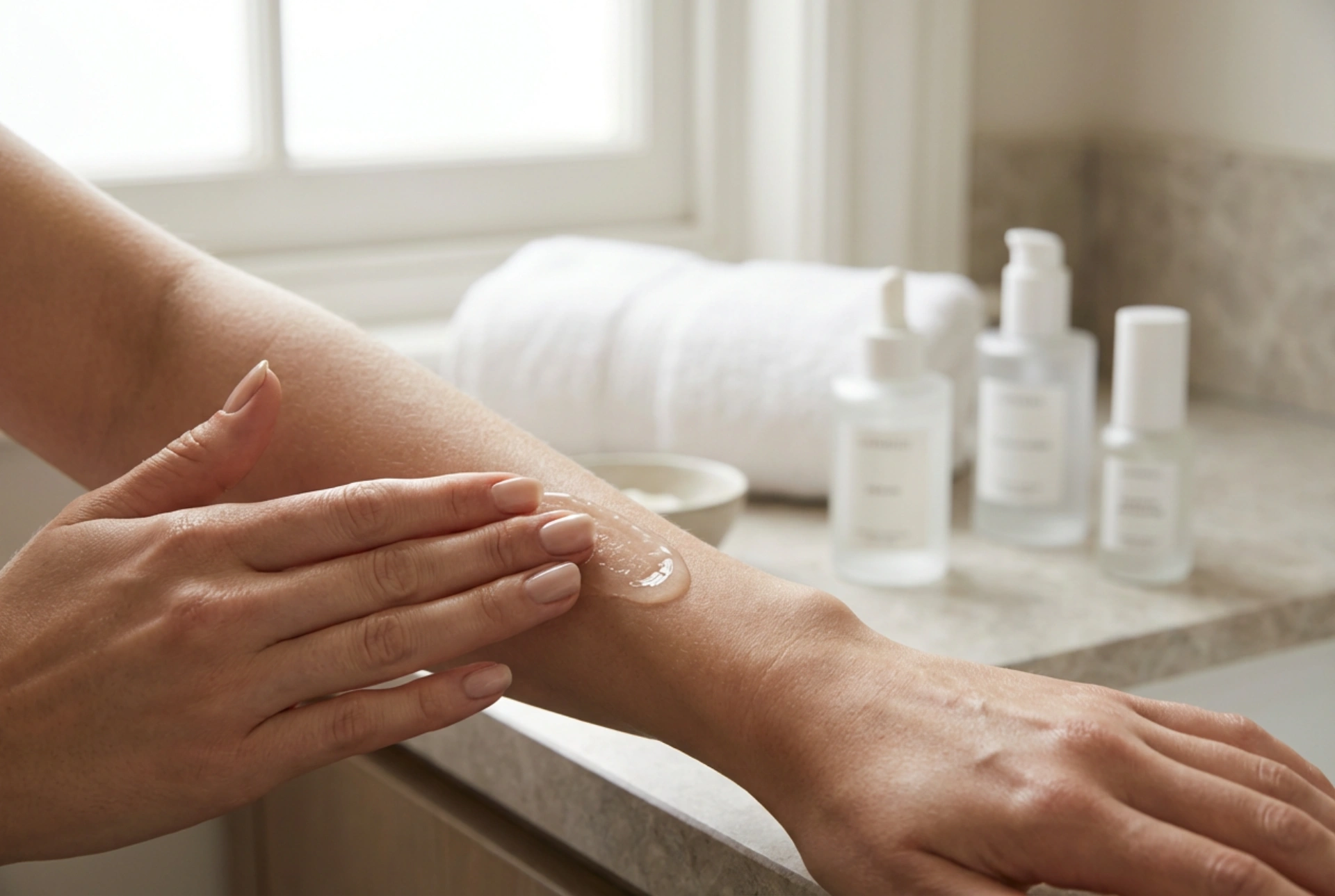


Achieving a smooth and comfortable result when performing bikini hair removal at home starts long before any hair is actually removed. Just like a serene skincare ritual where we gently apply a hydrating, transparent serum to the skin, preparing the delicate bikini area requires a thoughtful and caring touch. Taking the time to prepare your skin not only ensures a closer and more effective hair removal process but also significantly reduces the risk of irritation, redness, and ingrown hairs, leaving the skin feeling incredibly soft and calm.
The importance of skin preparation
Proper preparation is the foundation of any successful hair removal routine. The skin in the bikini area is exceptionally thin and sensitive, meaning it requires extra care compared to other parts of the body. Skipping the preparation stage can lead to friction, uneven results, and discomfort.
To begin, it is essential to cleanse the area thoroughly with lukewarm water and a mild, fragrance-free cleanser. This removes natural oils and surface impurities, creating a clean canvas. Additionally, gentle exfoliation is a crucial step that should be performed a day before hair removal. Using a soft washcloth or a very mild, non-abrasive scrub helps to lift dead skin cells and release trapped hairs, ensuring the hair removal tool can glide smoothly without pulling on the skin.
Choosing the right method for home hair removal
There are several ways to manage hair in the bikini area at home, and selecting the method that best suits your skin type and comfort level is key. Here are the most common gentle options:
- Shaving: The quickest and most common method. To keep it gentle, always use a clean, sharp blade and a rich, moisturizing shaving gel or cream to create a protective barrier.
- Trimming: An excellent, irritation-free alternative for those with highly sensitive skin. Using a dedicated trimmer with a guard allows you to maintain a neat appearance without touching the skin surface directly.
- Cold wax strips: Designed for home use, these strips are warmed between the hands and applied to the skin. They offer longer-lasting results but require a precise technique to avoid bruising or skin lifting.
Step-by-step technique for a smooth finish
Regardless of the method you choose, executing the technique with patience and precision is vital for minimizing skin stress. Here are the key rules to follow during the process:
Keep the skin taut
Using one hand to gently pull the skin taut while the other hand performs the hair removal is one of the most effective ways to prevent nicks, cuts, or uneven pulling. A firm surface allows blades or wax strips to work efficiently with minimal friction.
Work in the correct direction
When shaving, always glide the razor in the direction of hair growth first. This significantly reduces the risk of razor burn and ingrown hairs. If you desire a closer finish, you can carefully shave across the grain, but never force the blade against the growth on highly sensitive areas. For waxing, apply the strip in the direction of hair growth and pull it off rapidly in the opposite direction, keeping the strip close and parallel to the skin.
Work in small sections
Do not try to rush the process by covering large areas at once. Working in small, manageable sections allows you to maintain control and ensures that you do not apply unnecessary pressure to the skin.
Soothing and aftercare essentials
Once you have finished, the care does not stop there. Immediately rinse the area with cool water to soothe the skin and close the pores. Gently pat the skin dry with a clean, soft towel rather than rubbing it.
Next, apply a generous amount of a calming, alcohol-free moisturizer or a gentle serum. Look for formulations containing soothing ingredients like aloe vera, chamomile, or panthenol, which help to rebuild the skin's natural moisture barrier and instantly reduce redness. Avoid tight-fitting synthetic clothing immediately after hair removal; instead, opt for loose, breathable cotton garments to allow the skin to recover in a friction-free environment.