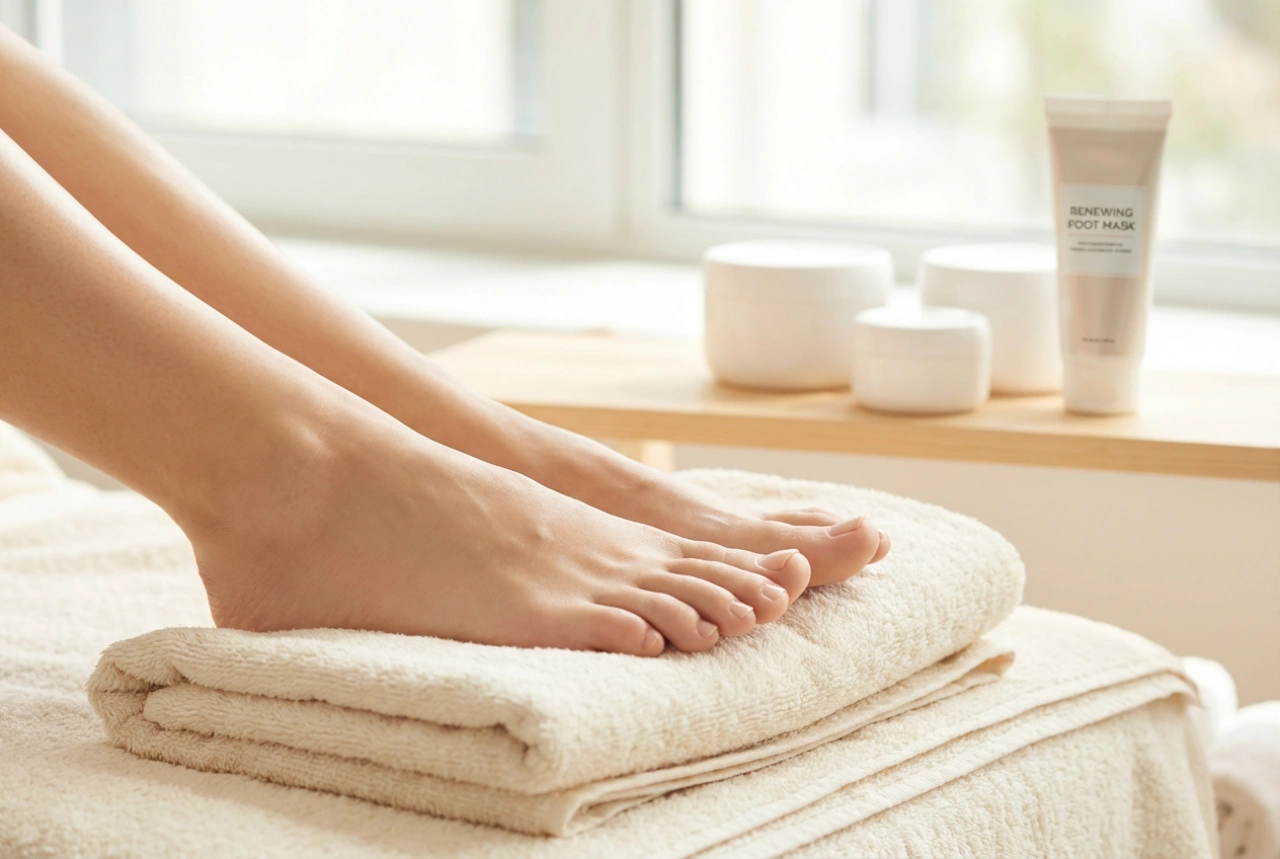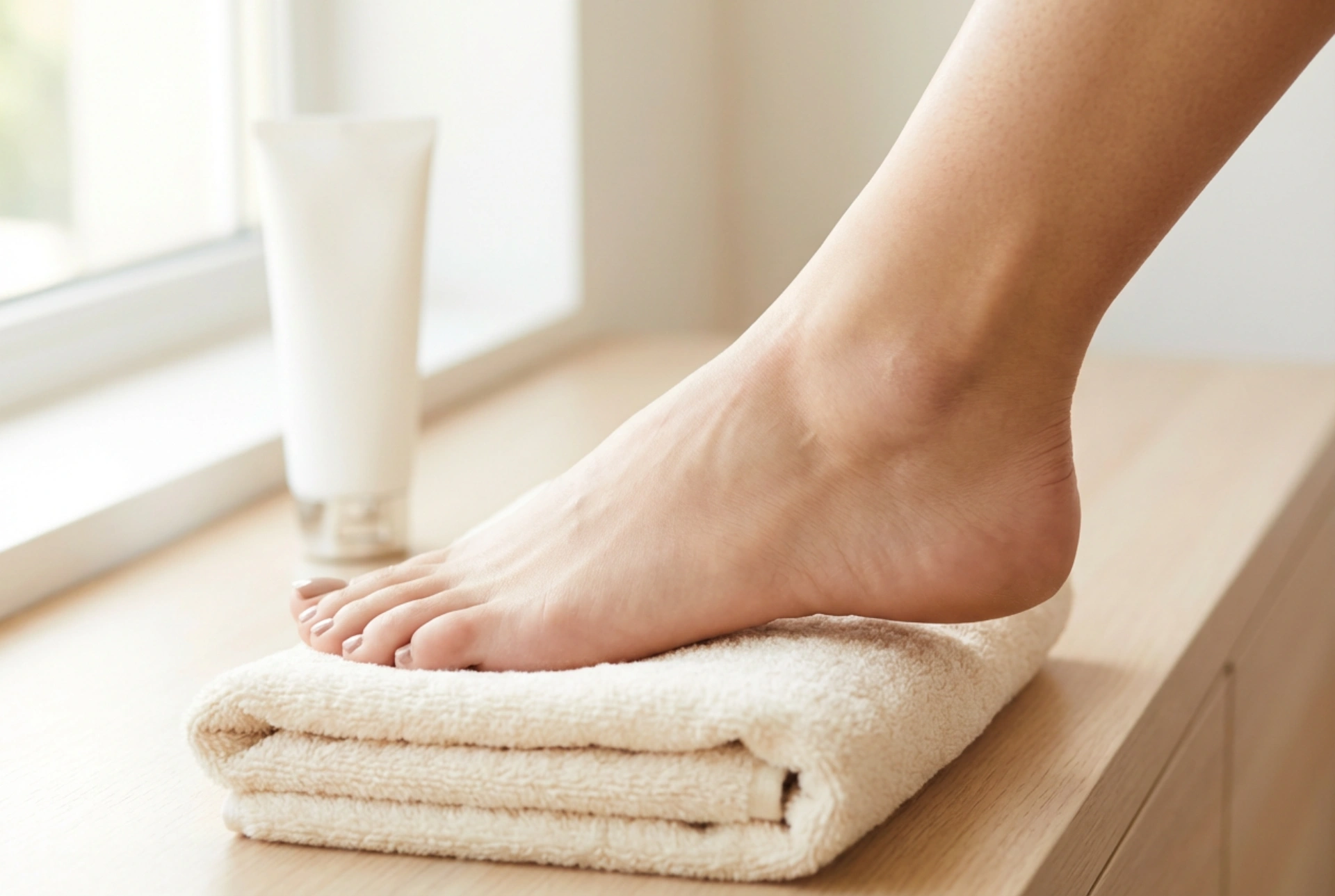


Having smooth, soft heels is not only a matter of aesthetics but also of daily comfort. When we look at images of perfectly manicured feet resting on soft, light-coloured towels, we often long for that level of nourishment and serenity in our own self-care rituals. Dry, rough, and cracked skin on the heels is a common concern that can be easily addressed at home with the right approach. Safely softening and smoothing your feet requires patience, consistency, and the use of gentle, nurturing methods that respect the skin's natural barrier.
Understanding the Causes of Dry Heels
The skin on our feet is significantly thicker than on other parts of the body, and it lacks oil glands. This makes the heels particularly prone to dryness, especially when subjected to constant pressure and friction from walking. Everyday factors such as walking barefoot, wearing open-backed shoes, or standing for long periods can cause the skin to expand and eventually crack. Recognising these factors is the first step towards establishing an effective, preventative foot care routine that keeps your feet looking and feeling their best.
Gentle Exfoliation: The Key to Removing Dead Skin
To restore smoothness to your heels, it is essential to remove the accumulated dead skin cells. However, aggression is the enemy of healthy skin. Avoid using sharp metal tools or cutting devices, as these can cause injury and actually stimulate the skin to grow back even thicker. Instead, opt for safe and gentle exfoliation methods:
- Warm Foot Baths: Start by soaking your feet in warm water for 10 to 15 minutes. You can add herbal infusions like chamomile or a sprinkle of cosmetic sea salt to soften the skin naturally.
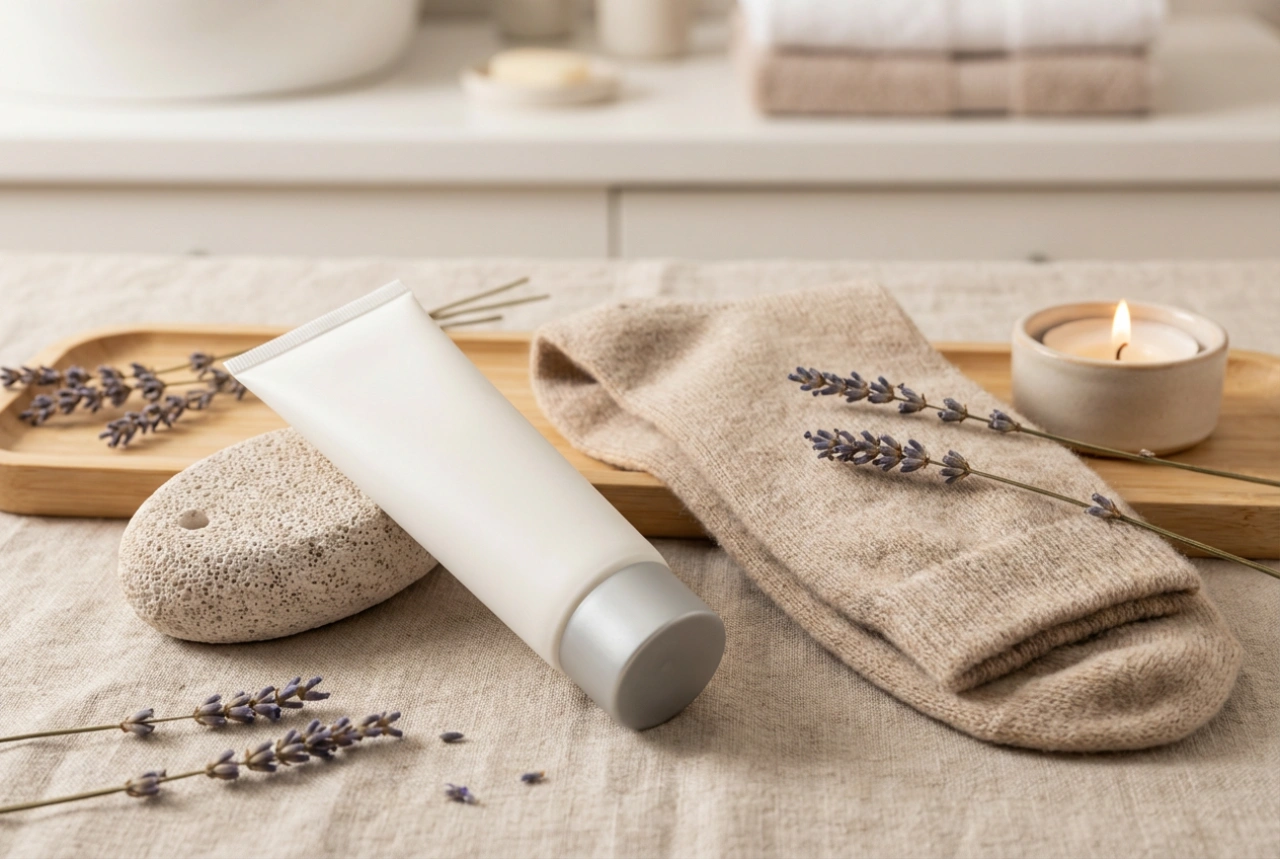
- Delicate Filing: After soaking, gently use a high-quality foot file or a natural pumice stone. Work in one direction rather than scrubbing back and forth to prevent tearing the skin.
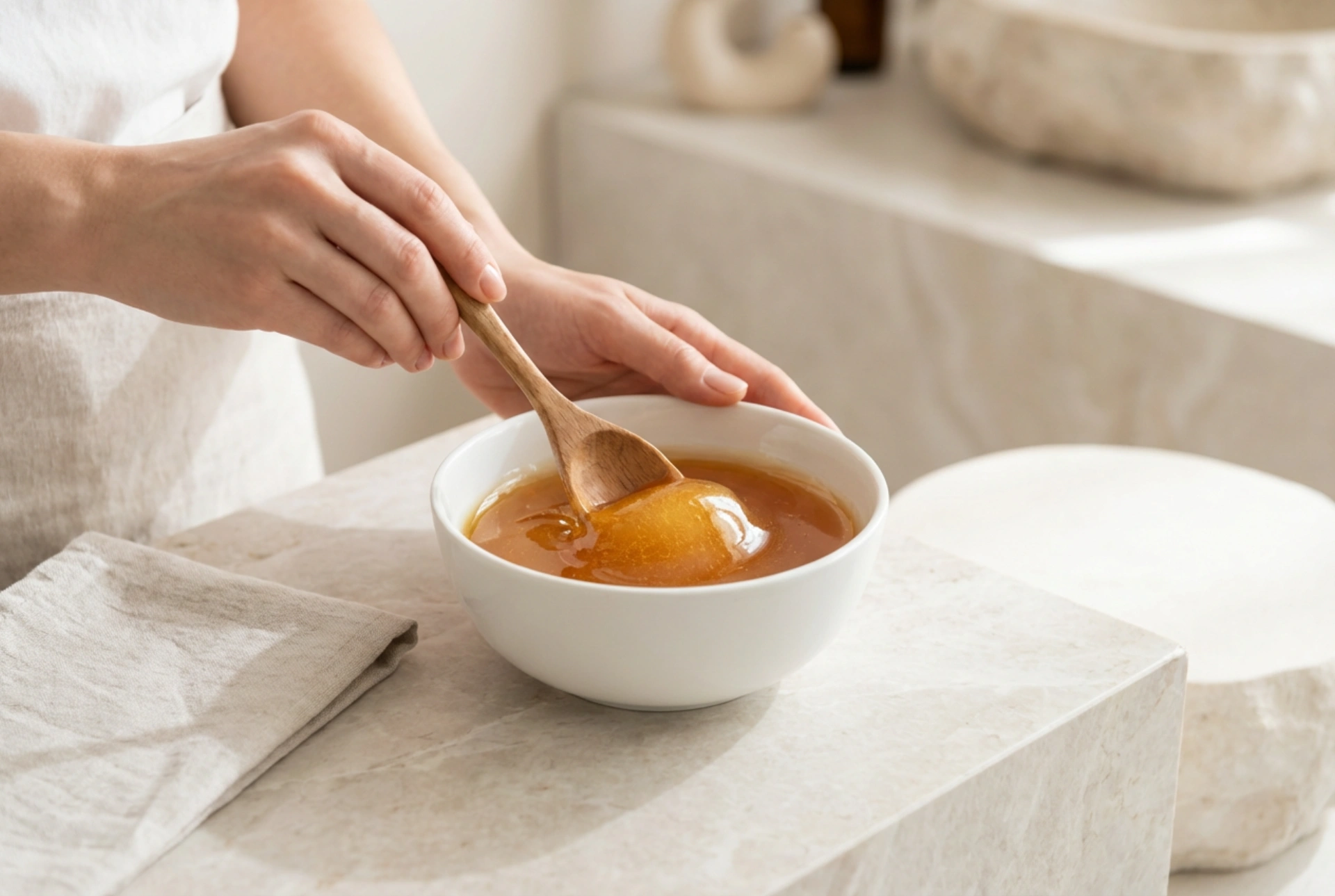
- Scrubbing: For a more delicate touch, use a sugar or salt-based exfoliating scrub once or twice a week to polish the surface of your feet.
Deep Moisturisation and Restorative Ingredients
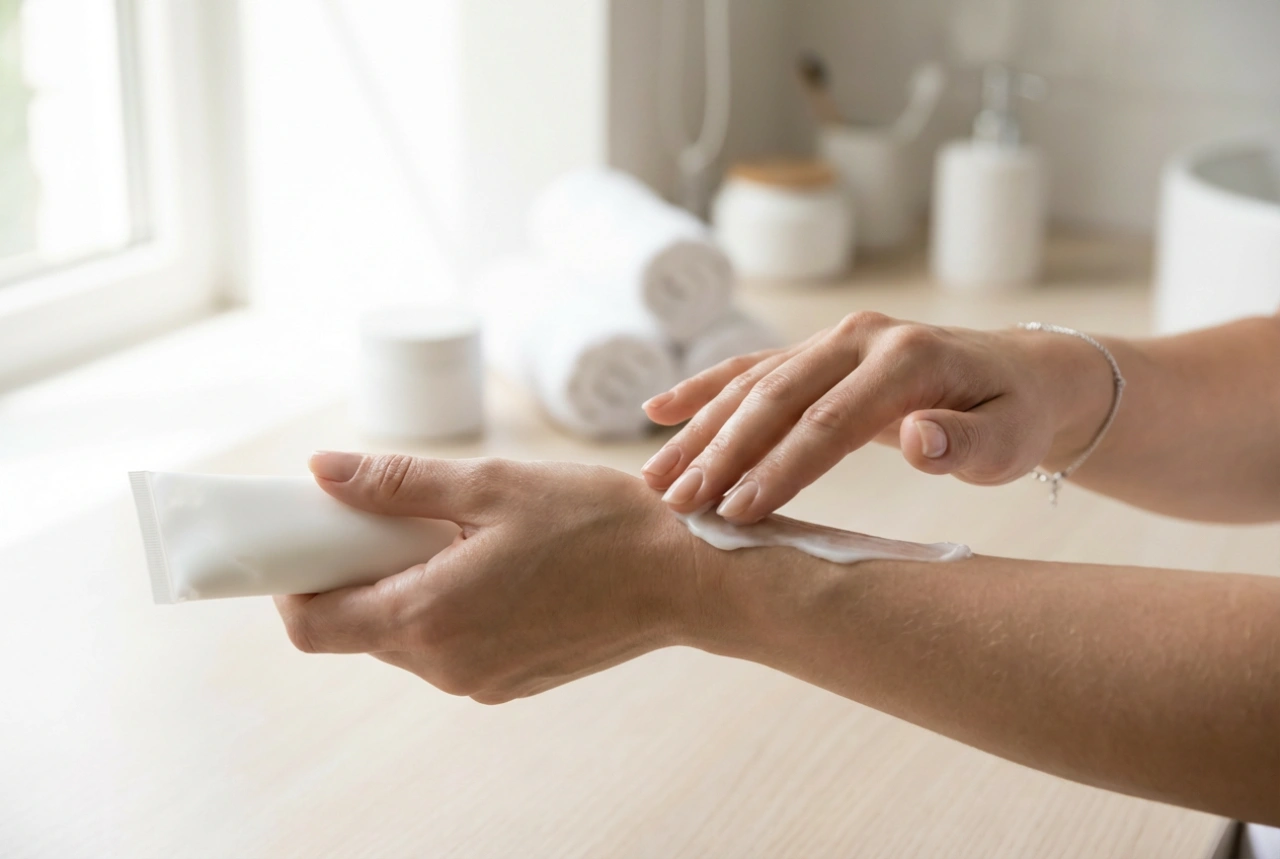
Once the dead skin is gently exfoliated, the next crucial step is intense hydration. Applying a rich, nourishing foot cream immediately after bathing helps lock in moisture. When choosing a product for dry heels, look for key cosmetic ingredients known for their hydrating and softening properties:
- Urea: At lower cosmetic concentrations (such as 10% to 15%), urea acts as an excellent humectant, drawing moisture deep into the skin layers and gently softening rough patches.
- Shea Butter and Cocoa Butter: These rich plant lipids create a protective barrier on the skin, preventing moisture loss and restoring elasticity to dry areas.
- Glycerin: A classic hydrating ingredient that binds water in the epidermis, ensuring long-lasting suppleness.
- Natural Oils: Ingredients like almond oil, olive oil, or avocado oil provide essential fatty acids that nourish and repair the skin's natural lipid barrier.
For an intensive overnight treatment, apply a generous layer of your favourite nourishing cream or natural oil to your feet, and then slip on a pair of clean, breathable cotton socks. This simple technique enhances the absorption of the active ingredients, leaving you with remarkably softer heels by morning.
Daily Habits for Long-Term Foot Health
Consistency is key to maintaining beautiful, smooth feet. Simple daily adjustments can make a significant difference in preventing dryness and cracks from returning:
Firstly, make moisturising a daily habit, just like brushing your teeth. Keep a tube of foot cream on your bedside table as a reminder to apply it before sleep. Secondly, choose supportive footwear that fits correctly and limits friction on the heels. Lastly, stay well-hydrated throughout the day, as overall body hydration directly reflects on the condition of your skin, including your feet.