

Achieving a smooth, irritation-free bikini line at home is entirely possible with the right preparation and care. Treating hair removal as a mindful self-care ritual, rather than a chore, can transform the experience and lead to better results. Proper technique, from preparing the skin beforehand to soothing it afterwards, is the key to avoiding common issues like redness and ingrown hairs. This guide will walk you through the essential steps for a successful at-home bikini hair removal session.
Preparing Your Skin for Hair Removal
Proper preparation is a non-negotiable step for effective and gentle hair removal. Skipping this can lead to discomfort and less-than-perfect results. Before you begin, ensure your skin is clean and ready.
- Cleanse the Area: Start by washing the bikini area with a mild, fragrance-free soap and warm water. This removes any sweat, oil, or bacteria that could potentially cause irritation or post-removal blemishes. Pat the skin completely dry with a clean, soft towel.
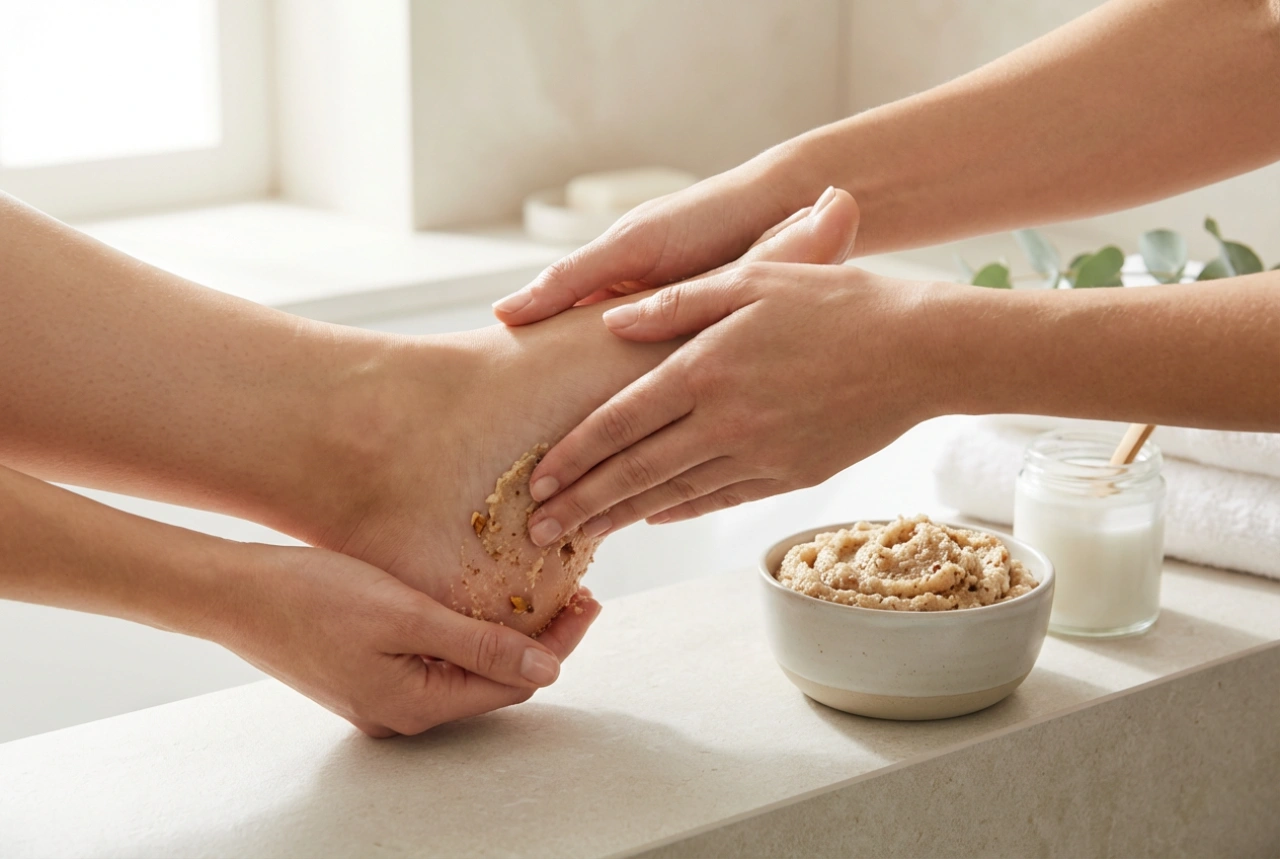
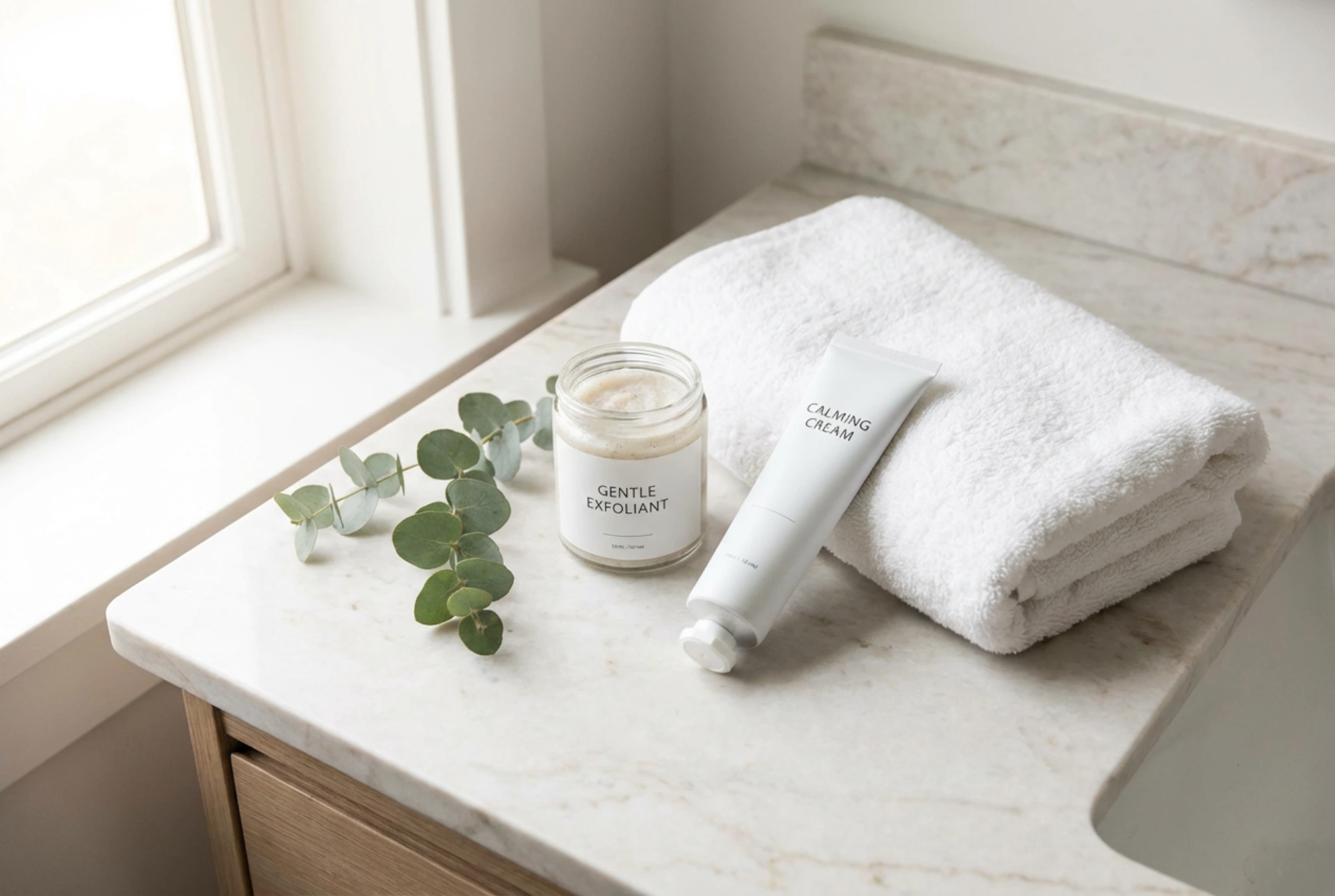
- Gently Exfoliate: A day or two before you plan to remove hair, use a gentle exfoliant to slough away dead skin cells. This helps to free any trapped hairs and allows for a closer, smoother result. You can use a soft scrub, a brush, or an exfoliating mitt. Avoid harsh scrubbing, as this can sensitise the skin.
- Trim if Necessary: If the hair is long (more than about a quarter of an inch), trimming it with scissors or an electric trimmer will make the process much more manageable and less painful, particularly if you are waxing.
Choosing Your At-Home Hair Removal Method
There are several effective methods for removing bikini hair at home. The best one for you depends on your pain tolerance, skin sensitivity, and desired longevity of the results. It is always wise to perform a patch test 24-48 hours before trying a new method or product on the entire area.
Shaving
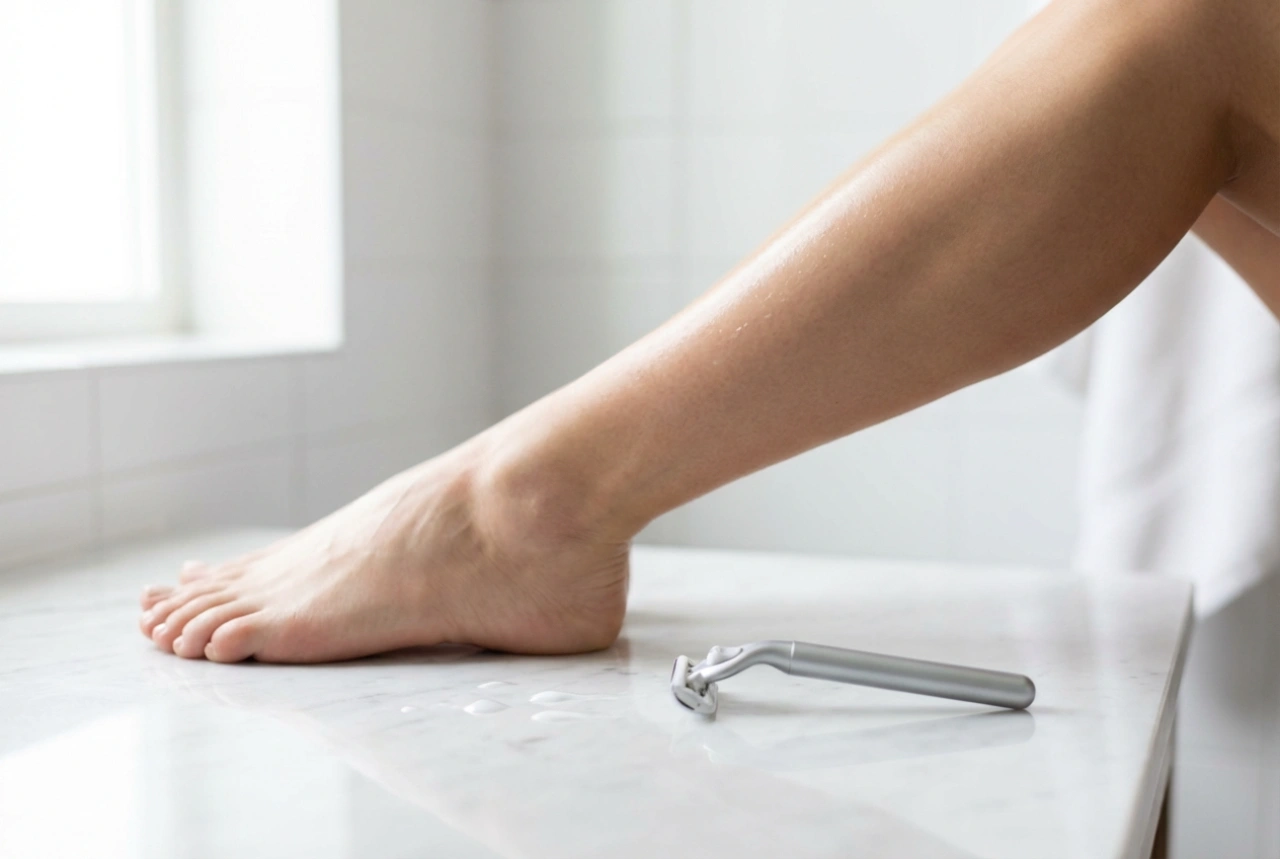
Shaving is a quick, painless, and accessible option. For best results, always use a sharp, clean razor. Apply a moisturising shaving cream or gel to help the razor glide smoothly and protect the skin. Shave in the direction of hair growth to minimise irritation and the risk of ingrown hairs. For a closer shave, you can carefully go against the grain on a second pass, but be mindful if you have sensitive skin.
Waxing
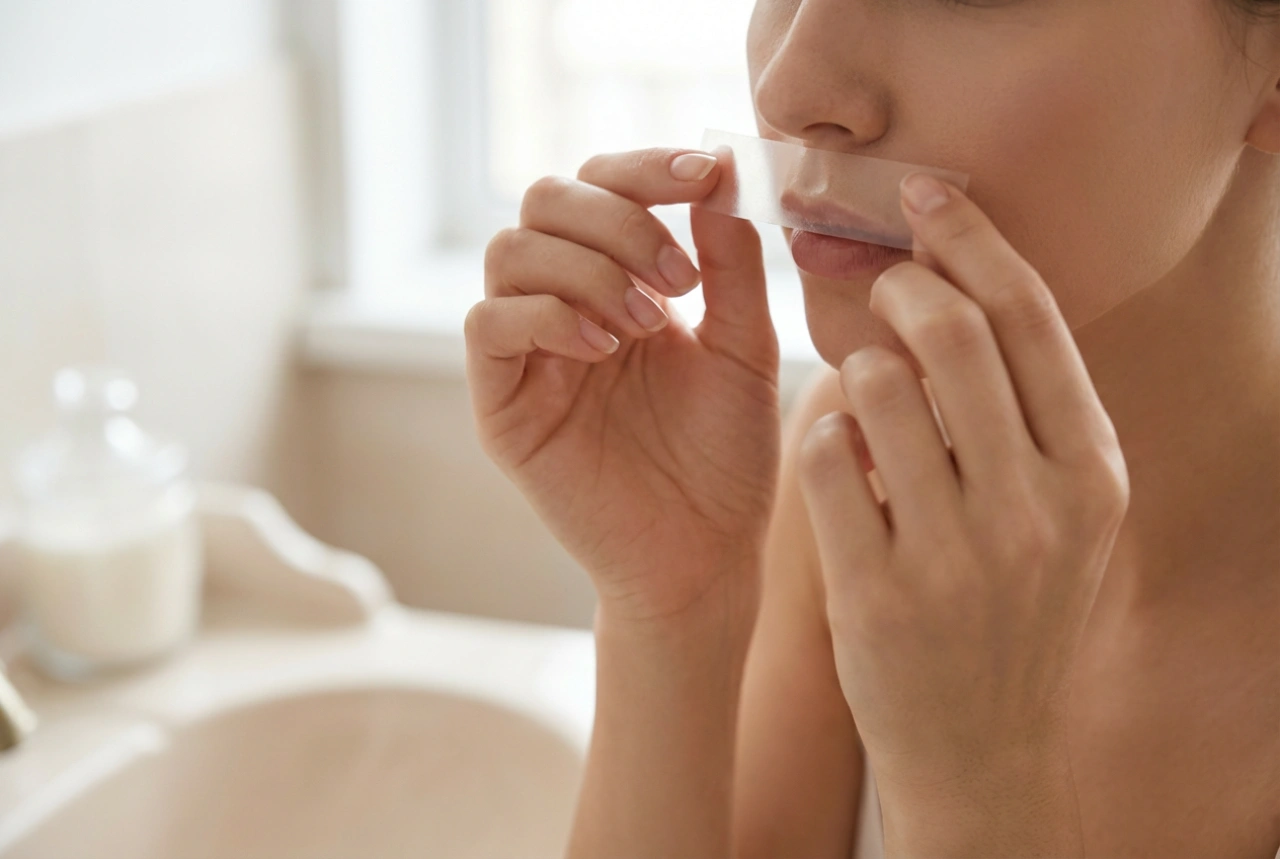
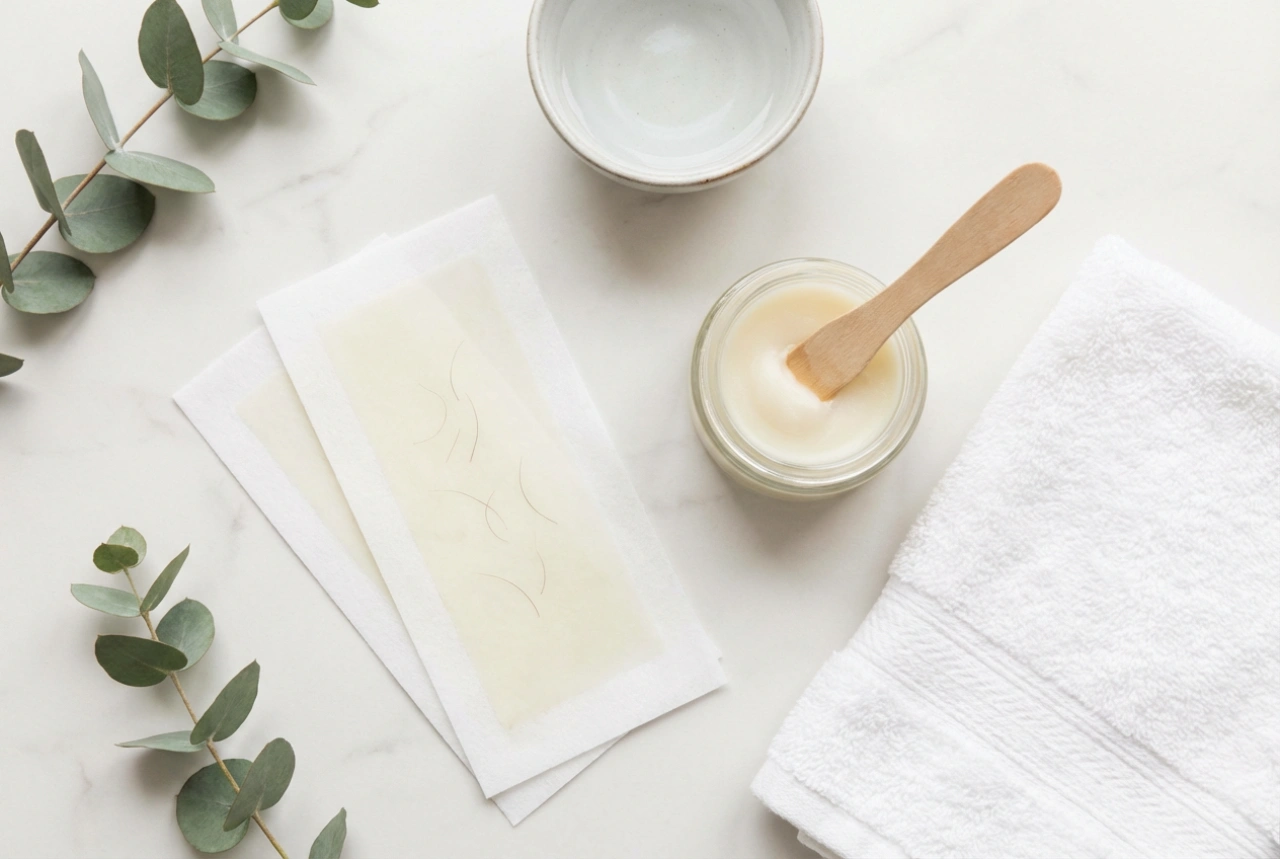
Waxing pulls the hair out from the root, providing longer-lasting results than shaving. You can use pre-made wax strips or a hard wax kit. Hard wax is often preferred for the bikini area as it adheres to the hair rather than the skin, which can be less irritating. Always work in small sections. Apply the wax in the direction of hair growth and pull it off quickly in the opposite direction, keeping the skin taut with your other hand.
Hair Removal Creams (Depilatories)
These creams use chemicals to dissolve hair at the skin's surface. They are a painless alternative to waxing and shaving. However, the chemicals can be harsh, so it is crucial to choose a formula designed for sensitive areas and to perform a patch test. Apply the cream evenly, leave it on for the time specified in the instructions (never longer), and then gently wipe or rinse it off.
Essential Aftercare for Smooth Skin
What you do after hair removal is just as important as what you do before. Proper aftercare helps to soothe the skin, prevent irritation, and maintain smoothness.
- Rinse and Soothe: Immediately after hair removal, rinse the area with cool water to help close the pores and calm the skin. Gently pat it dry.
- Apply a Calming Moisturiser: Apply a gentle, fragrance-free, and alcohol-free lotion or oil. Look for products with soothing ingredients like aloe vera or chamomile to help reduce redness and moisturise the skin.
- Wear Loose Clothing: For the first 24 hours, opt for loose-fitting cotton underwear and clothing to avoid friction and allow your skin to breathe.
- Avoid Irritants: Steer clear of hot baths, saunas, swimming pools, and intense exercise for at least 24-48 hours. Sweat and chlorine can irritate freshly treated skin. Also, avoid using any products with fragrances or alcohol on the area.
- Prevent Ingrown Hairs: A few days after hair removal, resume gentle exfoliation two to three times a week. This will help prevent dead skin cells from clogging hair follicles, which is a common cause of ingrown hairs.