

Caring for curly hair is a journey of understanding its unique needs, particularly its thirst for moisture. Simply applying one product is often not enough to keep curls hydrated, defined, and free from frizz. This is where strategic product layering comes into play. The LOC and LOG methods are popular, structured approaches that utilise a leave-in conditioner as a foundation to build long-lasting moisture and shape. Understanding how to layer products correctly can transform your hair care routine, leading to healthier, more vibrant curls.
What are the LOC and LOG Methods?
LOC and LOG are acronyms that describe the order in which products are applied to the hair. Both methods are designed to maximise moisture retention and enhance the natural curl pattern. The core idea is to hydrate the hair first, then seal that hydration in. The primary difference lies in the final styling and sealing steps, catering to different hair needs and desired outcomes.
The Components Explained:
- L - Liquid or Leave-in: This is the hydration step. It always comes first. The liquid is typically water (applied to freshly washed, damp hair) or a water-based leave-in conditioner. This product's primary job is to impart moisture directly into the hair shaft.
- O - Oil: This is a sealing step. Hair oils are hydrophobic, meaning they repel water. When applied over the liquid layer, they create a barrier that locks the moisture inside the hair strand, preventing it from evaporating quickly.
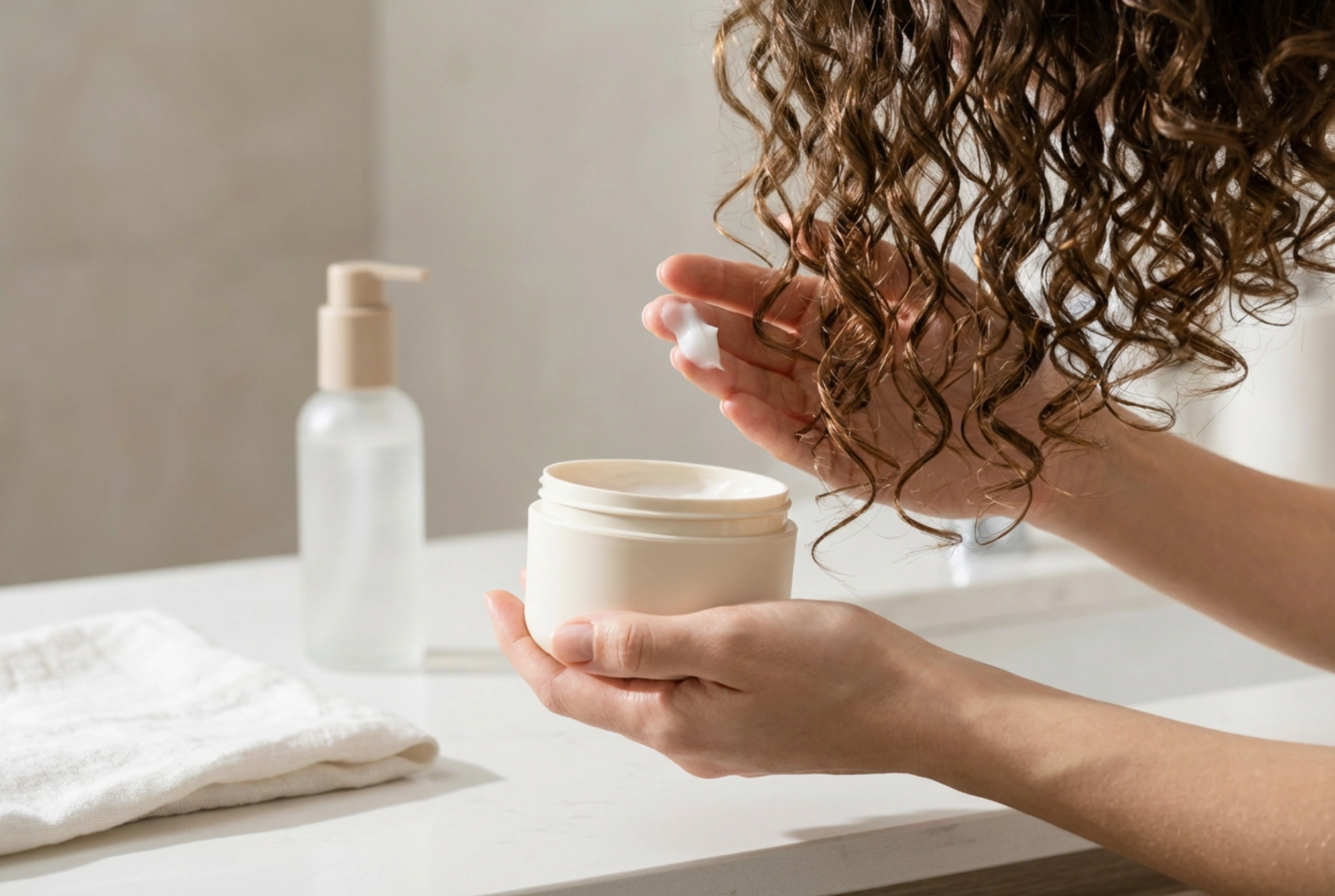
- C - Cream: A styling cream is often thicker than a leave-in conditioner. It helps to further moisturise, clump curls together for better definition, and reduce frizz. It provides a soft, flexible hold.
- G - Gel: A styling gel provides a stronger hold than a cream. It forms a 'cast' around the curls as they dry, which locks in the curl pattern and provides significant frizz control and longevity. This cast can later be gently scrunched out to reveal soft, defined curls.
A Guide to the LOC Method (Liquid - Oil - Cream)
The LOC method is particularly beneficial for individuals with high-porosity hair or very dry hair that loses moisture rapidly. The cream applied as the final step provides an extra layer of conditioning and helps to keep the sealing oil in place, ensuring maximum moisture retention.
Step 1: Apply the Liquid (L)
Start with clean, damp hair. Your hair should be wet but not dripping. You can either use a spray bottle with water to re-dampen your hair or work on it directly after washing and gently towel-drying. Apply a generous amount of a water-based leave-in conditioner throughout your hair, raking it through with your fingers from root to tip to ensure even distribution. Focus on getting the product to coat every strand.
Step 2: Apply the Oil (O)
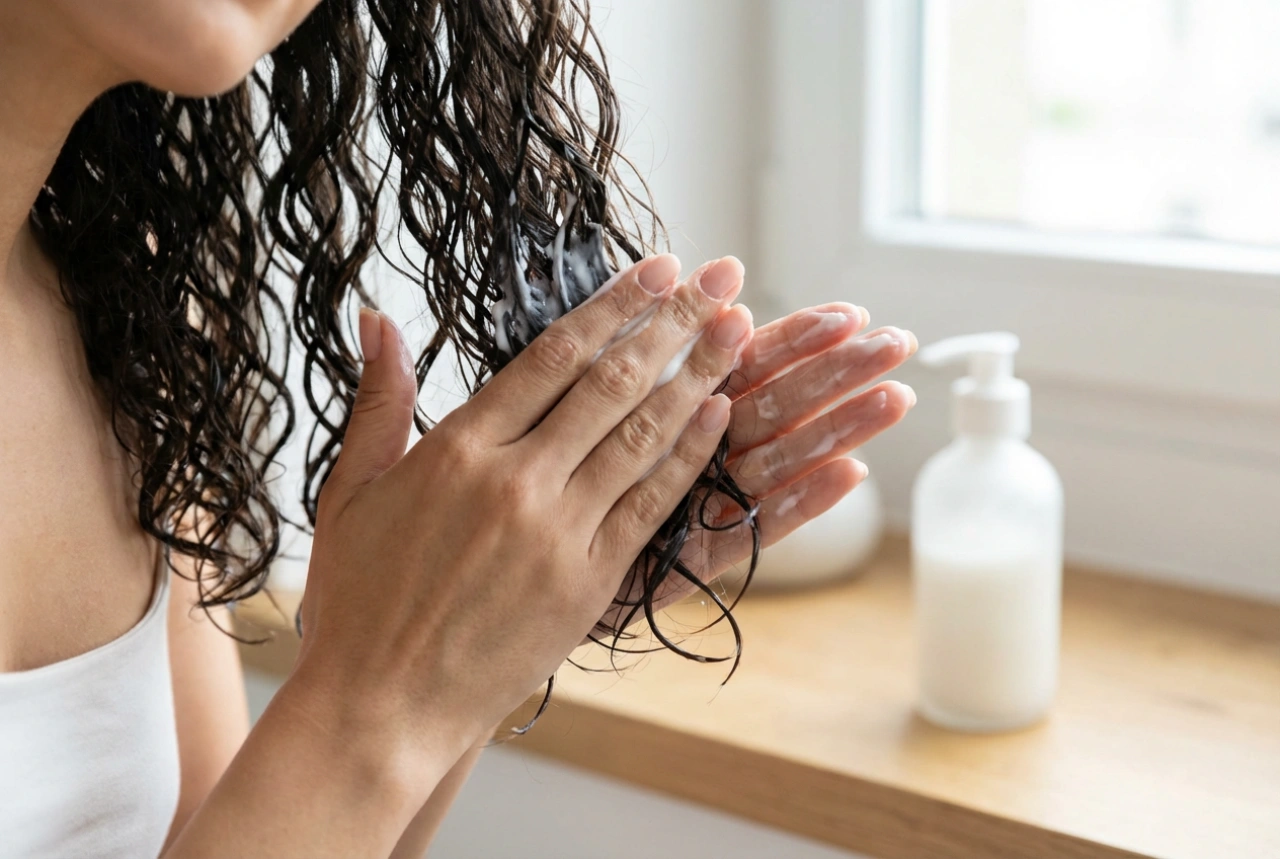
Next, it's time to seal in that moisture. Choose a lightweight or heavyweight oil depending on your hair's texture and porosity. Take a small amount of oil, rub it between your palms, and then gently glaze it over your hair. You can also use the 'praying hands' method—pressing sections of hair between your palms—to apply the oil without disturbing your curl clumps. This step is crucial for preventing moisture from escaping.
Step 3: Apply the Cream (C)
The final step is to apply a curl cream. This will help define your curls, reduce frizz, and provide a soft hold. Rake the cream through your hair in sections, encouraging your curls to clump together. You can then scrunch your hair upwards towards the scalp to further enhance your curl pattern. After this, you can air-dry or use a diffuser on a low-heat, low-speed setting.
A Guide to the LOG Method (Liquid - Gel - Oil)
The LOG method is often preferred by those with low-porosity hair or finer curls that can be easily weighed down. It is also excellent for anyone seeking stronger definition and hold. Applying the gel before the oil allows the gel to penetrate the hair shaft for maximum hold, while the oil is used at the end to seal everything and soften any crunch from the gel.
Step 1: Apply the Liquid (L)
This step is identical to the LOC method. Begin with damp, conditioned hair and apply your leave-in conditioner evenly from roots to ends.
Step 2: Apply the Gel (G)
With your hair still wet from the leave-in, apply your styling gel. The amount will depend on your hair's density and length. Rake the gel through your hair to ensure it's evenly distributed, and then scrunch to encourage curl formation. The gel will create a cast as it dries, which is what sets the style and protects against frizz.
Step 3: Apply the Oil (O)
Once your hair is completely dry, you may notice a crunchy feeling from the gel cast. This is normal and desirable, as it means your curls are well-defined and protected. To release the cast, take a few drops of a lightweight oil, rub it between your palms, and gently scrunch your hair upwards. This action, known as 'scrunching out the crunch' (SOTC), breaks the gel cast to reveal soft, bouncy, and defined curls. The oil also adds a final layer of sealing and shine.
Which Method Should You Choose?
Choosing between LOC and LOG depends on your hair type and goals. There are no strict rules, and experimentation is key.
- Choose LOC if: You have high-porosity, thick, or very dry hair. You need intense moisture and prefer a softer, more pliable hold. Your hair can handle heavier products without being weighed down.
- Choose LOG if: You have low-porosity or fine hair that gets weighed down easily. You prioritise strong hold, definition, and frizz control. You want your style to last for several days.
Ultimately, listening to your hair is the best approach. You might even find that a hybrid method works for you, or that you prefer one method in the winter and another in the summer. The goal is to create a routine that leaves your curls feeling moisturised and looking their best.