

Achieving beautifully smooth skin at home is a popular goal, and using depilatory wax strips is one of the most accessible methods. This technique, when performed correctly, can provide long-lasting results, leaving the skin feeling soft and hair-free for weeks. To ensure the process is as effective and comfortable as possible, it's essential to follow a few key steps, from preparing the skin beforehand to providing gentle care afterwards. A calm approach and the right technique are the secrets to a successful home waxing session.
Preparing Your Skin for Waxing
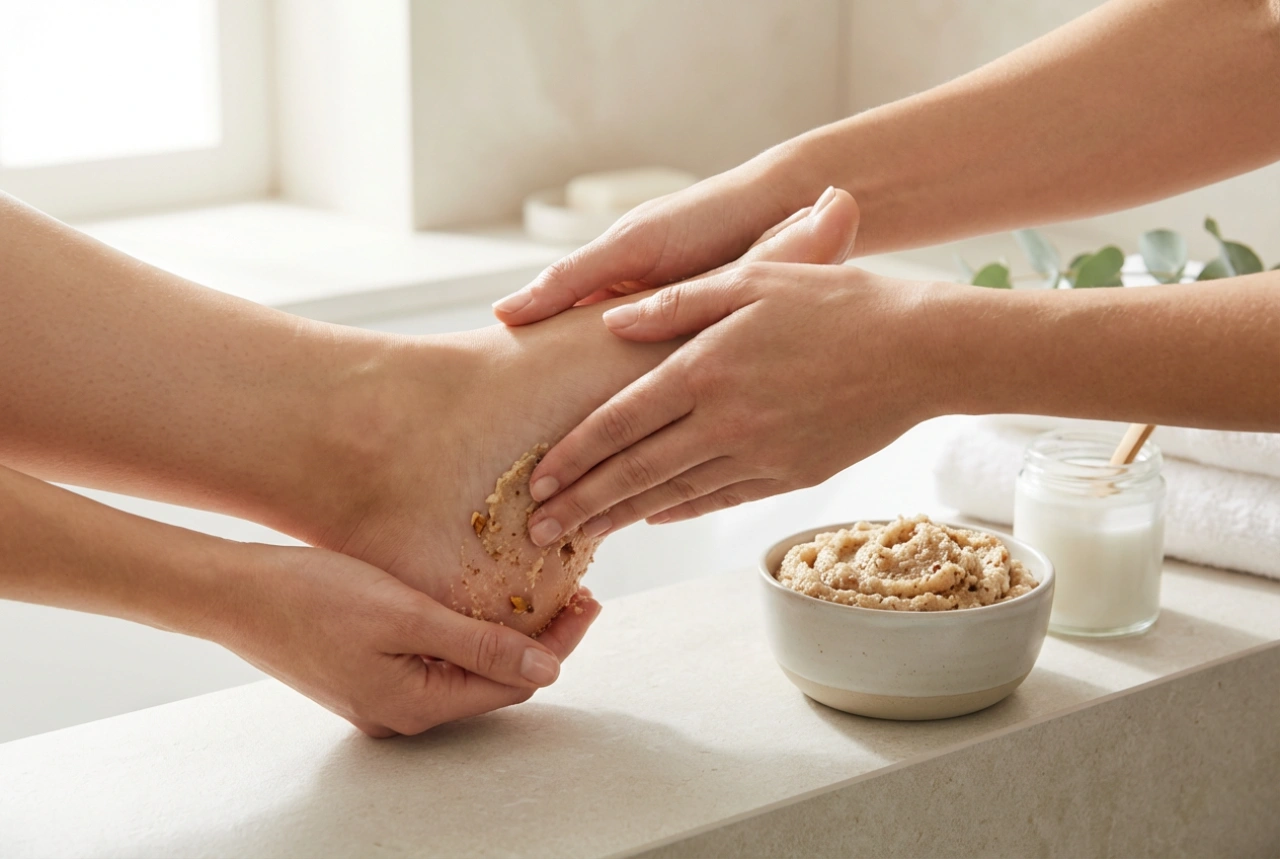
Proper preparation is the foundation of effective hair removal. Before you even think about opening the wax strips, you need to make sure your skin is ready. The goal is to create an ideal surface for the wax to adhere to the hair, not the skin, which minimises discomfort and improves results. Start by ensuring the area you plan to wax is clean, dry, and free from any oils, lotions, or creams. Taking a warm shower beforehand can help to open up the pores, but make sure your skin is completely dry afterwards. Any moisture can prevent the wax from gripping the hairs properly. It's also a good idea to gently exfoliate the skin a day or two before waxing. This helps to remove dead skin cells and can help prevent ingrown hairs later on. However, avoid exfoliating on the day of waxing, as this can make the skin more sensitive.
Key Preparation Steps:
- Ensure the skin is clean and completely dry.
- Avoid applying any moisturisers, oils, or deodorants to the area.
- Gently exfoliate one to two days prior to waxing, not on the same day.
- Check that the hair is the appropriate length. Most wax strips work best on hair that is between 2 and 5 millimetres long. If it's too short, the wax won't be able to grip it. If it's too long, the process can be more uncomfortable; you can trim it slightly if necessary.
The Correct Technique for Using Wax Strips
The success of your home waxing session largely depends on your technique. Following the instructions carefully will help you achieve clean hair removal with minimal irritation. The process can be broken down into three main stages: warming the strip, applying it correctly, and removing it with a swift, decisive motion.
Warming the Strips
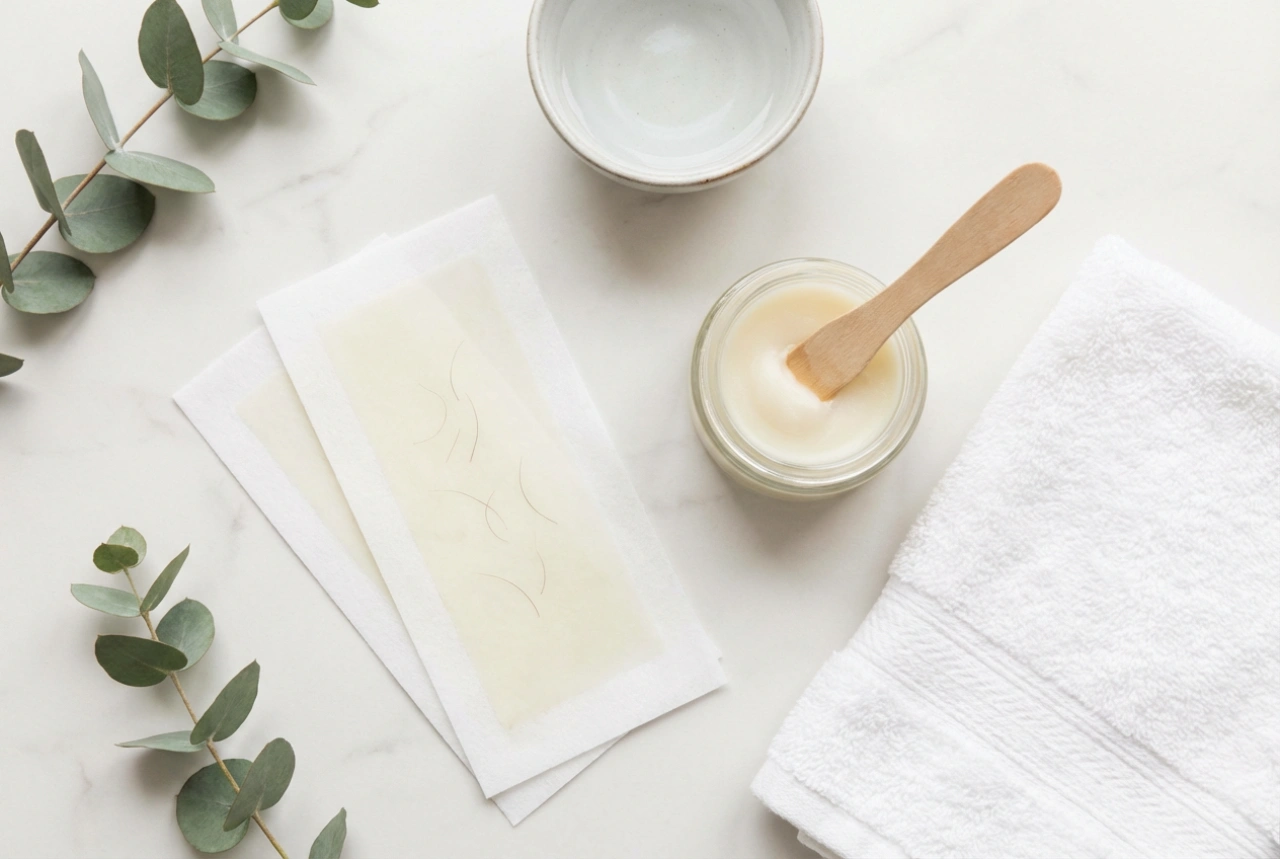
Most ready-to-use wax strips are double-sided and need to be warmed up to make the wax pliable. The most common method is to simply rub the strip between the palms of your hands for about 30 seconds. The friction generates enough heat to soften the wax, allowing you to peel the two sides apart easily. Do not overheat the strips, for instance with a hairdryer or in a microwave, as this is not what they are designed for and can make the wax too hot or ineffective.
Application
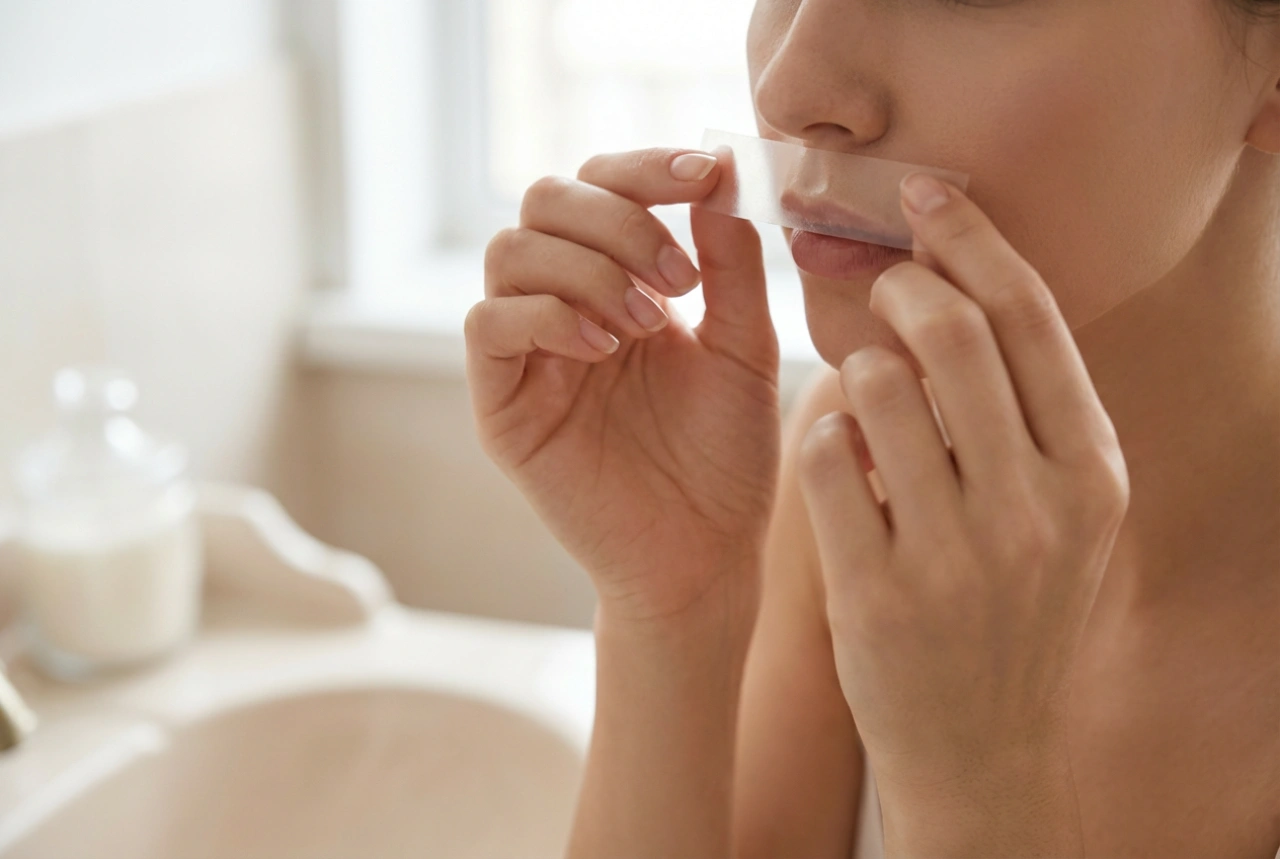
Once you've peeled the two strips apart, take one and carefully apply it to the area you wish to depilate. It is crucial to apply the strip in the direction of hair growth. For example, on the lower leg, hair typically grows downwards, so you would apply the strip from the knee towards the ankle. Once the strip is in place, use your hand to firmly smooth it down several times, again in the direction of hair growth. This ensures that the wax adheres well to all the hairs.
Removal
This is the step that often causes the most apprehension, but a quick, confident motion is key. Hold the skin taut with one hand at the base of the strip. This is very important as it minimises discomfort and helps prevent bruising. With your other hand, grip the end of the strip and pull it back on itself in one swift, rapid movement. Critically, you must pull the strip against the direction of hair growth and keep it as close and parallel to the skin as possible. Do not pull the strip upwards and away from the skin, as this can be less effective and may cause irritation or break the hairs instead of removing them from the root.
Post-Depilation Care: Soothing the Skin
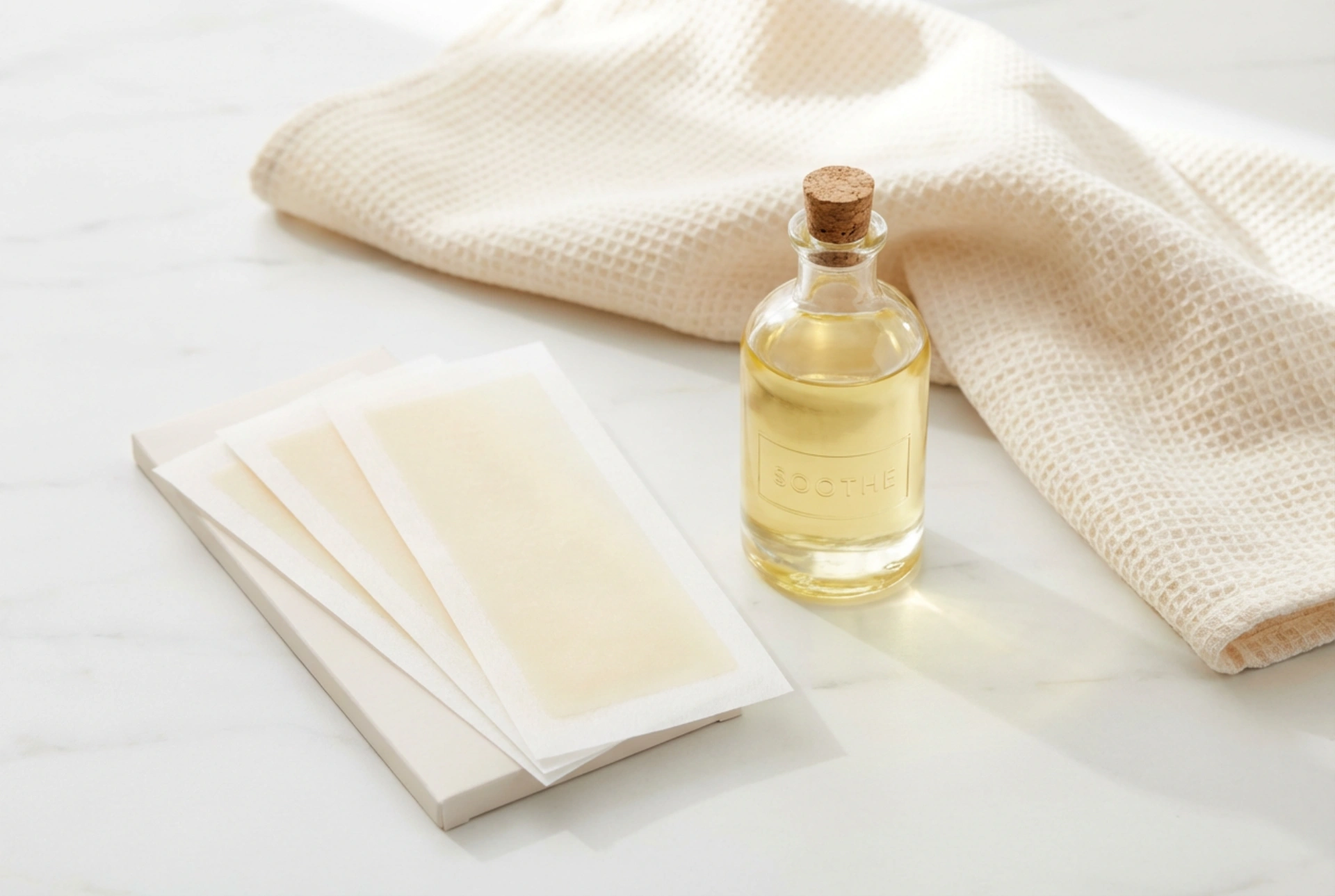
After you've finished waxing, your skin will likely be a little red and sensitive. This is a normal reaction, and proper aftercare will help to soothe it quickly. The first step is to remove any sticky wax residue. Most kits come with special post-wax finishing wipes or a small bottle of oil for this purpose. If you don't have these, a gentle body oil or olive oil on a cotton pad will also work effectively. Avoid using water, soap, or alcohol, as these won't dissolve the wax and can further irritate the skin.
Immediate Aftercare Tips:
- Use the provided oil or a gentle, natural oil to remove all wax residue.
- Avoid hot baths, saunas, and swimming pools for at least 24 hours.
- Wear loose, comfortable clothing made from natural fibres like cotton to allow your skin to breathe.
- Do not apply any products containing alcohol or strong fragrances, such as deodorants or perfumes, to the waxed area for 24 hours.
- Refrain from sunbathing or using tanning beds for a day or two, as the skin will be more sensitive to UV radiation.
- If your skin feels particularly sensitive, you can apply a cool compress to the area for a few minutes.
- Apply a simple, fragrance-free moisturising lotion to help hydrate and calm the skin.
Common Mistakes to Avoid for a Better Waxing Experience
Even with the best intentions, it's easy to make small mistakes that can affect your results. Being aware of these common pitfalls can help you avoid them.
- Not pulling the skin taut: This is one of the most frequent errors. Failing to hold the skin taut during removal increases discomfort and the risk of bruising.
- Pulling the strip in the wrong direction: Always pull against the direction of hair growth and parallel to the skin, not upwards. Pulling upwards is less effective and can lead to hair breakage.
- Hesitating during removal: A slow pull is more uncomfortable and less effective. A single, swift, confident motion is best.
- Waxing the same area repeatedly: Avoid applying and removing a strip from the same spot more than twice in one session. Over-waxing can lead to significant skin irritation or damage.
- Using strips on unsuitable skin: Never wax over skin that is broken, irritated, sunburnt, or has moles or varicose veins.
By following these guidelines for preparation, application, and aftercare, you can turn home waxing with strips into a simple and effective part of your beauty routine, enjoying smooth skin with confidence and comfort.