

Maintaining healthy, shiny hair can feel like a constant challenge amidst daily styling, environmental factors, and chemical treatments. Over time, these stressors can deplete the hair's natural proteins, leaving it looking dull, brittle, and frizzy. A home-based pampering ritual, such as using a keratin hair mask, can be a transformative step towards restoring your hair's vitality. This treatment helps to replenish lost protein, leaving your locks feeling smoother, stronger, and more resilient. Let's explore how to incorporate this regenerative process into your hair care routine.
What is Keratin and Why is it Crucial for Your Hair?
Keratin is a type of structural protein that serves as the primary building block for your hair, skin, and nails. In hair, it forms a protective shield around the shaft, which is responsible for its strength and elasticity. When hair is damaged due to heat styling, colouring, or environmental exposure, the outer layer of keratin begins to break down, creating gaps in the hair cuticle. This loss of keratin leads to common hair concerns such as split ends, frizz, and a lack of shine. Supplementing your hair with a keratin-infused mask helps to temporarily fill these gaps, smoothing the cuticle, reducing porosity, and restoring a healthier appearance.
Preparing Your Hair for a Keratin Treatment
To ensure the keratin mask can work its magic effectively, proper preparation is key. The goal is to create a clean canvas so that the beneficial ingredients can penetrate the hair shaft without being blocked by product buildup or oils.
Start with a Clean Base
Begin by washing your hair thoroughly. Opt for a gentle, clarifying shampoo to effectively remove any residue from styling products, silicones, or natural oils. Focus the shampoo on your scalp and roots, allowing the lather to run down the lengths of your hair as you rinse. This ensures your hair is clean without stripping it excessively. Rinse completely with lukewarm water.
Gently Towel-Dry
After washing, avoid rubbing your hair vigorously with a towel, as this can cause friction and damage the cuticle. Instead, gently squeeze out excess water. You can then wrap your hair in a soft cotton towel or an old t-shirt to absorb more moisture. The hair should be damp, not soaking wet, before you apply the mask. This level of moisture helps the product spread more easily and be absorbed effectively.
Step-by-Step Guide to Applying a Keratin Hair Mask
Applying the mask correctly ensures that every strand receives the benefits. A methodical approach will yield the best results, leaving you with evenly conditioned and revitalised hair.
- Section Your Hair: To ensure even coverage, divide your damp hair into four or more manageable sections. Using hair clips can help keep the sections separate as you work.
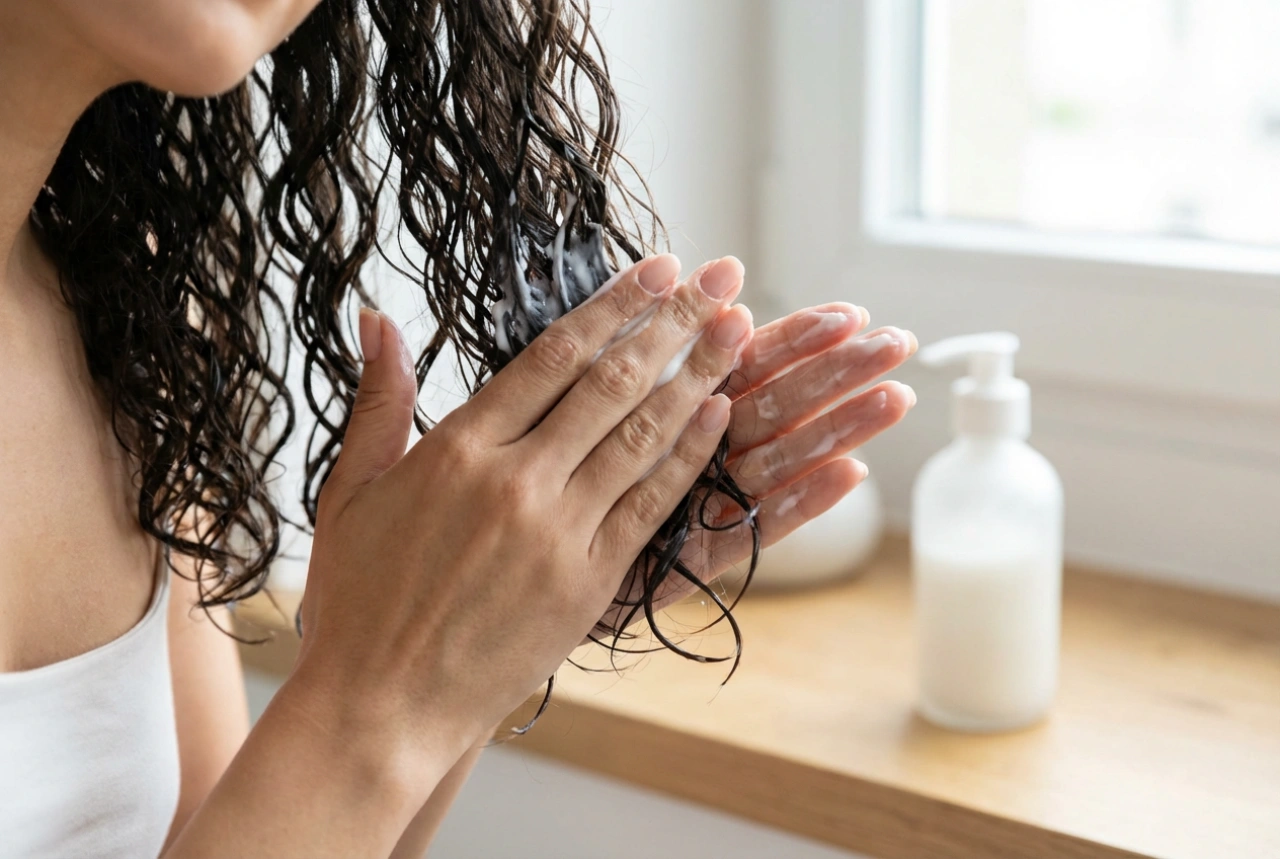
- Apply the Mask: Take a small amount of the keratin mask and start applying it from the mid-lengths down to the ends. These are typically the oldest and most damaged parts of your hair and require the most attention.
- Avoid the Roots: Unless your scalp is extremely dry, it's best to avoid applying a rich conditioning mask directly to the roots. This can weigh your hair down and make it look greasy sooner.
- Distribute Evenly: Once you have applied the mask to all sections, use a wide-tooth comb or your fingers to gently work the product through your hair. This helps to distribute the mask evenly and detangle your hair without causing breakage.
Maximising the Mask's Effects
Once the mask is applied, the next step is to let it sit and work. The duration and conditions during this processing time can significantly impact the final outcome.
Allow Time for Penetration
Most hair masks require a specific amount of time to penetrate the hair shaft. While you should always follow the general guidance for any cosmetic product, a good rule of thumb is between 10 to 20 minutes. For an enhanced treatment, you can wrap your hair in a shower cap or a warm, damp towel. The warmth helps to open up the hair cuticle, allowing the mask to penetrate more deeply.
Rinse with Care
When the time is up, rinse the mask out thoroughly using lukewarm water. Avoid hot water, as it can strip away the benefits you've just added and potentially cause frizz. Continue rinsing until your hair feels clean and there is no slippery residue left. A final rinse with cool water can help to seal the cuticle, locking in moisture and boosting shine.
Aftercare and Maintaining Results
The care you provide your hair after the treatment is just as important as the treatment itself for maintaining long-lasting results.
Gentle Drying and Styling
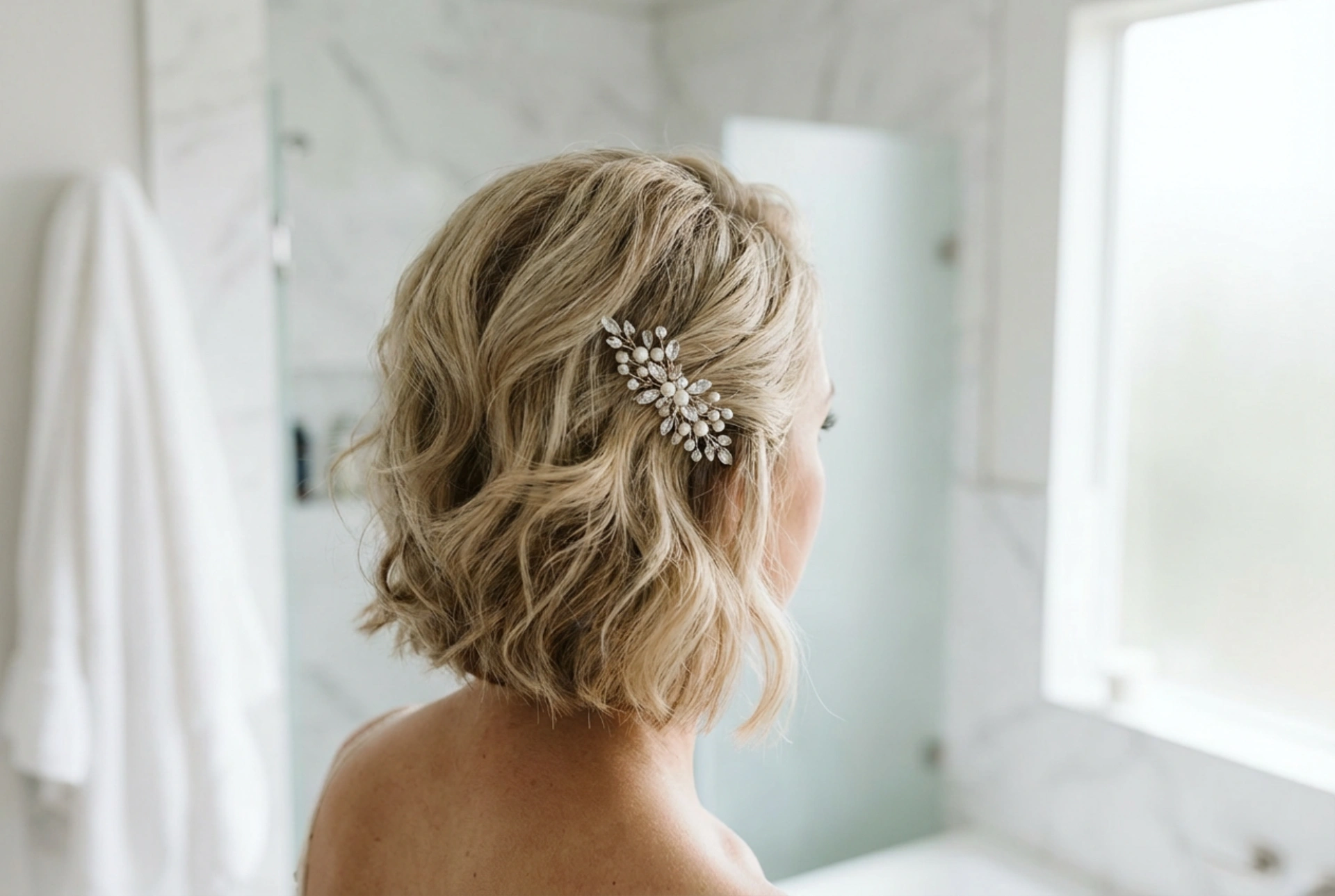
After rinsing, gently squeeze out excess water and pat your hair dry. If possible, let your hair air-dry to minimise heat exposure. If you must use a blow-dryer, apply a heat-protectant spray and use the lowest heat setting. Your hair will be smoother and more manageable, often requiring less heat to style.
Frequency of Use
The frequency of using a keratin hair mask depends on your hair's condition. For hair that is significantly damaged or very dry, you might start with a weekly treatment. For hair that is in relatively good condition, using a mask every two weeks or once a month may be sufficient to maintain its strength and shine. Pay attention to how your hair feels and adjust your routine accordingly.