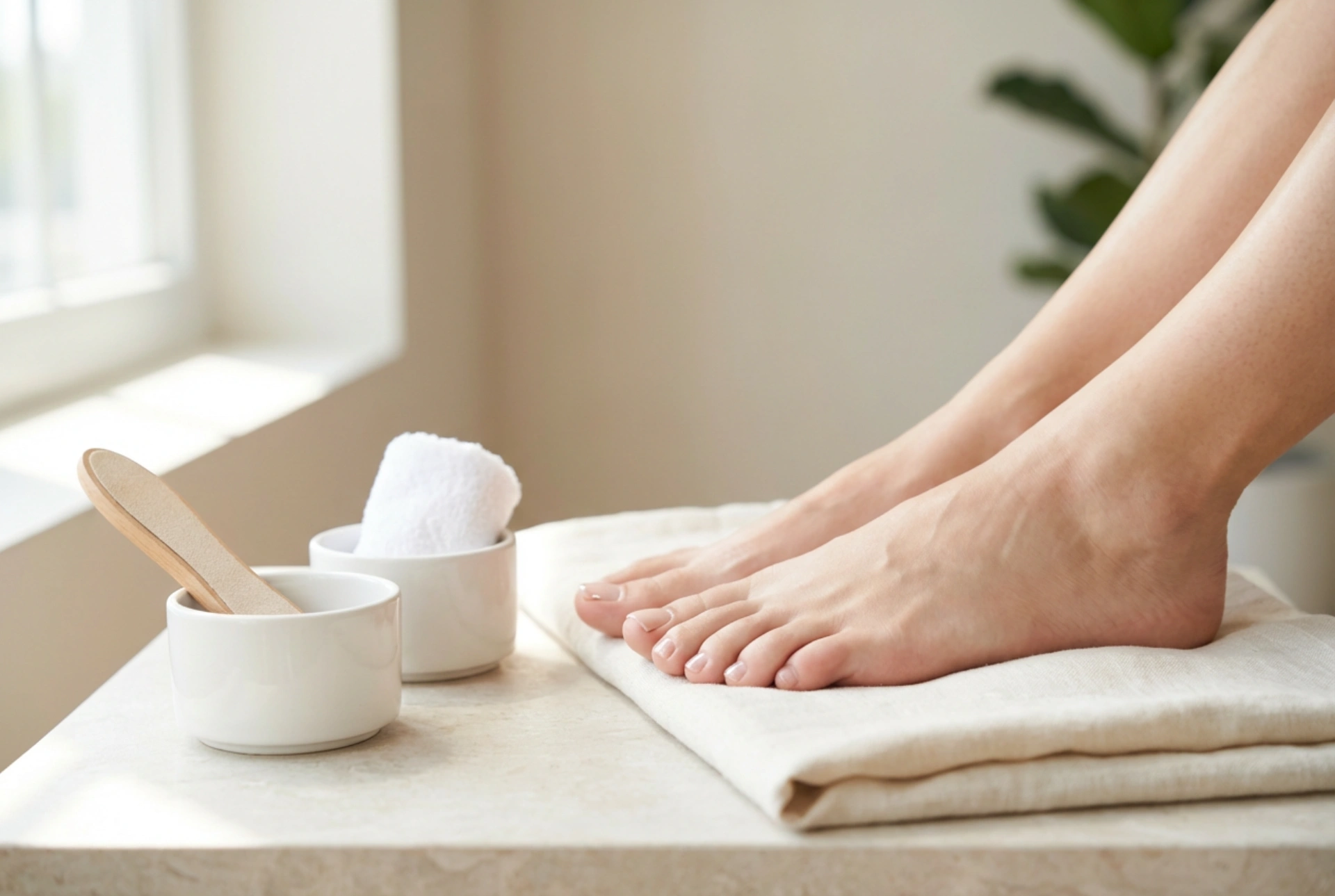


Achieving beautifully groomed feet with a pristine, natural shine is a goal for many. While traditional nail polishes offer a splash of colour, there is a growing appreciation for methods that enhance the nail's innate beauty and health. One such technique, steeped in centuries-old tradition, is the Japanese pedicure. This meticulous treatment focuses on nourishing the nail plate to produce a remarkable, high-gloss finish that is entirely natural, proving that healthy nails are truly the most beautiful.
What is a Japanese Pedicure?
A Japanese pedicure is a traditional nail care method originating from Japan, with a history spanning over 400 years. Unlike conventional pedicures that often focus on applying colour, the Japanese technique is entirely centred on restoration and nourishment. Its primary goal is to strengthen the natural nail plate, repair damage, and impart a brilliant, long-lasting shine that resembles the lustre of a pink pearl. This is achieved not with lacquers or synthetic coatings, but by deeply infusing the nail with a blend of natural, nutrient-rich ingredients. It is a philosophy of care that treats the nail as a living part of the body that requires conditioning and protection to thrive.
The Key Components: Nourishing Paste and Polishing Powder
The magic of a Japanese pedicure lies in its two-step system, which involves a specific paste and powder. These formulations are packed with beneficial ingredients designed to restore the nail's structure and appearance.
- The Nourishing Paste: The first step involves a rich, thick paste. This paste typically contains a powerful cocktail of vitamins and minerals. Key ingredients often include vitamins A and E, keratin, beeswax, and silica from natural sources. When massaged into the nail, these components penetrate the nail plate, filling in ridges, providing deep hydration, and stimulating healthy growth.
- The Polishing Powder: The second component is a fine powder, which is applied after the paste. Its role is twofold. Firstly, it works to seal the nourishing ingredients from the paste into the nail, preventing them from washing away and allowing them to work for an extended period. Secondly, as it is buffed into the nail, it reacts with the paste to create an incredible, durable shine. This powder often contains silica and other polishing agents that create a smooth, water-repellent surface.
The Process: A Gentle Approach to Nail Care
The Japanese pedicure is a meticulous and gentle process. Each step is performed with care to avoid stressing or damaging the nail plate.
Preparation of the Nail Plate
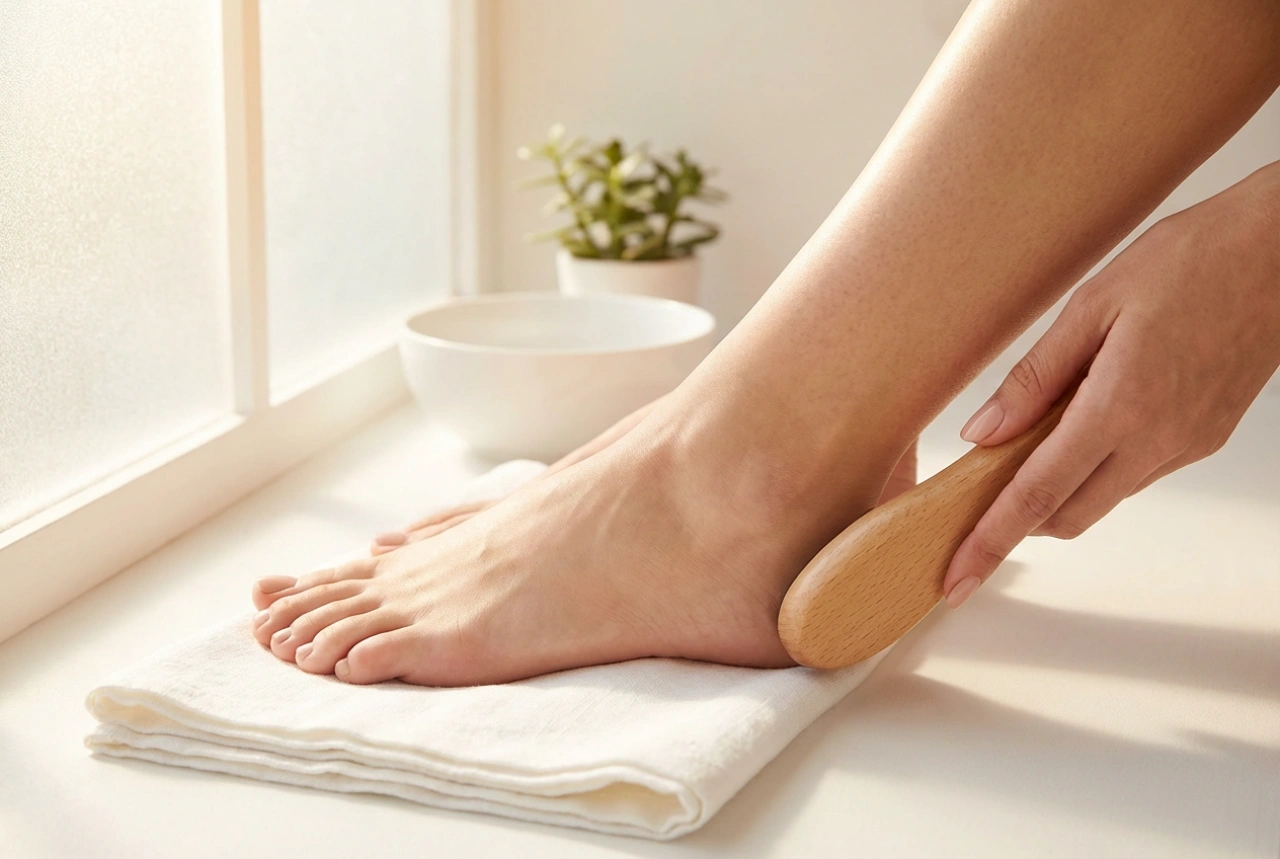
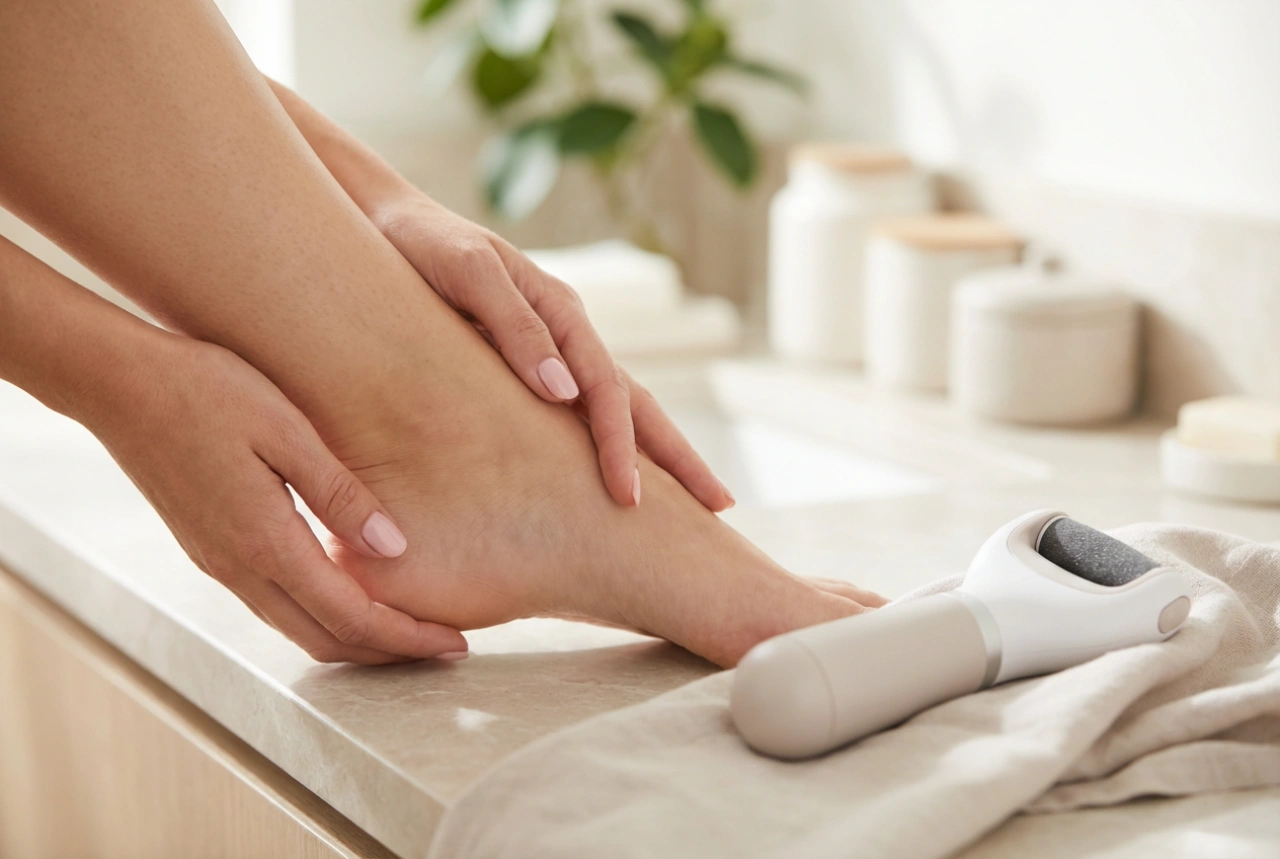
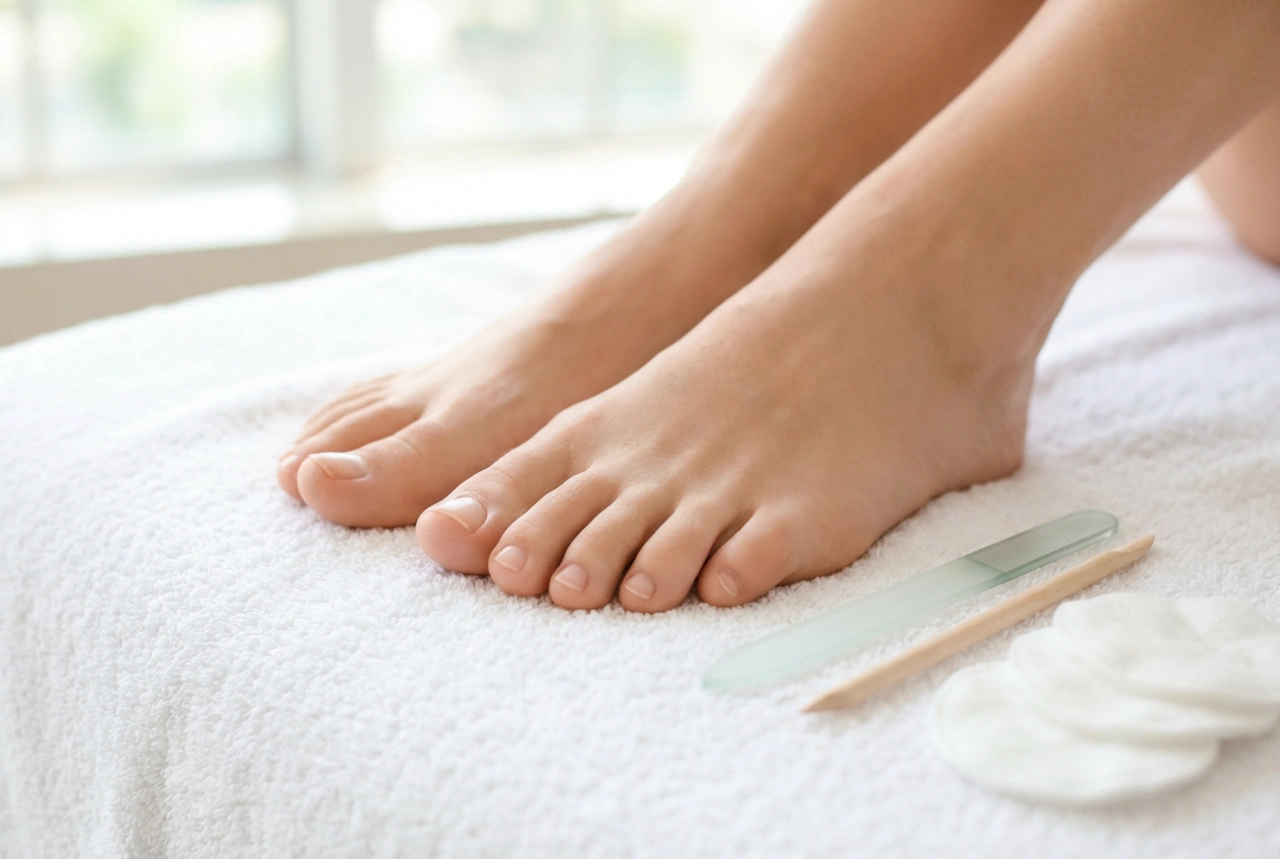
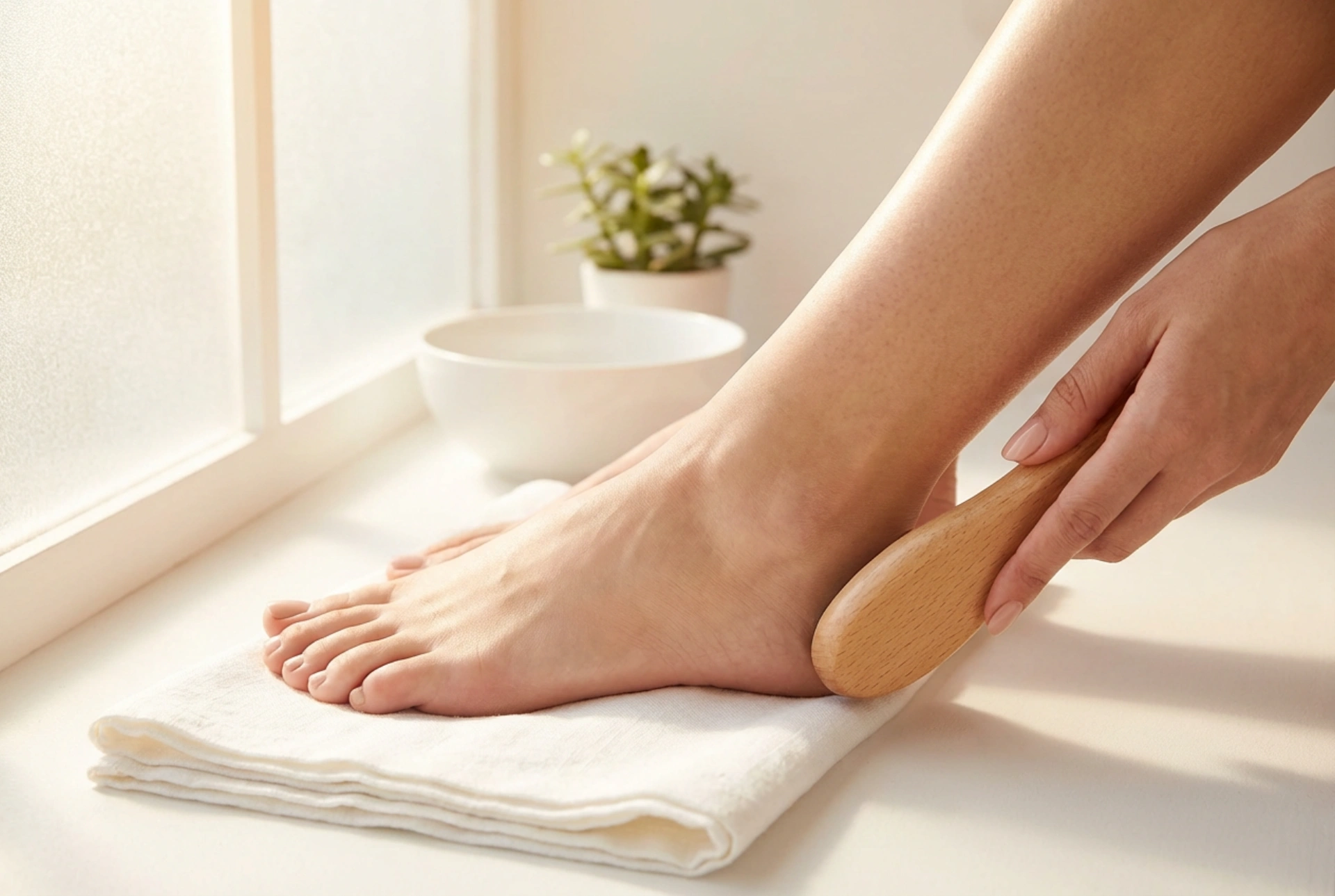
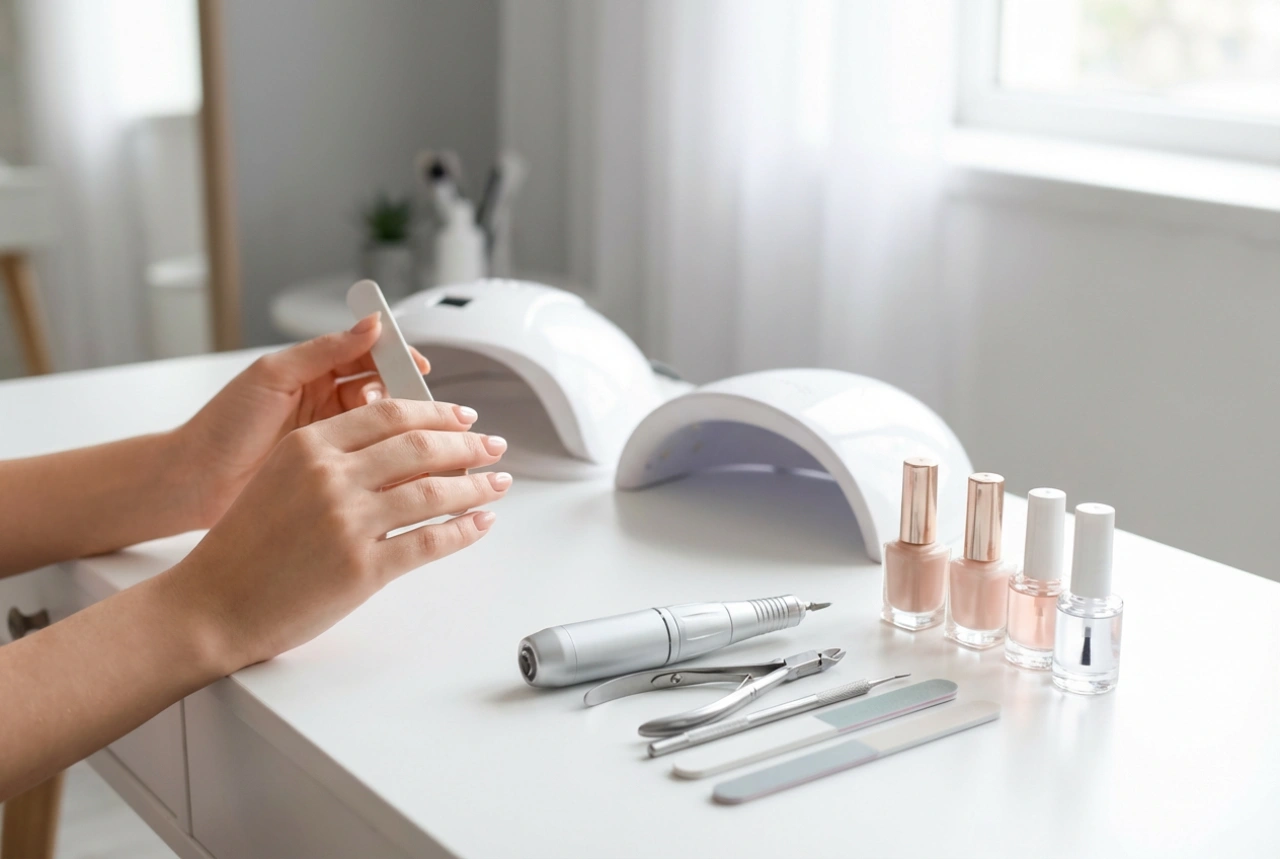
The treatment begins with standard pedicure preparations, but with a focus on gentleness. The nails are filed into the desired shape, and any hard skin on the feet is addressed. Cuticle care is crucial; they are softened and gently pushed back rather than being cut, as they serve as a natural barrier. The surface of the nail plate is then very lightly and carefully buffed with a soft file. This is not to thin the nail, but simply to remove any surface oils and slightly open up its keratin layers, making it more receptive to the nourishing paste.
Application of the Nourishing Paste
Once the nails are prepared, a small amount of the vitamin paste is applied to each nail. Using a special polisher, the paste is firmly massaged and buffed into the nail plate. This is done with consistent, one-directional strokes. The friction and warmth generated during this process help the nutrients to penetrate deeply into the nail bed, providing intensive regeneration.
Sealing with the Polishing Powder
After the paste has been thoroughly worked into all the nails, the next step is the application of the powder. A small amount of the powder is sprinkled onto the nail, and a separate, clean polisher is used to buff it in. This action 'locks in' the paste and creates the signature high-gloss finish. The nails are polished until they gleam with a healthy, pinkish, pearlescent lustre.
Who Can Benefit from a Japanese Pedicure?
This type of pedicure is exceptionally versatile and beneficial for a wide range of people. It is particularly recommended for those with nails that are weak, brittle, splitting, or have an uneven surface. It serves as an excellent restorative treatment for nails that have been weakened by frequent use of gel or acrylic applications. It is also a perfect choice for individuals who prefer a natural, well-groomed look without colour, or for professionals in fields where nail polish is discouraged. However, it's important to note that this is a cosmetic treatment for improving nail condition, not a medical procedure for addressing serious nail disorders, which always require consultation with a specialist.
Maintaining the Results
The beautiful, glossy effect of a Japanese pedicure can last for up to three weeks. To prolong the results, it's advisable to avoid prolonged contact with harsh detergents and to wear protective footwear or gloves when cleaning. Regular moisturising of the feet and cuticles with a good quality cream or oil will also help maintain nail health. The treatment can be repeated every 2-3 weeks to continuously build up the strength and resilience of the nails. With consistent care, the nails become visibly healthier, stronger, and maintain their natural, elegant shine.