

Achieving smooth, comfortable skin in the bikini area is a common beauty goal, yet it can often be challenged by the appearance of ingrown hairs. These bumps can be frustrating, but with a gentle and consistent care routine, they can often be prevented. The key lies in understanding their cause and adopting a mindful approach that combines preparation, proper technique, and dedicated aftercare. This guide will walk you through the essential steps to help you maintain a smooth and irritation-free bikini line.
Understanding Why Ingrown Hairs Occur
An ingrown hair happens when a hair that has been removed—typically through shaving, waxing, or plucking—curls back or grows sideways into the skin instead of straight out of the follicle. The body then perceives this trapped hair as a foreign object, which can lead to bumps and discomfort. Several factors contribute to this, including the natural curl of the hair, dead skin cells clogging the hair follicle, and friction from tight clothing. By addressing these root causes, you can significantly reduce the likelihood of their formation.
The Role of Gentle Exfoliation
Regular exfoliation is perhaps the most crucial step in preventing ingrown hairs. It works by sloughing away the top layer of dead skin cells, which might otherwise block the hair follicle and trap the hair beneath the surface. For the delicate bikini area, it is vital to choose a gentle method.
Physical Exfoliation
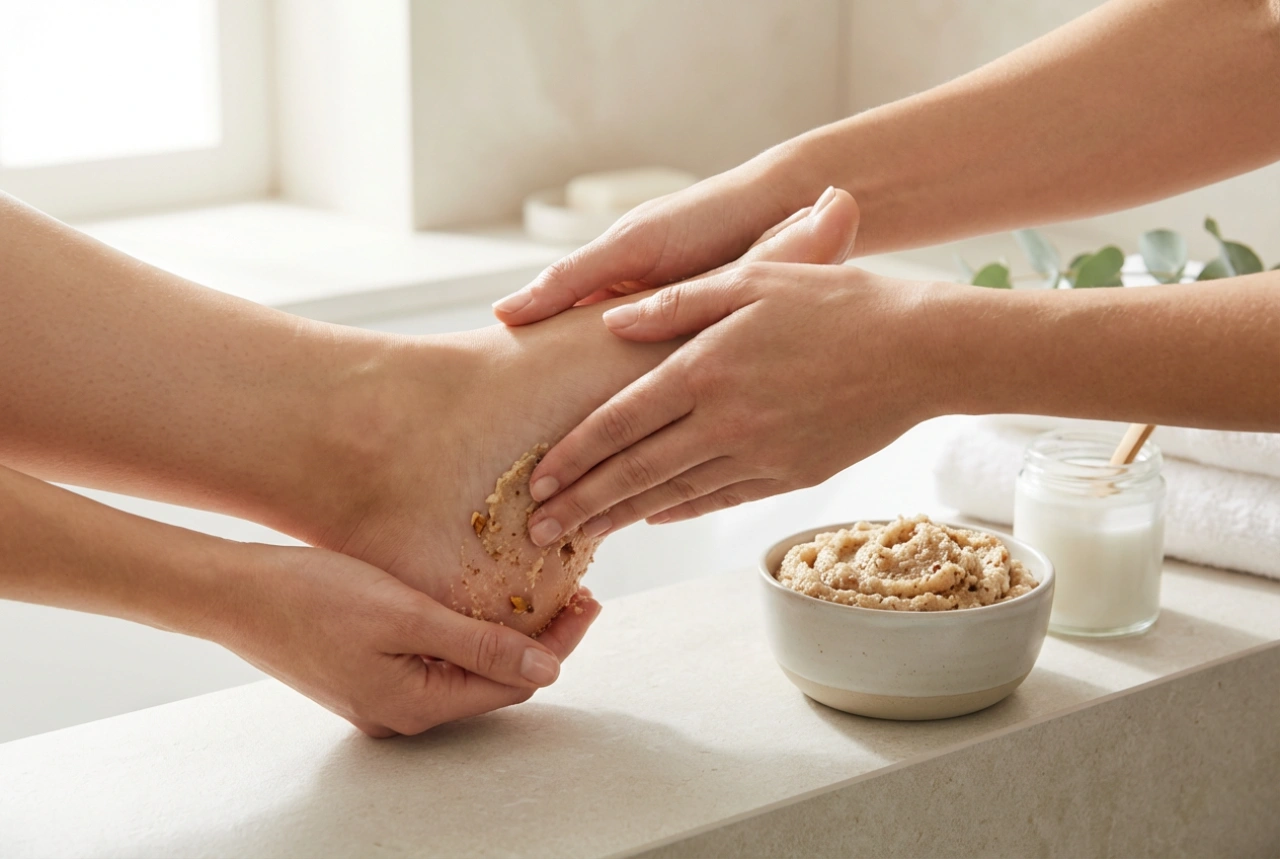
This method involves manually scrubbing away dead skin. To do this safely, use a soft, clean washcloth, a gentle body brush with soft bristles, or a mild scrub with very fine, smooth particles. Move in small, circular motions without applying too much pressure. Over-scrubbing can cause irritation, which may worsen the problem. It is best to exfoliate the area a day or two before hair removal and continue two to three times a week in between sessions, but avoid exfoliating immediately before or after hair removal when the skin is most sensitive.
Chemical Exfoliation
Another option involves using products that contain ingredients designed to dissolve dead skin cells without physical scrubbing. Look for gentle lotions, toners, or pads formulated for sensitive skin that contain mild exfoliating agents like polyhydroxy acids (PHAs) or low-concentration alpha-hydroxy acids (AHAs). These can be very effective but should be introduced slowly into your routine to ensure your skin tolerates them well. Always follow the product instructions carefully.
Proper Hair Removal Techniques
How you remove the hair is just as important as how you prepare the skin. An improper technique can increase the chances of hair breaking off below the skin's surface, leading to ingrown hairs.
Tips for a Better Shave
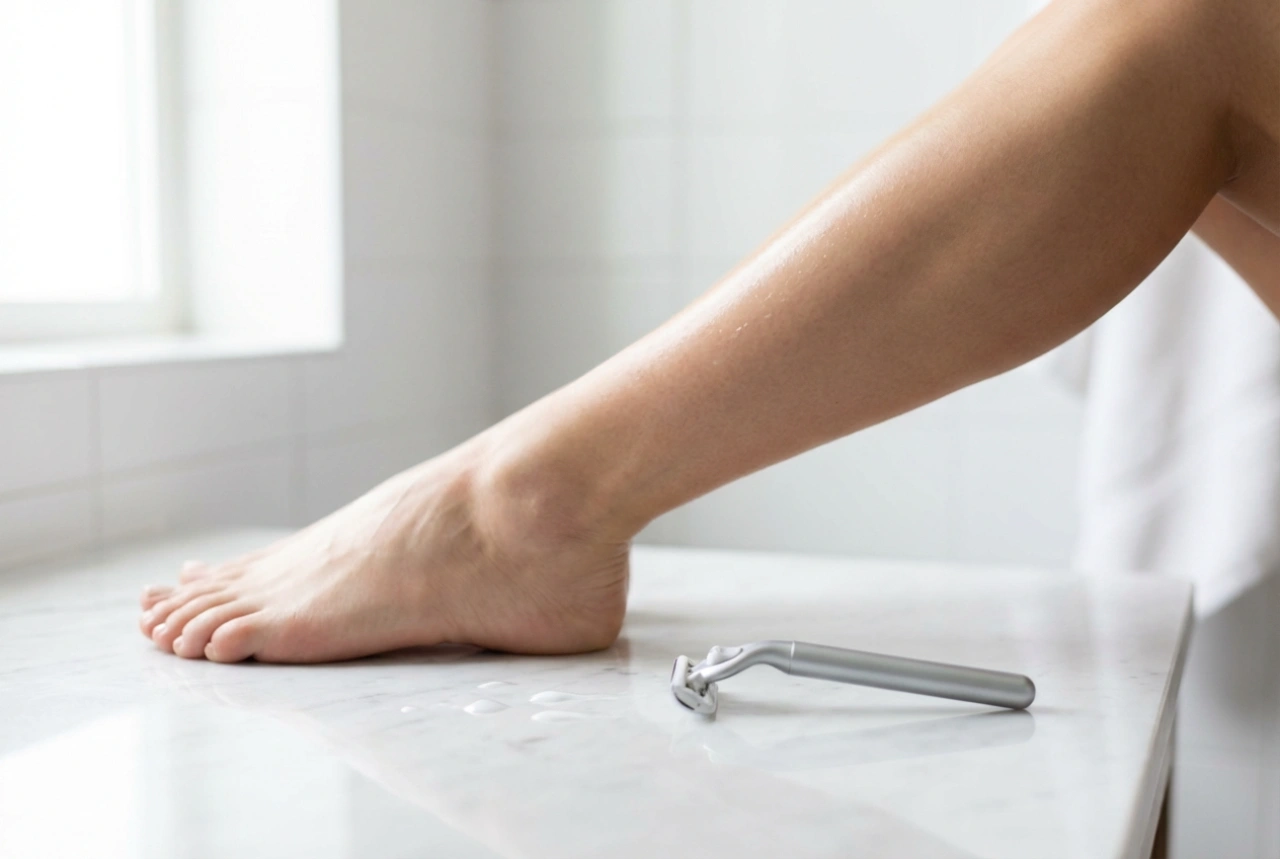
Shaving is a common cause of ingrown hairs if not done correctly. Following these steps can make a significant difference:
- Always use a sharp, clean razor. A dull blade tugs at the hair and can cause a blunt, angled tip that is more likely to grow back into the skin.
- Wet the skin with warm water for a few minutes before shaving to soften the hair and skin.
- Apply a generous amount of shaving cream, gel, or oil to create a protective barrier and help the razor glide smoothly.
- Shave in the direction of hair growth. Shaving against the grain gives a closer shave but dramatically increases the risk of ingrown hairs and irritation.
- Rinse the blade after every stroke to keep it clean and effective.
- Avoid pulling the skin taut while shaving.
- Once finished, rinse the area with cool water to help soothe the skin.
Considerations for Other Methods
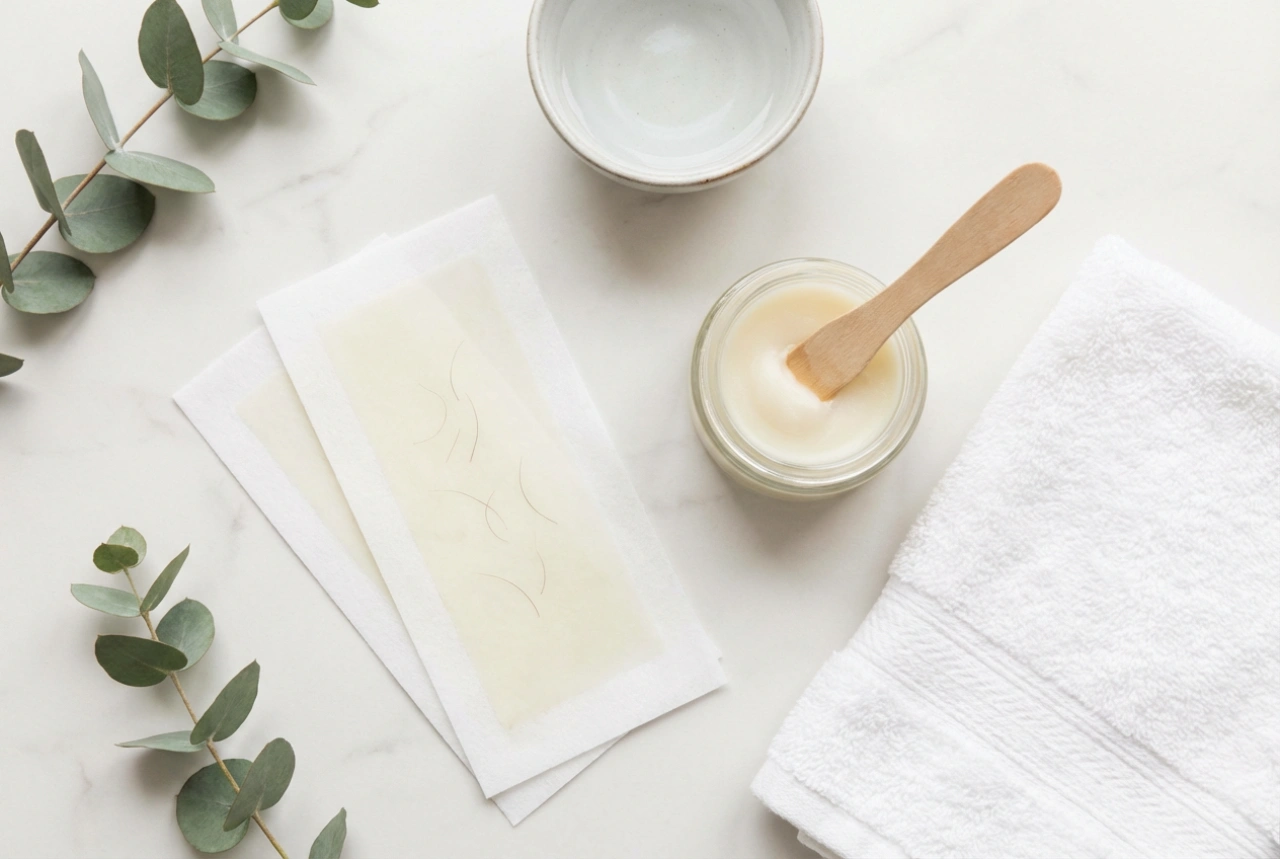
If you prefer waxing or sugaring, ensure the hair is the correct length—not too short or too long—as specified by the product or professional. Post-session, focus on aftercare and avoid heat, heavy exercise, and tight clothing for at least 24-48 hours to allow the skin to recover.
Essential Aftercare for Smooth Skin
What you do after hair removal is critical for keeping the skin calm and helping hairs grow out properly.
Moisturise Daily
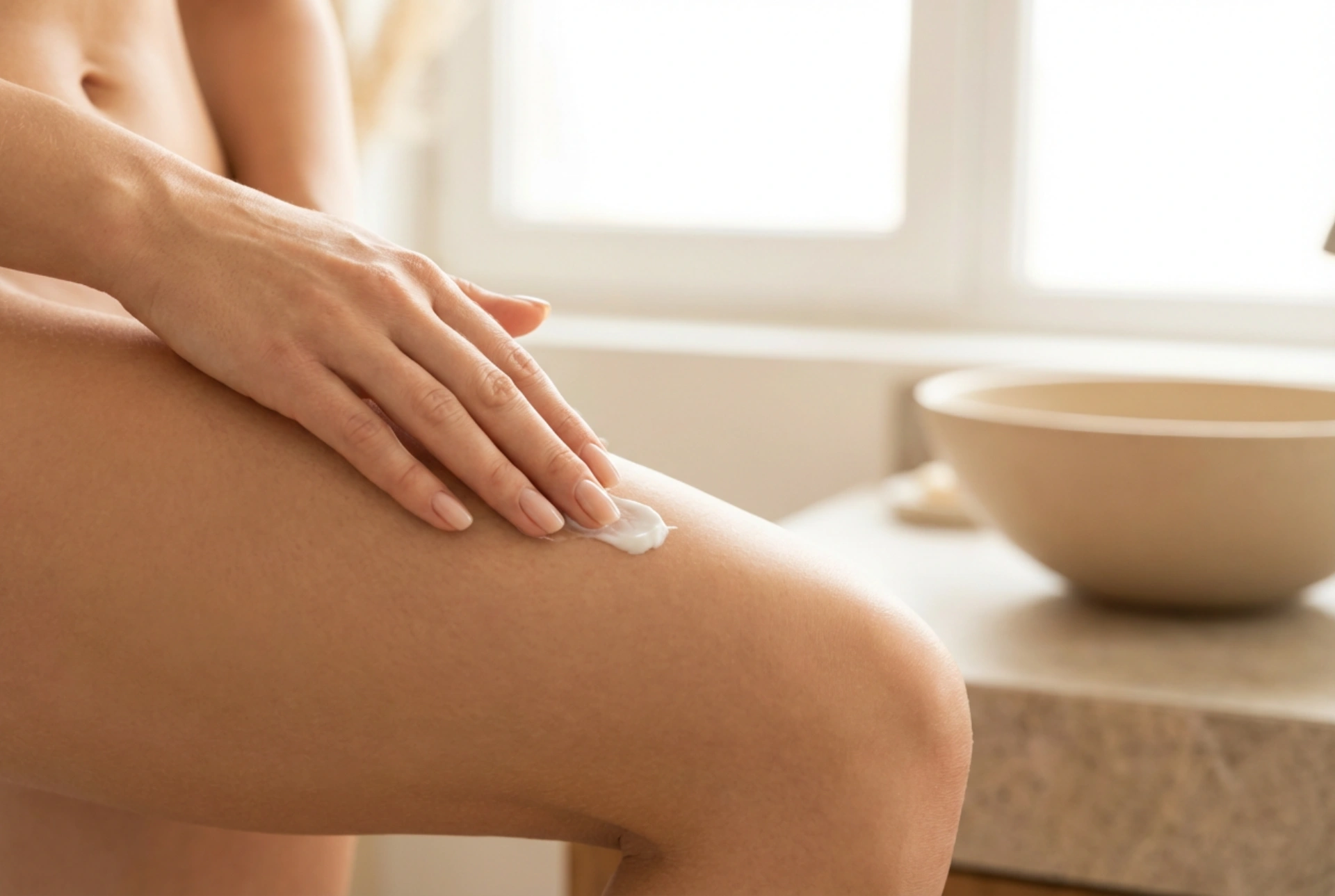
Hydrated skin is more pliable and flexible, making it easier for hairs to penetrate the surface without getting trapped. Apply a lightweight, fragrance-free, and non-comedogenic (non-pore-clogging) moisturiser to the bikini area daily, especially after showering and after any form of hair removal.
Choose Breathable Fabrics
Friction and trapped moisture can contribute to skin irritation. Immediately after hair removal and as much as possible in your daily life, opt for loose-fitting clothing and underwear made from natural, breathable fabrics like cotton. This reduces rubbing against the sensitive skin and allows the area to breathe, promoting a healthier skin environment.