

A rich, creamy hair mask can feel like the ultimate indulgence, promising to transform dull, tired strands into a smooth, shiny mane. Among the most sought-after treatments is the keratin mask, known for its powerful restorative properties. But to truly unlock its benefits, it's essential to understand what it is, when to use it, and how to apply it correctly. Let's delve into the world of at-home keratin treatments to help you achieve the healthy-looking hair you desire, without the need for salon visits.
What is a Keratin Mask and Who Is It For?
To understand how a keratin mask works, we first need to know what keratin is. Keratin is a type of structural protein that is the primary building block of our hair, skin, and nails. It's responsible for the hair's strength, structure, and resilience. Over time, factors like heat styling, chemical treatments (such as colouring or bleaching), sun exposure, and even environmental pollution can damage the hair's natural keratin structure. This damage leads to gaps and cracks along the hair cuticle, resulting in hair that appears frizzy, brittle, and dull.
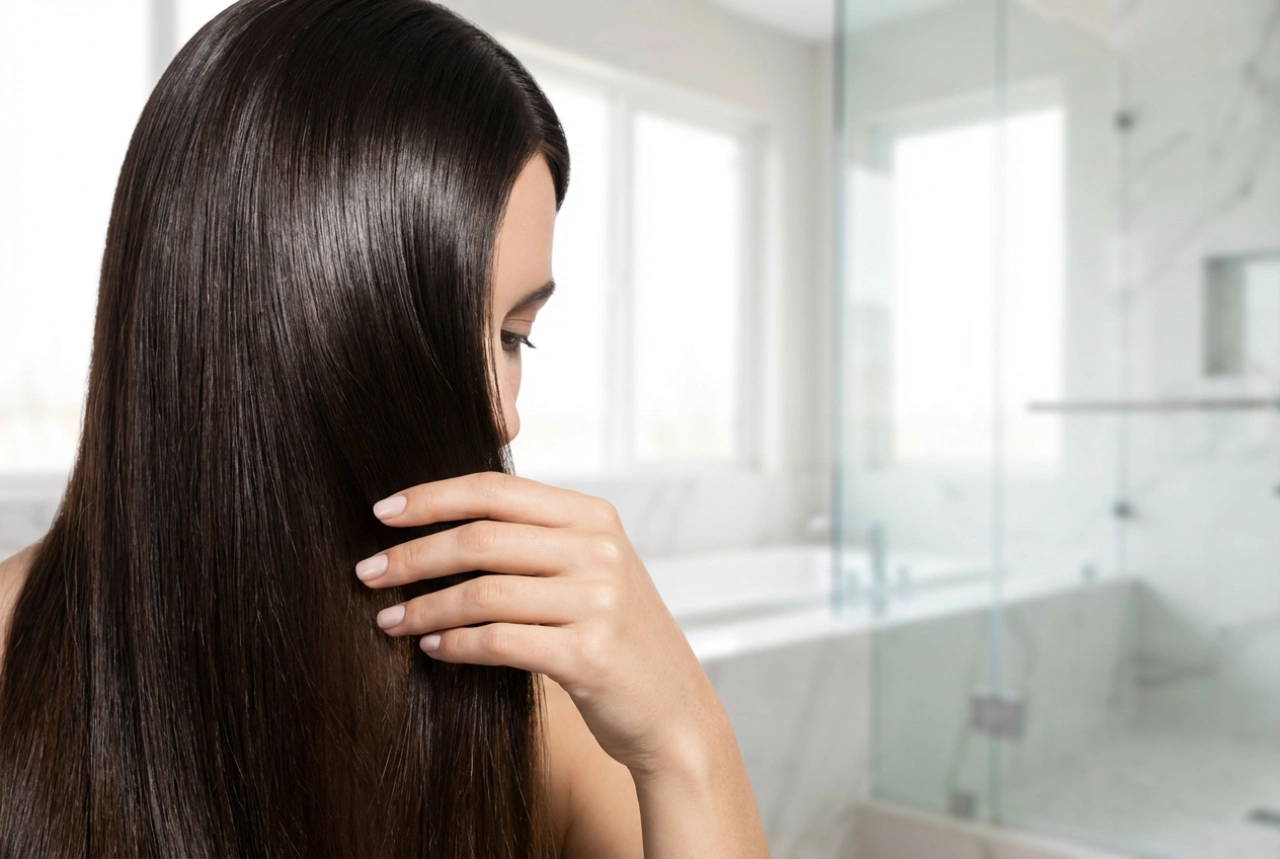
A keratin mask is an intensive conditioning treatment formulated with hydrolysed keratin proteins. These protein molecules are small enough to penetrate the hair shaft, temporarily fill in those gaps, and reinforce the hair's structure from the inside out. The result is a smoother hair surface, which reflects light better, giving your hair a beautiful shine. It also helps to reduce frizz and makes the hair feel stronger and more manageable.
Who Can Benefit from a Keratin Mask?
- Chemically Treated Hair: If you regularly colour, bleach, or perm your hair, it is likely in need of some structural support. A keratin mask can help replenish some of the protein lost during these processes.
- Heat-Damaged Hair: Frequent use of straighteners, curling tongs, and hair dryers can weaken the hair. Keratin treatments help to fortify these weakened strands.
- Frizzy and Unruly Hair: By smoothing the hair cuticle, a keratin mask can significantly tame frizz and make hair easier to style.
- Dry and Brittle Hair: Hair that breaks easily and feels rough to the touch often lacks protein. A keratin mask can improve its elasticity and strength.
However, it's important to note that not all hair types need an intense protein boost. If your hair is fine, naturally healthy, or has low porosity (meaning its cuticle is tightly packed), overloading it with protein can have the opposite effect, making it feel stiff and brittle. It's all about finding the right balance.
How to Use a Keratin Mask Correctly: A Step-by-Step Guide
Applying a keratin mask correctly is crucial for achieving the best results. Follow these simple steps for an effective at-home treatment.
- Start with Clean Hair: Wash your hair thoroughly with a gentle shampoo to remove any product build-up, dirt, and oils. For an even deeper clean, you can occasionally use a clarifying shampoo, but be mindful not to strip the hair's natural moisture.
- Remove Excess Water: After washing, gently squeeze out the excess water from your hair. Then, pat it dry with a microfibre towel or an old cotton t-shirt until it is damp but not dripping wet. Applying a mask to soaking wet hair can dilute the product and prevent it from being absorbed effectively.
- Section Your Hair: Divide your hair into four or more manageable sections using clips. This ensures you can apply the mask evenly to every strand.
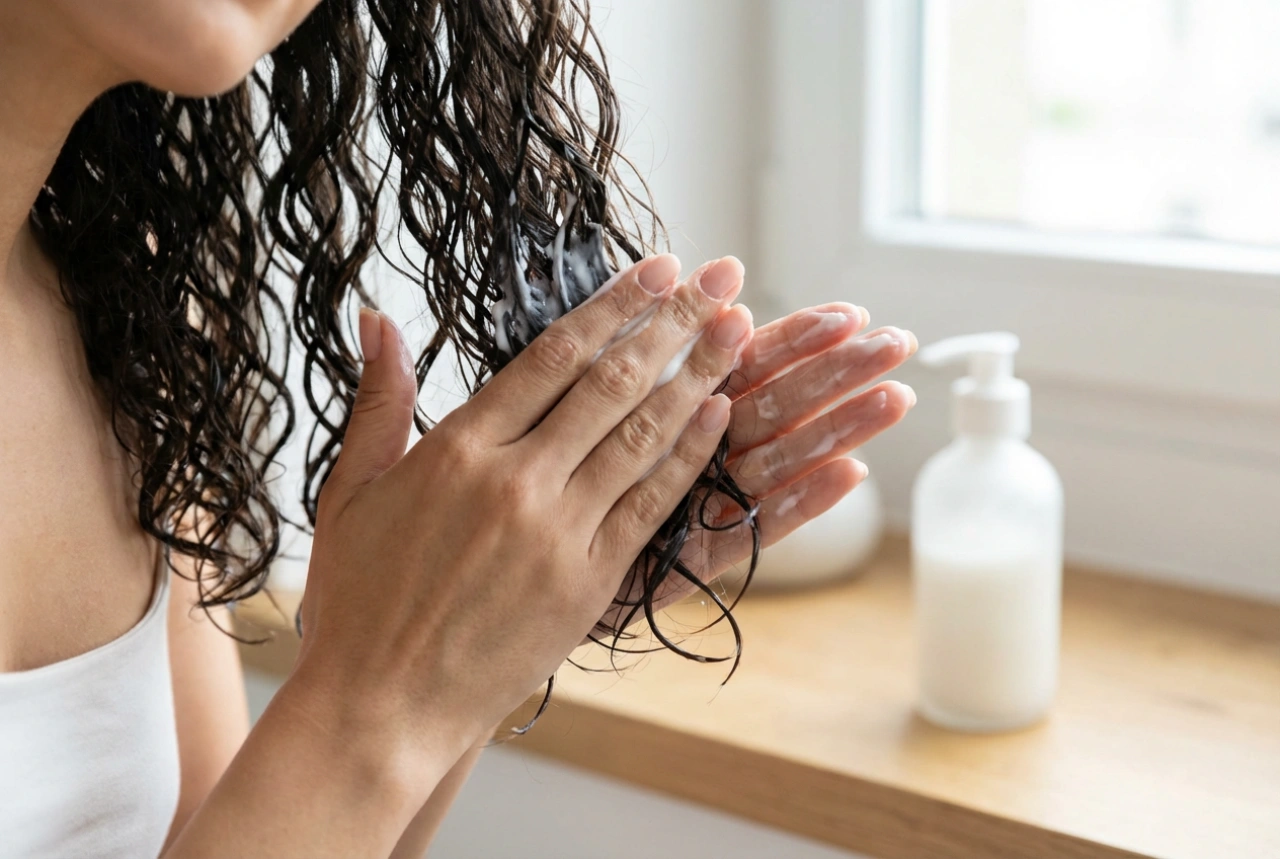
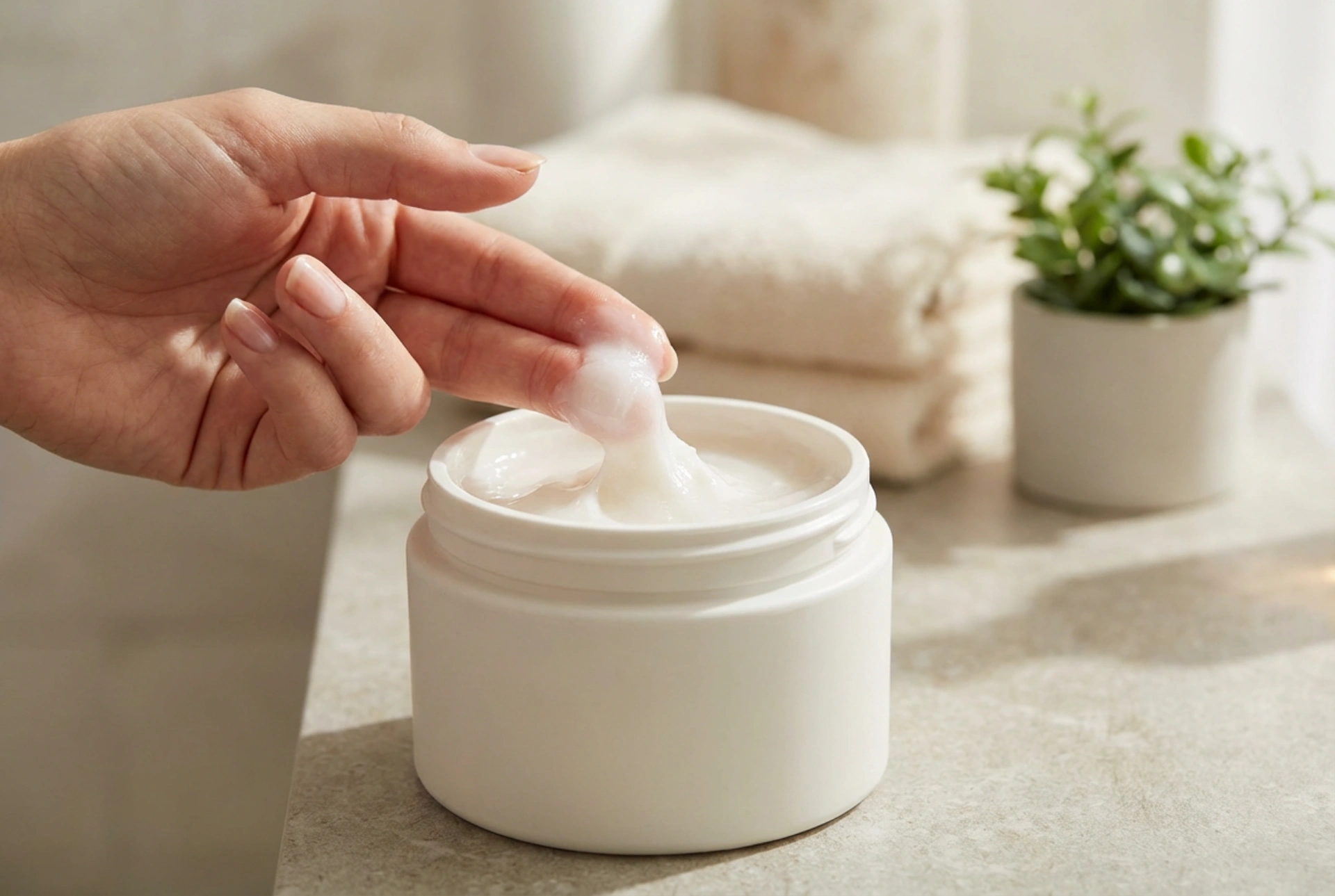
- Apply the Mask: Scoop a generous amount of the mask and begin applying it from the mid-lengths down to the ends, as this is where hair is typically the most damaged. Avoid applying it directly to your scalp and roots, as this can weigh your hair down and make it look greasy.
- Distribute Evenly: Use your fingers or a wide-tooth comb to gently work the product through your hair, ensuring every strand is coated. This helps the mask to work its magic uniformly.
- Let It Process: Let the mask sit for the time recommended on the product's packaging, which is usually between 10 to 20 minutes. For an enhanced effect, you can wrap your hair in a warm towel or put on a shower cap. The heat will help to open up the hair cuticles, allowing for deeper penetration of the product.
- Rinse Thoroughly: Once the time is up, rinse your hair thoroughly with lukewarm water. Make sure all the product is washed out to avoid leaving a residue that can make your hair feel heavy or stiff. You can finish with a cool water rinse to help seal the cuticles.
Common Mistakes to Avoid
To get the most out of your keratin treatment, be mindful of these common pitfalls.
- Overuse: Keratin masks are intensive treatments and should not be used as a daily conditioner. Using them too frequently can lead to "protein overload," where the hair becomes stiff, dry, and prone to breakage. Listen to your hair's needs.
- Applying to the Scalp: The roots of your hair are the newest and healthiest part, and they generally do not need an intense protein treatment. Applying the mask to the scalp can cause build-up and weigh down the hair.
- Incorrect Timing: Leaving the mask on for less time than recommended may not yield visible results, while leaving it on for too long can sometimes cause stiffness. Always follow the instructions on the label.
- Ignoring Your Hair's Needs: It's crucial to understand whether your hair needs protein or moisture. If your hair feels mushy and overly elastic when wet, it likely needs protein. If it feels rough, dry, and straw-like, it probably needs moisture. Learning to distinguish between the two will help you choose the right treatment.
Frequency and Aftercare for Best Results
The ideal frequency for using a keratin mask depends on the condition of your hair. For severely damaged or processed hair, using it once a week might be beneficial initially. As your hair's condition improves, you can reduce the frequency to once every two to four weeks. For hair with minor damage, using a keratin mask once a month is often sufficient.
Remember that healthy hair requires a balance of both protein and moisture. It's a good practice to alternate your keratin treatments with deeply hydrating masks that are rich in emollients and humectants. This ensures your hair remains strong, flexible, and well-hydrated. To prolong the smoothing effects of your keratin mask, minimise the use of heat styling tools, use a heat protectant spray when you do, and protect your hair from harsh environmental elements.