

A high-quality hair mask can feel like a spa treatment in a jar, offering a moment of self-care while transforming your hair from dull and lifeless to shiny and vibrant. But with so many options available, how do you identify a truly effective mask and ensure you're using it correctly to unlock its full potential? The secret lies in understanding your hair's specific needs and mastering the application technique. This guide will walk you through everything you need to know to choose and use hair masks like a professional.
What Defines a Good Hair Mask?
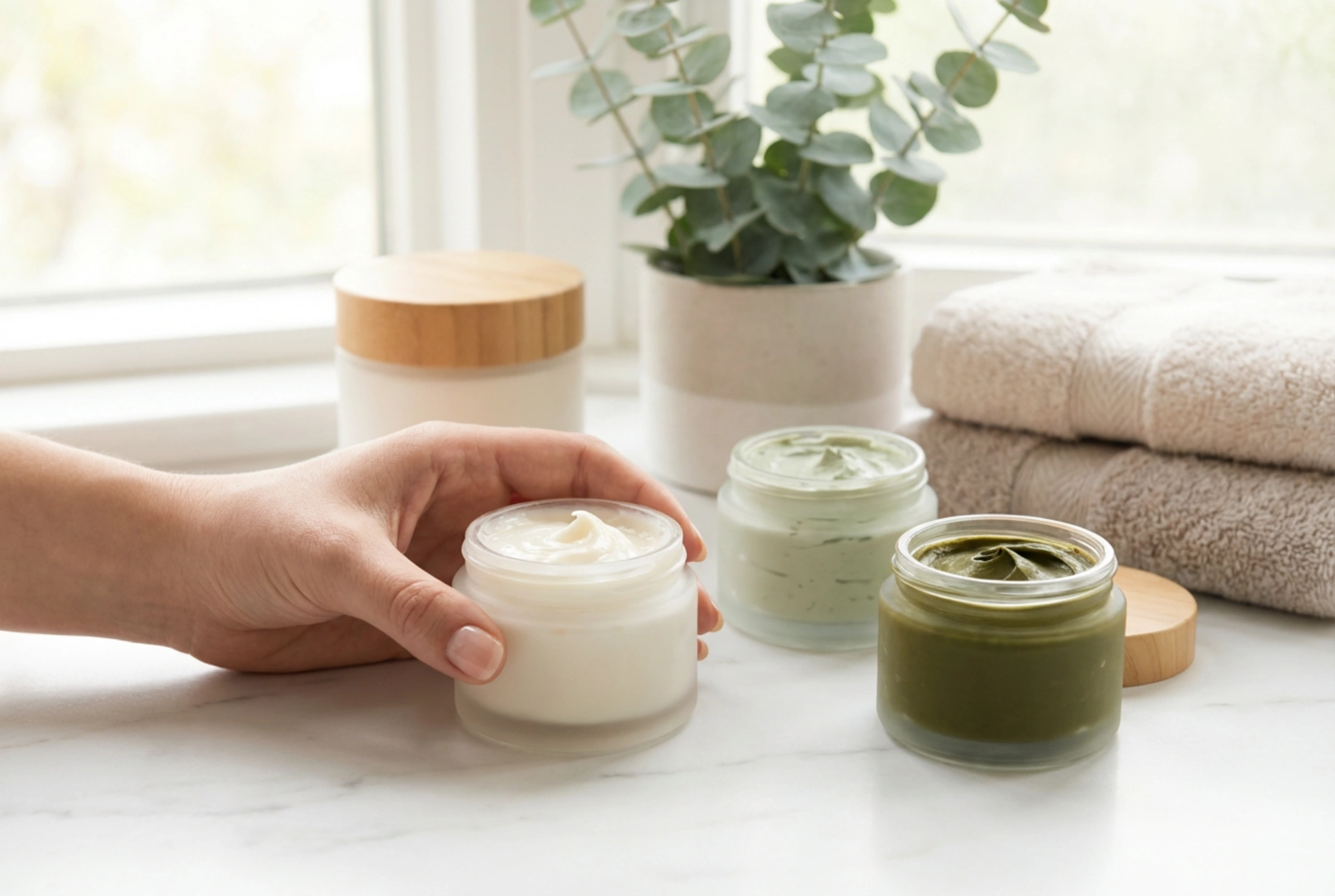
Beyond elegant packaging, the true value of a hair mask is found in its ingredient list. A good mask is a concentrated treatment formulated to address specific hair concerns. Unlike a regular conditioner, it contains a higher percentage of active ingredients designed to penetrate the hair shaft more deeply. Look for formulations rich in nourishing components. For instance, hydrating masks often contain humectants like glycerin or hyaluronic acid, which draw moisture into the hair. For repair, look for proteins such as keratin or amino acids that help rebuild the hair's structure. Emollients like shea butter, coconut oil, or argan oil are excellent for softening hair and sealing in moisture.
Reading the Ingredients
When selecting a mask, pay attention to the order of ingredients. Those listed first are present in the highest concentrations. If beneficial oils, proteins, and vitamins appear high on the list, it's a good indication of a quality product. Conversely, if the primary ingredients are simple fillers or silicones, the mask may only provide a temporary cosmetic effect rather than long-term nourishment.
Matching a Mask to Your Hair's Needs
The most effective hair mask is one that is tailored to your unique hair type and concerns. Using the wrong formula can be ineffective at best and counterproductive at worst, for example, by weighing down fine hair or failing to hydrate coarse hair sufficiently.
For Dry and Brittle Hair
If your hair feels rough and snaps easily, it's crying out for moisture. Seek out intensely hydrating masks packed with ingredients like aloe vera, avocado oil, olive oil, and honey. These will replenish lost moisture, improve elasticity, and leave your hair feeling soft and supple.
For Damaged or Over-Processed Hair
Hair that has been frequently coloured, heat-styled, or chemically treated needs repairing and strengthening. Masks containing proteins are essential. Look for hydrolysed keratin, wheat protein, or silk amino acids. These ingredients help to patch up gaps in the hair cuticle, reinforcing the hair's internal structure and reducing breakage.
For Fine or Limp Hair
Those with fine hair often worry that masks will leave their locks flat and greasy. The key is to choose a lightweight, volumising formula. Avoid heavy butters and oils. Instead, opt for masks with ingredients like panthenol (vitamin B5) or biotin, which can help to thicken the hair shaft without weighing it down.
The Correct Way to Apply a Hair Mask
Proper application is just as important as choosing the right product. Following these steps will ensure you get the maximum benefit from your treatment.
- Start with Clean Hair: Always wash your hair with shampoo before applying a mask. This removes product build-up and dirt, allowing the mask's ingredients to penetrate effectively.
- Remove Excess Water: After shampooing, gently squeeze the water from your hair. You can also pat it with a microfibre towel. Applying a mask to sopping wet hair will dilute the product and prevent it from adhering properly.
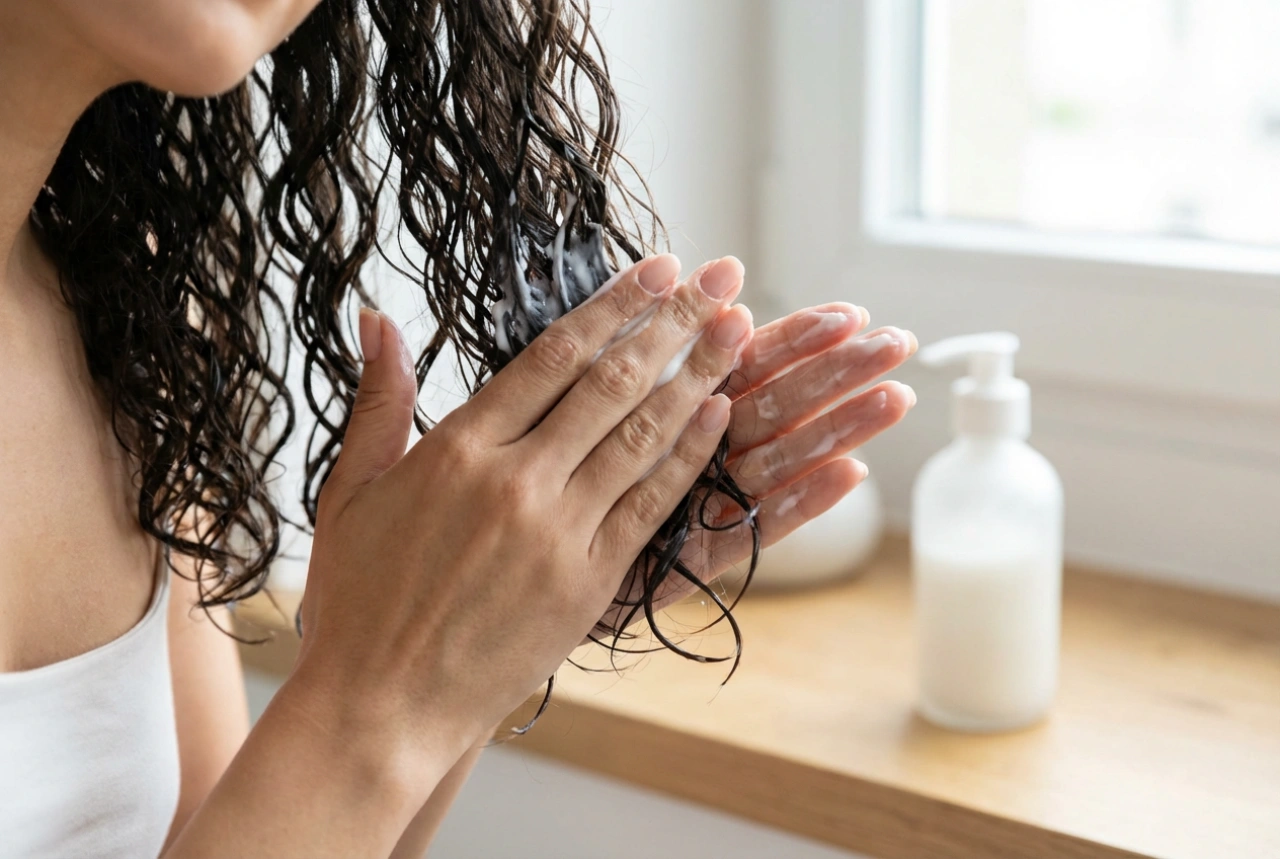
- Apply Strategically: Scoop a generous amount of product and begin applying it to your hair, focusing on the mid-lengths and ends where damage is most common. For most hair types, it's best to avoid the scalp to prevent greasiness.
- Distribute Evenly: Use your fingers or a wide-tooth comb to work the mask through your hair, ensuring every strand is coated.
- Let It Absorb: Leave the mask on for the time specified in the instructions, typically between 5 and 20 minutes. For a deeper treatment, you can wrap your hair in a warm towel to help open the cuticles and enhance absorption.
- Rinse Thoroughly: Rinse the mask out completely using lukewarm water. Finishing with a cool rinse can help to seal the hair cuticle, locking in the treatment and boosting shine.
By understanding what to look for in a hair mask and how to apply it correctly, you can turn this simple treatment into a powerful tool for achieving the healthy, radiant hair you desire. Consistency is key, so aim to incorporate a mask into your routine once or twice a week to maintain optimal hair health.