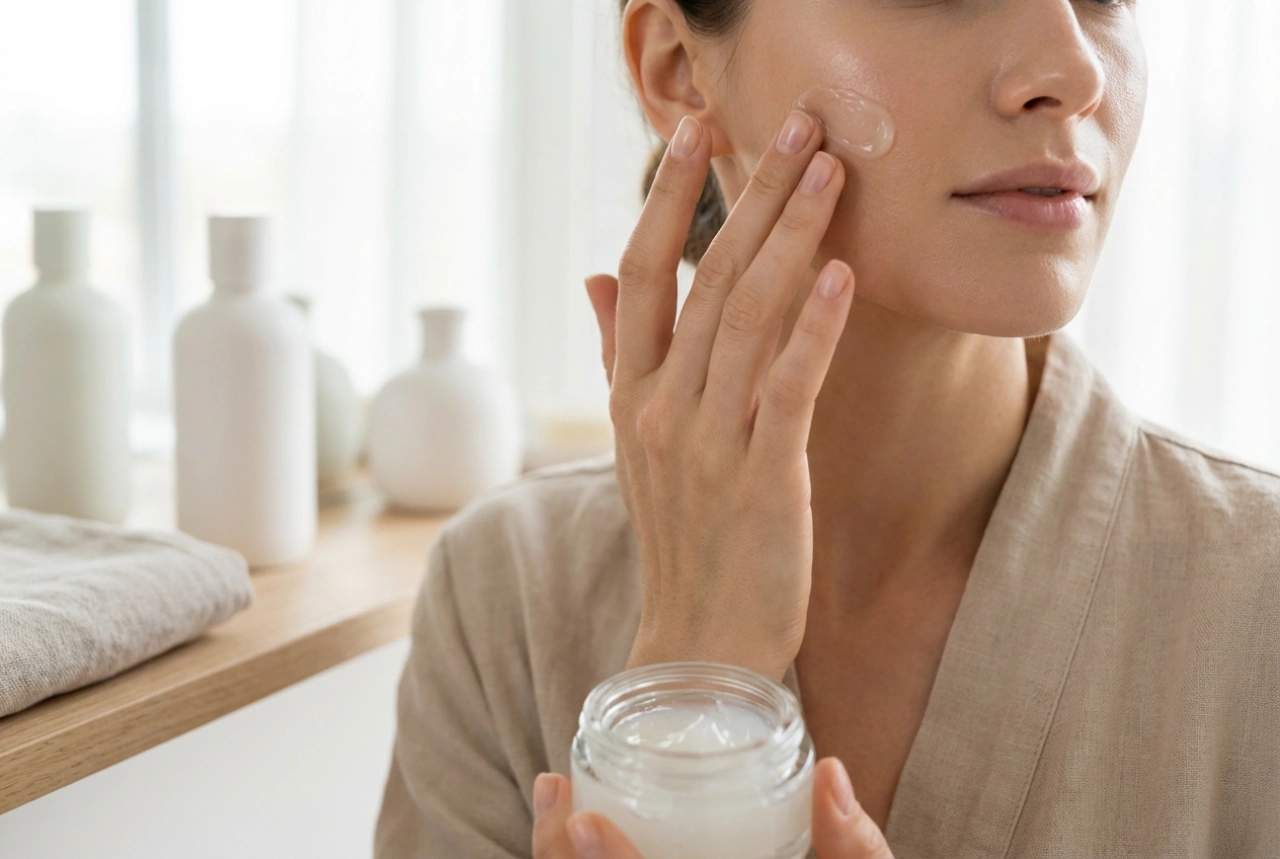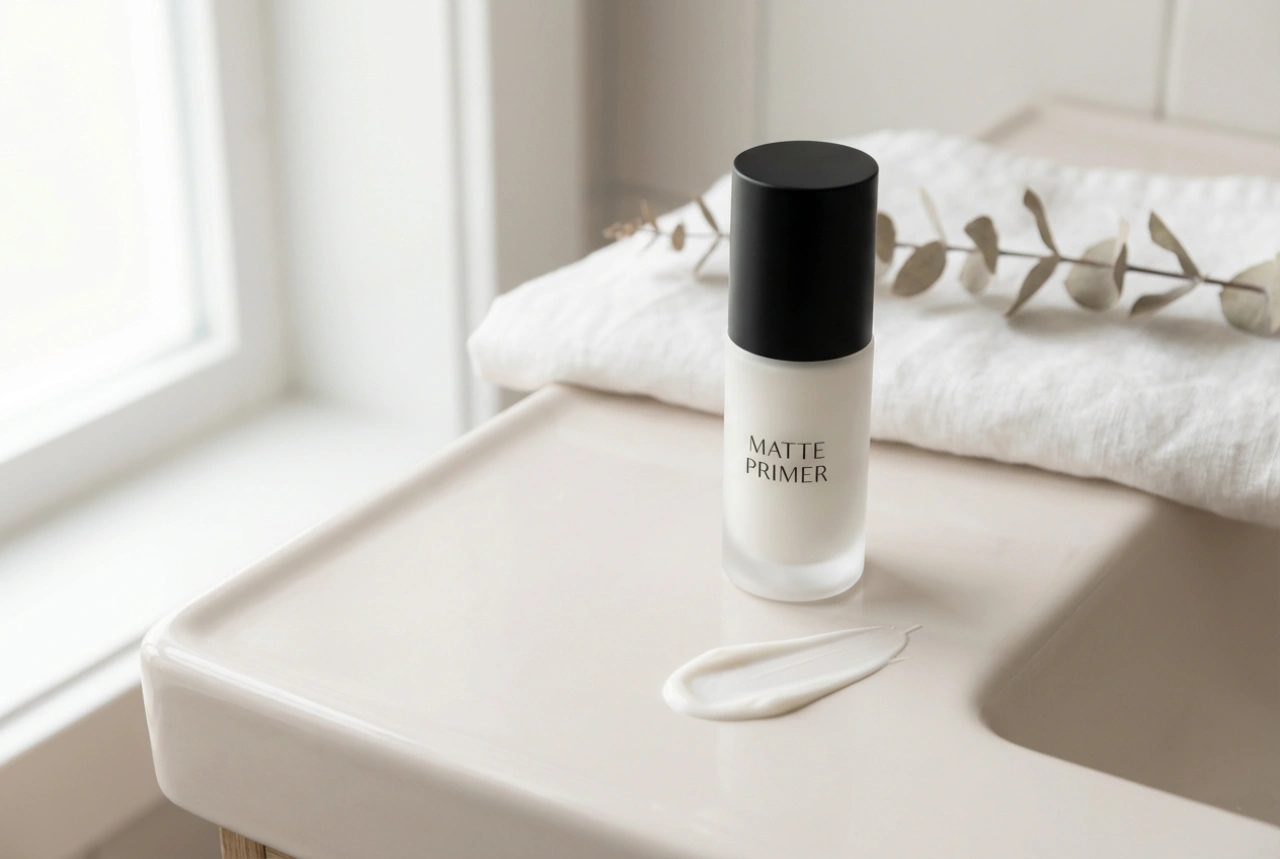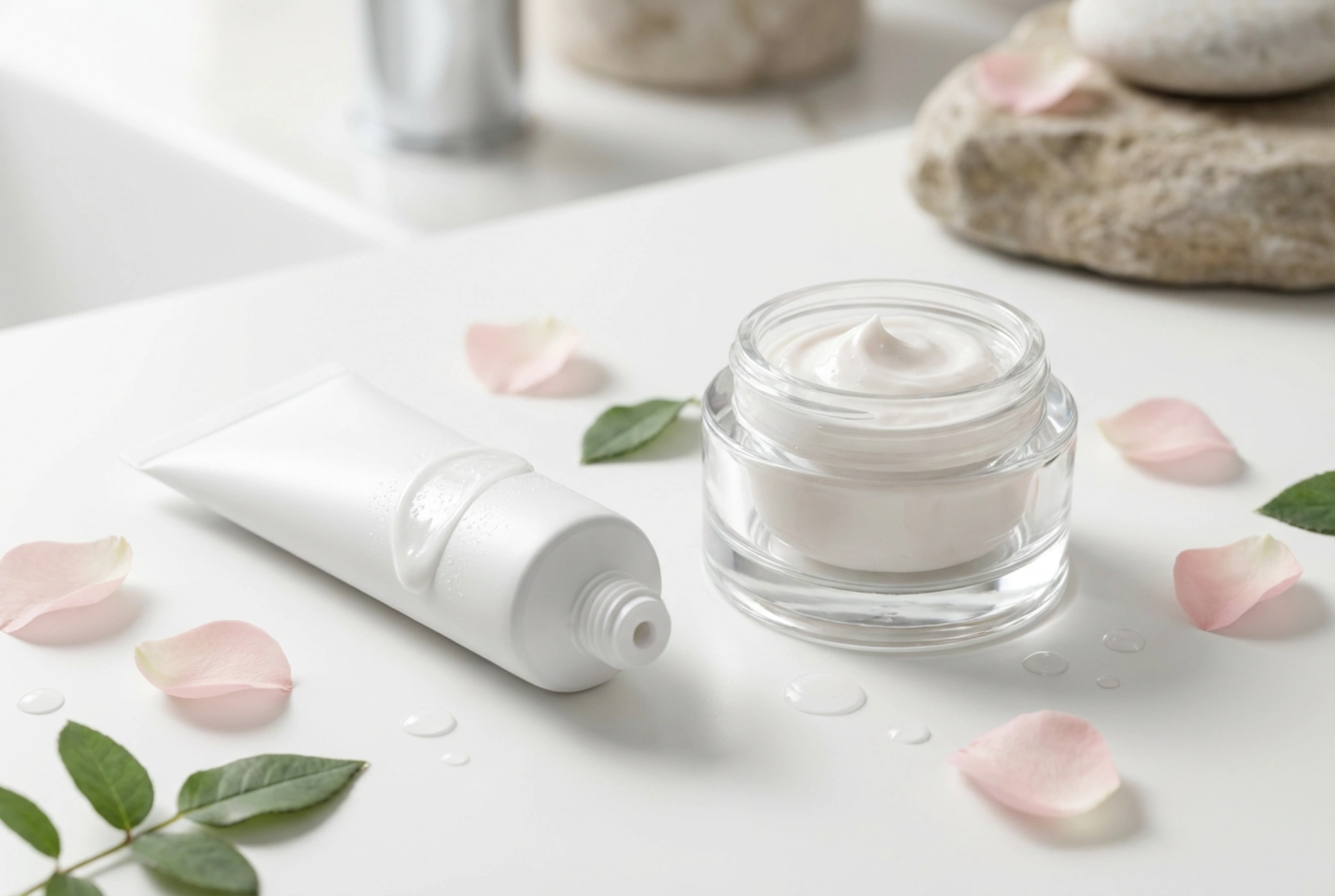


Achieving a flawless and long-lasting makeup application begins long before you reach for your foundation. Proper skin preparation is the key to a smooth, radiant finish, and a hydrating primer is a star player in this process. Paired correctly with your daily moisturiser, it can transform the way your makeup looks and wears throughout the day, creating a perfectly prepped canvas as suggested by the clean aesthetic of well-chosen skincare and makeup prep products.
What is a Hydrating Makeup Primer?
A hydrating makeup primer is a preparatory product applied after skincare and before makeup. Its primary function is to create a smooth, moisturised barrier between your skin and your foundation. Unlike mattifying or pore-filling primers, which focus on oil control and texture blurring, a hydrating primer is specifically formulated to boost moisture levels. It often contains humectant ingredients that attract water to the skin, helping to combat dryness and prevent makeup from looking cakey or settling into fine lines. The result is a plumper, dewier complexion that looks fresh and healthy.
Key Benefits of Using a Hydrating Primer:
- Enhanced Makeup Longevity: By creating an even base, it helps your makeup adhere better and last longer.
- Smooth Application: It fills in minor texture irregularities and prevents foundation from clinging to dry patches.
- Radiant Finish: It imparts a natural-looking glow, perfect for achieving a dewy makeup look.
- Added Comfort: It provides an extra layer of moisture, keeping the skin feeling comfortable and hydrated under makeup.
When Should You Use a Hydrating Primer?
While anyone can benefit from a boost of hydration, a hydrating primer is particularly useful for certain skin types and situations. Understanding when to reach for it can elevate your makeup routine significantly.
Ideal for Specific Skin Types:
- Dry Skin: This is the most obvious candidate. A hydrating primer provides much-needed moisture and prevents foundation from emphasising dryness.
- Dehydrated Skin: Skin can be oily and dehydrated at the same time. A hydrating primer helps restore water balance without adding excess oil.
- Mature Skin: As skin ages, it naturally becomes drier. A hydrating primer can help to create a more youthful, supple appearance and prevent makeup from settling into wrinkles.
- Combination Skin: If you have dry cheeks but an oily T-zone, you can apply a hydrating primer only to the drier areas of your face.
It is also particularly beneficial during colder months or in dry climates when the air can strip moisture from the skin, leaving it feeling tight and looking lacklustre.
How to Correctly Combine Primer with Your Face Cream
The order and technique of application are crucial for getting the best results from your hydrating primer and moisturiser. Using them incorrectly can lead to pilling (when products ball up on the skin) and diminish the effectiveness of both.
The Step-by-Step Application Guide
Step 1: Start with a Clean Base
Always begin your routine by cleansing your face thoroughly to remove any impurities, oil, or leftover product from the night before. Follow with a toner or essence if that is part of your usual regimen.
Step 2: Apply Your Moisturiser
Your moisturiser is a skincare step, not a makeup step. Apply your preferred daily face cream to your entire face and neck. This step is non-negotiable, as its purpose is to deliver long-term hydration and nourishment to your skin. A primer is not a substitute for a good moisturiser.
Step 3: Wait for Full Absorption
This is the most critical step. You must wait for your moisturiser to fully absorb into the skin before moving on. This can take anywhere from one to five minutes, depending on the product's texture. If your skin still feels wet or slick to the touch, your primer will not apply smoothly. Patience here is the key to preventing pilling.
Step 4: Apply the Hydrating Primer
Once your face cream has been absorbed, dispense a pea-sized amount of hydrating primer onto your fingertips. Gently smooth it over your face, focusing on areas that tend to get dry or where you want an extra glow. You don't need to rub it in vigorously; a light, even layer is sufficient. Let the primer set for about a minute before proceeding with your foundation.
Common Mistakes to Avoid
To ensure your skin prep is effective, be mindful of these common errors. Firstly, avoid using too much product. A thick layer of moisturiser followed by a thick layer of primer will almost certainly lead to a heavy feel and pilling. Secondly, never skip the waiting time between applying cream and primer. This is the main culprit behind makeup not sitting well on the skin. Finally, remember that a hydrating primer supports your skincare but doesn't replace it. Always use a daily moisturiser suitable for your skin type to maintain its health and hydration levels in the long run.