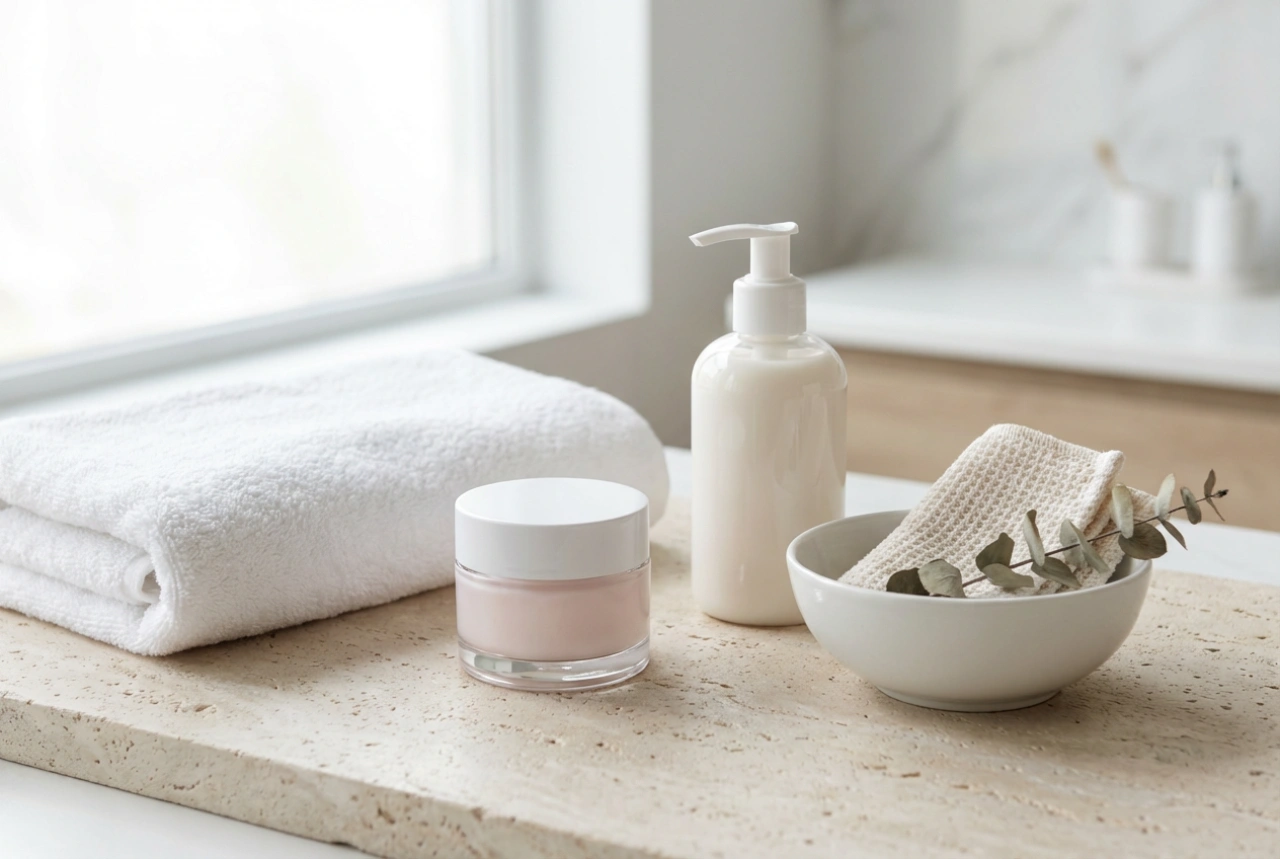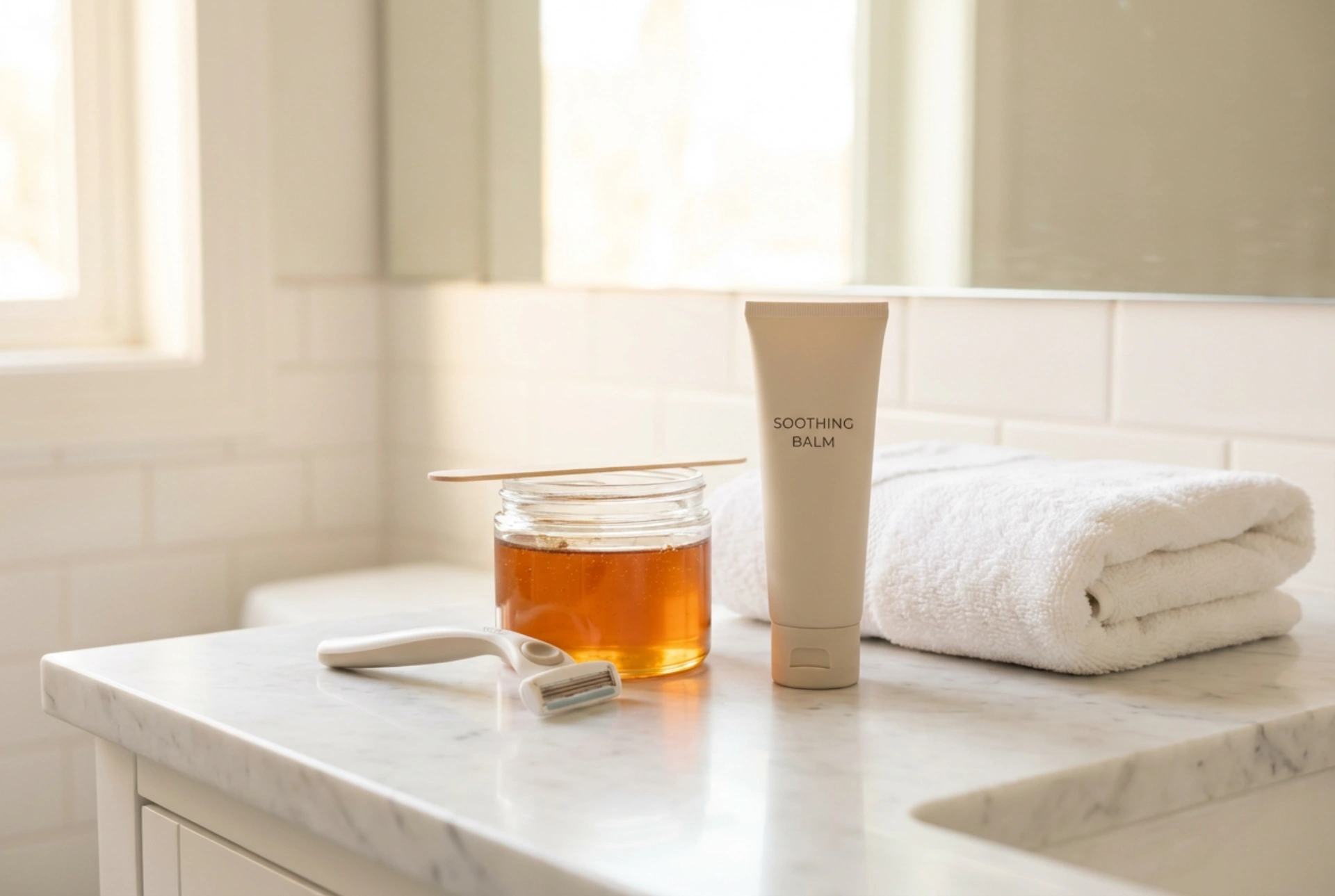


Achieving a smooth, comfortable bikini line from the privacy of your own home is an attainable goal with the right knowledge and tools. Creating a calm, clean space, much like a pristine bathroom countertop with your chosen depilation products neatly arranged, sets the stage for a successful and gentle beauty ritual. Understanding the different methods, how to prepare your skin, and what to do afterwards is key to avoiding irritation and achieving the best possible results. This guide will walk you through everything you need to know for effective at-home bikini hair removal.
Preparing Your Skin for Hair Removal
Proper preparation is the foundation of a successful hair removal session. Skipping this step can lead to discomfort, irritation, and less effective results. Before you begin, take a few moments to get your skin ready. Start by cleansing the bikini area with a mild, fragrance-free wash and warm water to remove any sweat, oil, or bacteria. Pat the area completely dry with a clean towel. For methods like shaving or waxing, gentle exfoliation 24 to 48 hours prior is highly recommended. Use a soft scrub or a washcloth to slough away dead skin cells, which helps to release any trapped hairs and allows for a closer shave or a better grip for the wax. On the day of hair removal, ensure the skin is free of any lotions, oils, or deodorants, as these can interfere with the products' effectiveness.
Popular At-Home Bikini Hair Removal Methods
There are several ways to manage bikini hair at home, each with its own set of benefits and considerations. The best choice for you depends on your pain tolerance, skin sensitivity, and how long you want the results to last.
Shaving
Shaving is one of the most common, quickest, and most affordable methods. It is generally painless and can be done in minutes. However, the results are short-lived, often lasting only a day or two, and there is a risk of nicks, cuts, and razor burn if not done correctly. To minimise these risks, always use a sharp, clean razor with multiple blades. Apply a generous amount of moisturising shaving cream or gel to help the razor glide smoothly. Shave in the direction of hair growth to reduce irritation, and rinse the blade frequently. For a closer shave, you can carefully re-lather and shave against the growth, but be mindful of your skin's sensitivity.
Waxing
Waxing removes hair from the root, providing longer-lasting smoothness for several weeks. You can use pre-made wax strips or soft/hard wax that needs to be heated. The main drawback is the pain, especially for beginners. For wax to be effective, your hair needs to be about a quarter of an inch long. Always perform a patch test on a small area first to check for any adverse reactions. When applying the wax, do so in the direction of hair growth. When it's time to remove it, hold the skin taut with one hand and pull the strip or wax off quickly in the opposite direction of hair growth. Never wax the same spot more than once during a session, as this can severely irritate or damage the skin.
Depilatory Creams
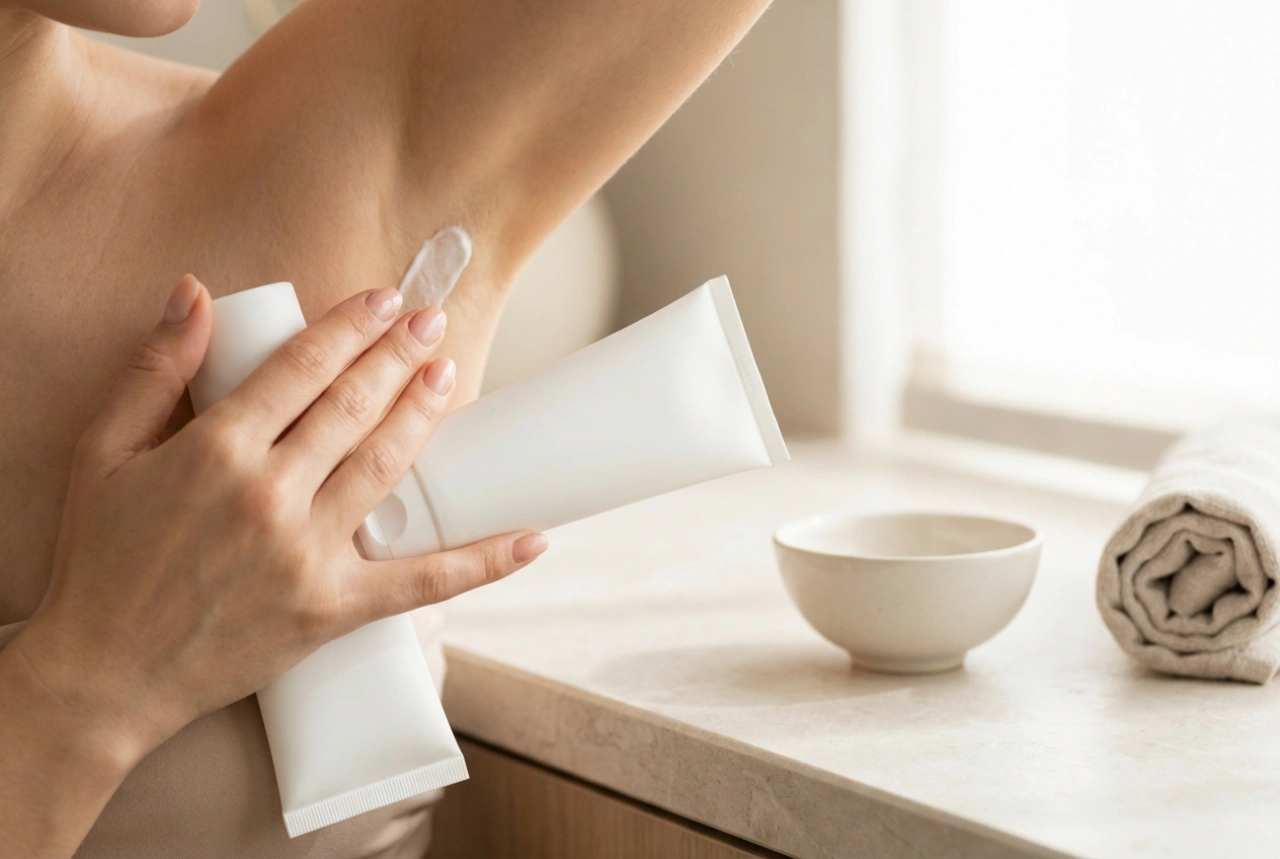
Depilatory creams offer a painless alternative to shaving and waxing. These creams use chemicals to dissolve hair at the skin's surface. Application is simple: you spread the cream over the area, wait for the specified time (usually 5-10 minutes), and then wipe or rinse it away along with the dissolved hair. The results last longer than shaving but not as long as waxing. The main considerations are the strong chemical smell and the potential for skin sensitivity or allergic reactions. It is absolutely essential to perform a patch test 24 hours before using a depilatory cream on your entire bikini area. Never leave the cream on for longer than the instructions recommend, as this can cause chemical burns.
Aftercare: Soothing the Skin and Preventing Irritation
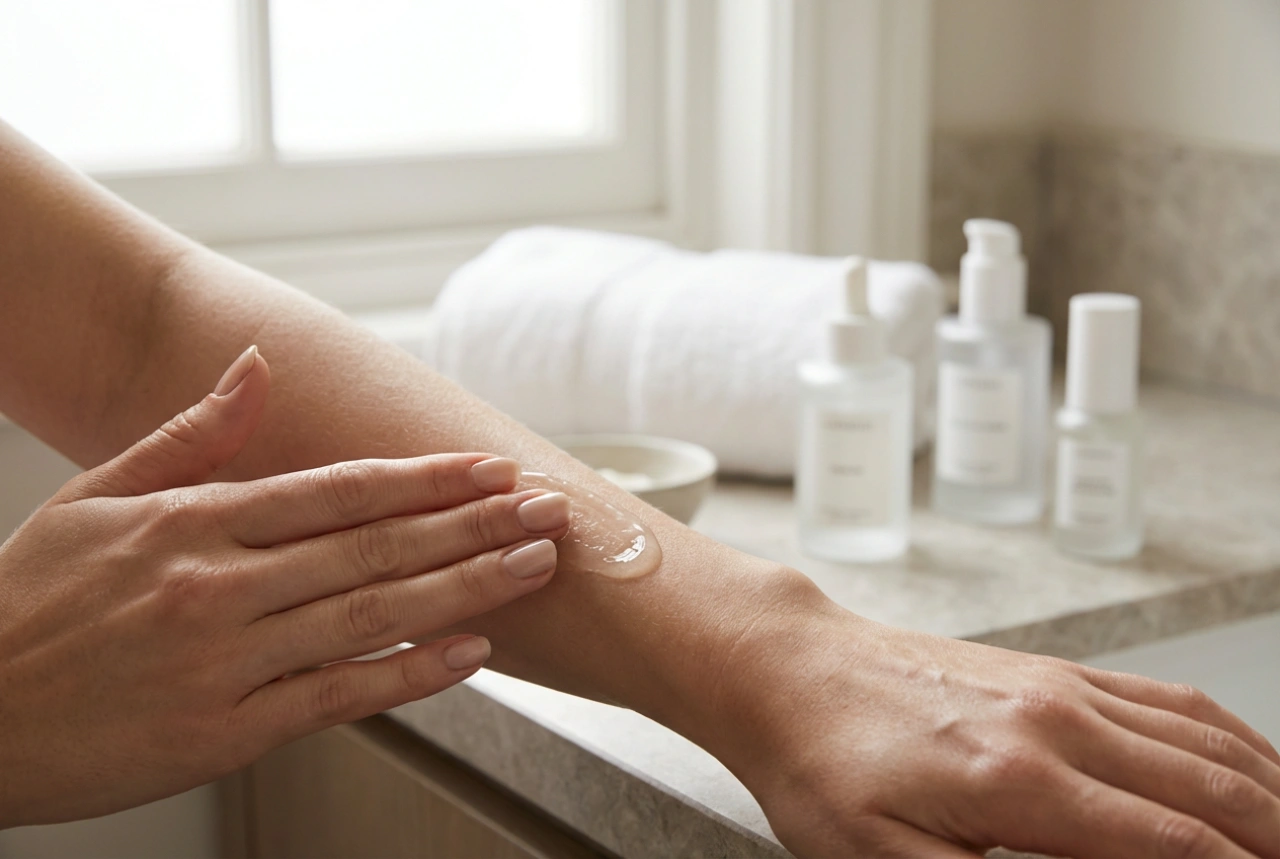
What you do after hair removal is just as important as the process itself. Proper aftercare helps to calm the skin, prevent bumps, and maintain smoothness. Immediately after, rinse the area with cool water and gently pat it dry with a soft towel. Apply a soothing, alcohol-free, and fragrance-free moisturiser, aloe vera gel, or a specialised post-depilation oil to hydrate and calm the skin. For the next 24-48 hours, wear loose-fitting cotton underwear and avoid tight clothing that can cause friction. It's also wise to steer clear of hot baths, saunas, swimming in chlorinated pools, and intense exercise, as sweat and heat can further irritate freshly treated skin. A few days later, you can resume gentle exfoliation two to three times a week to help prevent ingrown hairs.
Common Mistakes to Avoid
Even with the best intentions, it's easy to make small mistakes that lead to unwanted redness, bumps, or ingrown hairs. Being aware of these common pitfalls can help you achieve a flawless finish every time.
- Using a dull or dirty razor, which can drag against the skin and harbour bacteria.
- Forgetting to perform a patch test for new waxes or depilatory creams.
- Waxing hair that is too short or too long, which makes the process less effective and more painful.
- Applying wax or depilatory cream to irritated, sunburnt, or broken skin.
- Pulling a wax strip off too slowly or in the wrong direction.
- Exfoliating the skin immediately before or after hair removal, which can cause over-irritation.
- Applying products containing alcohol or fragrance to the area right after treatment.
- Wearing tight, synthetic clothing immediately after hair removal.