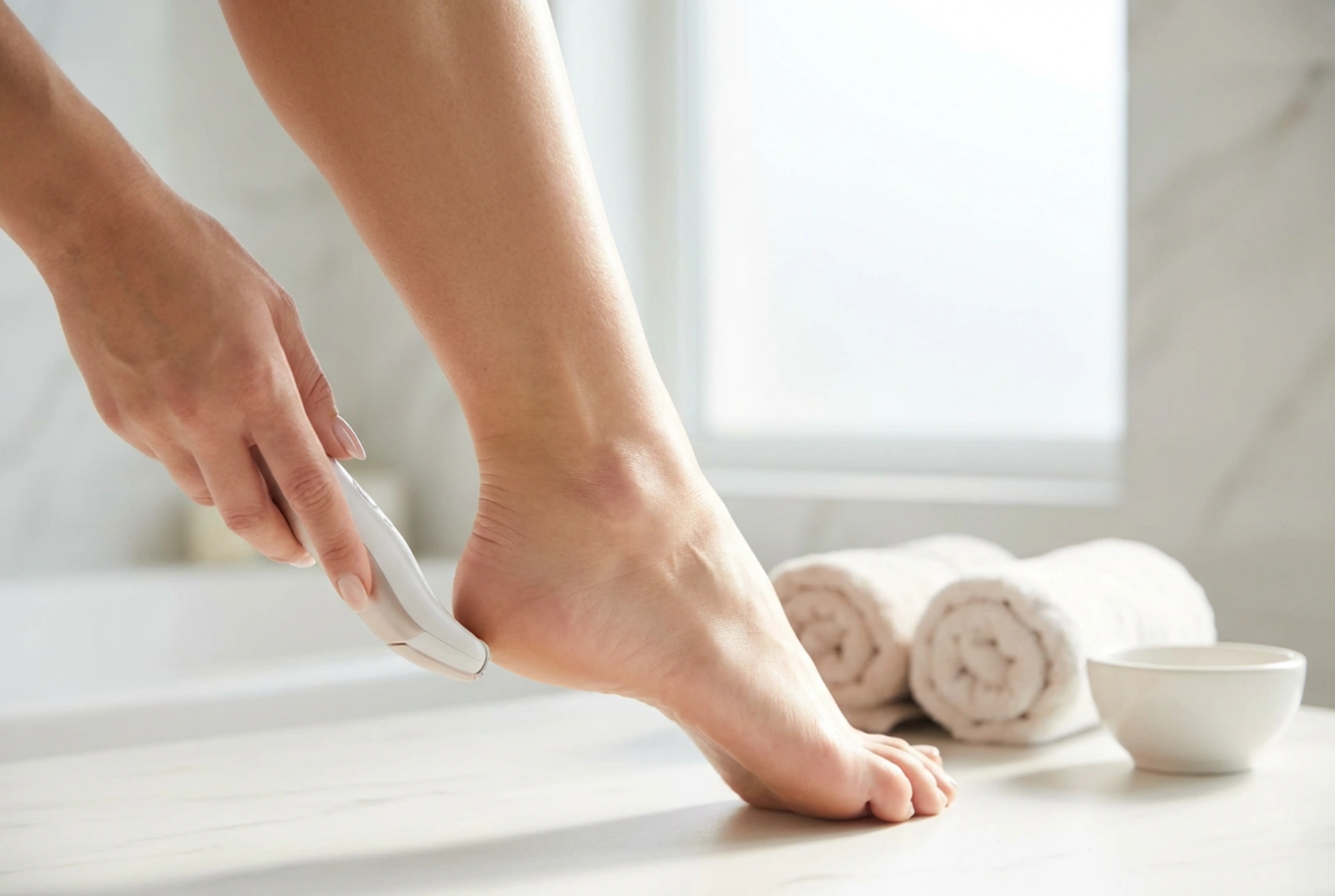


Achieving beautifully smooth and soft heels is a common goal in any foot care routine. Well-cared-for feet not only look appealing but also contribute to a feeling of overall comfort and wellbeing. While there are many ways to address rough skin and calluses, an electric foot file has become a popular tool for at-home pedicures. This device can effectively remove hardened skin, leaving your heels feeling silky and renewed. However, to get the best results and avoid irritation, it is crucial to understand how to use it correctly and safely.
What is an Electric Foot File?
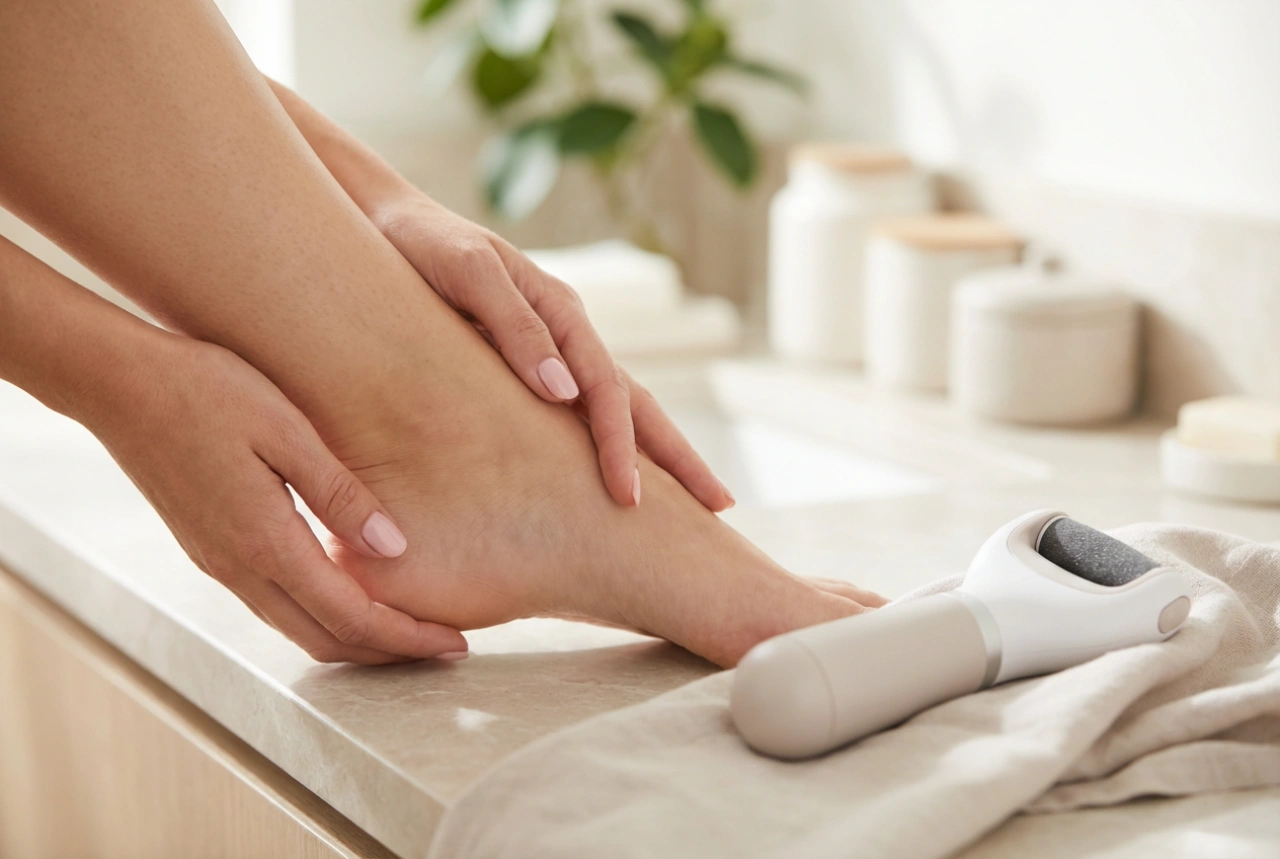
An electric foot file, also known as an electric callus remover, is a handheld device designed to gently buff away hard, dead skin from the feet. It typically features a rotating head covered in an abrasive material, similar to a very fine sandpaper. These heads, or rollers, come in various levels of coarseness, allowing you to tailor the treatment to the specific needs of your skin. The device works through mechanical exfoliation, spinning at a high speed to gradually wear down layers of thickened skin without the need for vigorous manual scrubbing. It offers a more controlled and often quicker alternative to traditional manual files or pumice stones.
Preparing Your Feet for the Treatment
Proper preparation is key to a successful and safe experience with an electric foot file. Unlike many manual methods that require soaking the feet first, most electric files are designed to be used on completely dry skin. Filing on dry skin allows the device to work more efficiently, as it can better grip and remove the hardened layers without getting clogged by damp skin. It also gives you a more accurate sense of how much skin is being removed.
Before you begin:
- Ensure your feet are clean and thoroughly dried. Any moisture can hinder the process and reduce the device's effectiveness.
- Find a comfortable, well-lit place to sit where you can easily reach your feet.
- It's a good idea to place a towel underneath your feet to catch the fine dust of exfoliated skin, making cleanup easier.
- Examine your feet to identify the specific areas of hardened skin or calluses that you want to target.
A Step-by-Step Guide to Safe Usage
Using an electric foot file is straightforward, but a gentle and patient approach is essential to prevent over-exfoliation or irritation. Let the tool do the work for you and avoid applying excessive pressure.
- Select the right roller head: Start with a coarser roller if you have very thick calluses, or a standard roller for general roughness. If you have sensitive skin, always begin with the finest grain available.
- Turn on the device: Gently press the spinning roller head against the area of hard skin. There is no need to push down hard; light contact is sufficient.
- Keep it moving: Do not hold the file in one spot for more than a few seconds. Instead, glide it slowly and continuously over the entire callused area. This ensures even removal and prevents heat buildup, which could cause discomfort.
- Check your progress often: Work in short intervals. Stop every 30 seconds or so to feel the skin and see how much has been removed. The goal is to remove the tough, lifeless top layer, not the healthy, soft skin beneath.
- Refine the surface: Once the majority of the hard skin is gone, you might want to switch to a finer roller head to smooth and polish the skin for a silky finish.
- Listen to your skin: If you experience any pain, redness, or sensitivity, stop immediately. Over-filing can damage the skin's protective barrier.
Aftercare for Long-Lasting Smoothness
What you do after filing is just as important as the filing itself. Proper aftercare will soothe the skin and help maintain your results for longer.
First, rinse your feet with lukewarm water to wash away any skin dust, then pat them completely dry with a soft towel. Immediately afterwards, apply a generous amount of a rich, hydrating foot cream or balm. Look for products containing ingredients like urea, glycerin, shea butter, or hyaluronic acid, as these are excellent for deeply moisturising and softening the skin. Massaging the cream into your heels and the rest of your feet will also improve circulation. For an intensive overnight treatment, apply a thick layer of cream and wear a pair of cotton socks to bed. Regular, daily moisturising is the most effective way to prevent hard skin from building up again quickly.