

The quest for a flawless makeup finish often focuses on foundation, but the secret to a truly smooth, long-lasting look lies in the preparation. A beautifully even complexion, where makeup glides on effortlessly without settling into fine lines or highlighting pores, starts with the perfect base. This is where a smoothing makeup primer comes in, acting as the essential bridge between your skincare and your makeup, creating a pristine canvas for everything that follows.
What Exactly is a Smoothing Makeup Primer?
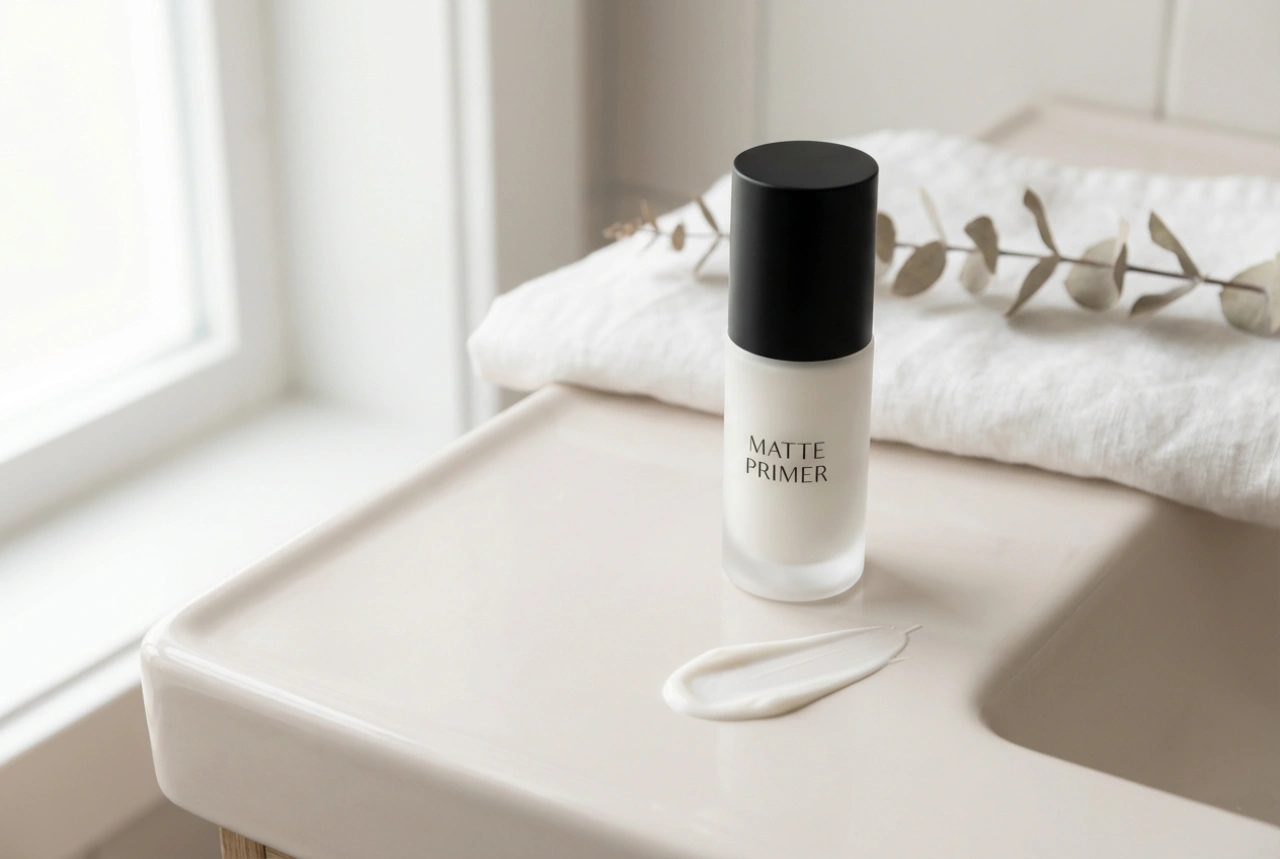
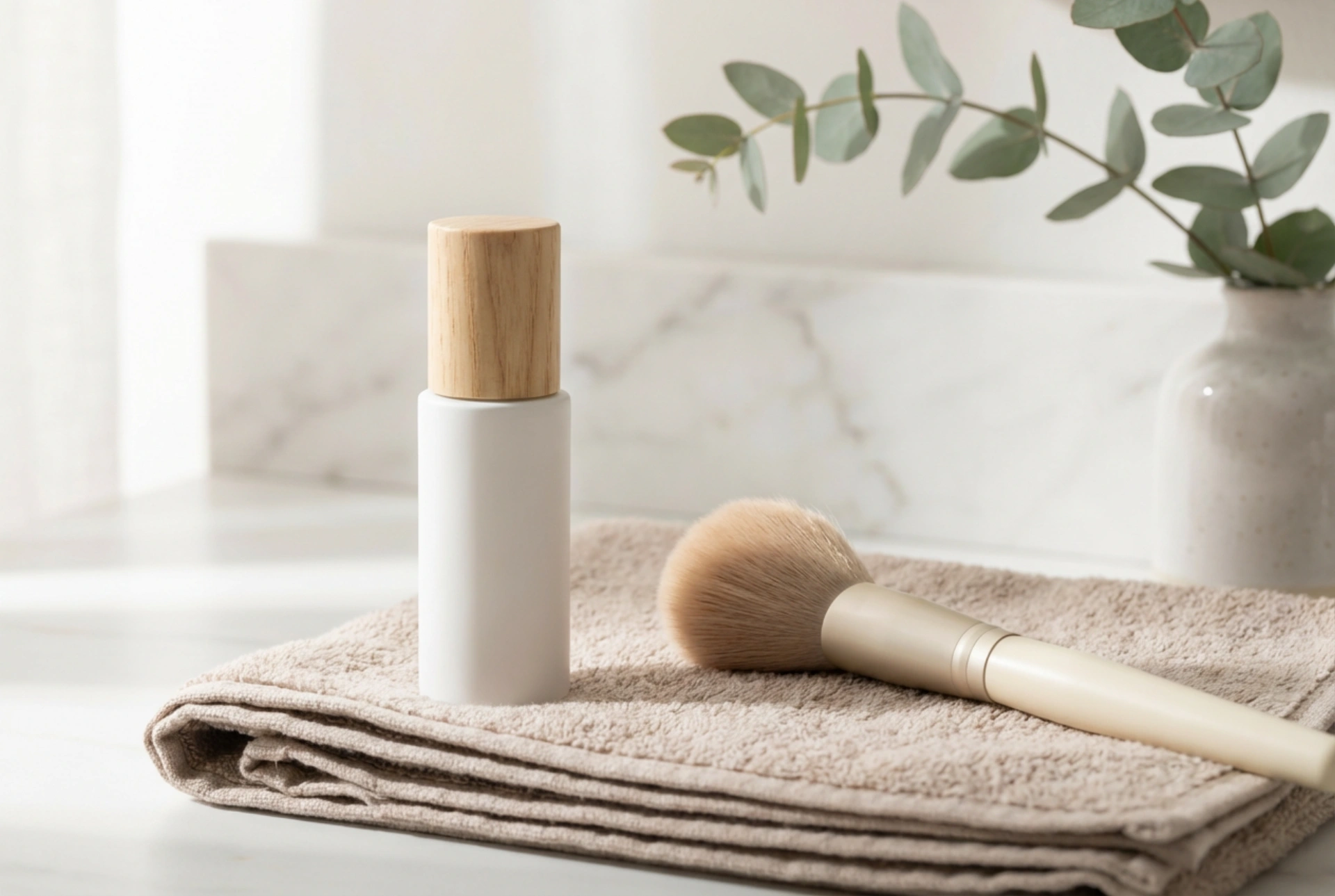
A makeup primer is a preparatory product applied after your moisturiser and before your foundation. Its main purpose is to create an ideal surface for makeup application. A smoothing primer, specifically, is formulated to address textural irregularities on the skin. It works by filling in minor imperfections such as fine lines, wrinkles, and enlarged pores, resulting in a visibly smoother and more uniform skin surface. Most smoothing primers have a silky, often silicone-based texture, which allows them to glide over the skin and create a soft-focus, blurring effect. This 'veil' not only perfects the skin's appearance but also forms a barrier that helps your makeup adhere better and last longer without shifting or fading.
Key Benefits of Using a Smoothing Primer
Integrating a smoothing primer into your routine offers a multitude of benefits that elevate your makeup from good to professional. It’s a simple step with a significant impact on the final result.
- Minimised Appearance of Pores: The primary appeal of a smoothing primer is its ability to optically blur and fill in enlarged pores. By creating a smooth layer over the skin, it prevents foundation from sinking into pores, which can otherwise make them appear more prominent.
- Flawless and Streak-Free Application: With a smoother canvas to work on, your foundation and concealer will blend much more easily and evenly. The primer provides 'grip' for your makeup, preventing it from streaking or becoming patchy during application.
- Enhanced Makeup Longevity: A primer acts as a durable base that holds your makeup in place for hours. It helps to control the interaction between your skin's natural oils and your foundation, preventing it from breaking down or sliding off throughout the day.
- A Velvety, Soft-Focus Finish: Many smoothing primers impart a soft, matte, or satin finish to the skin. This helps to control excess shine and gives your complexion a refined, velvety texture that looks beautiful both in person and in photographs.
Choosing the Right Primer for Your Skin Type
While most smoothing primers aim to create a uniform texture, choosing a formula tailored to your skin's specific needs will yield the best results. The right primer will address texture while also supporting your skin's underlying condition.
For Oily and Combination Skin
If you struggle with excess shine, look for a smoothing primer with mattifying properties. These are typically oil-free and formulated to absorb sebum, keeping your T-zone looking fresh and preventing your makeup from becoming greasy. A mattifying smoothing primer provides the double benefit of pore-blurring and shine control.
For Dry and Dehydrated Skin
For those with dry skin, the wrong primer can feel heavy or look cakey. Opt for a smoothing primer that also contains hydrating ingredients. These formulas will fill in texture without clinging to dry patches, providing a plump and moisturised base. Some even have a subtle illuminating quality to give dry skin a healthy-looking glow.
For Mature or Normal Skin
If your main concern is fine lines and general texture, a classic silicone-based smoothing primer is an excellent choice. It excels at creating a soft-focus effect that diminishes the look of wrinkles and creates a youthful, even base for foundation. For normal skin, this type of primer perfects the surface without adding unwanted oil or excessive hydration.
How to Apply a Smoothing Primer for Best Results
Application technique is just as important as the product itself. Follow these steps to ensure your primer performs at its best.
- Start with a Clean Base: Always begin with a freshly cleansed and moisturised face. Allow your moisturiser to absorb completely for at least five minutes before moving on to the primer.
- Use a Small Amount: A little goes a long way. Dispense a pea-sized amount onto the back of your hand. Using too much product can cause it to pill or make your foundation slide off.
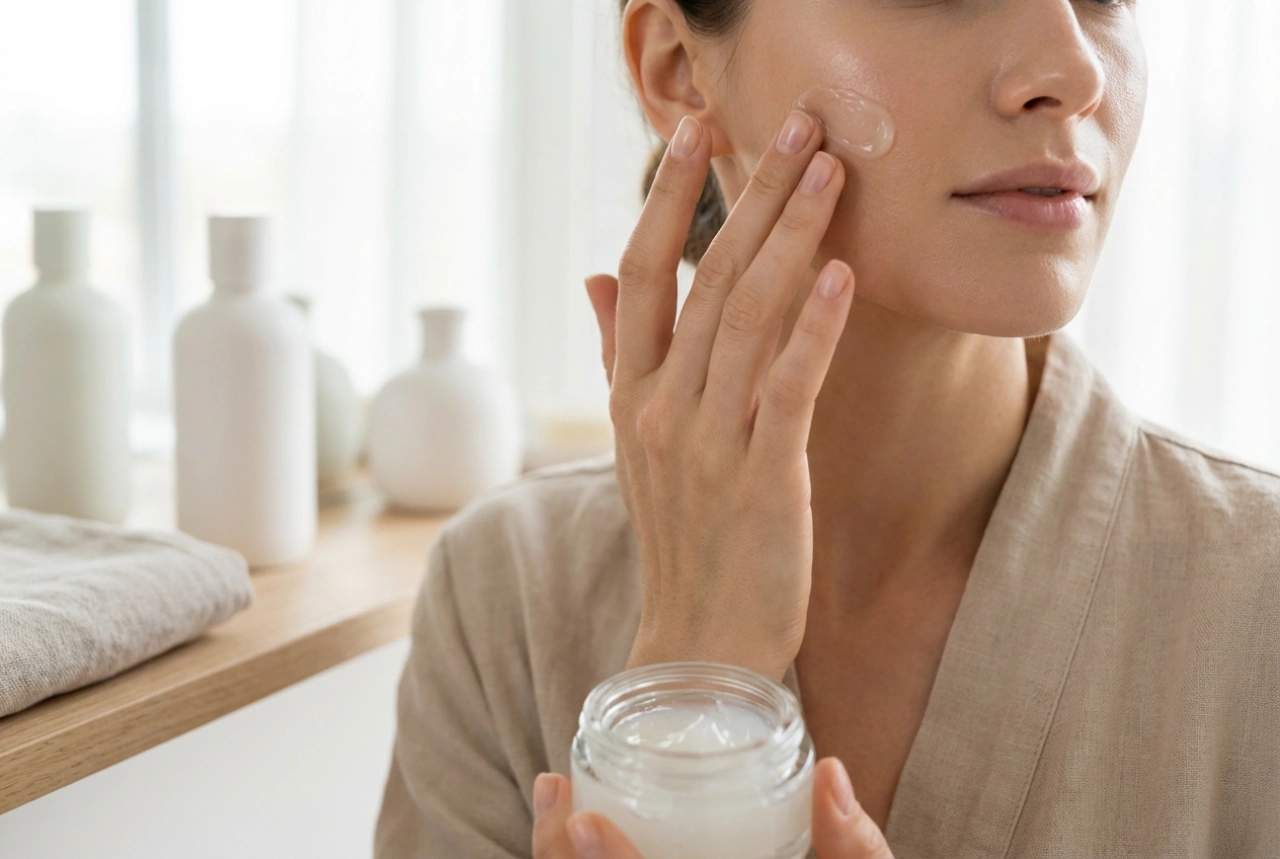
- Focus on Target Areas: Using your fingertips, gently pat and press the primer into the areas where you need it most – typically the T-zone, around the nose, and on the chin where pores are more visible. You can then lightly blend it outwards towards the rest of your face.
- Allow it to Set: This is a crucial step. Wait for one to two minutes after application to allow the primer to set and form a smooth film over the skin. Applying foundation immediately can disrupt this layer and reduce its effectiveness.
By understanding its function and applying it correctly, a smoothing primer can become an indispensable part of your beauty ritual. It is the key to unlocking a truly flawless, long-lasting makeup finish that looks professionally done every single time.