

Achieving a professional-looking manicure at home is easier than ever, thanks to advanced tools like electric nail files, also known as nail drills. The key to using these devices effectively and safely lies in understanding their most crucial components: the drill bits. These small, interchangeable heads come in a vast array of shapes, sizes, and materials, each designed for a specific task. From shaping the nail to cleaning the cuticle area, selecting the right bit is fundamental for a flawless and safe manicure experience. This guide will walk you through the different types of nail drill bits and their applications.
Understanding Nail Drill Bit Materials
Nail drill bits are crafted from various materials, each offering distinct properties suited to different tasks and skill levels. Knowing the difference is the first step in building your ideal toolkit.
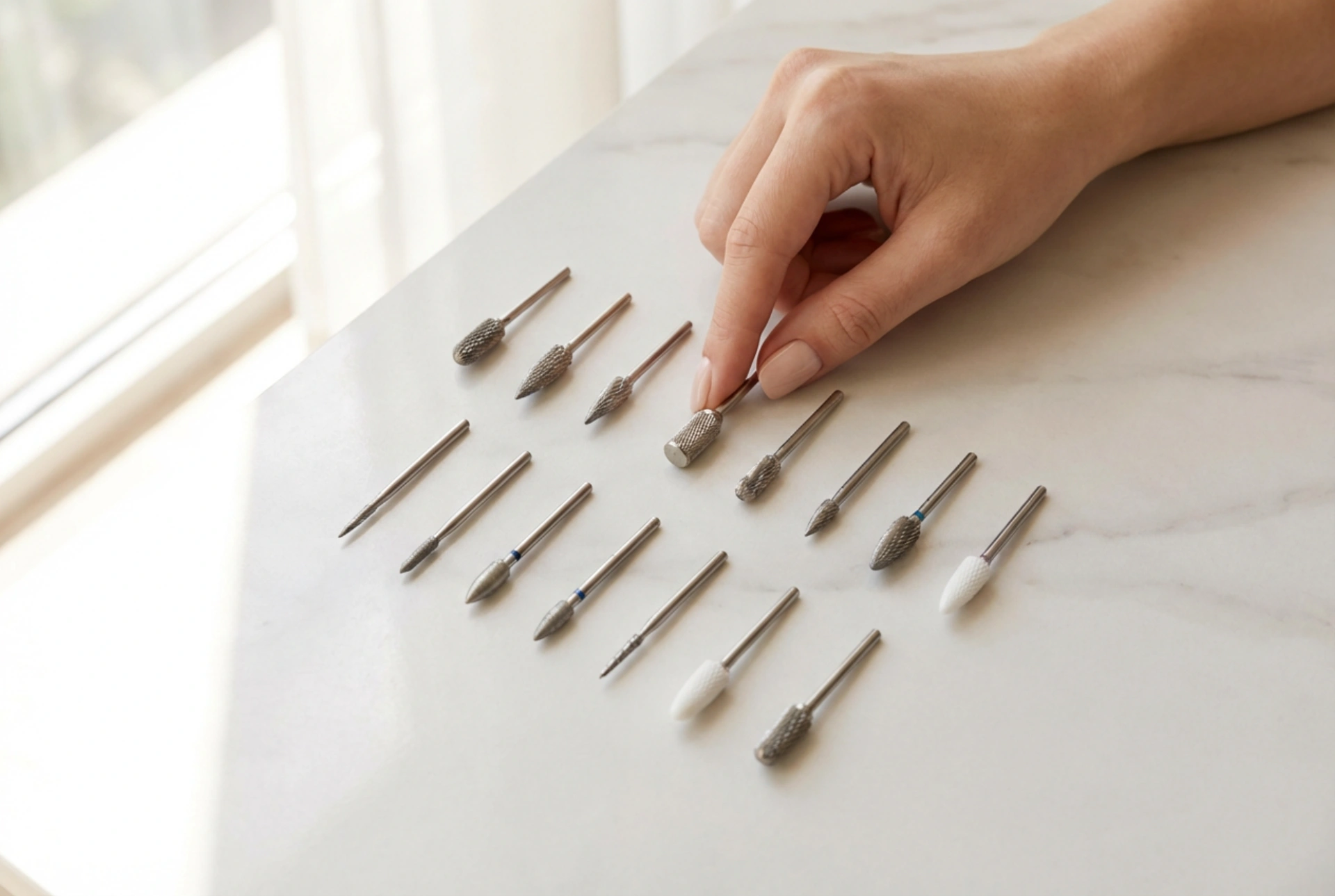
Carbide Bits
Carbide bits are made from a strong metal and are distinguished by their flute-like cuts. These cuts act like sharp blades to shave off product rather than scratching it away. They are highly durable and excellent for removing acrylic, hard gel, or gel polish quickly and efficiently. Due to their sharpness and efficiency, they are generally recommended for more experienced users who can work with a light and steady hand to avoid damaging the natural nail.
Ceramic Bits
Ceramic bits are known for their excellent heat dissipation, meaning they don't get as hot as metal bits during use. This makes the filing process more comfortable for the user. They are also long-lasting and corrosion-resistant. Ceramic bits are versatile and can be used for various tasks, including surface work, shortening nails, and removing product. Their gentler nature makes them a popular choice for both beginners and professionals.
Diamond Bits
Diamond bits are made by bonding fine diamond particles to a metal base. Instead of shaving product off, they work by scratching and grinding it away. This makes them ideal for more delicate and precise work. They are the go-to choice for cuticle care, such as cleaning the nail plate around the cuticles, lifting the eponychium, and buffing the natural nail. They can also be used for removing lifted product near the cuticle line without cutting the skin.
Mandrel Bits and Sanding Bands
A mandrel is a metal or rubber bit onto which a single-use sanding band is fitted. Sanding bands are essentially small sleeves of sandpaper and come in various grits (coarse, medium, fine). This system is used for surface work, shaping, and shortening both natural and artificial nails. Because the bands are disposable, they offer a hygienic solution for every manicure. It is crucial never to reuse sanding bands.
Common Drill Bit Shapes and Their Functions
The shape of a drill bit determines its specific function. While there are dozens of shapes available, a few key designs form the basis of most manicure and pedicure procedures.
- Barrel/Cylinder Bits: These flat-topped bits are perfect for working on the surface of the nail. They are used to shorten and shape the nail, as well as to remove product from the main nail plate. A variation called the 'safety bit' has a rounded top to prevent cutting the skin, making it a great option for beginners.
- Cone Bits: The tapered shape of a cone bit makes it very versatile. It can be used for cleaning under the nail, shaping the sidewalls, and performing cuticle work. The slender tip allows for precision in tight areas.
- Flame/Needle Bits: These bits are thin and often have a pointed tip, resembling a flame or needle. Their primary use is for delicate cuticle work, such as lifting the non-living tissue of the eponychium off the nail plate and cleaning around the sidewalls. They require a very gentle touch.
- Ball Bits: As the name suggests, these have a small, round head. They are used for cleaning and tidying the cuticle area, specifically for removing dead skin or tidying hangnails around the nail fold. They come in various sizes for different nail types.
Choosing and Maintaining Your Drill Bits
Building a collection of drill bits should be a gradual process based on your needs and skill level. For a beginner, a basic starter set might include a safety barrel bit for surface work, a small cone for the cuticle area, and a mandrel with sanding bands. As you become more comfortable, you can add more specialised bits to your collection.
Cleaning and Hygiene
Proper cleaning and disinfection of your drill bits are non-negotiable for a safe manicure. After each use, you should remove any dust and debris with a stiff brush. Then, wash the bits with soap and water before immersing them in a cosmetic tool disinfectant solution for the recommended time. Finally, allow them to air dry completely before storing them in a clean, closed container. This prevents the transfer of impurities and ensures your tools are always ready for safe use.