

The pursuit of smooth, soft skin is a common element of many self-care routines. While areas like legs and underarms are frequently discussed, achieving that same smoothness on less accessible parts of the body, such as the buttocks, can seem more challenging. Deciding to remove hair from this area is a purely personal preference, and if it's your choice, there are several safe and effective home methods you can use to achieve the desired result and feel confident in your skin.
Preparation is Key for a Flawless Result
Proper preparation is the most important step to ensure effective hair removal and minimise the risk of irritation or ingrown hairs. Before you begin, take a few moments to get your skin ready. Start by cleansing the area with a mild, fragrance-free body wash and warm water to remove any impurities. A day or two before you plan to remove hair, gently exfoliate the skin on and around your buttocks. Use a soft body scrub or an exfoliating mitt in circular motions to slough away dead skin cells. This simple action helps to free any trapped hairs and creates a smoother surface, which can lead to a closer and more even result.
Choosing Your At-Home Hair Removal Method
There are several methods you can use at home, each with its own advantages and considerations. The best choice for you will depend on your skin's sensitivity, your pain tolerance, and how long you want the results to last.
Shaving
Shaving is one of the quickest and most straightforward methods. For best results, always use a new, sharp razor blade, as a dull blade can cause nicks and irritation. Apply a generous amount of shaving cream or gel to help the razor glide smoothly over the skin. To reduce the risk of razor burn and ingrown hairs, try to shave in the direction of hair growth. While convenient, the main drawback of shaving is that regrowth is fast, often appearing within a day or two, and can feel stubbly.
Depilatory Creams
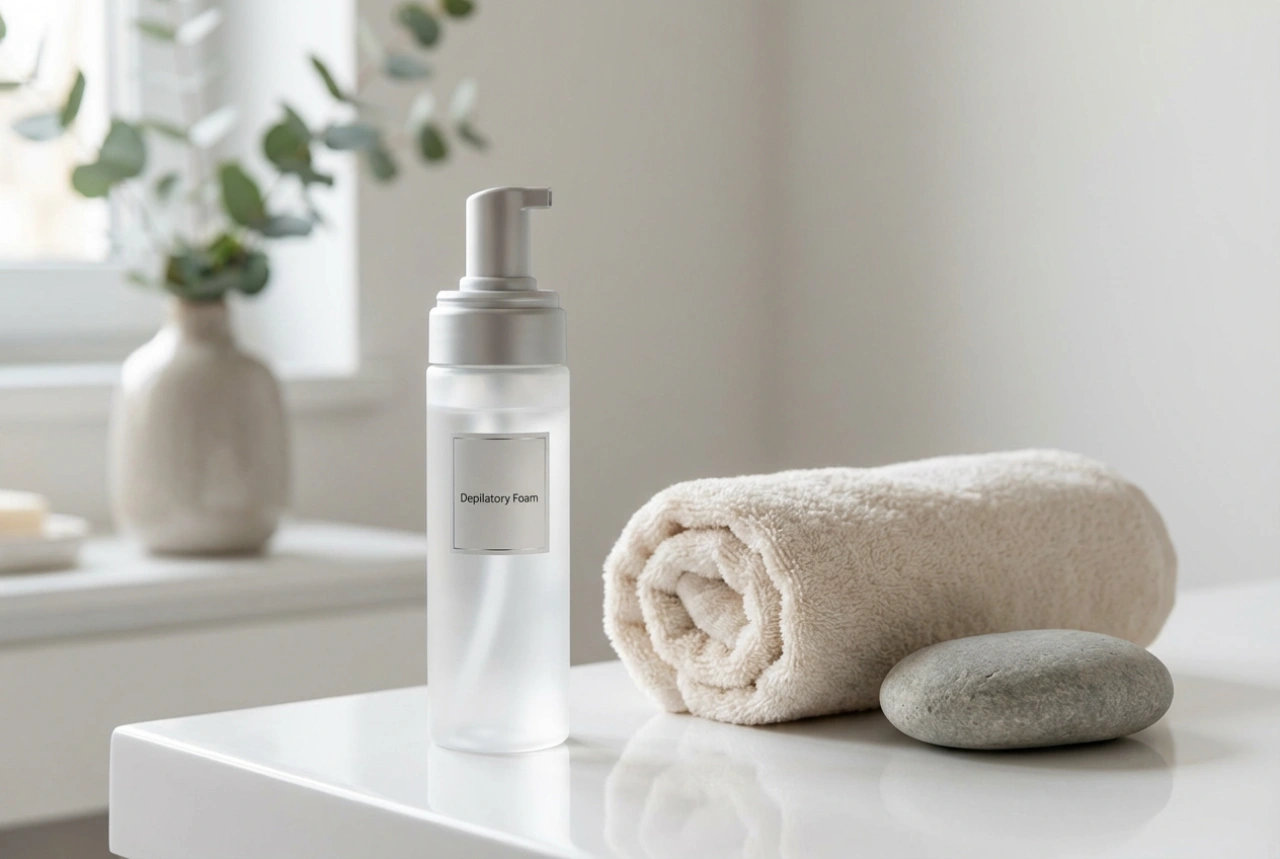
These creams work by chemically dissolving the hair just below the surface of the skin, often resulting in a smoother finish and slightly slower regrowth compared to shaving. However, the chemicals can be harsh on sensitive skin. It is absolutely essential to perform a patch test on a small, inconspicuous area at least 24-48 hours before applying the cream to the entire area. This will help you check for any potential allergic reactions or irritation. When using the cream, follow the package instructions precisely and never leave it on for longer than recommended.
At-Home Waxing
Waxing pulls the hair out from the root, providing the longest-lasting results of any home method, with skin staying smooth for several weeks. You can use pre-made wax strips, which are less messy and easier to handle. Warm a strip between your hands, apply it firmly in the direction of hair growth, and then swiftly pull it off in the opposite direction. This method can be uncomfortable, especially at first, and requires some practice to master, particularly in a less visible area.
Essential Aftercare for Smooth, Calm Skin
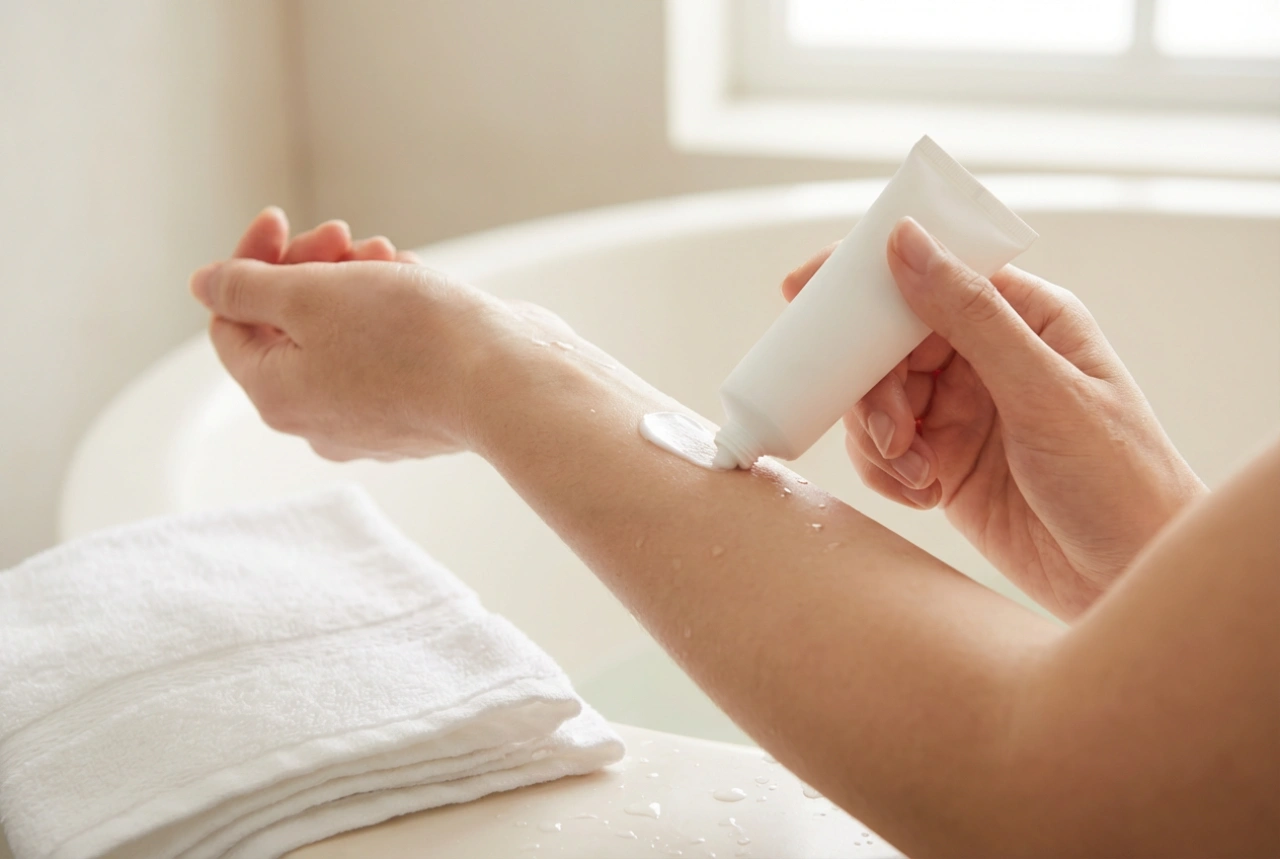
What you do after hair removal is just as important as the preparation. Immediately after shaving, waxing, or using a cream, rinse the area with cool water to help close the pores and pat it dry with a clean, soft towel. Apply a fragrance-free, soothing moisturiser or a calming lotion containing ingredients like aloe vera to hydrate the skin and reduce any redness. For the next 24 to 48 hours, it's best to wear loose-fitting, breathable cotton underwear and avoid tight clothing, intense exercise, hot baths, or saunas, as sweat and heat can irritate the freshly treated skin. A few days later, you can resume gentle exfoliation two to three times a week to help prevent the formation of ingrown hairs.
Tips for Hard-to-Reach Areas
Removing hair from the buttocks and the area between them can be tricky. To make the process easier and safer, use a handheld or floor mirror to get a clear view. Find a stable, comfortable position, such as standing and propping one leg up on the side of the bath or lying on your side on a towel on the floor. Work slowly and in small, manageable sections rather than trying to cover the whole area at once. Patience is crucial—rushing increases the risk of nicks, irritation, or an uneven finish.