

Achieving beautifully smooth and well-cared-for feet is a rewarding act of self-care. While often overlooked, our feet carry us through life and deserve dedicated attention. If you struggle with dry, rough, or cracked-prone skin on your heels, a consistent and well-structured routine is the key to transformation. Simply applying cream occasionally is not enough. The secret lies in a three-step approach that combines the softening power of a salt soak, the renewing effect of gentle exfoliation, and the deep nourishment of a rich moisturiser. This guide will walk you through creating an effective home ritual to restore softness and comfort to your feet.
The Foundation: The Soothing Power of a Foot Soak
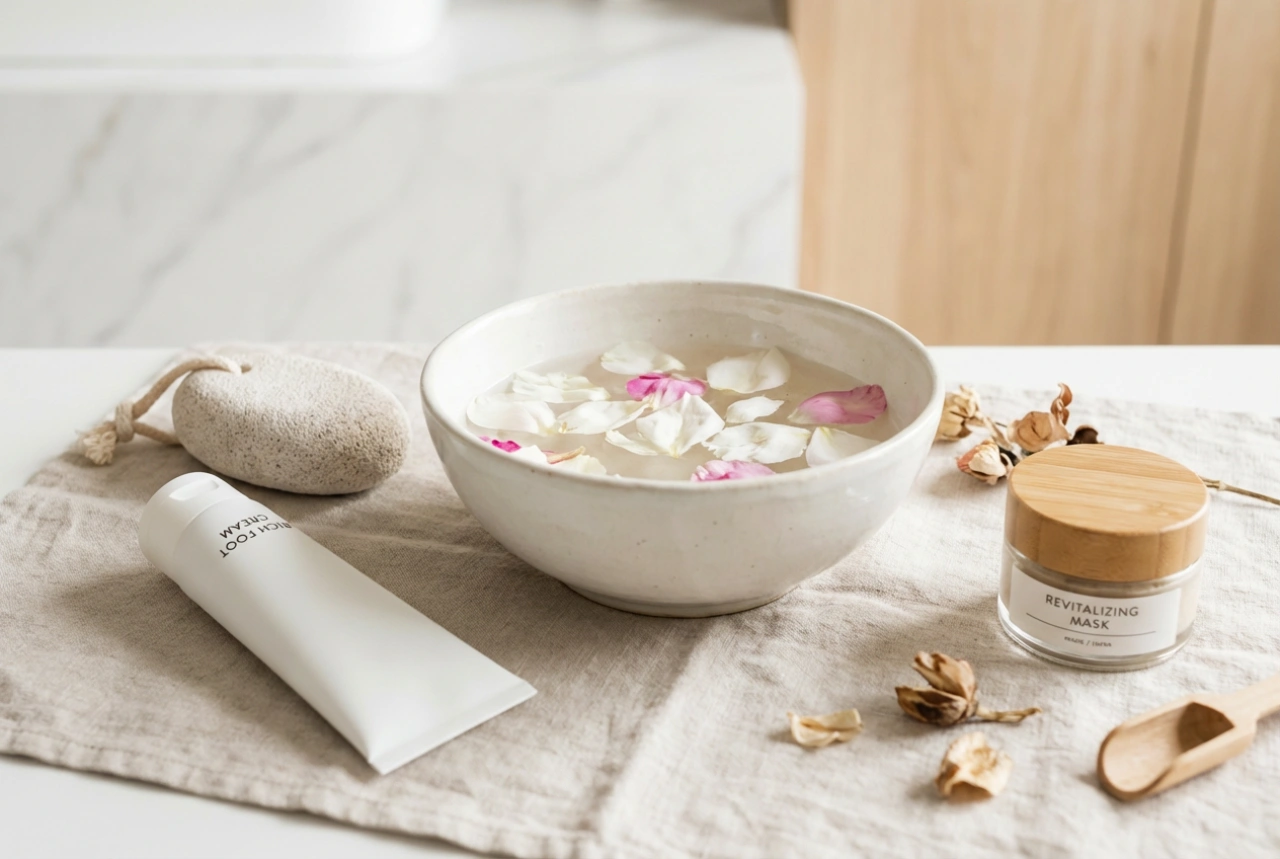
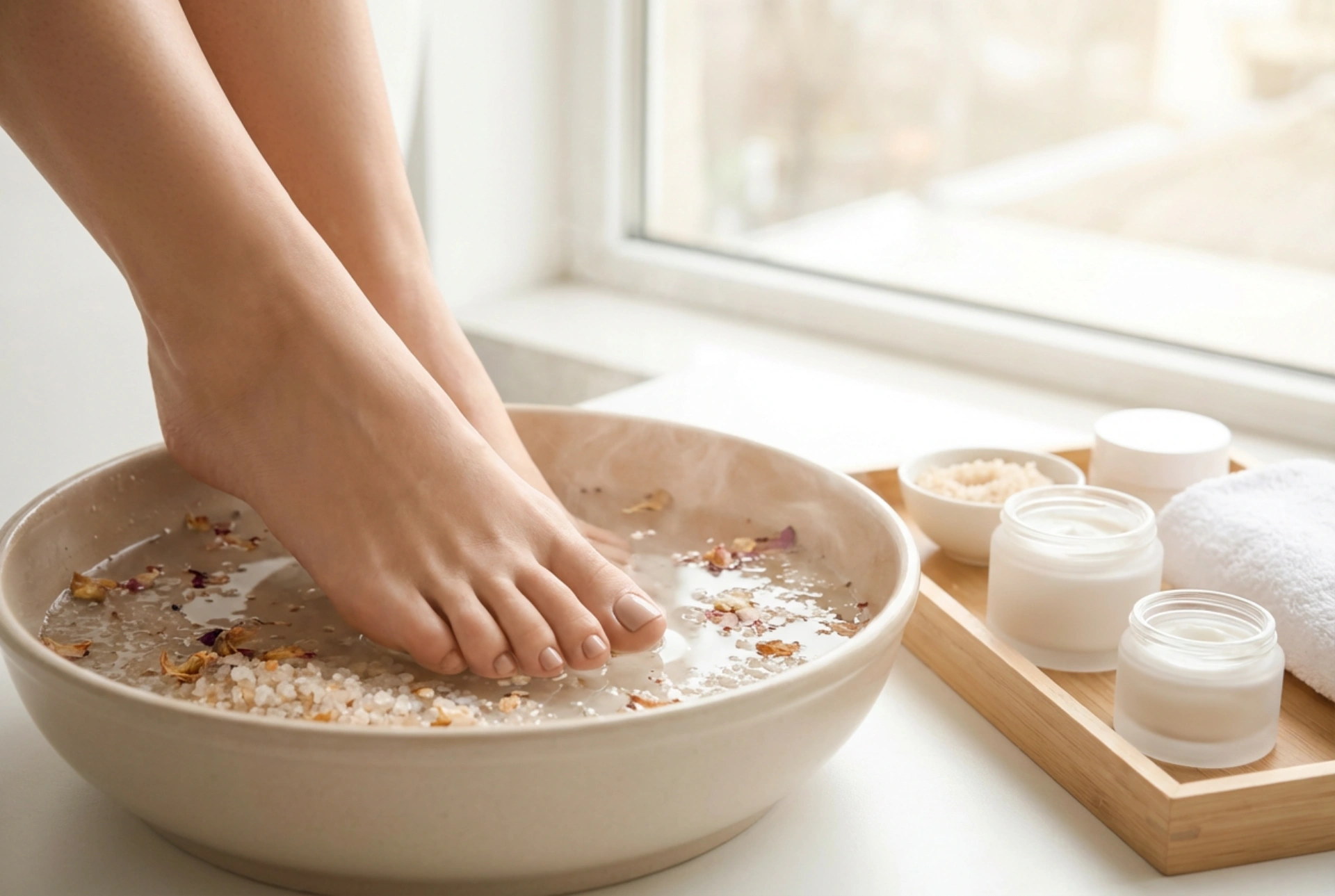
The first step towards softer feet is a warm, relaxing soak. This preparatory stage is crucial as it softens the tough, thickened skin on the soles and heels, making it much easier to remove dead skin cells in the next step. Soaking not only helps with skin preparation but also provides a moment of calm and relaxation. Adding salts to the water can enhance the benefits.
- Epsom Salt: Widely known for its soothing properties, Epsom salt can help to relax tired muscles and soften skin effectively.
- Sea Salt: Natural sea salt can have a mild cleansing effect and contains various minerals that can be beneficial for the skin.
To prepare your soak, fill a basin with warm—not hot—water. Water that is too hot can strip the skin of its natural oils, leading to more dryness. Add about half a cup of your chosen salt and stir to dissolve. Immerse your feet and let them soak for 15 to 20 minutes. This is the perfect amount of time to soften the epidermis without causing the skin to become overly waterlogged.
Step Two: Gentle Exfoliation for Renewed Skin
Once your skin is properly softened from the soak, it's time to exfoliate. This process, also known as a peel or scrub, involves removing the outermost layer of dead skin cells. This buildup is what causes the skin on the feet to feel rough and hard, and can eventually lead to cracking. The most important rule of exfoliation is to be gentle. Aggressive scrubbing can create micro-tears in the skin, leading to irritation and sensitivity.
Choosing the Right Tool
For safe home exfoliation, it's best to use gentle mechanical exfoliants. Avoid sharp tools or blades, as they can easily cause injury and should only be handled by professionals. Instead, opt for one of the following:
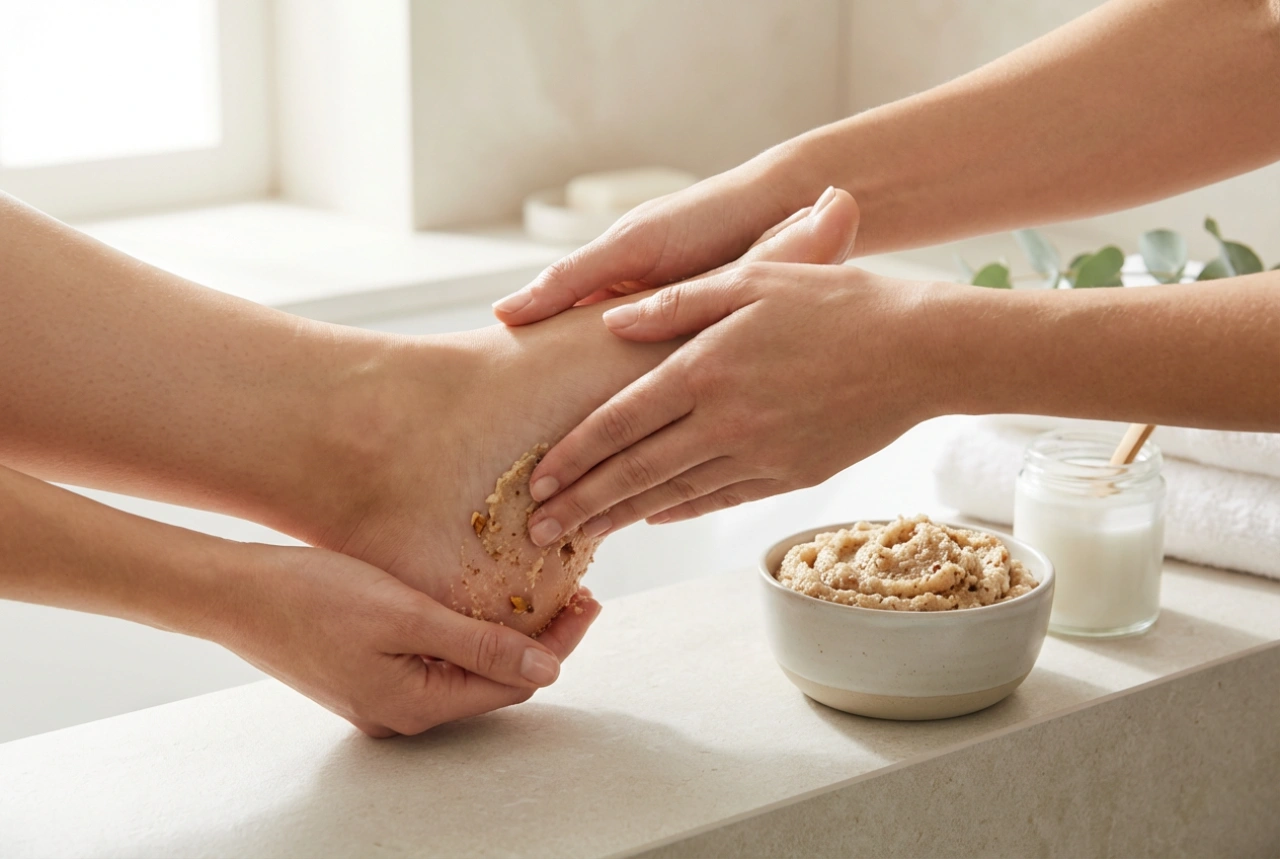
- Foot Scrub: A scrub containing fine particles like sugar or ground pumice can effectively slough away dead skin. Massage it onto damp feet in circular motions, focusing on the heels and other calloused areas.
- Pumice Stone: A natural, light volcanic rock that is excellent for sloughing off dead skin. Always use it on wet skin with light pressure, moving in one direction to avoid irritation.
- Foot File: A manual file with a fine-grit surface works similarly to a pumice stone. Use it gently on damp skin, being careful not to over-file any single area.
After exfoliating, rinse your feet thoroughly with lukewarm water and pat them dry with a soft towel.
The Final Touch: Deep Moisturization with a Rich Foot Cream
Exfoliation leaves your skin perfectly prepped to absorb moisture, making this final step the most critical for preventing future dryness and locking in softness. The skin on the soles of the feet is significantly thicker than elsewhere on the body and has fewer oil glands, which is why it's so prone to dryness. For this reason, a specialised foot cream is often more effective than a standard body lotion.
Application for Maximum Effect
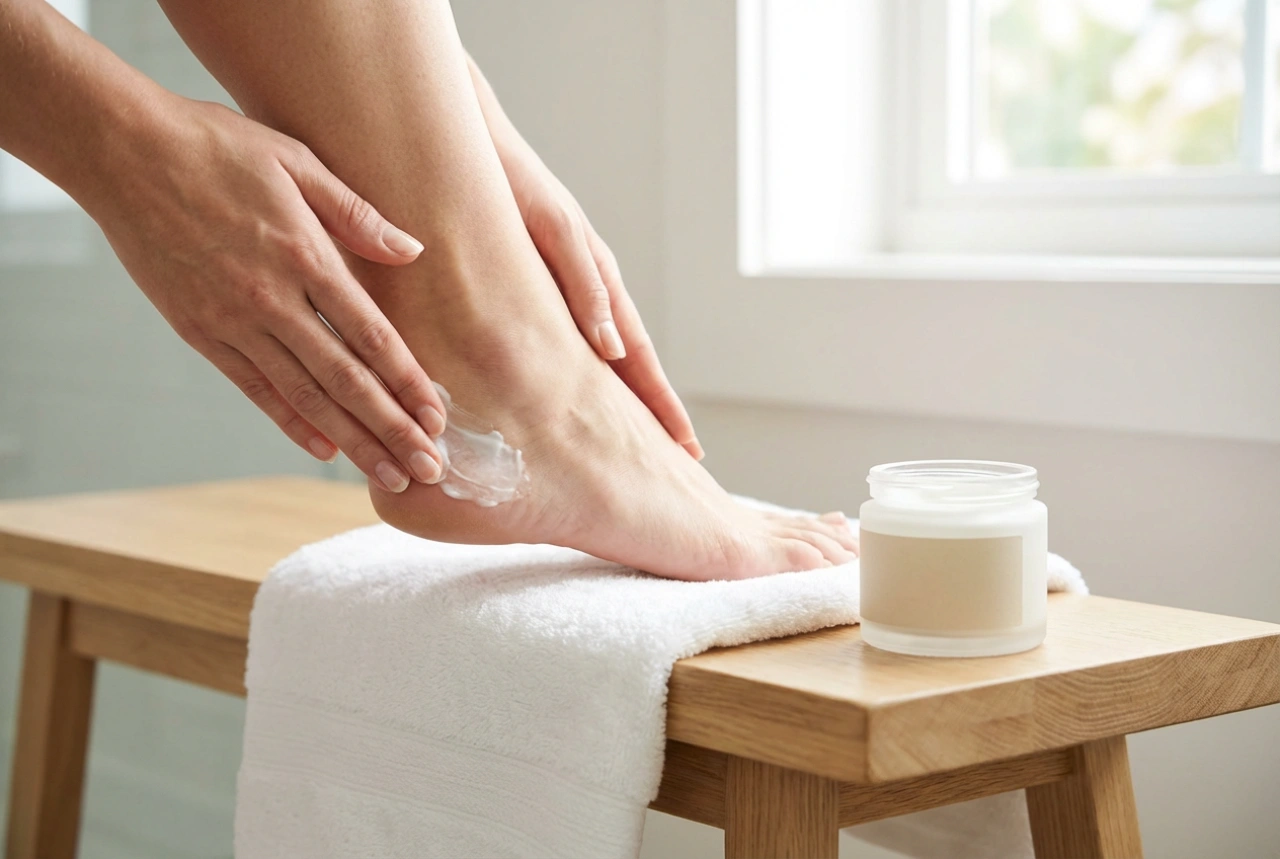
Look for creams with intensely hydrating and softening ingredients like urea, glycerin, or shea butter. These ingredients help to draw moisture into the skin and create a protective barrier. After patting your feet dry, apply a generous layer of rich foot cream. Take a minute to massage it in, paying extra attention to your heels, the balls of your feet, and the skin between your toes. For an intensive overnight treatment, apply the cream just before bed and slip on a pair of cotton socks. The socks will help to lock in the moisture and protect your bedding, allowing the cream to work its magic while you sleep.
Creating a Consistent Routine for Lasting Results
A single treatment will leave your feet feeling softer, but lasting results depend on consistency. Integrating this three-step process into your regular self-care schedule is the key to maintaining smooth, comfortable, and crack-free feet. Aim to perform the full soak and exfoliation routine once or twice a week, depending on your skin's needs. However, daily moisturising is non-negotiable. Make it a habit to apply foot cream every evening to continually replenish moisture and keep the skin supple and resilient. With regular care, you can say goodbye to rough heels and hello to beautifully soft feet all year round.