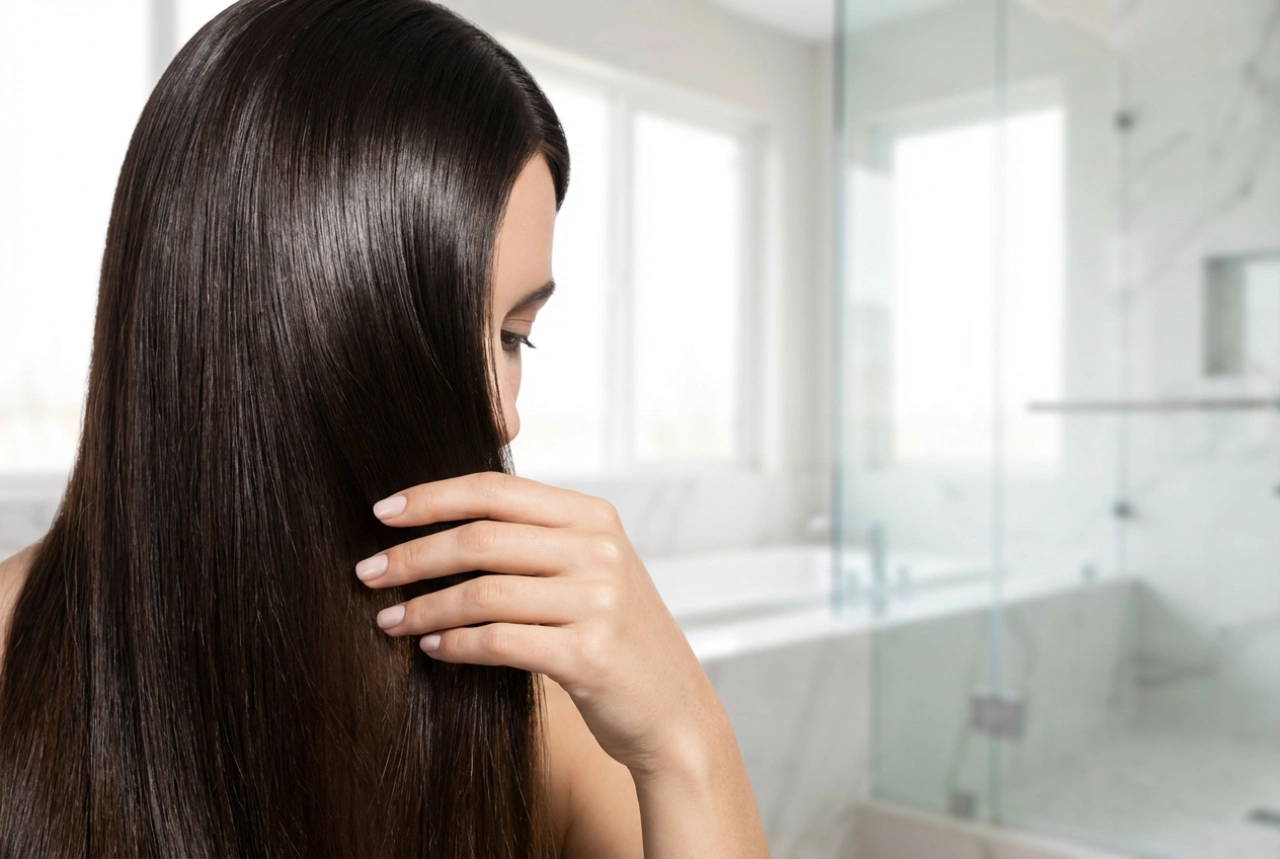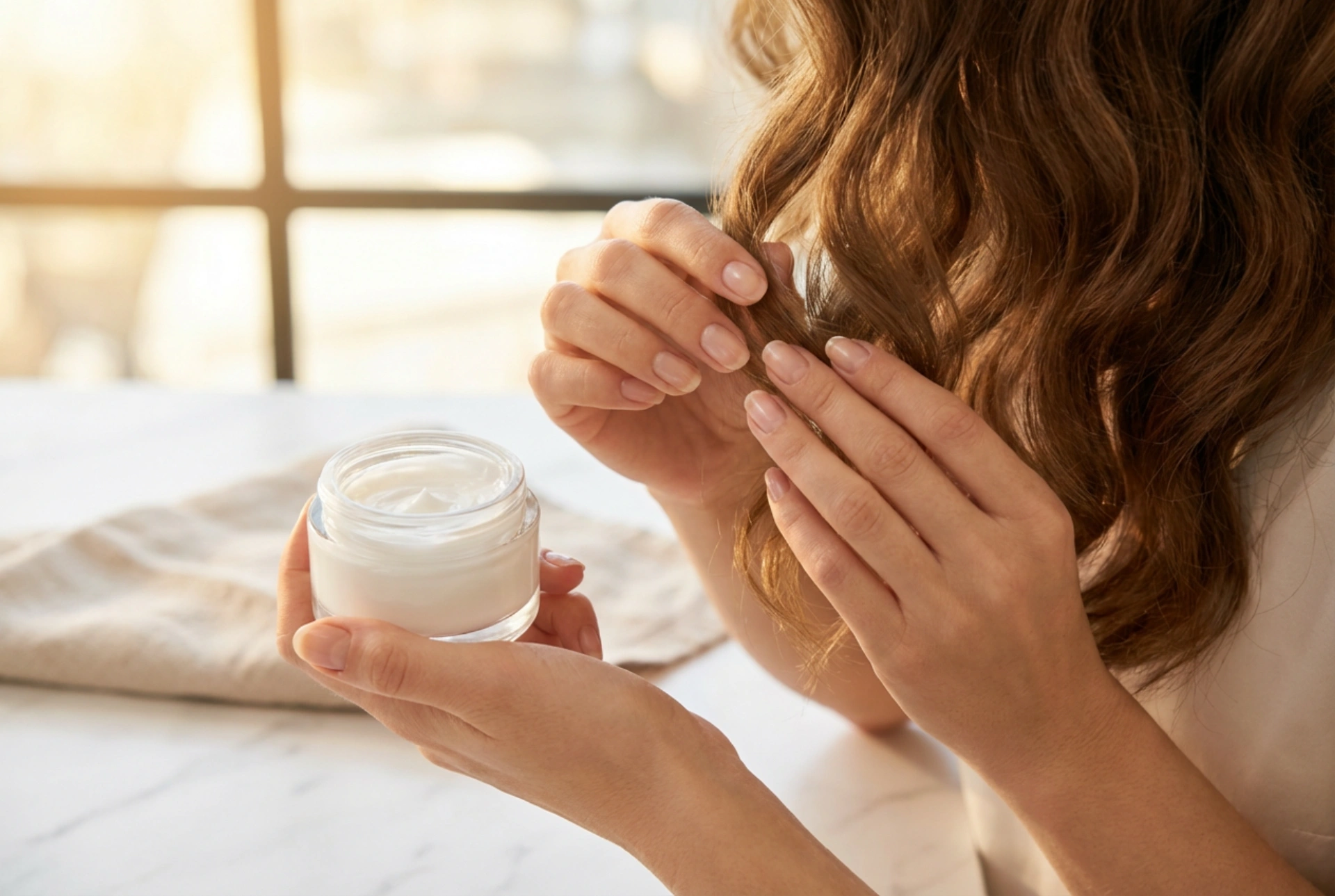


Incorporating a leave-in conditioner into your hair care is a simple yet effective step towards achieving that fresh, effortless look of healthy, voluminous hair. This versatile product acts as a protective shield and a source of continuous nourishment long after you've finished washing your hair. It's the secret to maintaining softness, managing frizz, and preparing your hair for whatever the day holds, whether you're styling it with heat or letting it air dry naturally.
What is a Leave-in Conditioner and Why Is It Beneficial?
Unlike traditional rinse-out conditioners that are washed away after a few minutes, a leave-in conditioner is designed to be applied to damp hair and left in until the next wash. Its lightweight formula provides a lasting layer of benefits that work throughout the day. The primary purpose is to add extra moisture, detangle strands, and protect the hair cuticle from daily stressors. This makes it an indispensable tool for anyone looking to improve their hair's overall health and appearance, reducing breakage and enhancing shine without weighing the hair down.
Key Benefits for Your Hair
The advantages of adding a leave-in conditioner to your routine are numerous and cater to a wide variety of hair needs. Understanding these benefits can help you appreciate its role in a comprehensive hair care regimen.
Enhanced Moisture and Hydration
Hair, especially if it's long, colour-treated, or frequently styled with heat, can easily become dry and brittle. Leave-in conditioners provide a continuous supply of moisture, helping to keep the hair shaft hydrated and flexible. This is particularly crucial for preventing split ends and maintaining a smooth, soft texture. By sealing in moisture, it helps combat the drying effects of indoor heating, air conditioning, and environmental elements.
Protection from Damage
One of the most significant roles of a leave-in conditioner is protection. Many formulations contain ingredients that form a barrier against thermal damage from hairdryers, curling tongs, and straighteners. Furthermore, this protective layer can also shield hair from environmental aggressors like UV radiation and pollution, which can weaken hair fibres and cause colour to fade over time.
Effortless Detangling and Manageability
Tangles and knots are a common cause of mechanical damage and breakage. Applying a leave-in conditioner to damp hair creates 'slip', allowing a comb or brush to glide through with minimal resistance. This not only makes styling quicker and less painful but also significantly reduces the physical stress on your hair, preserving its strength and integrity.
Choosing the Right Formula for Your Hair Type
Not all leave-in conditioners are created equal. To get the best results, it's essential to select a product that matches your hair's specific characteristics and needs.
- For Fine or Thin Hair: Look for lightweight mists or sprays. These formulas provide moisture and detangling benefits without weighing down fine strands, helping to maintain natural volume and bounce.
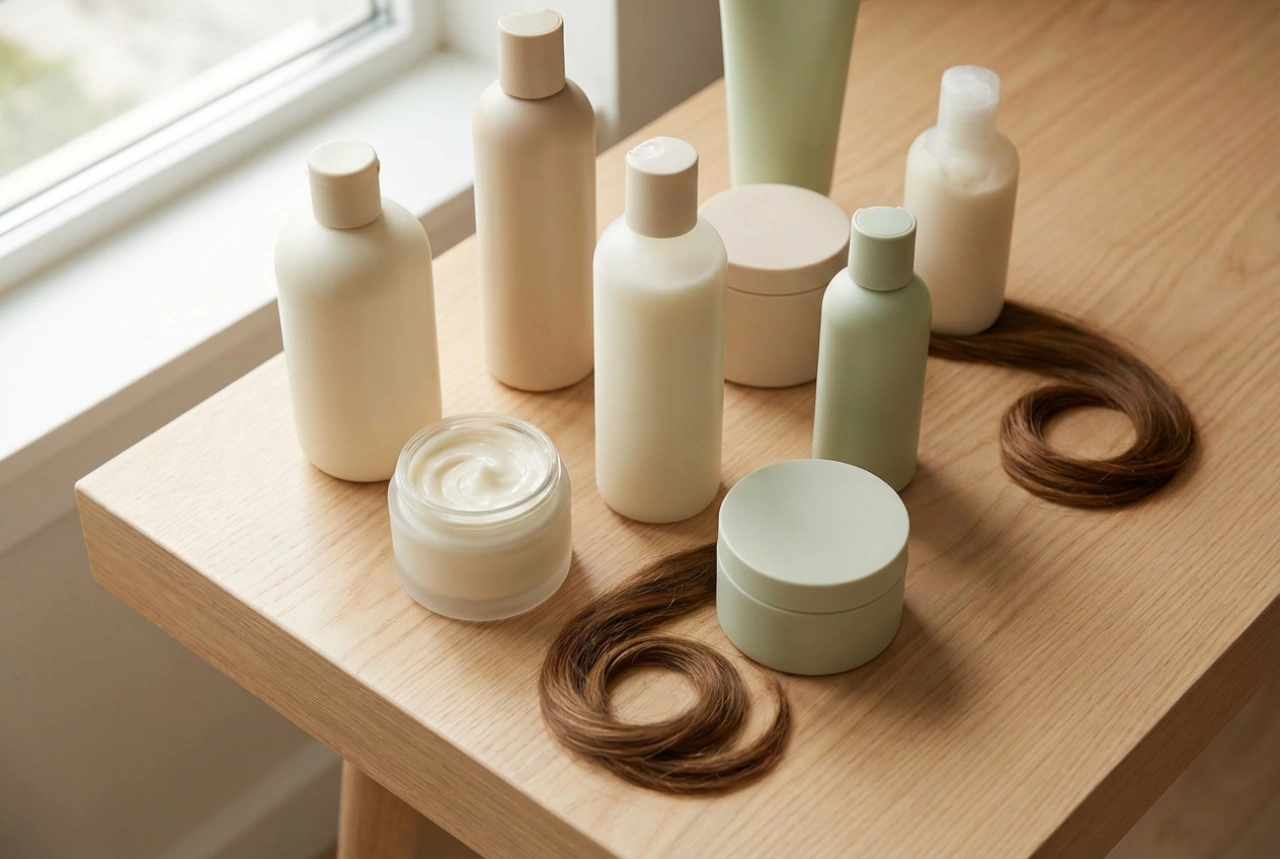
- For Thick or Coarse Hair: Creamy or lotion-based leave-in conditioners are ideal. Their richer texture provides the intense hydration and control that thicker hair types need to stay smooth and combat frizz.
- For Curly or Wavy Hair: Choose a product specifically designed to enhance curl patterns and fight frizz. These often contain ingredients that help define curls and provide flexible hold while delivering ample moisture.
- For Dry or Colour-Treated Hair: Opt for repairing and deeply hydrating formulas. Look for ingredients that help replenish lost nutrients, seal the cuticle, and protect colour vibrancy.
How to Apply Leave-in Conditioner for Best Results
Correct application is key to unlocking the full potential of your leave-in conditioner. Following a few simple steps ensures even distribution and maximum effectiveness without causing product build-up.
1. Start with Towel-Dried Hair
After washing and conditioning your hair in the shower, gently squeeze out excess water with a towel. Your hair should be damp, not soaking wet, as this allows the product to be absorbed properly without being diluted.
2. Use the Right Amount
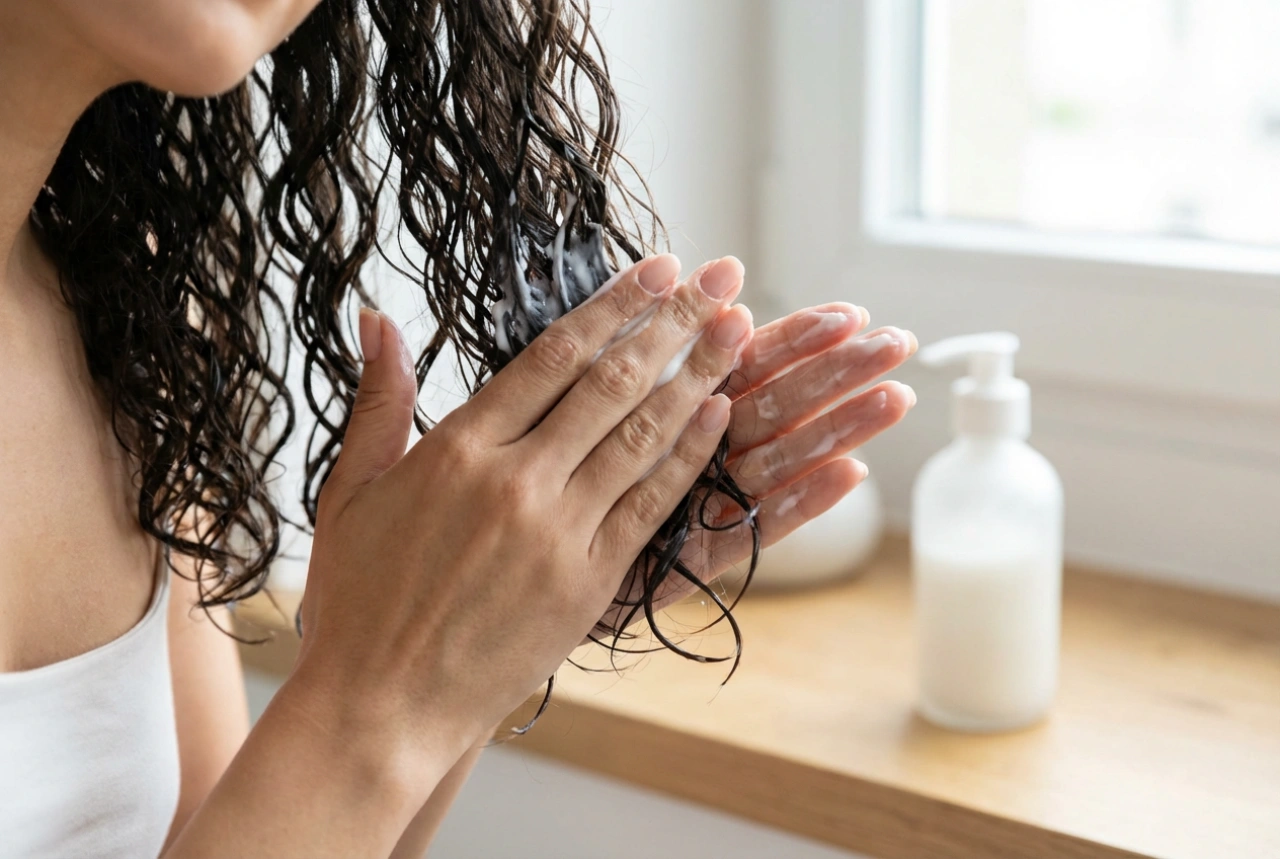
Less is more. Start with a small, coin-sized amount for creams or a few spritzes for mists. You can always add more if needed. Applying too much can leave your hair feeling heavy or greasy.
3. Focus on Mid-Lengths and Ends
The ends of your hair are the oldest and most susceptible to damage, so they require the most attention. Apply the product primarily from the mid-lengths down to the ends, avoiding the scalp area where natural oils are most concentrated.
4. Distribute Evenly
Use your fingers to work the product through your hair. For a more thorough distribution, use a wide-tooth comb. This ensures every strand is lightly coated, providing consistent protection and conditioning.
5. Style as Usual
Once applied, do not rinse. You can proceed to blow-dry, air-dry, or style your hair as you normally would. The leave-in conditioner will continue to work, protecting and nourishing your hair throughout the styling process and beyond.