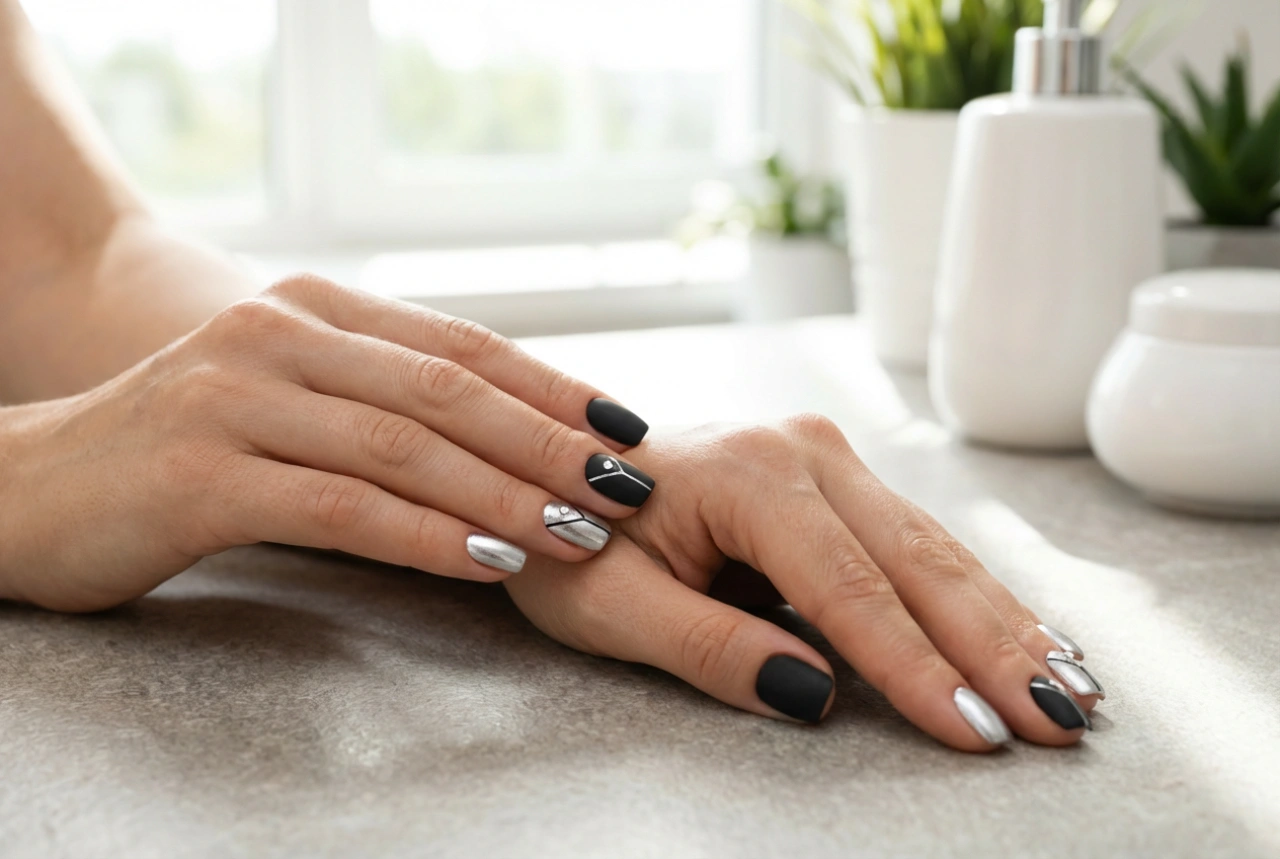


Achieving long, perfectly shaped nails is a common beauty goal. Nail extensions offer a fantastic way to add length and strength, but navigating the options can be confusing. Two of the most popular methods involve using tips with either an acrylic or a gel system. Understanding the fundamental differences between these two approaches is key to choosing the one that best suits your lifestyle, preferences, and desired aesthetic. Let's explore the characteristics of both to help you make an informed decision for your next manicure.
Understanding the Basics: What Are Nail Tips?
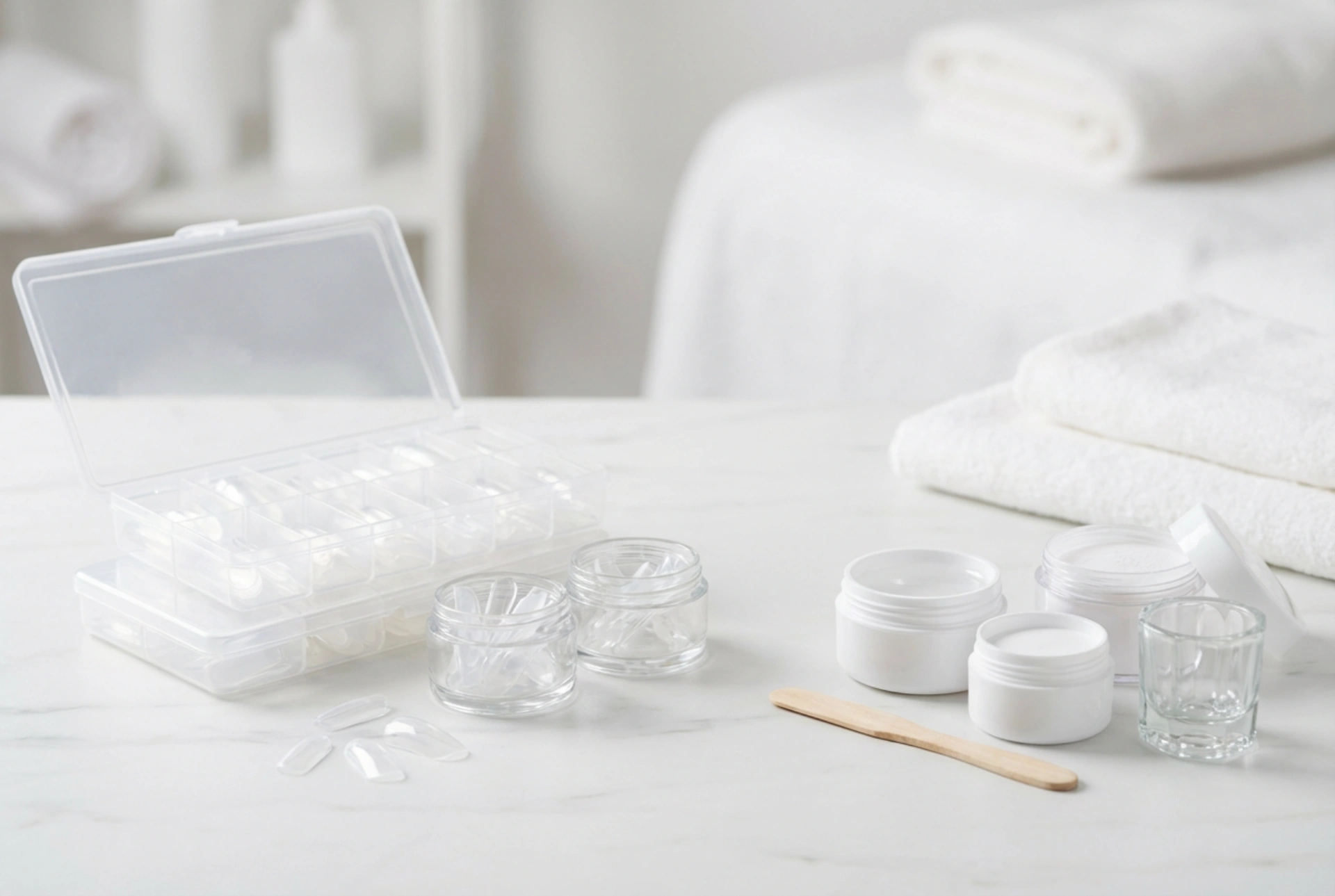
Before diving into the specifics of acrylic and gel, it's important to understand what a nail tip is. A nail tip is a pre-shaped piece of plastic, typically made from Acrylonitrile Butadiene Styrene (ABS), which is glued onto the free edge of the natural nail. Its purpose is to add instant length. Once the tip is securely attached, it is blended into the natural nail, and a strengthening overlay product—either acrylic or gel—is applied over the entire nail surface (both the natural nail and the tip) to create a durable and seamless extension.
The Acrylic System: Strength and Durability
The acrylic method is a classic and time-tested technique for creating nail extensions. It is renowned for its exceptional strength and longevity, making it a popular choice for those who are hard on their hands or desire very long nails.
How It Works
With a traditional acrylic set, a nail tip is first glued on and shaped. The main structure is then built using an acrylic system, which involves mixing a liquid (monomer) with a powder (polymer). This mixture forms a malleable bead that is applied to the nail and tip, where it is sculpted into the desired shape. The product then air-dries and hardens without the need for a lamp. The hardened acrylic is then filed and buffed to a smooth finish before colour or top coat is applied.
Key Characteristics of Acrylic Extensions
- Durability: Acrylic is extremely hard and rigid, offering maximum protection against breaks and chips. It's an excellent option for individuals with active lifestyles.
- Application: The application process requires skill to achieve the correct liquid-to-powder ratio and to sculpt the nail shape before it hardens. It also produces a strong odour during application.
- Removal: Removal typically involves filing down the bulk of the product before soaking the remaining layer in an acetone-based solution. The process can be more time-consuming compared to some gel systems.
The Gel System: Flexibility and a Modern Feel
Gel systems have gained immense popularity for their versatility, odour-free application, and more flexible finish. When talking about 'gel tips', it can refer to standard tips used with a builder gel overlay, or more commonly now, a system of full-coverage soft gel tips.
How It Works (Soft Gel Tips)
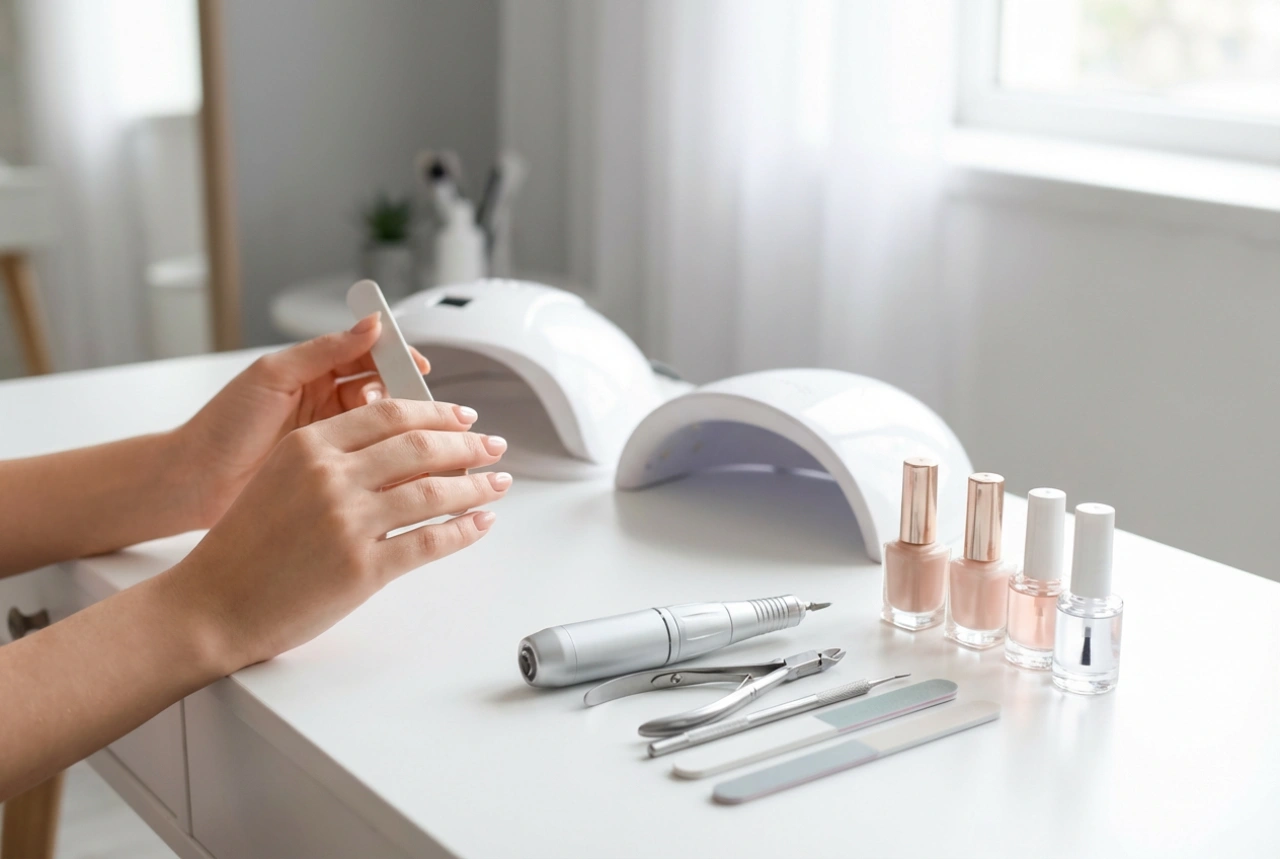
A soft gel tip system, often called 'gel-x' or 'press-on gels', uses tips that are made entirely of gel. These tips cover the entire nail bed, not just the free edge. The process involves prepping the natural nail, applying a base gel, and then adhering the full-coverage gel tip using a strong adhesive gel. Each nail is 'flash cured' for a few seconds with a small LED light to hold it in place, followed by a full cure for all nails under a standard UV/LED lamp. The result is an instant, perfectly shaped extension.
Key Characteristics of Gel Extensions
- Flexibility and Feel: Soft gel tips are lighter and more flexible than acrylics, which many people find more comfortable for daily wear. They move with the natural nail, which can help prevent jarring breaks.
- Application: The application is generally faster and odour-free, as no sculpting is required. The pre-shaped nature of the tips ensures a consistent and perfect shape every time. A UV/LED lamp is required for curing.
- Removal: Removal is often simpler. As the tips are made from soft gel, they can be soaked off with an acetone solution after the top layer is filed away, making the process gentler on the natural nail if done correctly.
Which Should You Choose?
Deciding between an acrylic and a gel system depends entirely on your personal needs and preferences. There is no single 'better' option, only the one that is better for you.
Choose an Acrylic System if:
- You need maximum strength and durability for a physically demanding job or hobby.
- You prefer very long or dramatically shaped nails (like stilettos or complex coffin shapes) that require a rigid structure.
- You are not sensitive to the chemical odour during application.
Choose a Gel Tip System if:
- You prefer a lightweight and more flexible feel.
- You want a faster, odour-free application process.
- You like to change your nail style frequently, as the removal process can be quicker.
- You appreciate a consistently perfect shape with minimal filing and shaping required.
Ultimately, both acrylic and gel systems can produce beautiful, long-lasting nail extensions. By considering factors like your lifestyle, desired maintenance level, and how you want your nails to feel, you can select the method that will give you the results you love while fitting seamlessly into your beauty routine.